





 Portuguese
  English
  Spanish
 2 min of reading


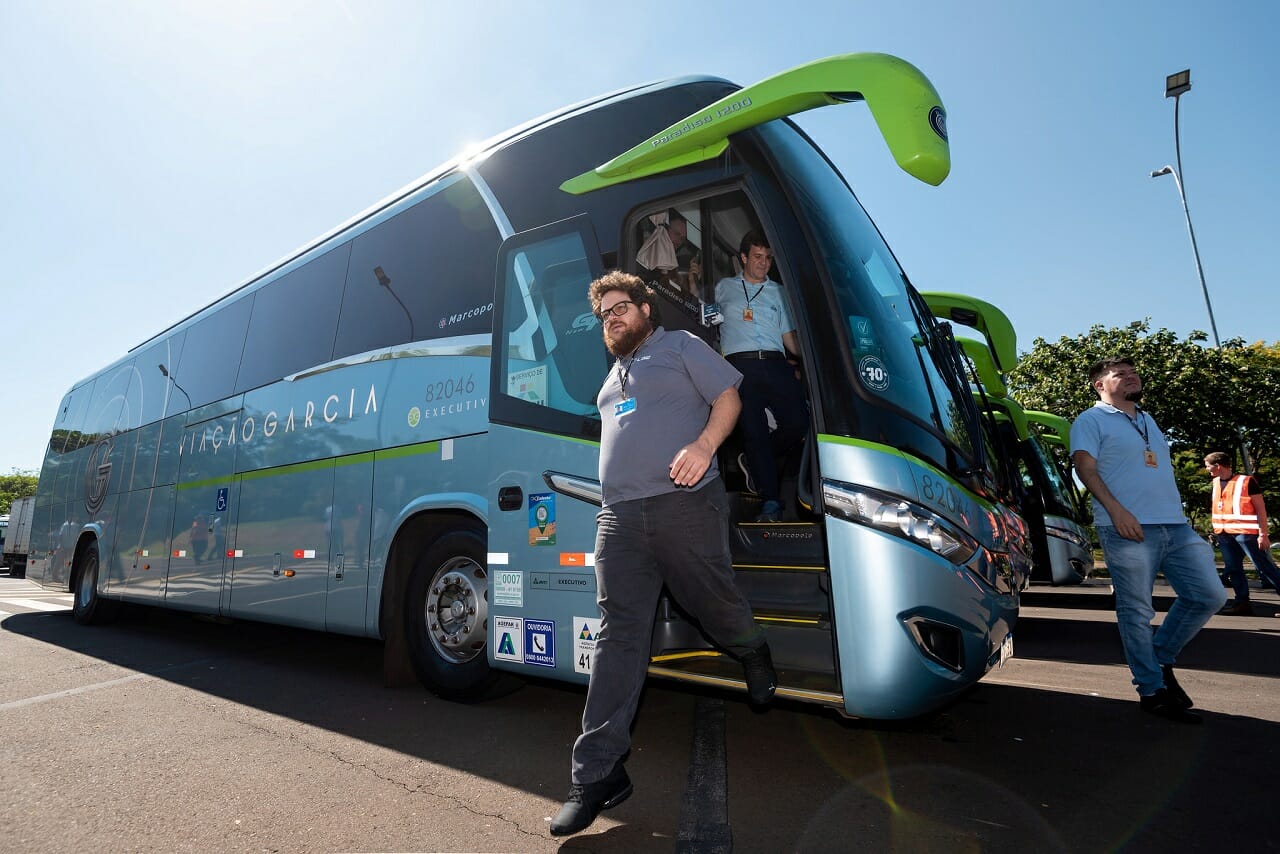
Transition to Sustainable Mobility Starts at Itaipu
Itaipu Binacional, once again standing out as a leader in sustainable innovations, announces the adoption of an electric bus for the transportation of its employees and collaborators. The initiative is in line with global efforts to reduce carbon emissions and transition to a cleaner energy matrix. Even a British company developed technology to turn any diesel bus into electric in as little as two weeks.
Adopting Green Technology in Itaipu’s Fleet
The decision to incorporate an electric bus into Itaipu’s public transport fleet arose from the need to explore viable alternatives for sustainable mobility. The company intends to replace one of the 21 buses in its current fleet with an electric model, as part of a pilot project to study the technology’s feasibility.
The electric bus will provide Itaipu with the opportunity to evaluate the vehicle’s range, energy efficiency, and its ability to meet the transportation needs of its employees. The study will also address the necessary charging infrastructure for a potential fleet of electric buses, as well as the best practices for its implementation.
-
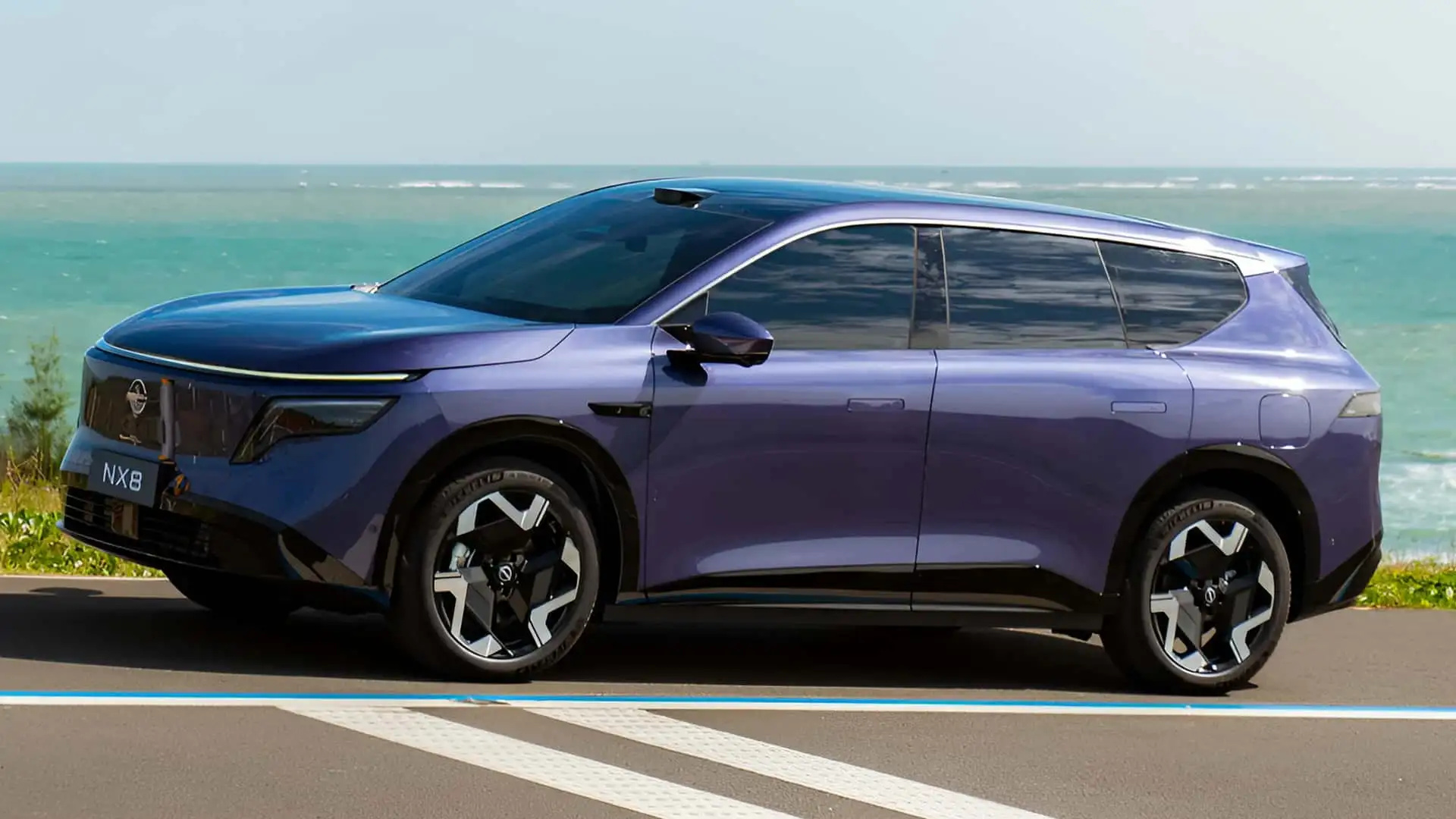
Nissan NX8 prepares a counterattack with a range of 1,450 km, EREV system, and tests already underway in Brazil, in a Japanese response to the offensive from BYD, GWM, and Leapmotor.
-
PRF drones are already fining drivers on federal highways across Brazil, and intelligent monitoring can identify infractions such as using the shoulder, using a cell phone while driving, and not wearing a seatbelt without the need for direct intervention, using authorized video monitoring and specialized technical operation.

-
They catch the eye, but be careful! Some used cars can cause a lot of headaches.
-
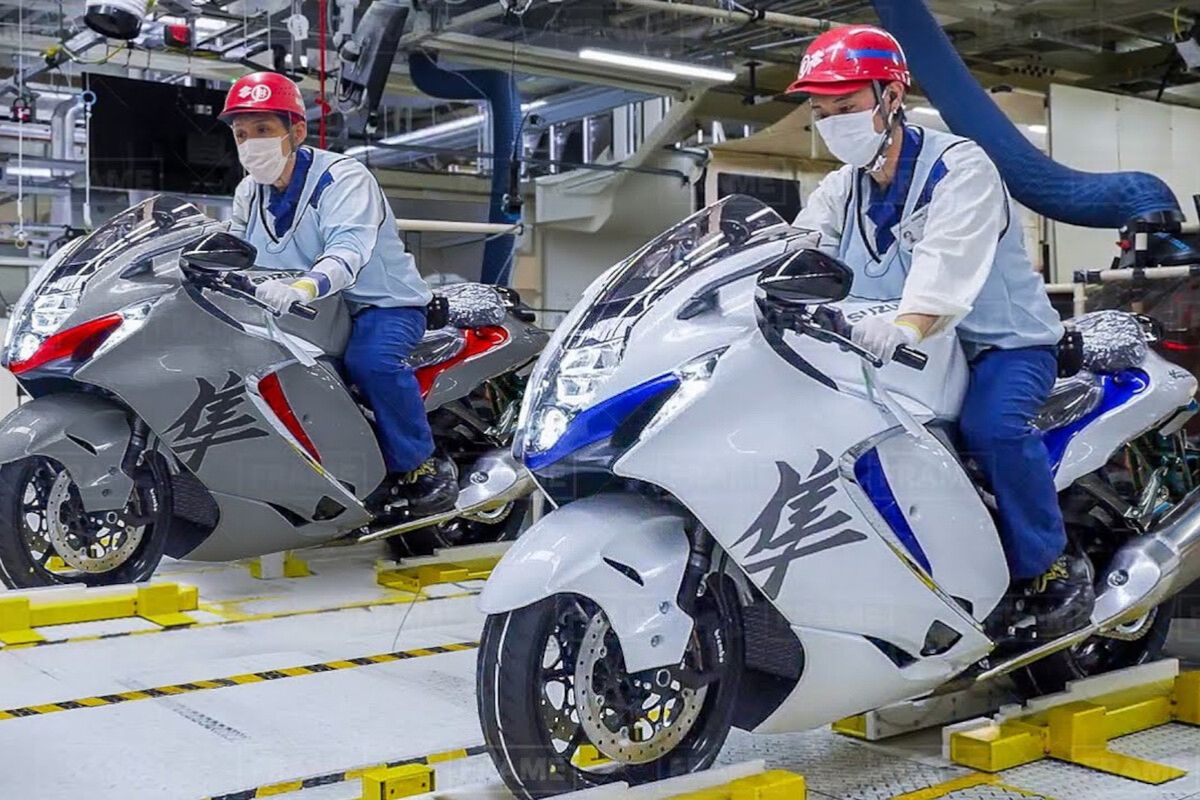
While China accelerates with automated factories, Japan assembles the Suzuki Hayabusa almost by hand, piece by piece, with zero tolerance and strict quality control, unit after unit.
The complete transition to an electric bus fleet may still take some time, due to vehicle availability and the need for supporting infrastructure. However, the introduction of the first electric bus aligns with the UN Global Compact Principles and symbolizes Itaipu’s commitment to sustainability and energy transition.
Towards a Total Electric Fleet
This project represents the beginning of a journey towards the implementation of a fully electric fleet at Itaipu. The company is committed to meeting its sustainability goals and aligning them with the Federal Government’s guidelines, which value the transition to a cleaner energy matrix and the reduction of carbon emissions.
According to Iggor Gomes Rocha, administrative director of Itaipu, the project aims to “send a clear signal to society that it is possible, in a short time, to have viable alternatives to the current model and contribute to the reduction of pollutants. This is also, in our view, Itaipu’s role.” For the Renewable Energy advisor, Guilherme Amintas, the measure represents “an important step to assess the benefits and challenges of using electric buses, aiming for future large-scale implementation in society.”
Itaipu Binacional: Leader in Clean and Renewable Energy
With 20 generating units and 14,000 MW of installed capacity, Itaipu Binacional leads the global production of clean and renewable energy. Since 1984, the company has generated 2.9 billion MWh of electricity, accounting for 8.6% of Brazil’s supply and 86.3% of Paraguay’s in 2022. Itaipu’s mission is “To generate quality electric energy with social and environmental responsibility, contributing to sustainable development in Brazil and Paraguay.”






Seja o primeiro a reagir!