





 Portuguese
  English
  Spanish
  3 min of reading
  0 comments


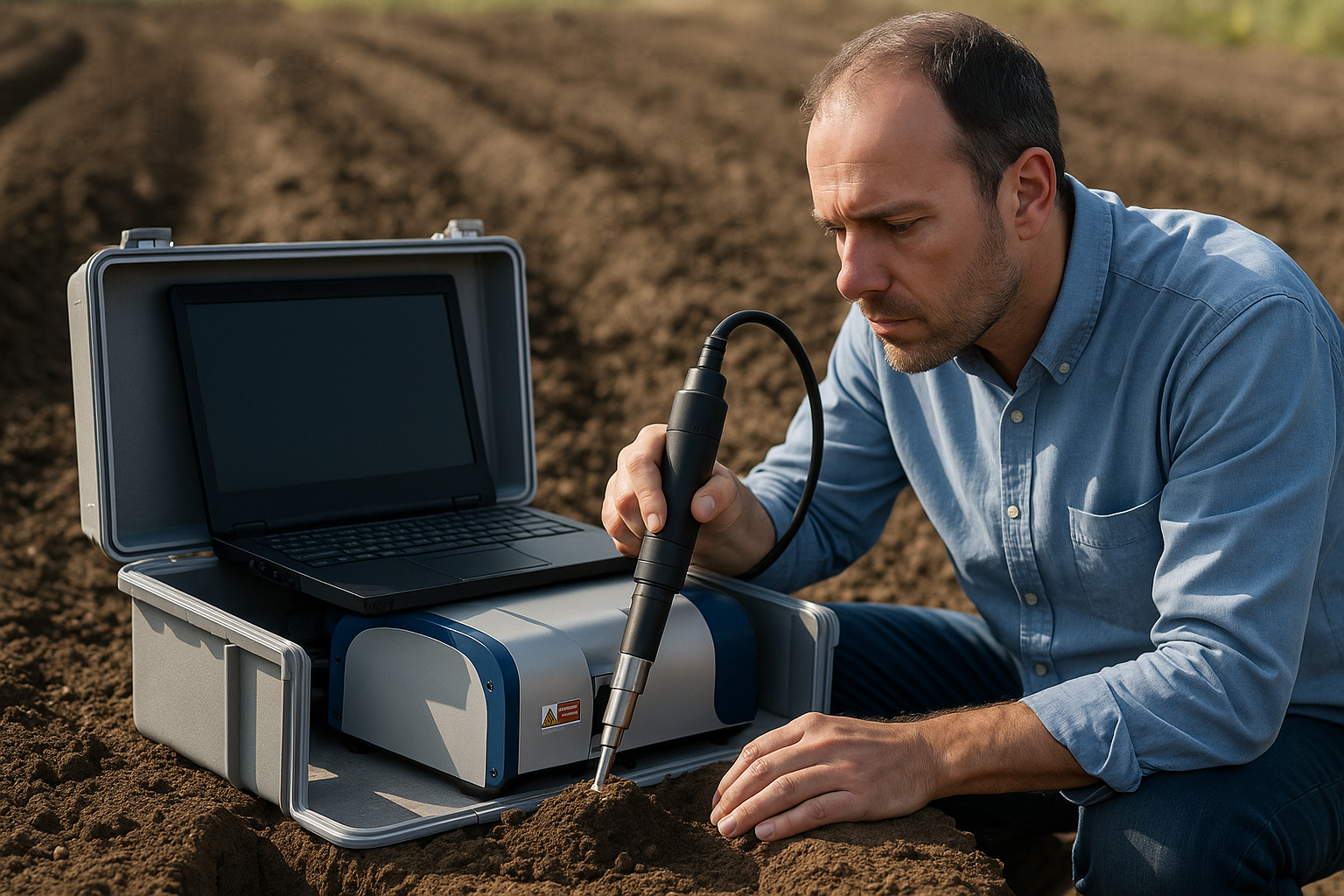
Embrapa Innovation Promises to Reduce Costs and Speed Up Carbon Credit Market Projects
Researchers from Embrapa Instrumentação, in São Carlos (SP), developed a groundbreaking technology that combines laser and artificial intelligence (AI) to measure carbon in the soil more quickly.
With this innovation, it is possible to evaluate bulk density and carbon content simultaneously, making the process faster, more economical, and accessible.
During the National Symposium on Agricultural Instrumentation (Siagro), held from October 14 to 16, 2025, Embrapa presented the method, highlighting its potential to boost the carbon credit market.
In addition, the institution emphasized that the technology can simplify analyses, reduce costs, and increase efficiency in environmental projects.
Innovative Method Combines Laser and AI
The technique, developed by Paulino Ribeiro Villas-Boas, Ladislau Martin Neto, and Débora Milori, uses laser-induced breakdown spectroscopy (LIBS) and machine learning models.
Thanks to this combination, the technology can estimate both soil density and carbon content in a single analysis.
This way, it eliminates traditional, time-consuming, costly processes that are prone to human error.
According to Embrapa, the method already has a patent application with the National Institute of Industrial Property (INPI) and is in licensing phase with private companies.
This means that it will soon be applicable in practical and large-scale settings.
ARTICLE CONTINUES BELOWSee also
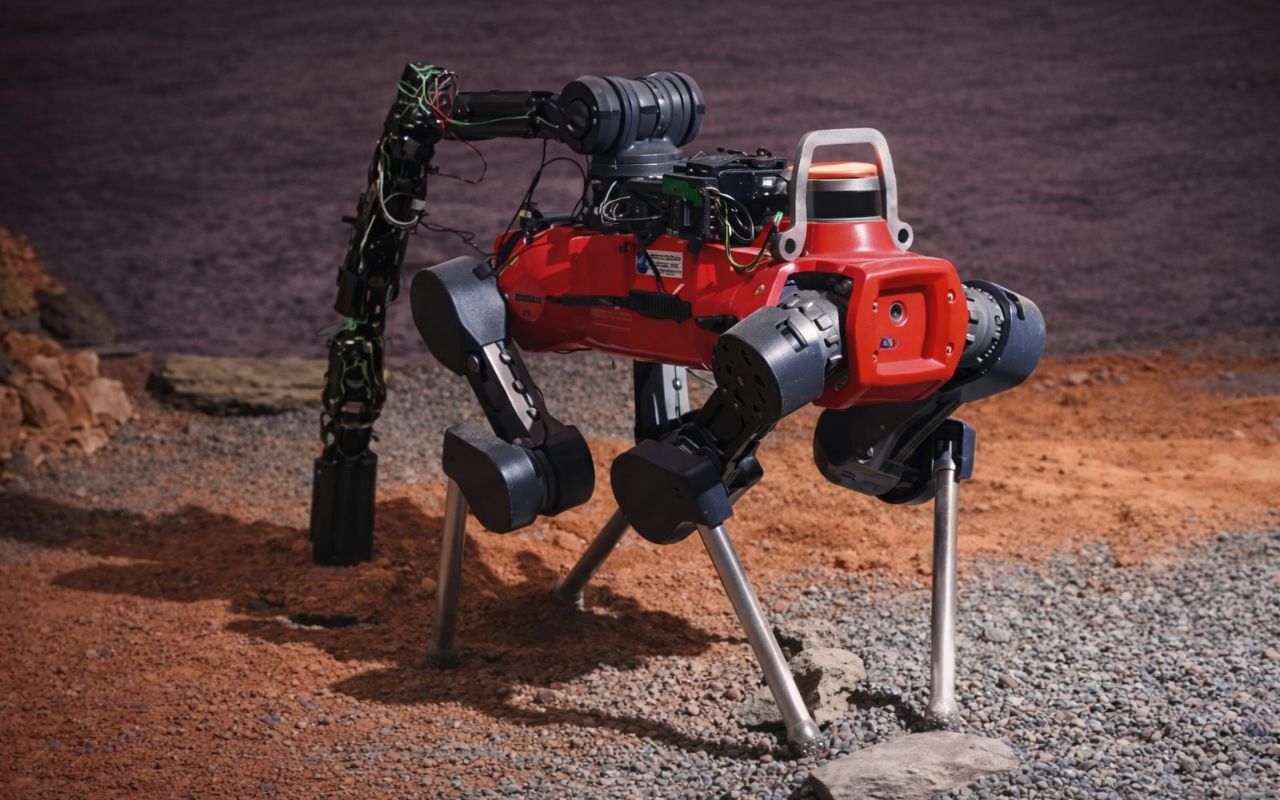
New semi-autonomous legged robot technology challenges the limitations of space exploration by operating almost without human intervention on the Moon.
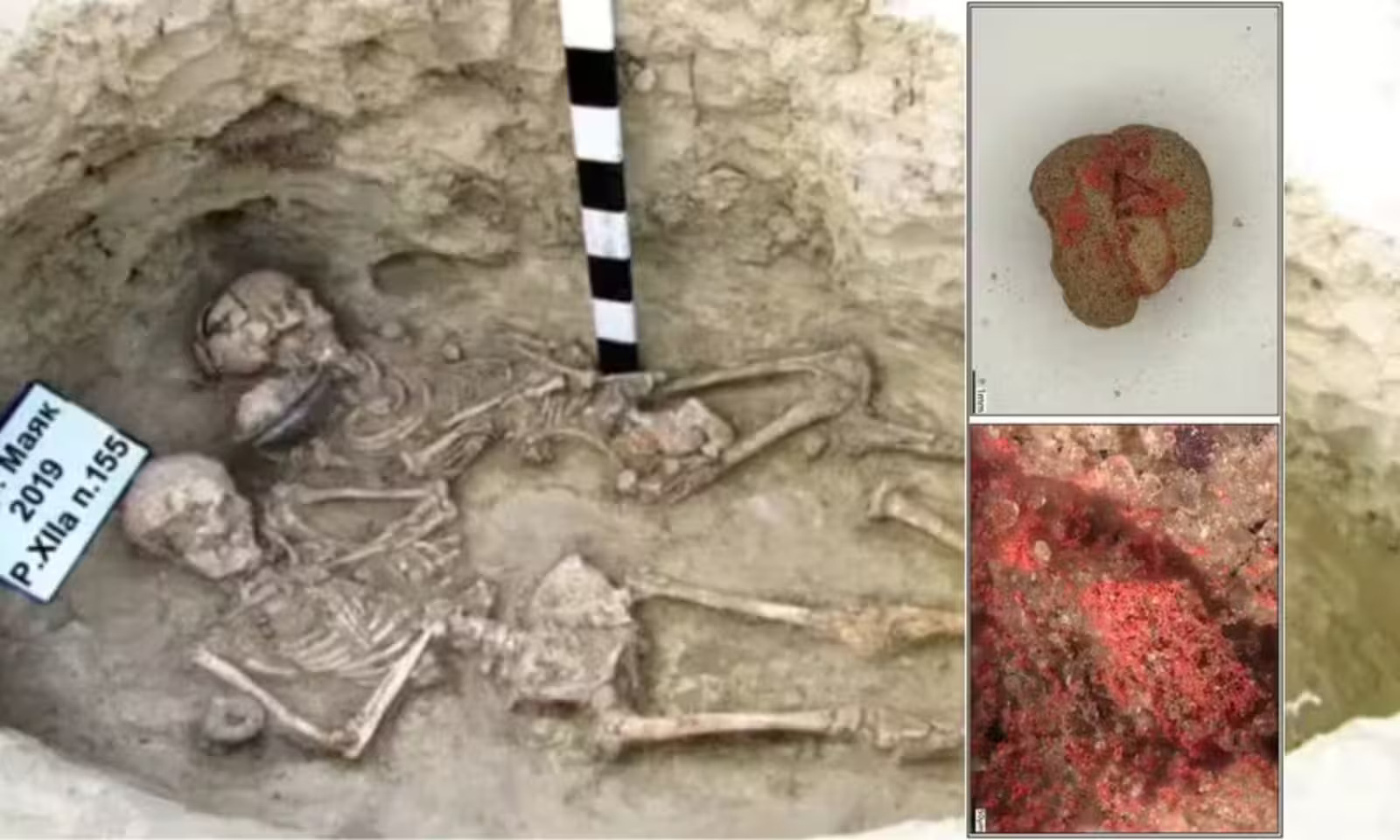
Super toxic red mineral found in the double burial of two women aged 1,900 years near the banks of the Dnieper River in Ukraine.
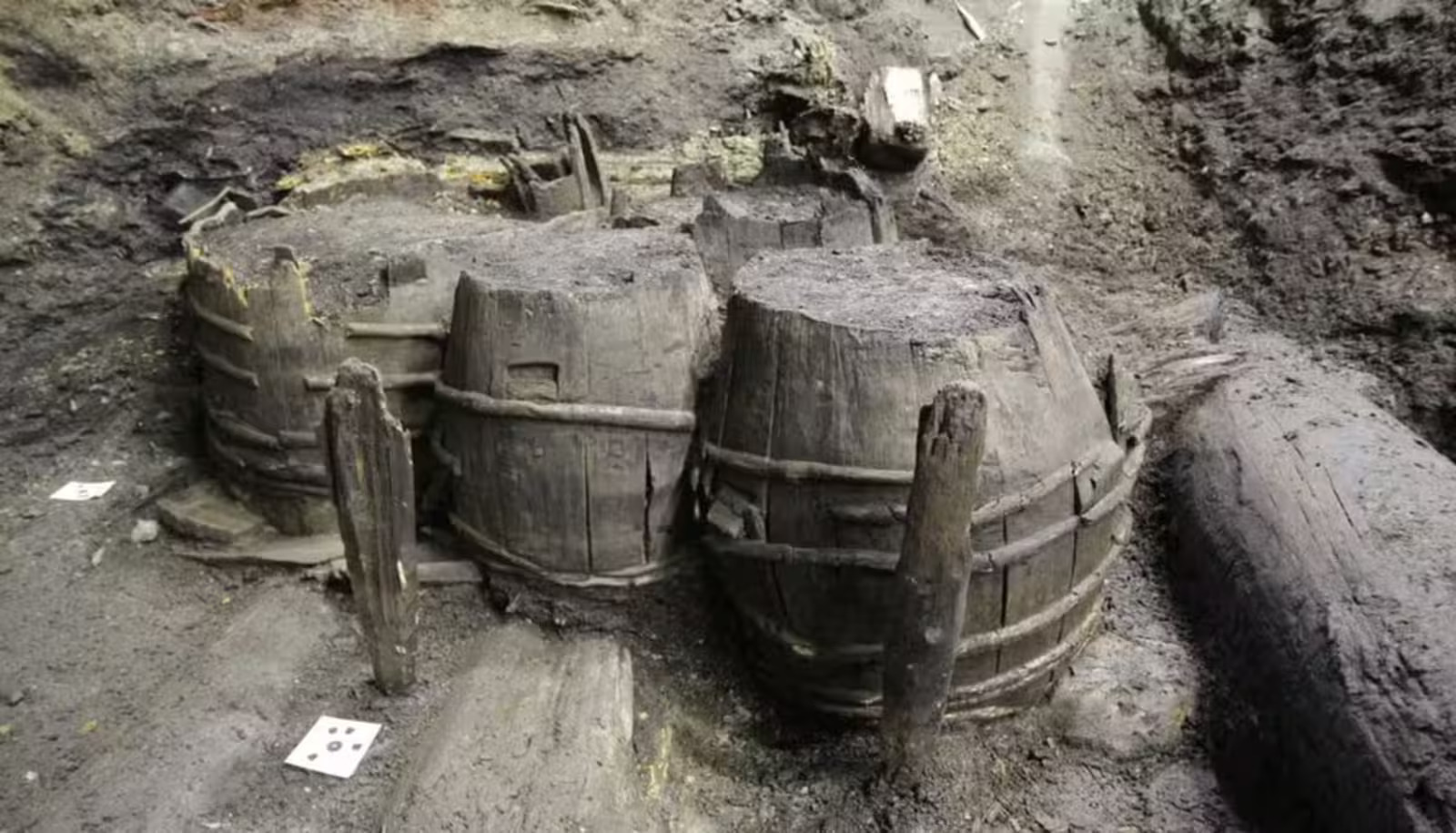
No one expected this under a common street: archaeologists find 3 intact oak barrels, buried about 400 years ago, with traces of lime and pieces related to 17th-century construction.
After decades of failed attempts, Brazil is once again looking to space with an orbital rocket measuring 12 meters, weighing 12 tons, costing R$ 189 million, and scheduled for launch in 2026, in a new race to finally achieve autonomous access to orbit.

Advantages Over Traditional Methods
While conventional methods require the use of volumetric rings and undisturbed samples, Embrapa’s technology dispenses with these complex steps.
As a result, fieldwork becomes simpler, faster, and more efficient.
Furthermore, the method allows for the use of disturbed samples, facilitating collection in extensive areas and reducing analysis time.
Consequently, the process becomes ideal for precision agriculture projects and large-scale environmental monitoring.
Another important advantage is that LIBS requires minimal sample treatment.
This includes only removal of impurities, drying, homogenization, and pelletizing of the soil, simplifying preparation.

Collections Conducted in Brazilian Biomes
To validate the model, the researchers trained and tested regression algorithms with 880 samples of Brazilian soil collected from various regions.
The collections took place in agricultural properties, research institutions, and native forests, covering the Cerrado and Mata Atlântica biomes.
Additionally, the samples were taken from trenches of up to 100 centimeters deep, allowing for observation of variations in soil organic matter.
According to Villas-Boas, the method enables calculation of carbon stocks with just one LIBS measurement, ensuring speed and accuracy.
This way, the process becomes more reliable, secure, and applicable to various soil types.
Environmental Impact and Economic Potential
According to Embrapa, the new technology represents a strategic advance for the carbon credit market.
This is because it improves the accuracy of measurements and facilitates the certification of sustainable practices in the agricultural sector.
Furthermore, the method reduces the use of chemical reagents, decreases waste, and optimizes environmental data collection.
According to complementary studies by the institution, the innovation shows accuracy of up to 81%, demonstrating high scientific reliability.
Therefore, the advancement can strengthen environmental monitoring and expand control over carbon sequestration in Brazilian soil.
With this, Brazil reinforces its prominent position in the global sustainability agenda and boosts the use of clean technologies for climate action.







-

-

2 pessoas reagiram a isso.