Portuguese
  Spanish



Macaé Will Receive Its First Biogas Plant, With a Capacity to Produce 1 Megawatt. The Gas Will Be Generated Through the Treatment of Waste from the Waste Treatment Center
Macaé received its first biogas plant on Tuesday (28), which will operate at the Waste Treatment Center (CTR). The inauguration took place at 10 AM.
Biogas Plant in Macaé Will Have a Capacity of 1 MW
According to Juninho Luna, Secretary of Environment, Sustainability and Animal Protection, the start of operations for the biogas plant will occur after the testing phase, and he reveals that the electricity generated by the plant will come from waste at the Waste Treatment Center.
According to Luna, the 30 biogas wells built around the CTR will have the capacity to generate up to 1 megawatt (MW) of clean energy in this first phase, able to supply around 4,000 homes, in addition to preventing the emission of tons of methane gas into the atmosphere, bringing a significant positive impact to the environment of Macaé.
-
Fired during apartheid and with a little borrowed money, an electrician started with a borrowed truck and transformed electrical services into a group connected to energy, real estate, and infrastructure in South Africa.

-
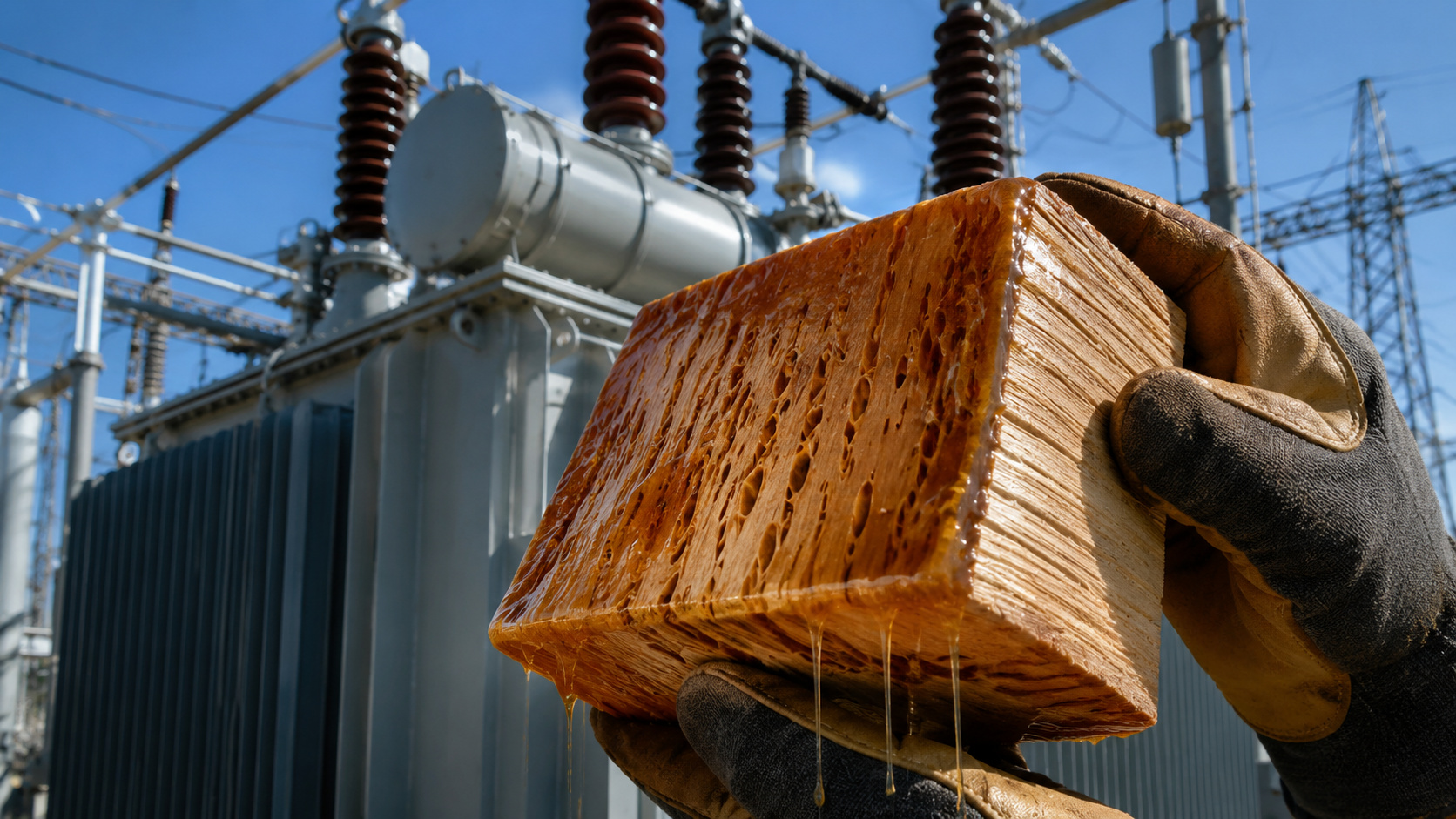
Wood has ceased to be just a construction material in Yale research and has become insulation for electrical transformers that face intense heat, aging, and increasing pressure from the renewable energy-powered grid.
-
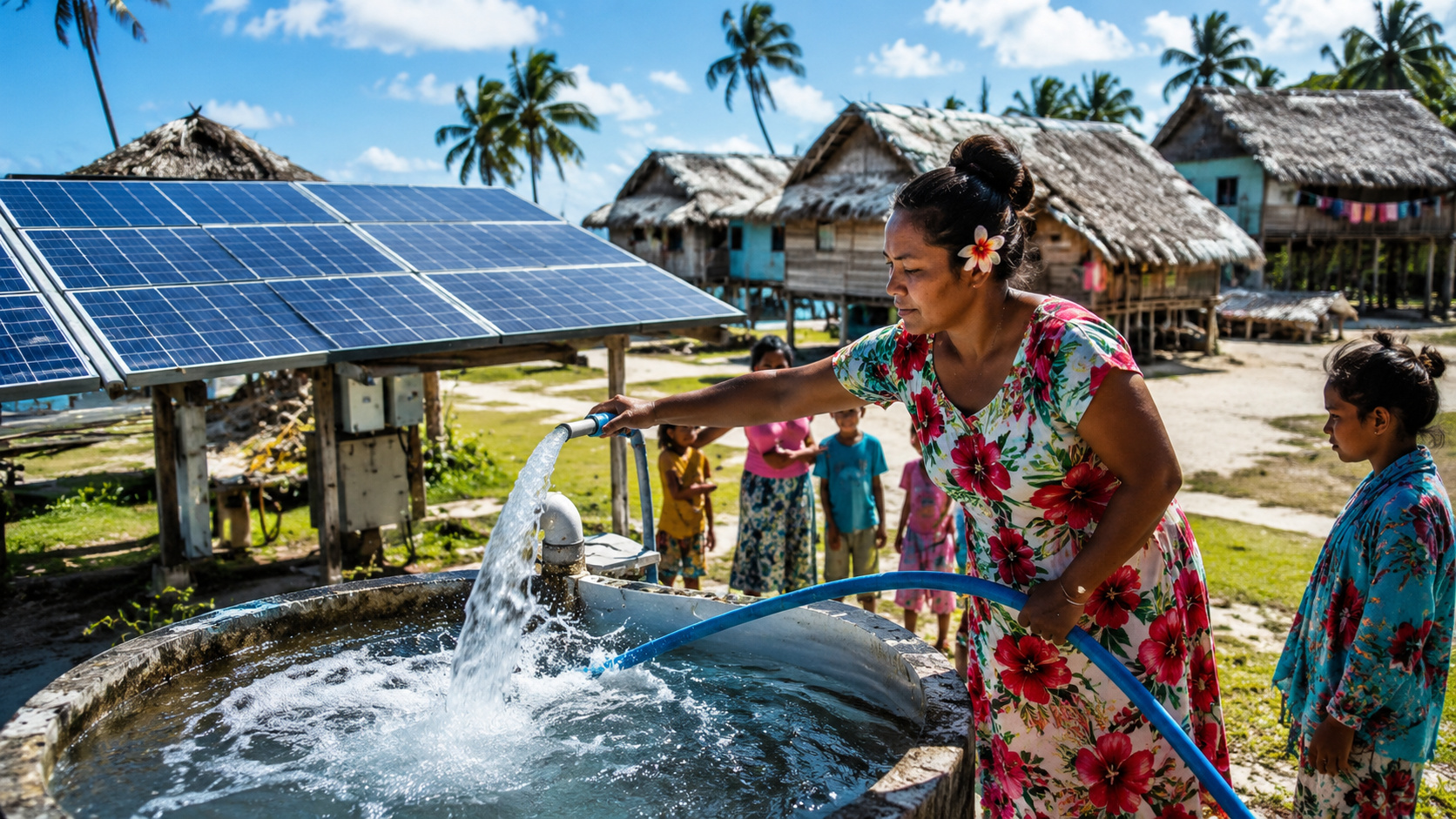
More than 1,000 residents of a remote island in Kiribati now have clean water and electricity with solar systems operated by the community itself.
-
Corn ethanol attracts R$ 23 billion in 21 new plants and prepares for a nearly 50% jump in Brazilian production by 2027, even with high interest rates.



The manager also emphasized that this biogas plant represents a sustainability solution, considering that the electricity generated by the project will be clean and renewable energy, less harmful to people and the environment.
Luna adds that waste will always exist, increasing the production of polluting gases such as methane, an aggressive agent to the environment. With this action, the municipality is properly managing methane gas, generating various benefits for health and the environment.
Transforming Waste into Energy
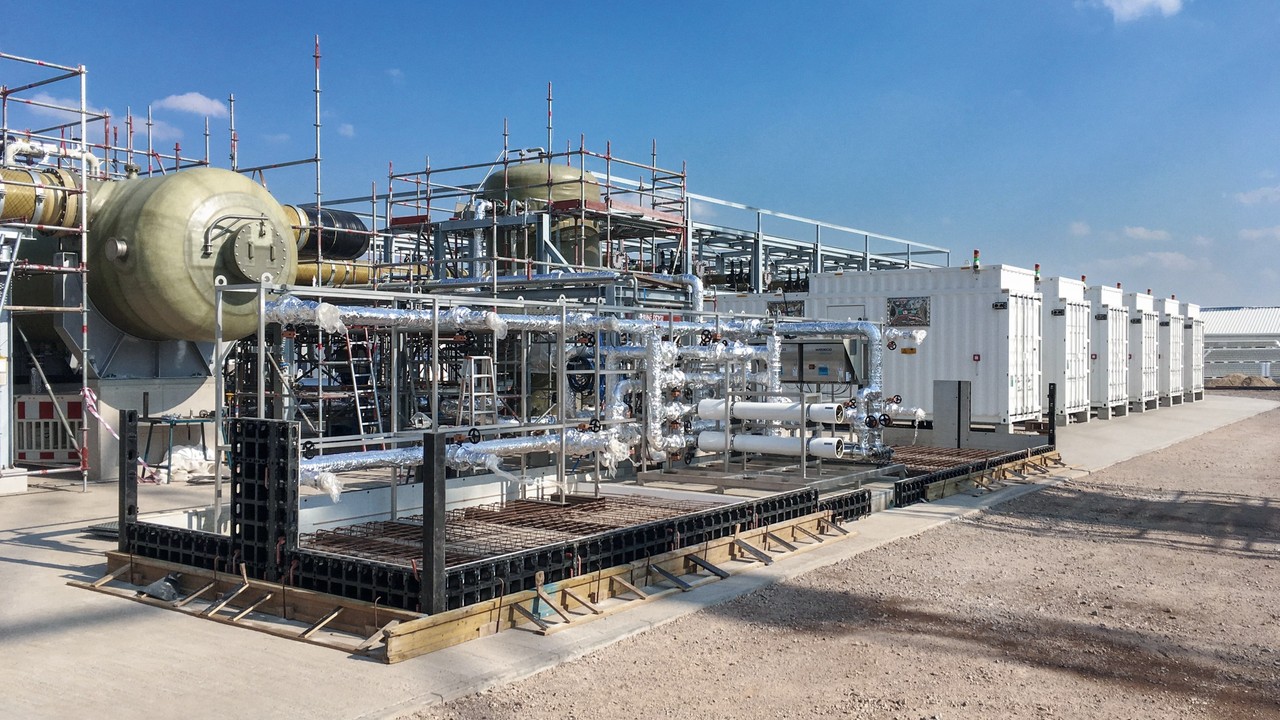
Recently, the transformation of waste into biogas has gained more popularity, and besides Macaé, companies Aggreko and Eva Energia have partnered for a biogas plant, generating energy from landfills.
The first unit was installed in Seropédica, Rio de Janeiro, and the second was installed in Mauá (SP). It is important to highlight the significance of these initiatives, considering that, despite the implementation of public policies for waste control and incentive for proper urban solid waste disposal, part of the waste collected in cities is inadequately disposed of, which proves that Brazil has immense potential to generate a greater amount of energy from these urban wastes.
In 2014, approximately 200,000 tons of MSW were generated daily in Brazil, equivalent to around 78 million tons annually. According to the data, the South and Southeast regions have a higher percentage of waste deposited in landfills compared to other regions.
Federal Government Launches Measures to Promote Biogas Production
With the aim of advancing the sustainability agenda, the Federal Government launched several measures on Monday (20) to promote the production of biogas through waste treatment.
The information came from the Minister of the Environment, Joaquim Leite, who was interviewed last Sunday on the Brazil in Focus program. According to the Minister, several initiatives by the Federal Government are already being implemented to ensure that waste treatment is effectively carried out and transformed into biogas, especially from poultry and swine waste, sugarcane, and others not sourced from landfills.
The transformation of these wastes reduces the amount of methane gas generated by this type of waste.