





 Portuguese
  English
  Spanish
  5 min of reading
  0 comments


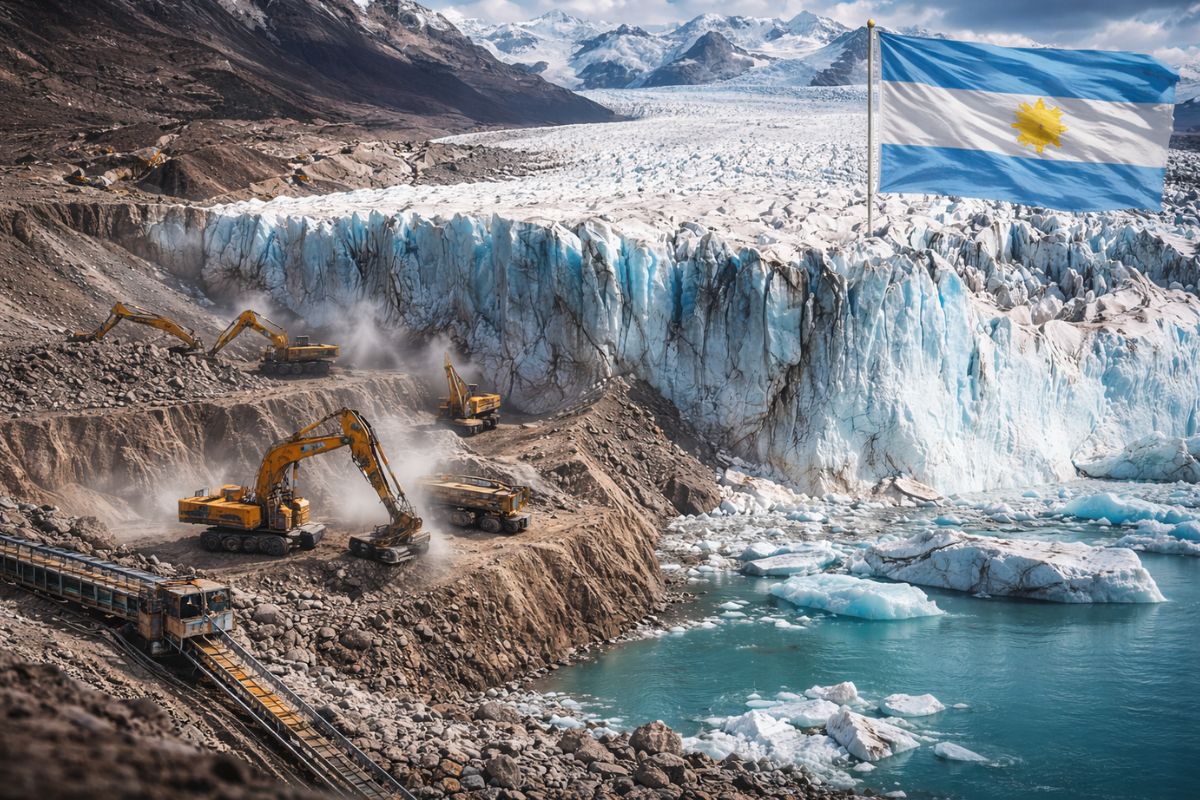
The Andes glaciers protected since 2010 by a law that prohibits industrial activities can now be explored after the Argentine Chamber approves reform allowing provinces to set their own protection standards, opening the way for mining companies like Glencore and BHP to extract copper and lithium near water reserves.
The Argentine Chamber of Deputies approved this Thursday (9) a reform that allows mining in regions near glaciers in the Andes, a change driven by the government of Javier Milei that, according to environmentalists and scientists, could weaken environmental protections that have existed since 2010. The reform was approved by 137 votes in favor, 111 against, and 3 abstentions, and allows provinces to set their own protection standards for glaciers and periglacial zones, which in practice could pave the way for mining projects in areas that have so far been untouched.
What is at stake is enormous. The 2010 law protected nearly 17,000 ice masses in the Andes, covering an area of 8,484 km² of essential freshwater reserves for communities, agriculture, and ecosystems throughout the region. Governors of mining provinces and companies in the sector argue that the reform clarifies rules for investments and could position Argentina as a global supplier of copper and lithium for the energy transition. But scientists and environmental groups accuse the government of sacrificing glaciers to attract foreign capital, putting profit above water.
What Milei’s reform changes for the Andes glaciers
According to information from the portal of CNN Brasil, since 2010, Argentina prohibits industrial and mining activities in glaciers and periglacial zones, areas of frozen soil surrounding ice formations.
-
Police, specialists, and Army teams have cordoned off a beach in England after the discovery of more than 150 World War II phosphorus grenades, which were set on fire and led to a security operation.
-
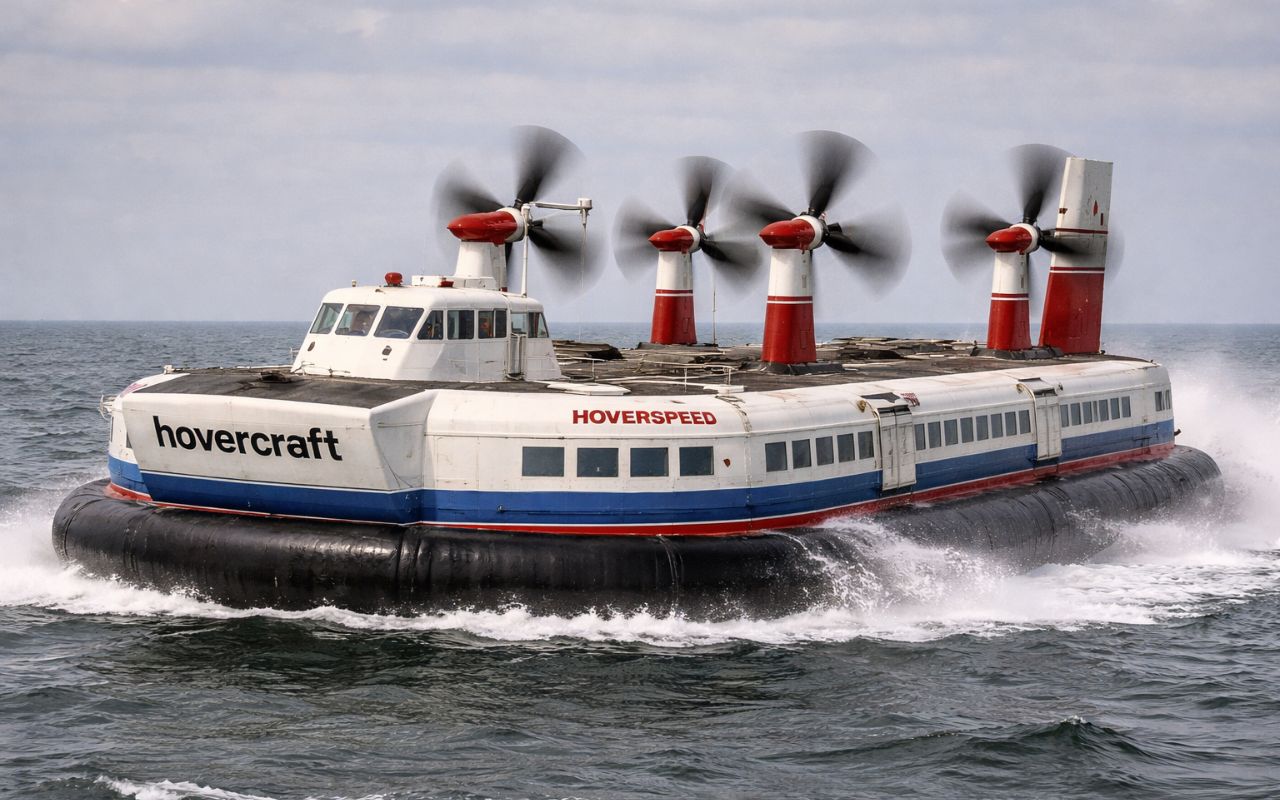
With air mattress technology, this giant vessel floated over the water and crossed the English Channel in half the time of ferries; meet the SR.N, the largest hovercraft in the world that transported cars and passengers at over 120 km/h.
-
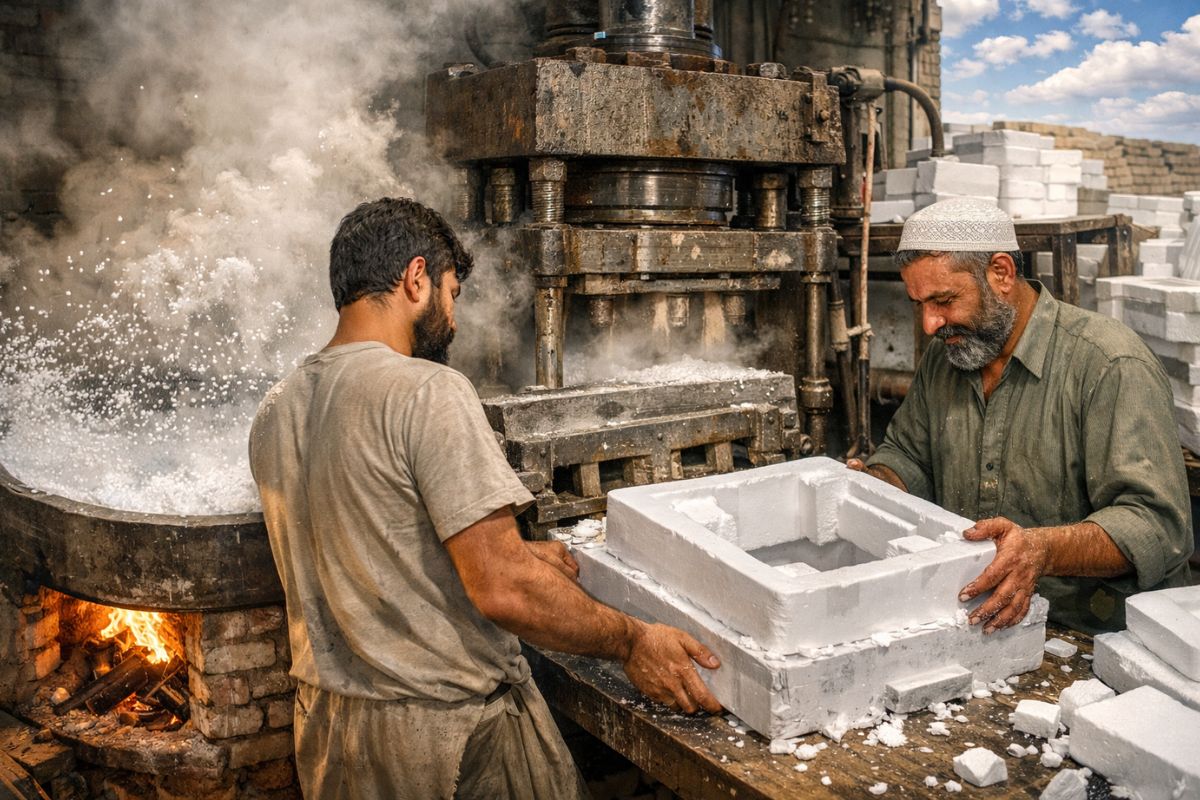
In Pakistan, men manufacture packaging foam as if it were the last century: a wood-fired oven generates steam, polystyrene beads expand, old hydraulic presses shape perfect pieces, and manual finishing determines the final quality.
-
The United Kingdom reveals a secret operation lasting over a month to prevent a Russian submarine from sabotaging underwater cables in the North Atlantic and sends a direct message to Putin stating that any attempt to damage the infrastructure will have serious consequences.

The approved reform does not directly revoke the law but transfers to the provinces the power to set their own protection criteria for glaciers.
In practice, this means that provinces with a strong interest in mining, such as San Juan, Catamarca, and Salta, can create more permissive regulations that allow operations near ice formations.
For environmentalists, it is a decentralization that disguises deregulation. If each province sets its own standards, the Andes glaciers that cross borders between jurisdictions become subject to different rules on each side—a situation that could create legal loopholes for projects that would be blocked under federal legislation.
The University of Buenos Aires expressed concern about the reform as early as February, advocating for “unified scientific criteria, backed by technical knowledge,” exactly the opposite of the fragmentation that the new law establishes.
Why copper and lithium are at the center of the dispute over the glaciers
Argentina has some of the largest lithium reserves in the world, the so-called “lithium triangle,” which it shares with Chile and Bolivia, and significant copper deposits in the Andes.
Both minerals are essential for the global energy transition: lithium is a key component of electric vehicle batteries, and copper is used in virtually all renewable energy infrastructure, from wind turbines to distribution networks.
The demand for these minerals is on an upward trajectory for decades.
The Milei government has already granted tax, exchange, and legal incentives to attract foreign mining companies, including firms like Glencore and BHP, two of the largest in the sector worldwide.
The glacier reform is the missing piece to unlock projects that were blocked by the 2010 law, particularly in high-altitude areas where ice formations and mineral deposits coexist.
The economic argument is that Argentina needs these investments to generate revenue, jobs, and position itself in the supply chain of the energy transition. The environmental argument is that no investment justifies destroying freshwater reserves that took millennia to form.
What scientists say about the risk to the glaciers and freshwater
Argentine scientists claim that the reform is motivated by economic and political interests, not by technical evidence. The Andes glaciers function as natural reservoirs of freshwater—they accumulate snow over centuries and gradually release it as meltwater, feeding rivers that supply millions of people and irrigate crops in arid and semi-arid regions.
When a mining activity disturbs a glacier or periglacial zone, the accumulation and release cycle can be irreversibly altered.
The concern is not hypothetical. Experiences in other regions of the world show that mining at high altitudes can accelerate glacier melting, contaminate groundwater, and alter drainage patterns that entire communities depend on to survive.
In Argentina, where the Patagonia border with Chile hosts some of the largest ice fields in the region, the potential impact is amplified by scale. There are 8,484 km² of protected glaciers, and the reform transfers the power to decide what to do with them to governors who have direct incentives to authorize mining.
The controversy over how the glacier reform was approved
The legislative process also generated controversy. Opposition lawmakers accused the government of censorship during public hearings, claiming that only 0.3% of the more than 100,000 registered individuals were allowed to express their opposition to the measures.
The disparity between the number of registrants and the number of people who were actually able to speak raises questions about the legitimacy of the consultation process—an aspect that could fuel legal challenges in the coming months.
Roberto Cacciola, president of the Argentine Mining Chamber, defended the reform with a phrase that summarizes the sector’s argument: “It’s not about choosing between the environment and development, but about reconciling both.”
For critics, however, reconciliation is rhetorical; in practice, the glacier reform gives mining provinces the power to decide where protection ends and extraction begins. The law comes into effect after publication in the Official Gazette, and the consequences for the Andes glaciers will be defined by the decisions each province makes in the coming years.
Do you think Argentina should open the glaciers to mining in the name of the energy transition or protect water reserves at any cost?







Seja o primeiro a reagir!