





 Portuguese
  English
  Spanish
  4 min of reading
  0 comments



For Decades, The United States Depended On China To Secure The Supply Of Rare Earth Elements Essential In Advanced Technologies. This Dependence Began To Change In November 2024, When Researchers From The University Of Texas At Austin Announced The Discovery Of Billions Of Dollars In Elements Hidden In Coal Ash Discarded Over Decades. The Finding Brought Hope For Mineral Independence And Opened Space For A New Geopolitical Race.
On November 19, 2024, the University of Texas at Austin released a study that captured global attention. Researchers revealed that coal ash accumulated in the U.S. hides a treasure estimated at US$ 8.4 billion in rare earth elements.
The data was published in the International Journal of Coal Science & Technology and was also detailed on the university’s official portal (news.utexas.edu).
This discovery could reduce America’s historical dependence on China, which accounts for about 70% of global rare earth exports. Most importantly, the minerals were found in materials that had already been produced, previously considered mere waste without value.
-
New semi-autonomous legged robot technology challenges the limitations of space exploration by operating almost without human intervention on the Moon.

-
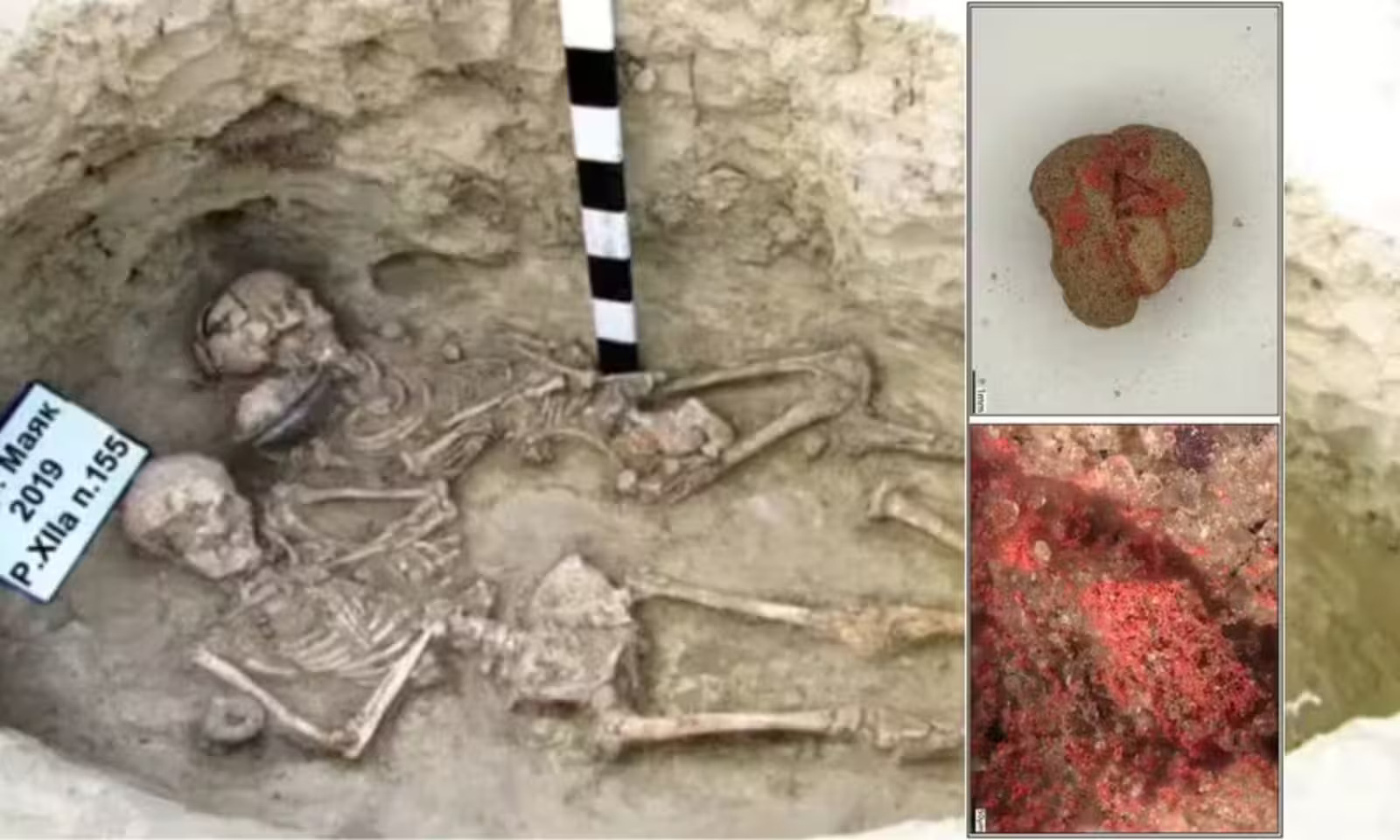
Super toxic red mineral found in the double burial of two women aged 1,900 years near the banks of the Dnieper River in Ukraine.
-
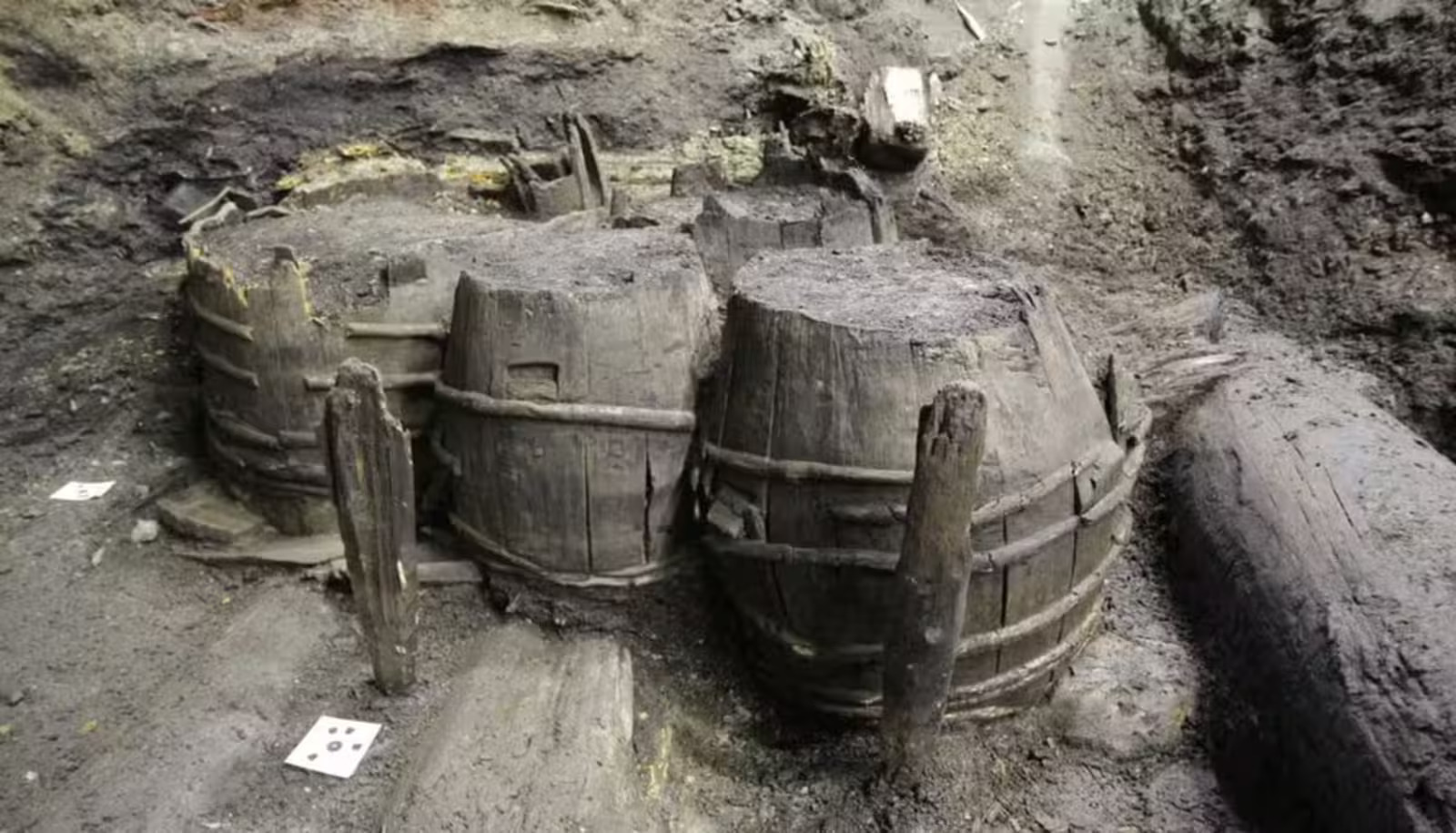
No one expected this under a common street: archaeologists find 3 intact oak barrels, buried about 400 years ago, with traces of lime and pieces related to 17th-century construction.
-
After decades of failed attempts, Brazil is once again looking to space with an orbital rocket measuring 12 meters, weighing 12 tons, costing R$ 189 million, and scheduled for launch in 2026, in a new race to finally achieve autonomous access to orbit.


How The Study Was Conducted
The researchers, led by Maria Reedy and Bridget Scanlon, analyzed coal waste generated between 1985 and 2021. The work gathered national data on coal ash discarded in landfills and industrial ponds.
According to the study, 70% of this byproduct — about 1.9 billion tons — can be recovered. Within this amount, there is potential to extract 11 million metric tons of rare earths. This number would multiply by eight the known reserves in the U.S.
Geoscientist E. William Reedy highlighted in the publication that this reuse transforms something seen as an environmental problem into a strategic and economic opportunity.
Mapped Regions: Appalachians And Powder River
The survey showed differences between the main coal-producing basins.
In the Appalachian Basin, in the eastern U.S., the average concentration was 431 mg/kg of rare earth elements. However, the estimated extraction rate was 30%. In contrast, the Powder River Basin, in Wyoming and Montana, showed a lower concentration of 264 mg/kg, but with an extraction rate above 70%.
Therefore, even with lower grades, the Powder River Basin may be more viable for large-scale production. The researchers emphasize that even more promising deposits may be identified in the future.
From Environmental Threat To Strategic Solution
Coal ash is a powdery waste produced by the burning of fossil fuels. It is estimated that the U.S. has accumulated 40 billion tons of this material in recent decades. For a long time, it was viewed only as an environmental risk due to its chemical toxicity.
The 2024 study changed this view. The waste can now be interpreted as a source of strategic elements. Furthermore, its use would reduce the environmental risks associated with storing ash. Most importantly, according to the report, sustainability and economy can go hand in hand.
Companies And Technical Challenges
Element USA, an American company operating in the mineral sector, is already seeking to develop technologies capable of turning this potential into reality. However, technical and economic challenges are significant.
According to the report from the Bureau of Economic Geology at the University of Texas (March 2025), processing costs are still high and require more efficient methods. Among the techniques under study are acid leaching and roasting, which could increase extraction yields.
Pilot projects are underway, but there is still no timeline for large-scale commercial operations. Scientists emphasize the need to balance economic viability and environmental safety for the initiative to be sustainable.
Geopolitical Impact Of The Discovery
The announcement in November 2024 resonated internationally because it could change the position of the United States in the rare earth market. Currently, China dominates global production and uses this advantage as a strategic and economic tool.
If Americans can capitalize on the 11 million tons identified, the country could reduce its external dependence and gain autonomy in sectors such as defense, technology, and clean energy.
Professor Bridget Scanlon, from the Bureau of Economic Geology, highlighted in an interview with the UT Austin portal that this research is the first national mapping of rare earth reserves in coal ash. According to her, the result “opens a totally new path for the United States.”
An Uncertain Future
Despite the optimism, experts remind us that the path is uncertain. Exploration depends on technological advances, private investment, and public policies to encourage it. Still, the study’s data show that the U.S. has within its territory a strategic resource capable of shaking global balance.
Most importantly, this resource does not require new mines, but rather the reuse of existing waste. From this change in perspective, an environmental liability can be transformed into an economic engine.
Therefore, the United States is at a decisive moment. The discovery announced in November 2024 could mark the beginning of the so-called American Rare Earth Era. If the potential is realized, coal ash could redefine the global geopolitics of strategic minerals.
All information in this article has been verified from official sources from the University of Texas at Austin (2024), the Bureau of Economic Geology (2025), and the scientific journal International Journal of Coal Science & Technology.







-

Uma pessoa reagiu a isso.