





 Portuguese
  English
  Spanish
 5 min of reading
  0 comments


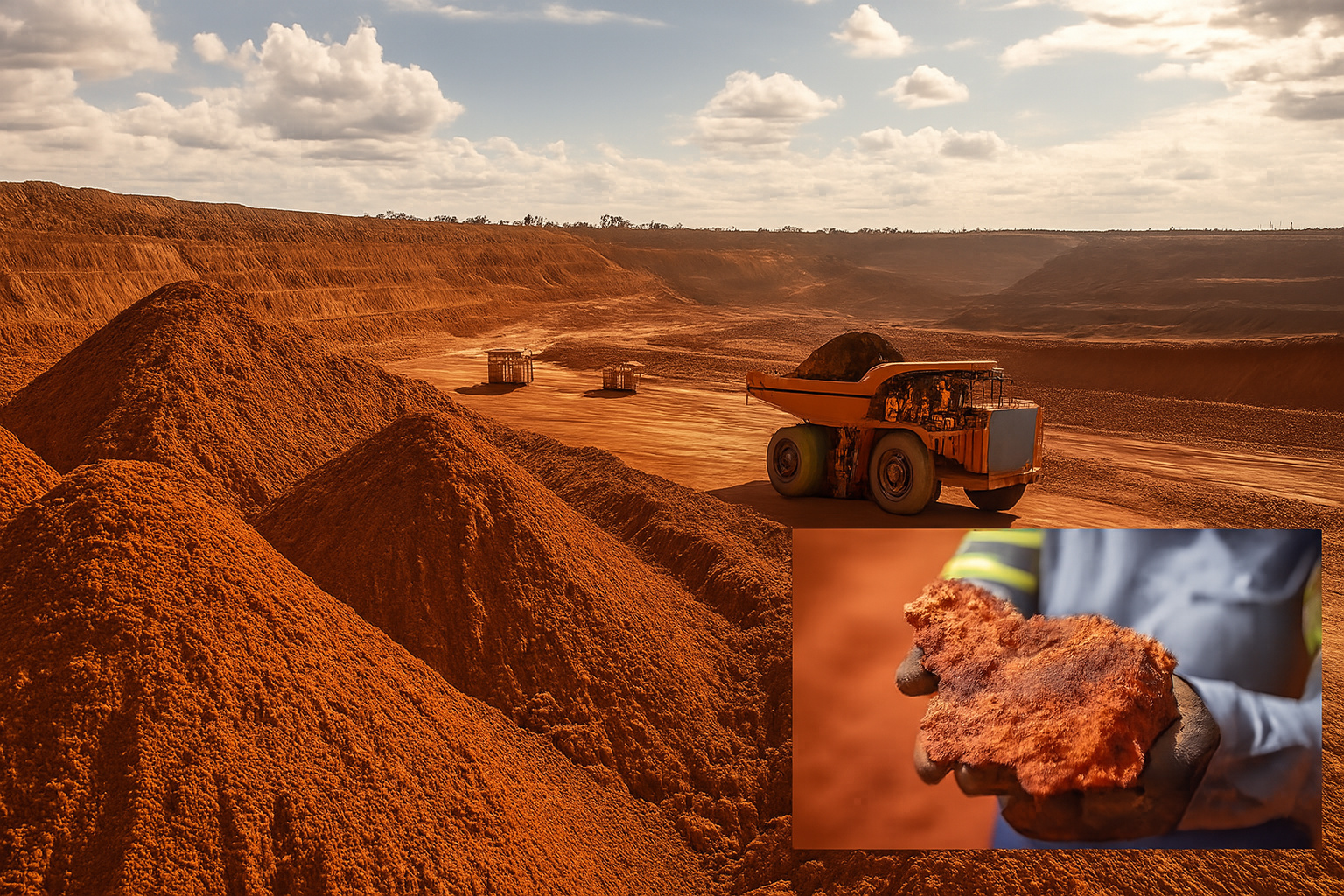
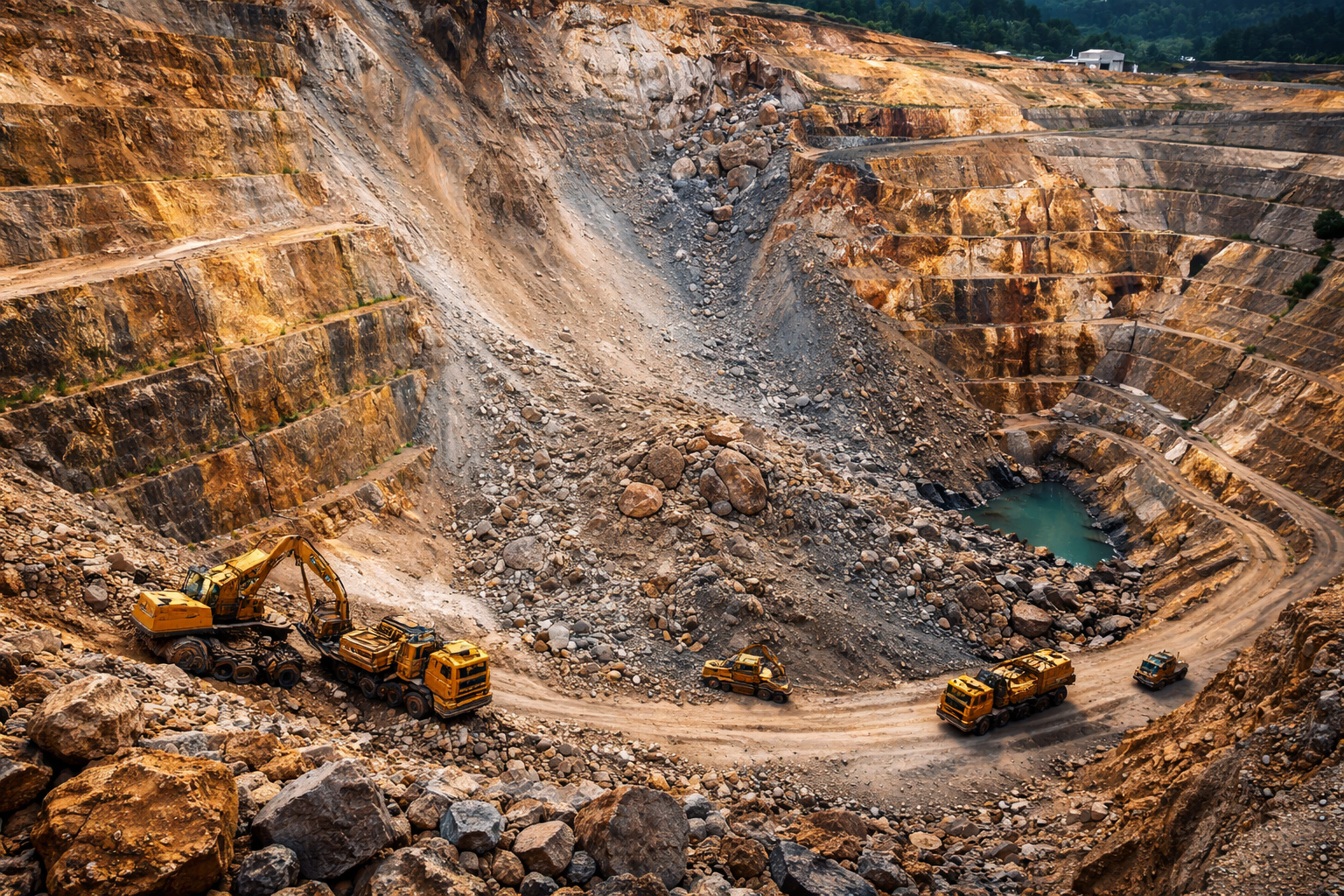
The Trombetas Mine, in Oriximiná (PA), Is the Largest Open-Pit Bauxite Deposit in the World, with an Annual Capacity of 30 Million Tons, Essential for Global Aluminum Production.
In the vastness of the Amazon rainforest, where nature intertwines with some of the largest mineral operations on the planet, lies one of the most strategic jewels of global mining: the Trombetas Mine, in the municipality of Oriximiná, in Pará.
Operated by MRN – Mineração Rio do Norte, the deposit is recognized as the largest open-pit bauxite mine in the world, responsible for transforming Brazil into one of the global leaders in the production of this essential mineral.
With an annual capacity that can reach 30 million tons, Trombetas supplies both the domestic market and large international industries, supporting the production chain of aluminum, present in everything: airplanes, cars, cans, electrical cables, smartphones, and even renewable energies.
-
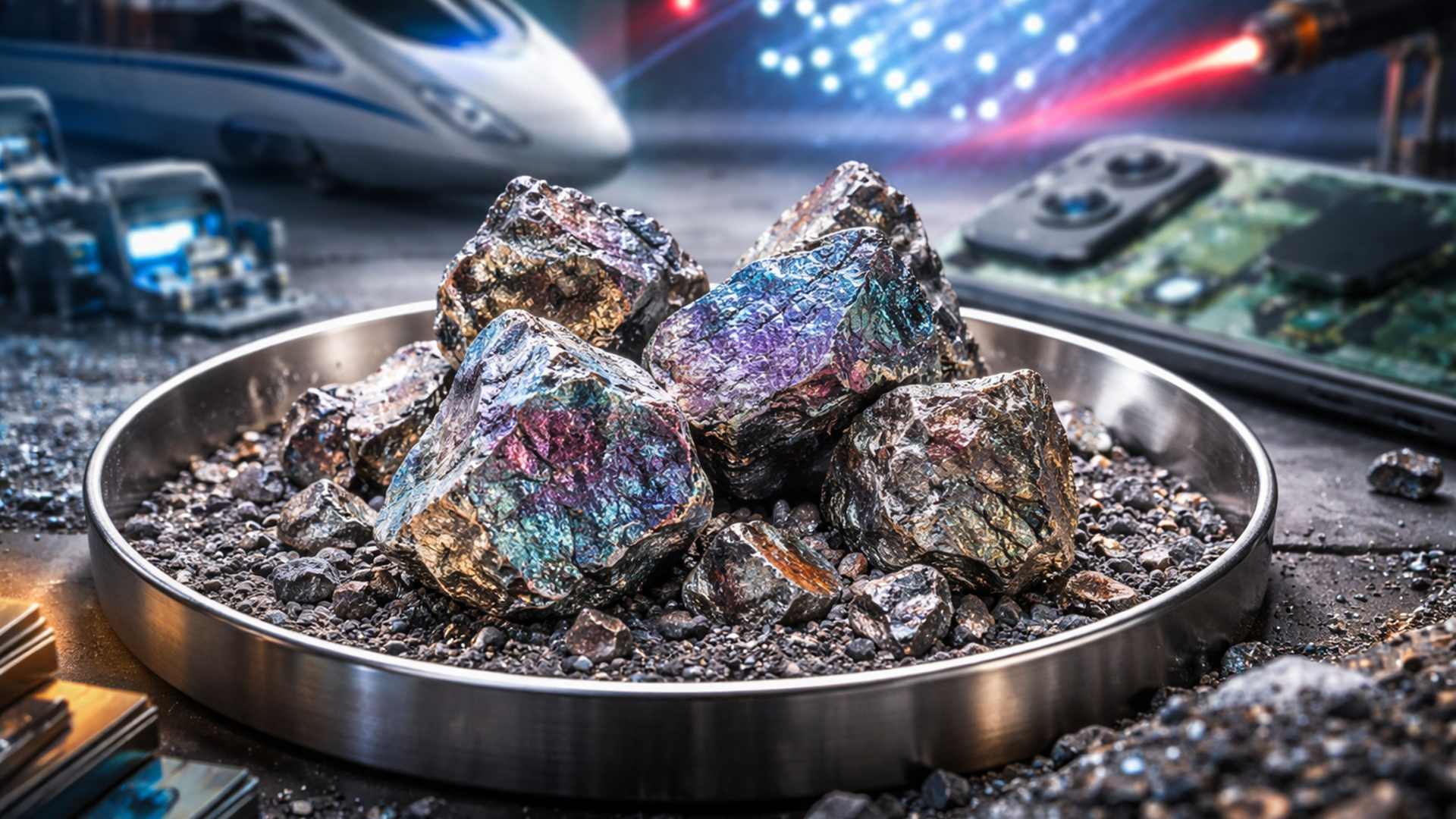
Rare earths are in everything, from cell phones to bullet trains, and what almost no one realizes is why they have become the target of such a delicate global war.
-
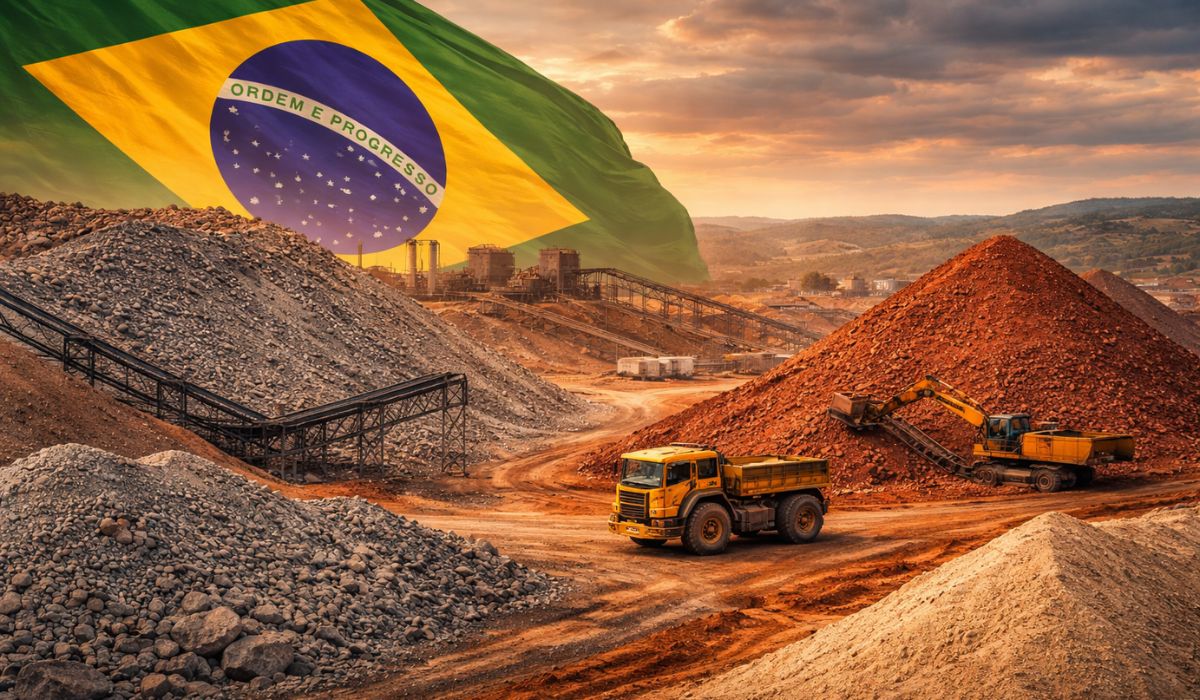
Brazil extracts 26.3 million tons of ore from what was previously treated as waste, transforming residues into wealth, producing over 3 million tons of sand, and demonstrating how national mining is relearning to generate value.
-
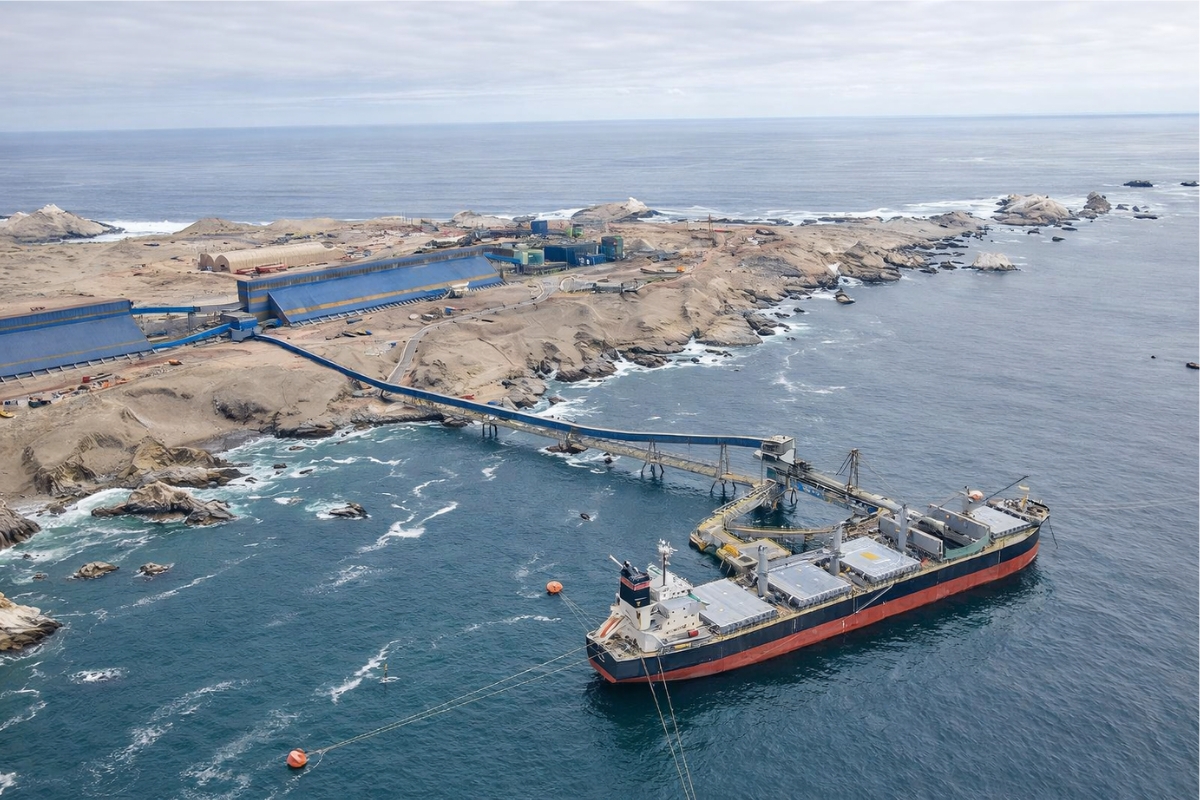
A $3.5 billion megaproject in Latin America pumps desalinated seawater at 1,050 liters per second over 194 km to keep a copper supermine in the Andes operational for another 20 years.
-
A hidden mine in the Andes valued at nearly R$ 1 trillion is starting to attract global attention, containing copper, gold, and silver, and raises an intriguing question: why do Argentina and Chile need to act together to exploit this gigantic wealth?

What Is Bauxite and Why Is It Strategic
Bauxite is the primary ore used in the production of aluminum. From it, alumina is extracted, which is subsequently reduced to metal through electrolysis.


This process transforms bauxite into one of the most strategic ores of the modern era. Aluminum is lightweight, strong, recyclable, and has applications ranging from airplanes and automobiles to solar panels, wind turbines, and power transmission cables.
Without bauxite, the global aluminum industry simply would not exist — and it is at this point that the Trombetas mine gains global relevance.
The Discovery and the Beginning of Exploration
The first research on the bauxite deposits in the Trombetas region dates back to the 1960s and 1970s when the Brazilian government began mapping the mineral potential of the Amazon.
With the finding that there was one of the largest known reserves in the world, Mineração Rio do Norte (MRN) was established in 1967, a company that would officially begin production in 1979.
Since then, MRN has established itself as a giant of national mining, with shareholding participation from Brazilian companies and multinational aluminum sector firms, forming one of the largest mining consortiums in the country.
Colossal Dimensions of the Trombetas Mine
The operation’s numbers impress by their scale:
- Location: municipality of Oriximiná, Pará, in the heart of the Amazon;
- Concession Area: over 1,800 km², part of which is dedicated to mining;
- Reserves: tens of millions of tons of high-grade bauxite;
- Annual Production: between 18 and 30 million tons, depending on global demand;
- Logistics: all production is shipped via the Vila do Conde (PA) port, after being transported by river along the Trombetas;
- Market: about 40% of the production supplies the domestic market, and 60% is exported.
This data positions Trombetas as one of the pillars of global mining and one of Brazil’s main strategic assets.
Economic Relevance for Brazil and the World
The bauxite from Trombetas has a direct impact on the Brazilian and international economies.
- Exports: the ore is sold to countries in Europe, North America, and Asia, feeding aluminum industries on a global scale;
- Domestic Market: Brazilian aluminum companies such as Albras and CBA (Companhia Brasileira de Alumínio) depend on MRN’s bauxite to maintain their operations;
- GDP and Tax Revenue: the mine generates thousands of direct and indirect jobs, as well as billions in taxes and mineral royalties for Pará and the Union.
This prominence makes Brazil one of the three largest global producers of bauxite, alongside Australia and Guinea.
Social and Environmental Impacts
An operation of this scale in the Amazon raises intense debates about social and environmental impacts.
- Local Communities: MRN operates in the region of Oriximiná, where riverine and quilombola communities live. There are social projects focused on education, health, and infrastructure, but there are also criticisms regarding the economic dependency created by mining.
- Environment: bauxite extraction requires deforestation of the topsoil layer. MRN develops <strong=reforestation and environmental recovery programs that have already restored thousands of hectares, but environmental NGOs warn about the challenges of preservation in such a sensitive region.
- Sustainable Logistics: transportation by barges along the Trombetas River is considered a less aggressive solution than road transportation, but it also poses risks of water pollution.
An Integrated Mining Model
One of the differentiators of the Trombetas Mine is the logistics integration. The process works in three main stages:
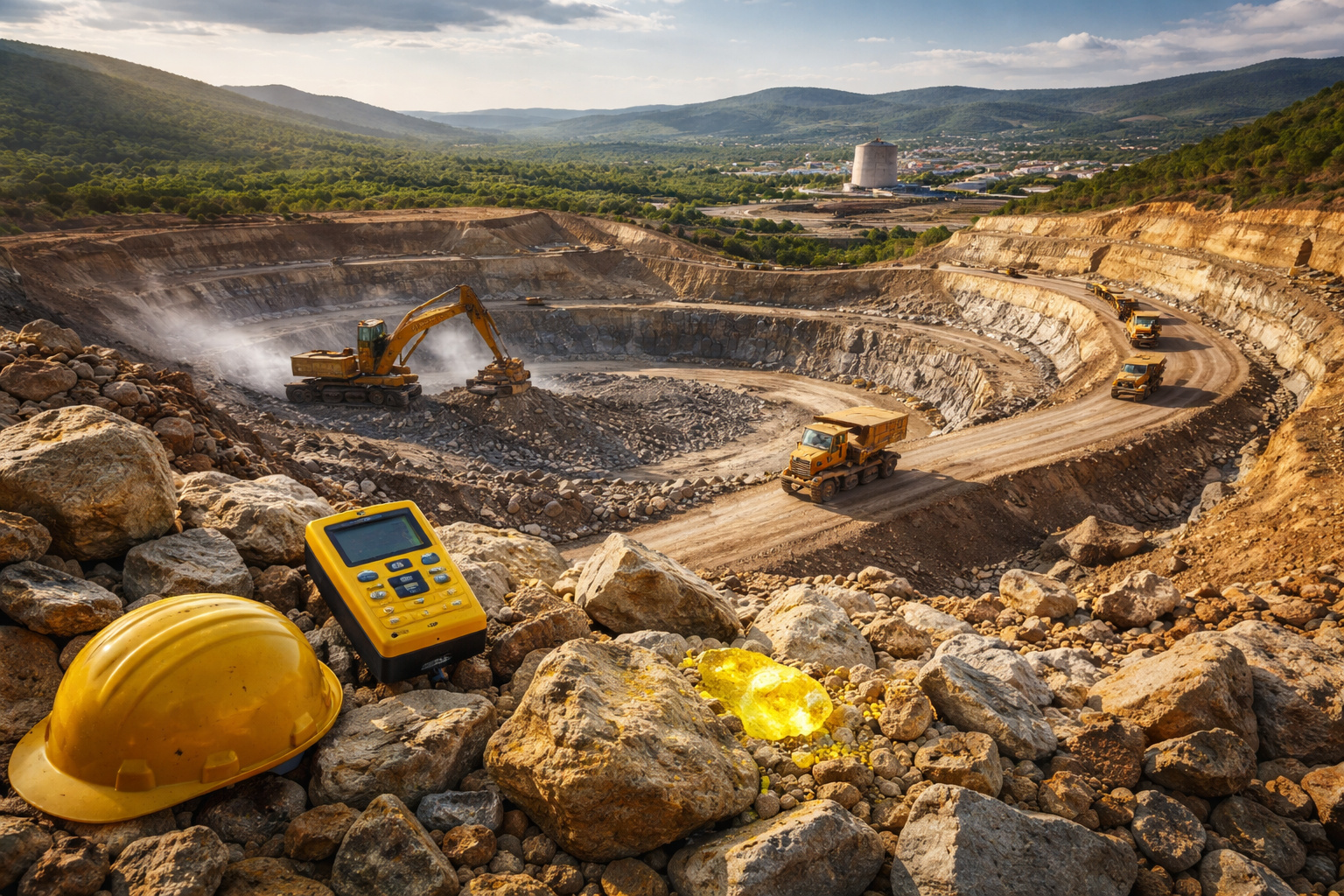
- Extraction: bauxite is extracted in open-pit cuts, using excavators and large trucks;
- Processing: the ore is crushed and washed to increase the alumina content;
- Transport: it is transported via conveyor belts to barges, which travel down the Trombetas River to the Vila do Conde port in Barcarena (PA).
This integrated logistics model reduces costs and ensures international competitiveness for aluminum produced with Brazilian raw materials.
Global Comparisons
When compared to the largest mines in the world, Trombetas occupies a prominent position.
- Australia (Weipa): the largest global operation, with production exceeding 35 million tons/year.
- Guinea (Sangaredi): massive African deposit, with growing exports.
- Brazil (Trombetas): largest open-pit mine on the planet, with a potential of 30 million tons/year.
This places Brazil on par with global mineral superpowers, showing that the Amazon is not only a biome but also a source of strategic resources.
The Future of Mining in Trombetas
Nearly half a century after the start of operations, the Trombetas Mine remains fully active. The expectation is that the reserves will sustain decades of production, but the challenge is to balance economic exploration and environmental sustainability.
MRN has invested in new extraction technologies, tailings management, and forest recovery. At the same time, international pressures regarding Amazon preservation place mining under constant scrutiny.
A Strategic Jewel of Brazil
The Trombetas Mine is not only the largest open-pit bauxite mine in the world: it is a key piece of the global aluminum industry and an example of Brazil’s mineral strength.
With its gigantic numbers, it shows how Brazil plays a central role in the global economy and how the Amazon, besides being the planet’s lungs, is also a storehouse of strategic wealth that needs to be managed responsibly.
Just as Itaipu represents the grandeur of Brazilian energy and Carajás symbolizes the strength of iron, Trombetas is the symbol of aluminum: a mineral colossus hidden in the forest, connecting the Amazon to the whole world.







-

Uma pessoa reagiu a isso.