





 Portuguese
  English
  Spanish
  3 min of reading


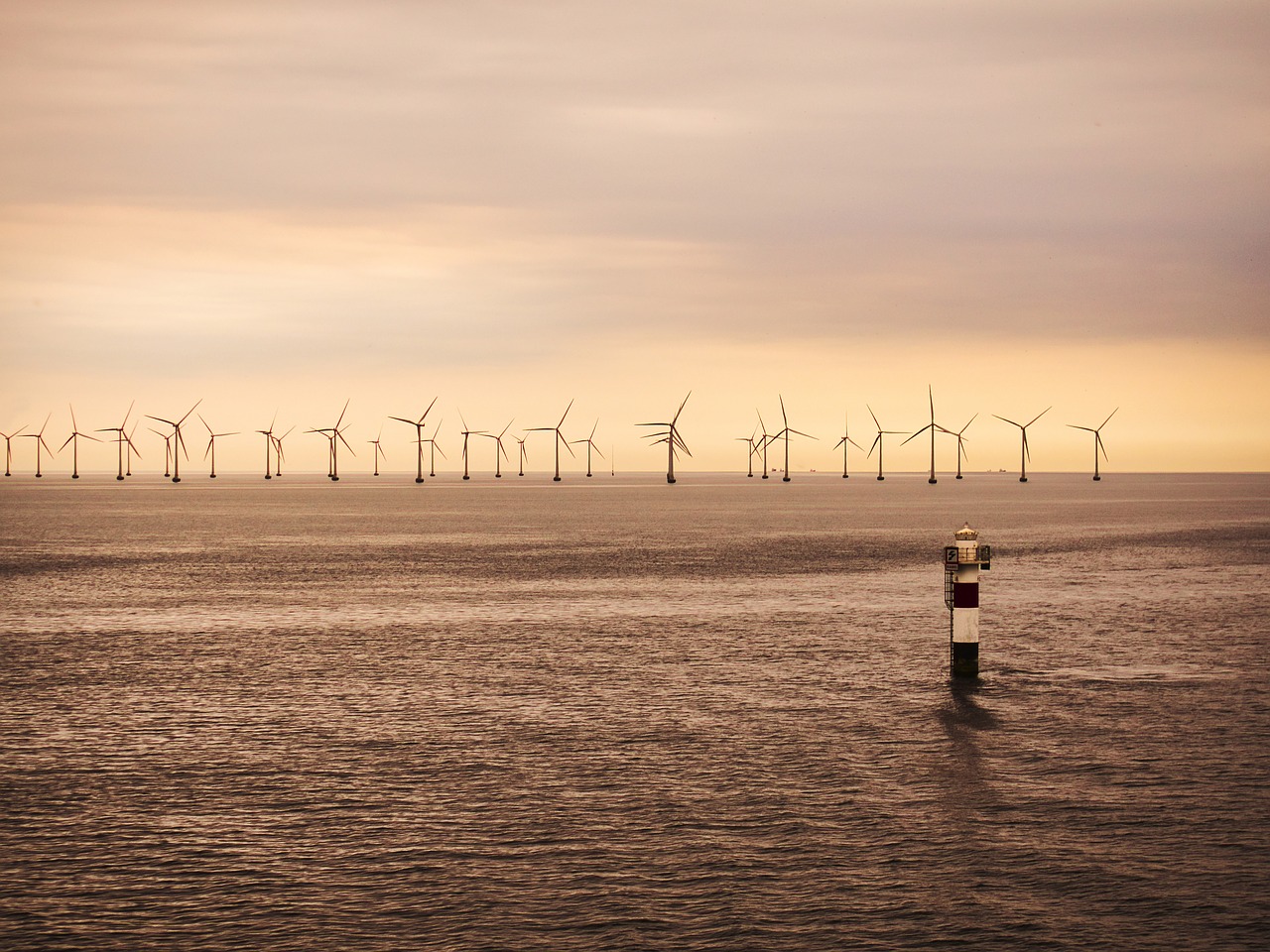
Joaquim Leite Argues That Brazil Has Great Potential in Offshore Wind Energy Production, One of the Cheapest in the World
The Minister of Environment, Joaquim Leite, discussed, in an interview with CNN, the investment opportunities in sustainable technologies for energy generation in Brazil – since the country has great renewable potential. According to him, the country has great potential in offshore wind energy production (at sea), due to its natural characteristics of having a coastline with constant winds but without major storms. Thus, Brazil has the opportunity to generate a 100% clean energy source, which is also one of the cheapest in the world.
Joaquim also highlights that this energy can be transformed into hydrogen – the fuel of the future – and, therefore, exported to countries like Germany, which needs to replace its energy source.
According to the minister’s assessment, investment in the area will reduce energy generation costs in Brazil. He states that the country already has a record of 21 gigawatts of onshore wind energy, and, regarding solar energy, 14 gigawatts. According to Leite, solar is a great example of energy production in a decentralized manner, where costs are reduced.
-
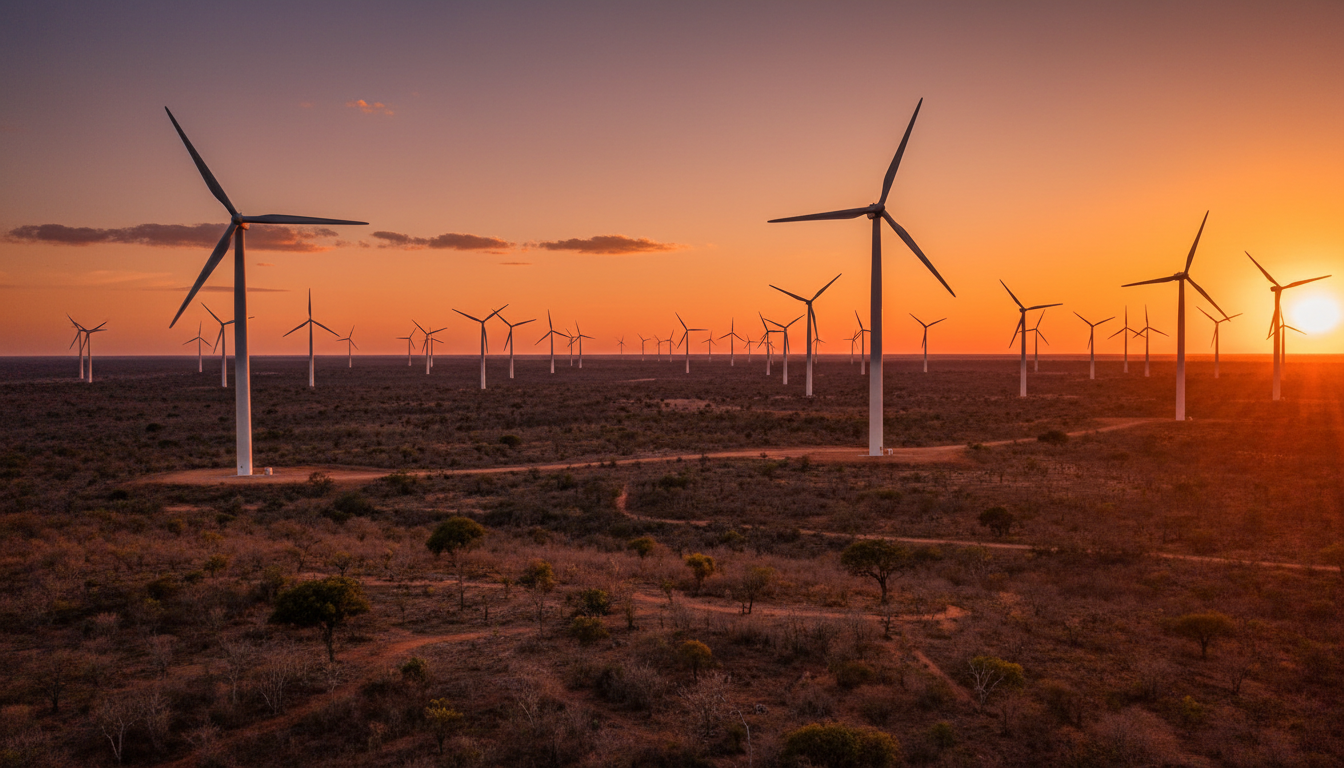
The Brazilian Northeast is receiving the largest wave of investments in clean energy ever seen in the country, with R$ 200 billion in wind and solar, 9,000 km of transmission lines, and a promise that could change the economy of 60 million people.
-
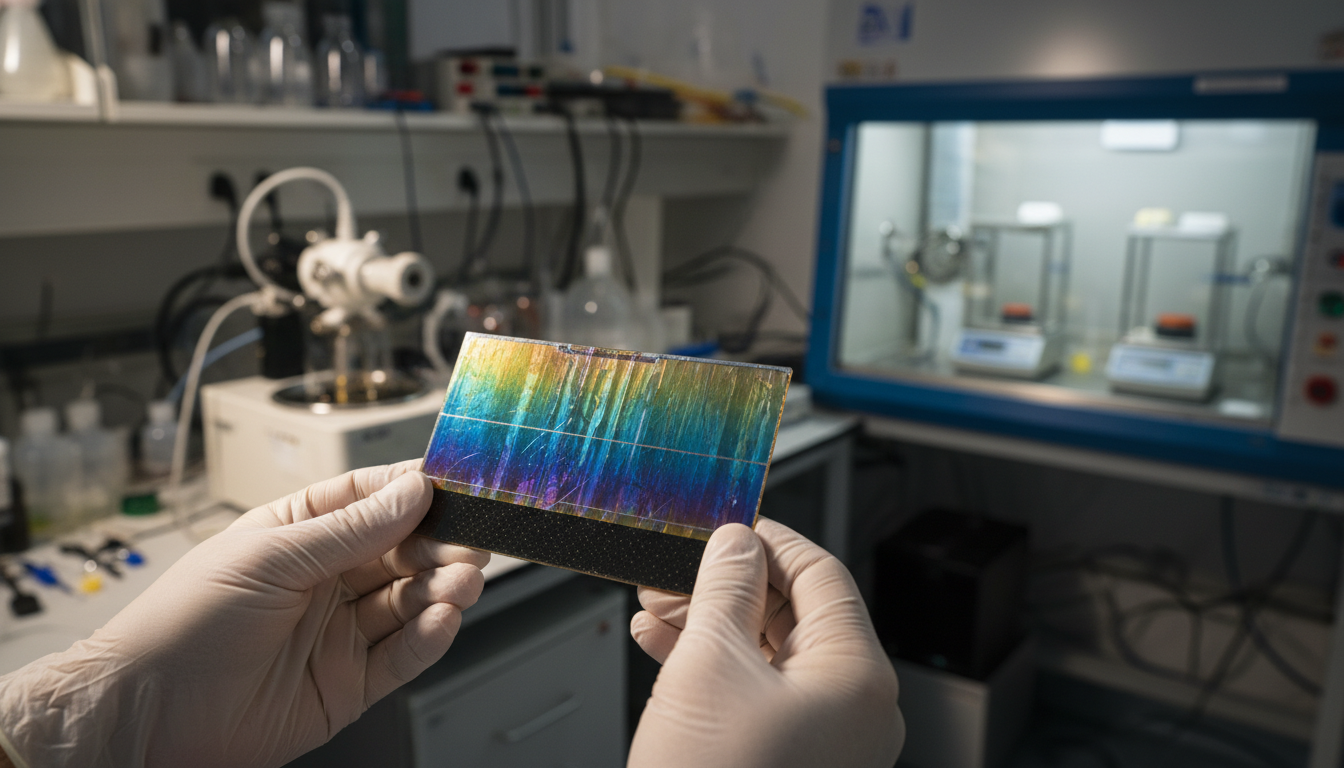
Chinese company creates solar cell that breaks the physical limit of silicon with 34.85% efficiency and promises to revolutionize electricity bills with panels that generate 20% more energy starting in 2026.
-
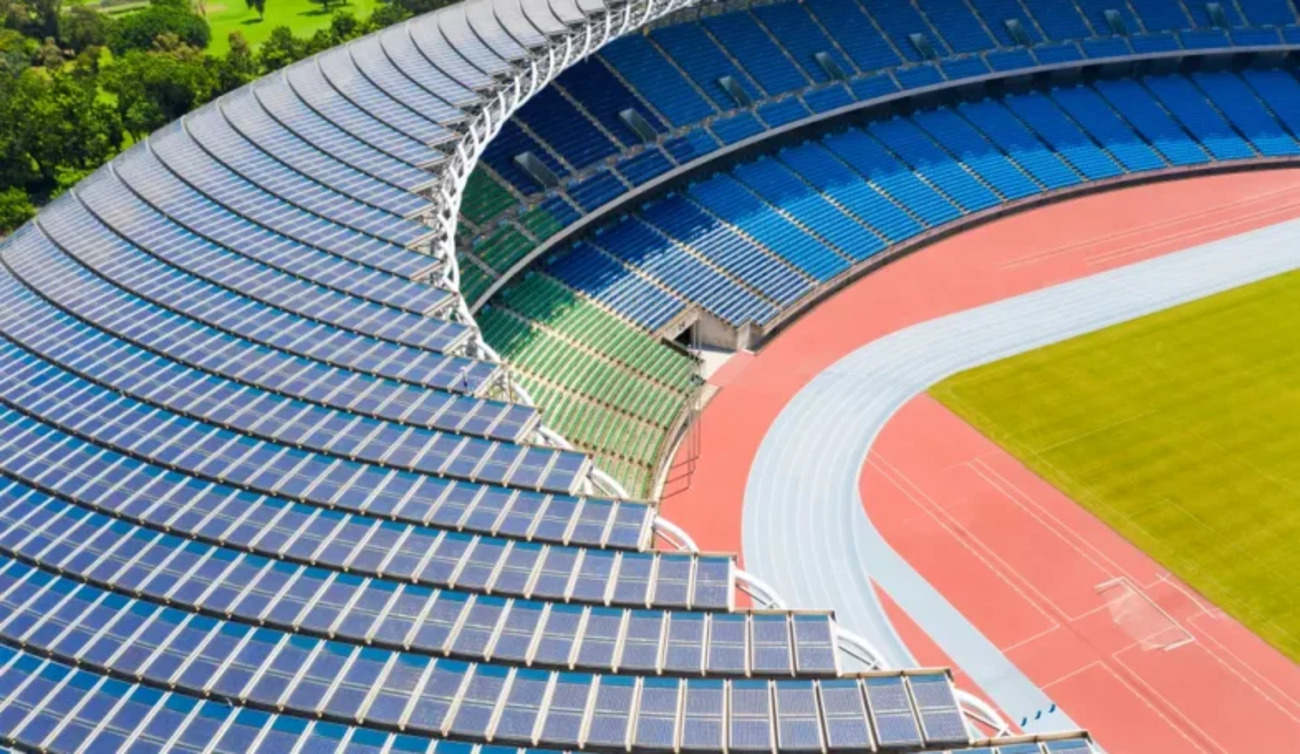
How green infrastructure and renewable energy at the World Cup transform the logistics of the largest sporting event on the planet in North America.
-
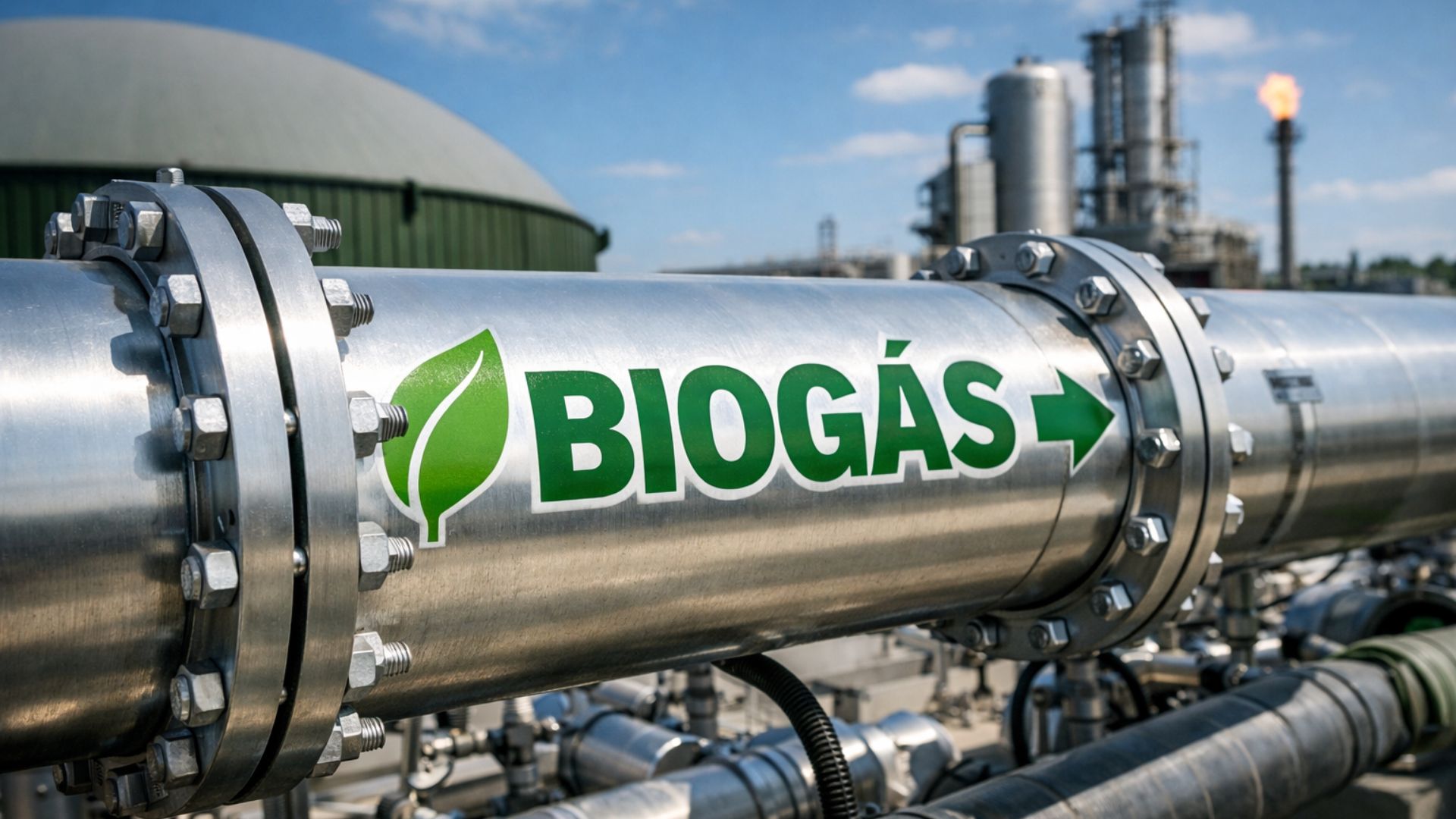
The Cagece and UFC project advances in sustainable innovation with biogas by converting waste into renewable energy, reducing environmental impacts, and increasing sanitation efficiency with concrete and measurable results.
Furthermore, he added that the sought-after energy solutions should be profitable while also being environmentally friendly. With green hydrogen, it is possible to use a 100% clean fuel; however, according to the minister, it must also be cheaper than fossil fuel to be profitable for entrepreneurs, individuals, and nature. For him, this is the right way to create a new global green economy, emission neutral by 2050.
Finally, Joaquim emphasized the need for acceleration in this area, as, with the rise of a new global green economy, people’s quality of life will be transformed by reducing costs for the population.
What is Green Hydrogen?
Hydrogen gas has great energy potential, being used in sectors where decarbonization does not rely on other renewable energy sources, such as wind and solar energy. However, currently, the gas is still produced using non-renewable and polluting energy sources.
From this perspective, there is the possibility of increasing the use of renewable sources for this production, thus generating what is called green hydrogen. It has utility in various distinct areas, from transport to industry, being considered the “energy of the future.”
According to experts, the high cost still hinders its dissemination; however, in the coming years, this scenario is expected to change, with Brazil having excellent conditions to benefit from the new trend.
Although hydrogen is the most abundant chemical element in nature, it is also one of the most reactive. Thus, it is rare to find it alone, as it normally forms part of the components of other substances, such as various gases and water.
For the formation of green hydrogen, water molecules are separated through a process called electrolysis, which consists of passing an electric current through the water, responsible for separating hydrogen and oxygen atoms. Thus, two different gases are generated.
Among the advantages of green hydrogen, it can be mentioned that it is not intermittent or dependent on weather, like wind, solar, and hydropower sources. Moreover, it can be utilized in sectors where the application of other renewable energies would not be sufficient to meet all emission reduction needs, as well as in its production, surplus generated by other sources, which have no use, can be utilized.
About Offshore Wind Energy
Offshore wind energy is produced by harnessing the wind power that blows over the ocean, where it can reach higher and more constant speeds, thanks to the absence of barriers. It is a clean and renewable energy source.
Offshore wind farms are installed in relatively shallow waters, located away from the coast. To fully explore this resource, mega structures are built on the seabed, equipped with the latest technical innovations.
Although offshore wind energy is more common in Europe and Asia, it is beginning to be developed in Brazil, with requests for authorization for offshore wind farms and a federal government decree allowing this type of operation.







Seja o primeiro a reagir!