





 Portuguese
  English
  Spanish
  3 min of reading


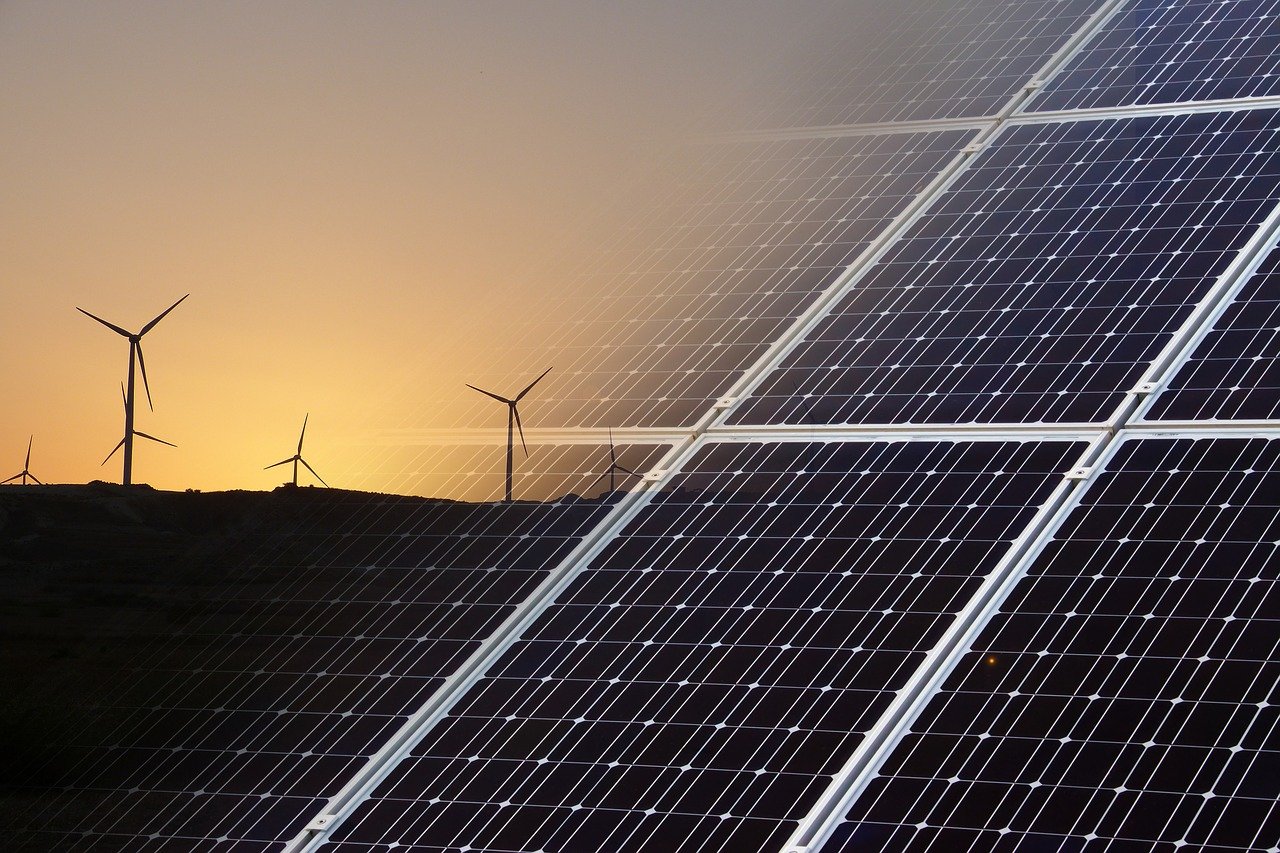
Brazil May Be Responsible for Half of Growth in Renewable Energy Sector in the Next Decade
According to the assessment by the global CEO of Enel, Francesco Starace, Brazil could become a global powerhouse in clean sources during the next decade. For the executive, the country does not currently represent its full potential, but in the next decade, it could be responsible for half of the growth in renewable energy.
Brazil has various clean energy projects underway, as well as those estimated for the future, covering wind and solar generation, in addition to other sources. Enel itself, for example, has 40% of its growth in renewable energy attributed to projects activated in the country.
Unlike other nations that are being hindered by the depletion of their physical spaces for renewable initiatives, Brazil has a large area available for the installation of more projects in this field, thanks to its geographical size.
-
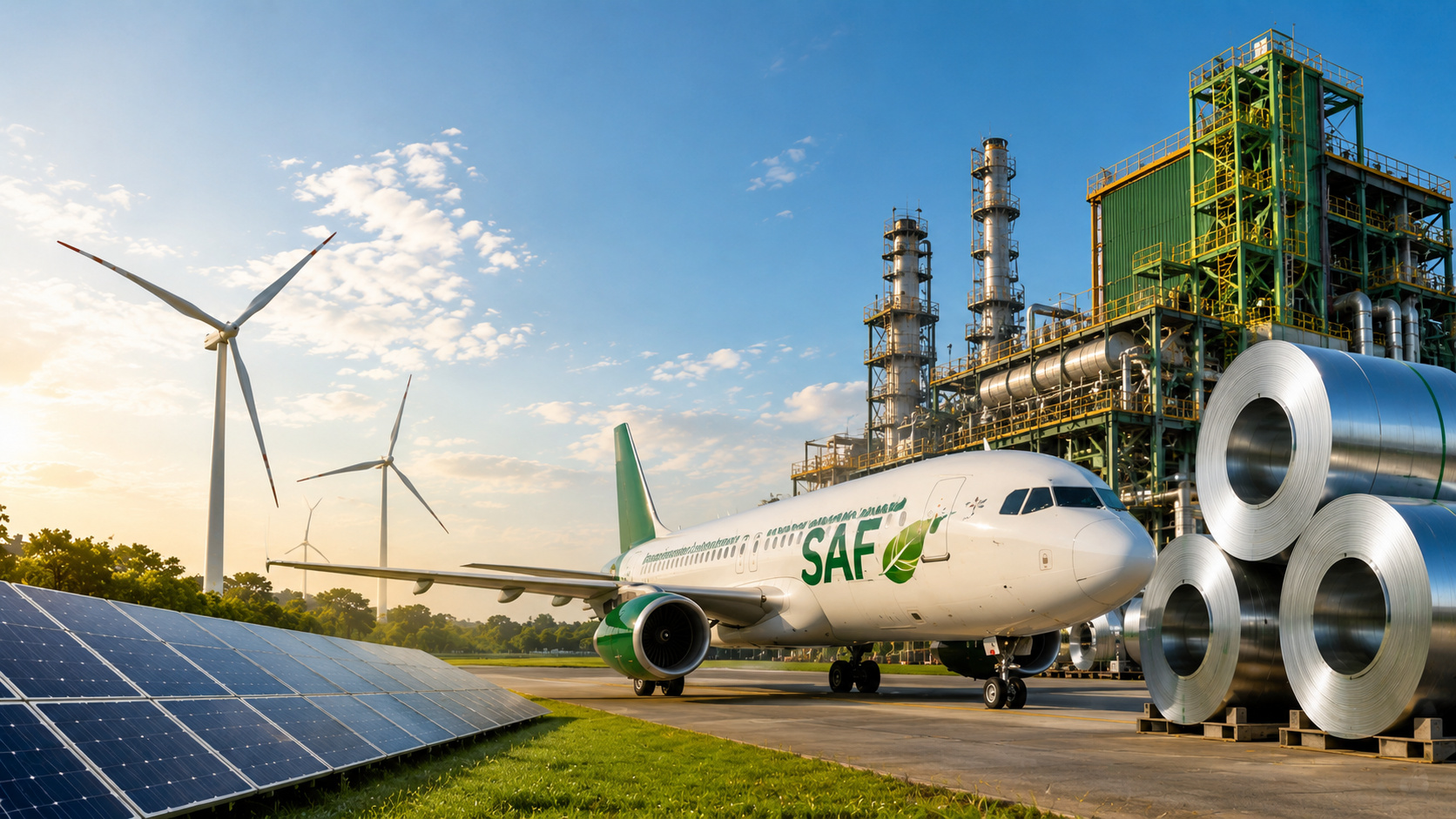
Study by Global Project Tracker reveals: While major economies compete for climate leadership, Brazil gathers a potential of US$ 306 billion in sustainable industrial projects and advances in the production of SAF and green aluminum, attracting international capital and strengthening its global strategic position.

-
Brazil may fall behind, and irreversibly so, in the global technological race involving the implementation of Data Centers and investments in Artificial Intelligence (AI). Much smaller but more agile economies, such as those of Argentina and Paraguay, have taken the lead.

-
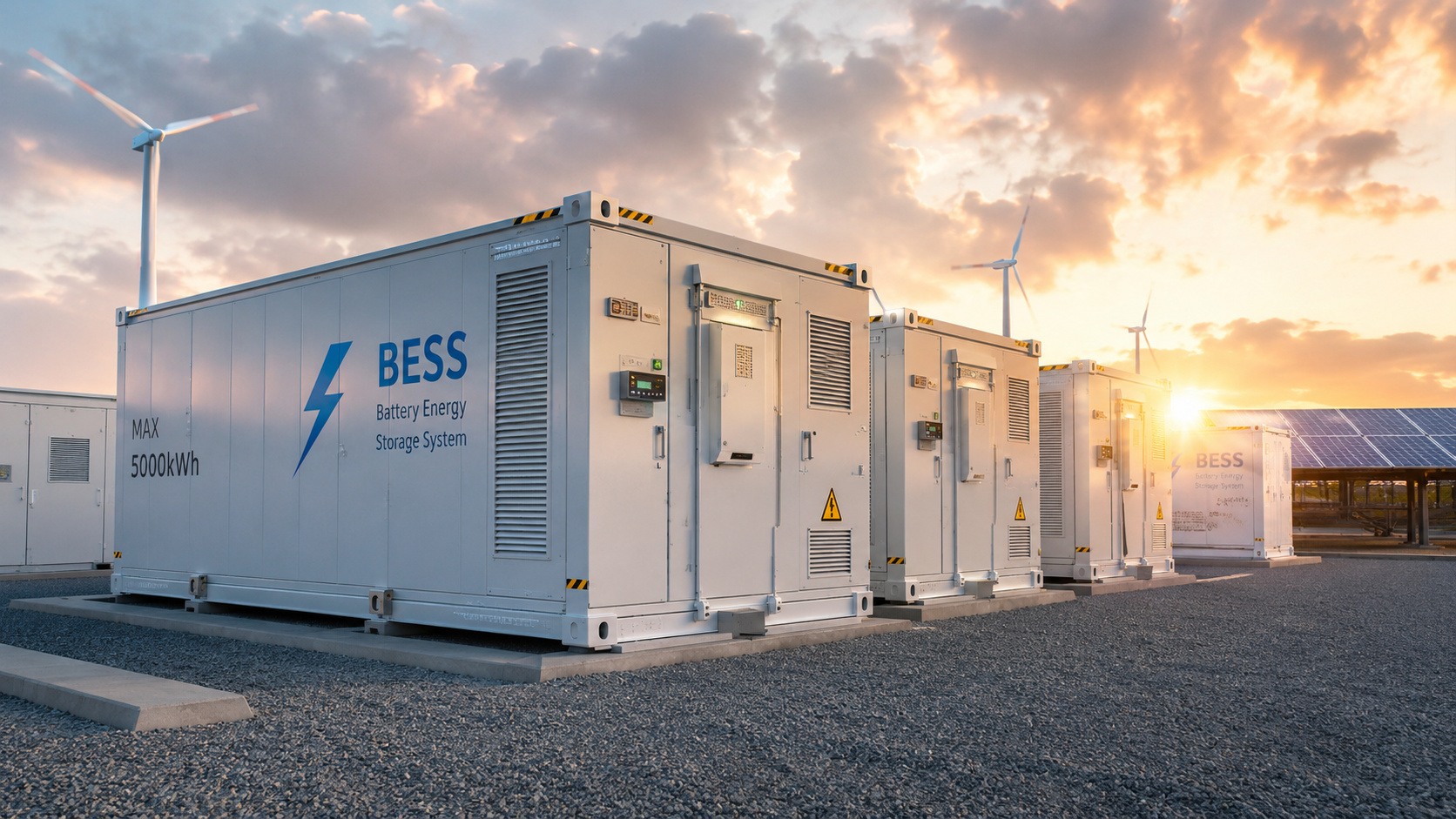
Brazil is generating so much clean energy that the ONS had to implement an unprecedented emergency plan to contain the solar and wind surplus in the grid.

-
USA covers canal with 2,556 solar panels and transforms irrigation into a clean power plant in the middle of a drought-stricken region



Brazil Offers Over 1 Million Jobs Related to the Renewable Energy Sector
According to data released by the International Renewable Energy Agency (IRENA), Brazil has over 1 million jobs in renewable energy, making it one of the largest job generators in this sector worldwide. The data also shows that opportunities are continually increasing, confirming the strong work being done by the country in this area.
Trailing only behind China, Brazil has been offering jobs in sectors related to biofuels, hydropower, wind energy, and solar energy, in addition to biomass and biogas. Since 2018, the country has held the largest volume of jobs in renewable energy across all of Latin America.
Brazil Ranks 9th in EY Consulting’s Renewable Energy Investment Attractiveness Index
The Brazilian growth in renewable sources is also recognized by EY Consulting. At the beginning of 2020, Brazil moved up 3 positions in the EY Renewable Energy Country Attractiveness Index (RECAI), moving from 19th to 16th place. Today, the country ranks 9th, which can be viewed as yet another demonstration of its development in the renewable energy sector.
The EY Consulting ranking classifies the 40 largest markets in the world based on the level of attractiveness for renewable energy investments and their deployment opportunities, which are an essential part of the energy transition.
The Climate Scorecard, a non-governmental organization that analyzes global climate change, also highlights the country’s potential. The organization emphasizes that the energy sector in Brazil supplies 97% of reliable electricity to households in the country, with the electrical grid consisting of nearly 80% renewable sources.
The NGO further states that when evaluating Brazil’s energy profile over the past decades, it is evident that a significant portion of its renewable resources comes from biofuels and hydropower plants. Considering that renewable sources account for nearly 45% of Brazil’s primary energy demand, they contribute to making its energy sector one of the least carbon-intensive in the world.
About Renewable Sources
Renewable energy is that obtained from sources that regenerate spontaneously or through appropriate human intervention. Among the main renewable sources are: solar; wind; hydropower; and biomass, among others.
In Brazil, the main renewable source is hydropower, accounting for more than 60% of the country’s electrical matrix. This is followed by wind energy, with a share of 9%, biomass and biogas, which also represent about 9%, and centralized solar energy, with a 1% share.






Be the first to react!