Portuguese
  Spanish


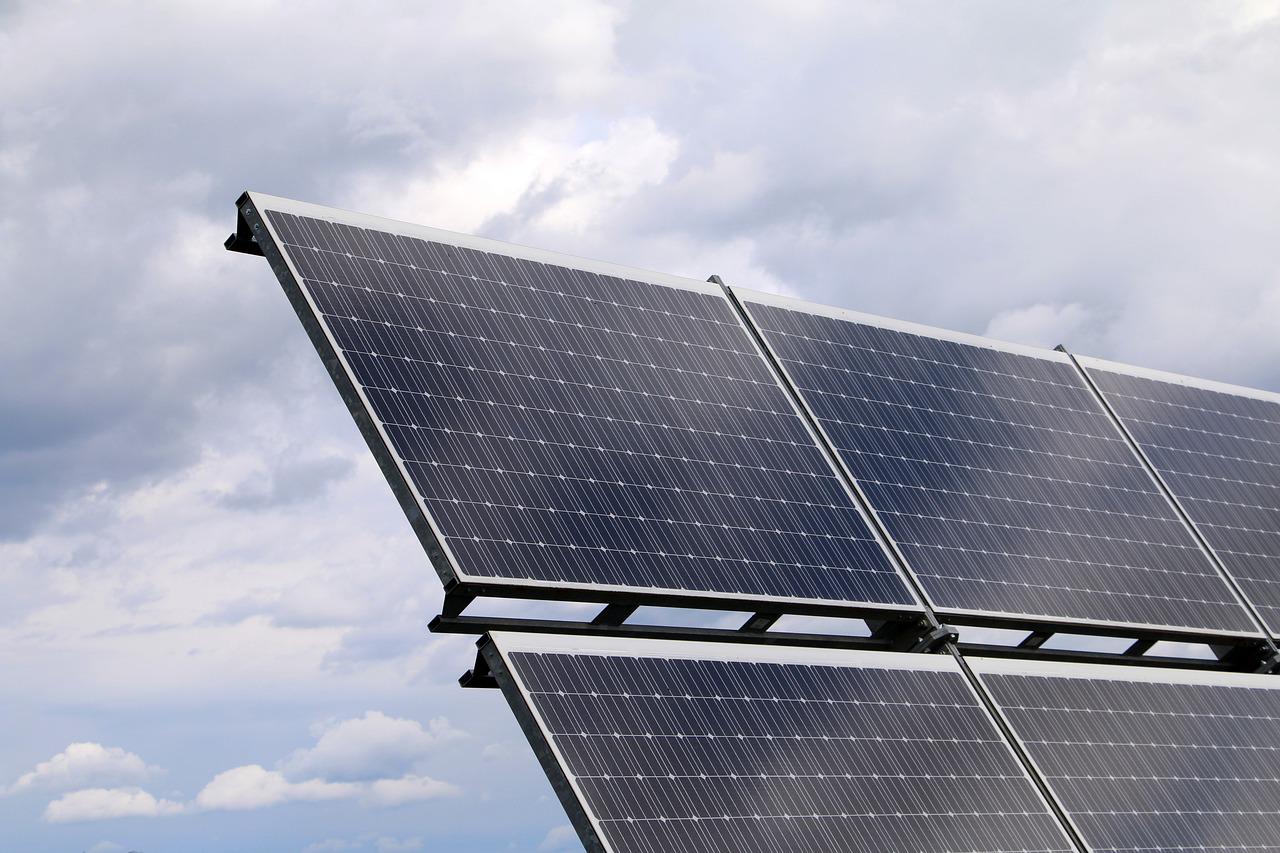

Solar Energy in Brazil Has Already Exceeded the Installed Capacity of Oil Thermal Plants and Is Approaching Biomass Power Plants
Exactly sixty days after reaching 15 gigawatts (GW), Brazil has just surpassed a new historical milestone, reaching 16 GW of installed capacity of solar photovoltaics, complementing large power plants and self-generation sets of electricity on roofs, facades, and small plots of land.
According to ABSOLAR, solar energy has already directed more than R$ 86.2 billion in new investments to Brazil, about R$ 22.8 billion in revenue to public coffers, and has created over 479.8 thousand jobs since 2012. Additionally, solar energy has also prevented the emission of 23.6 million tons of CO2 in electricity generation.
In the opinion of ABSOLAR CEO Rodrigo Sauaia, the rise of solar energy in the country, through large power plants and self-generation in homes, small businesses, rural properties, and public buildings, is essential for Brazil’s social, economic, and environmental development.
-
Brazilian scientists are simultaneously advancing two research projects on clean hydrogen and driving solutions that could transform the energy matrix, enhance industrial competitiveness, and accelerate large-scale emission reduction targets.

-
Advancement in renewable energy: A R$ 150 million project launched by Petrobras and Finep aims to create state-of-the-art electrolyzers for green hydrogen, strengthening national research and preparing Brazil to compete in a billion-dollar energy market.
-
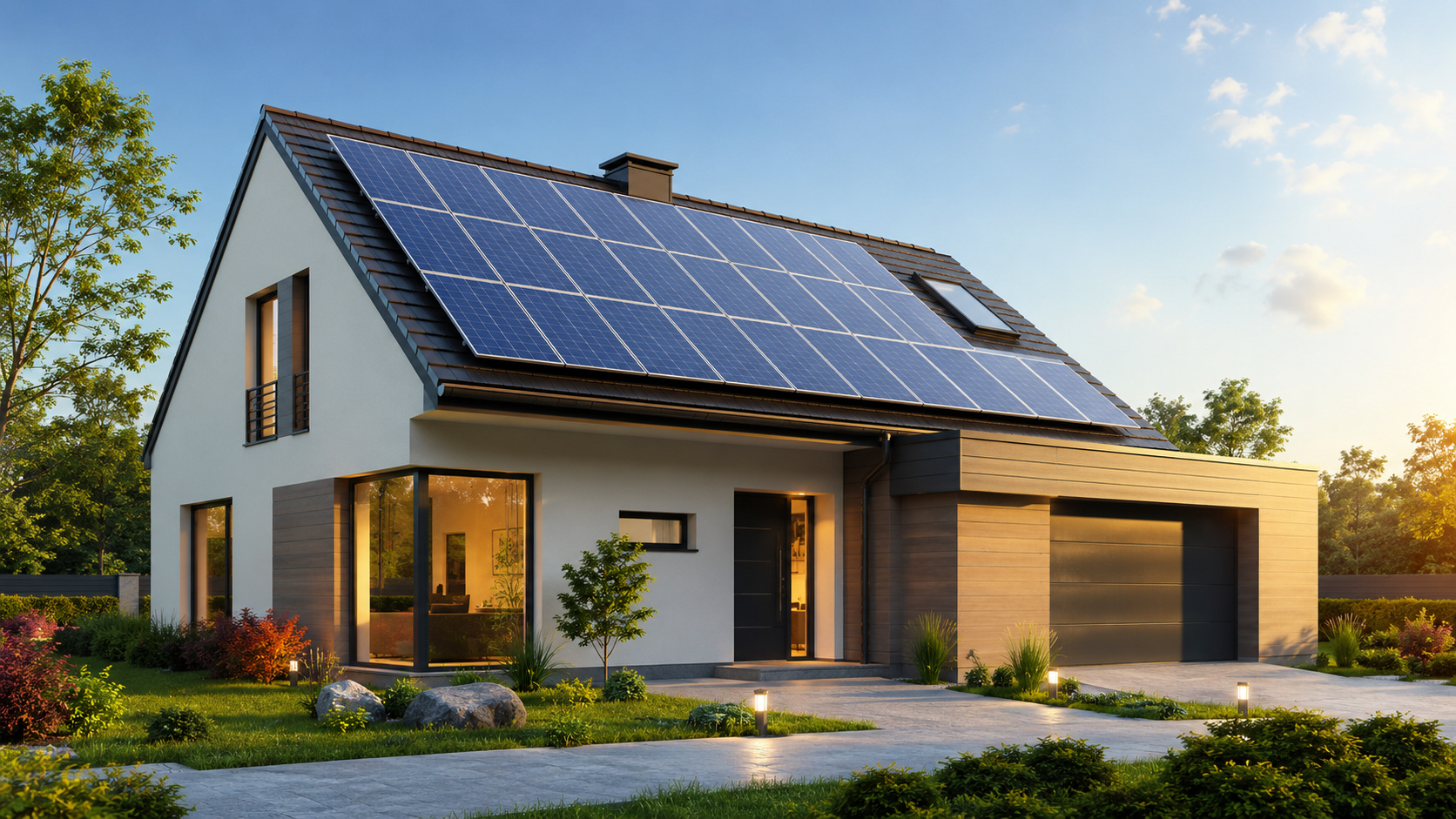
Solar energy can increase property value by up to 10% and become a selling point.
-
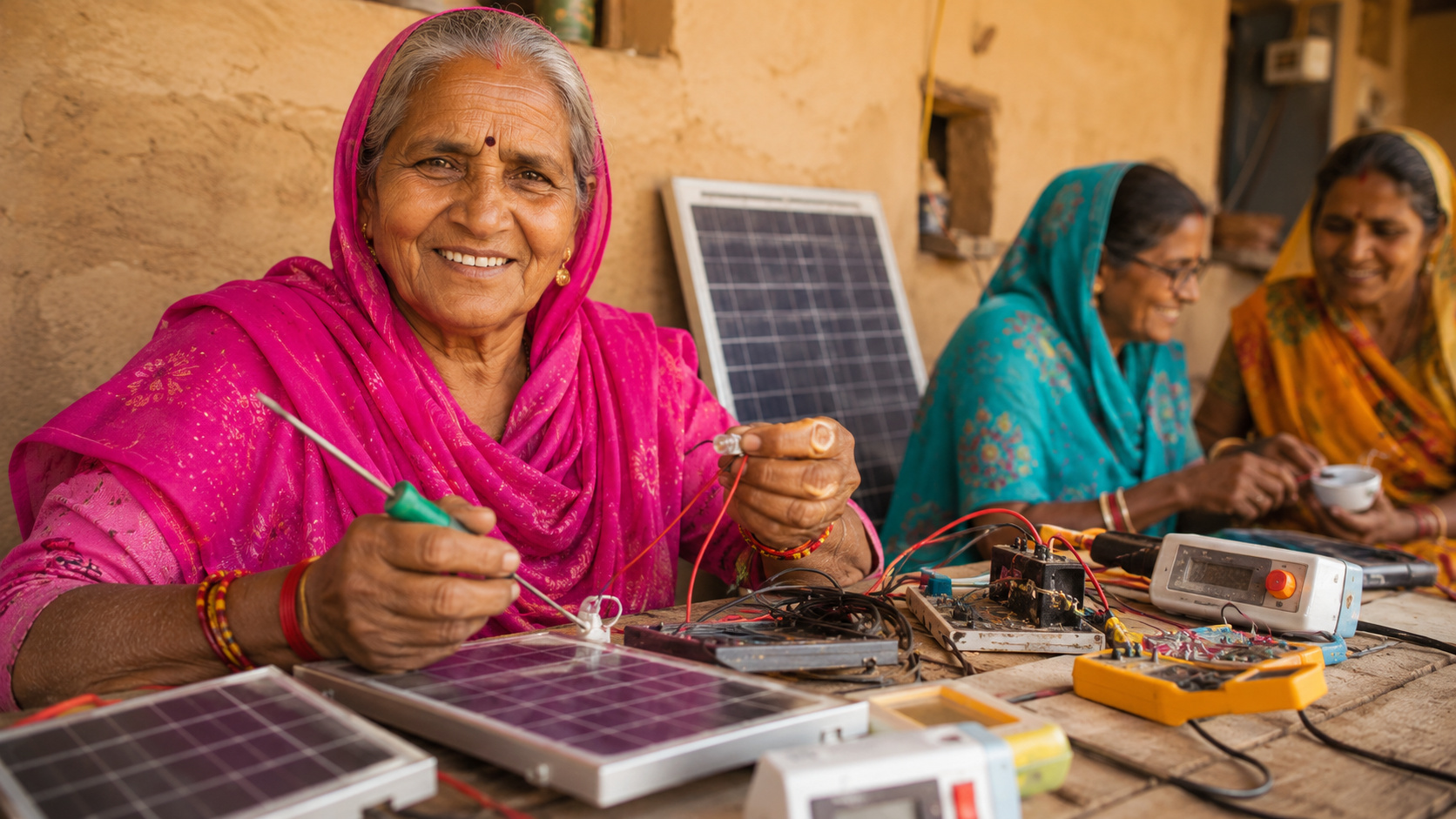
Illiterate or semi-literate grandmothers were trained to repair solar systems, open rural workshops, and light up homes that still depended on kerosene.


“This source helps to diversify the country’s electricity supply, reducing pressure on water resources and the risk of further increases in electricity bills for the population,” he reports.
According to the CEO, large-scale solar power plants produce electricity at prices up to ten times lower than emergency fossil thermal plants and imported electricity from other countries. Both are currently the main drivers of electricity tariff increases on consumers.
Solar Energy Sector Awaits Exponential Growth in 2022
The solar energy niche expects accelerated growth this year in the solar systems operating in Brazil, especially in the self-generation solar energy systems.
The development of solar energy in 2022 is even more anticipated after Law No. 14.300/2022, which created the legal framework for self-generation, came into effect.
“It is the best time for individuals to invest in solar energy, precisely because of the transition period outlined in the law, which guarantees the current rules until 2045 for consumers who install a solar system on their roofs by January 2023,” declares the president of the Board of Directors of ABSOLAR, Ronaldo Koloszuk.
Brazil has approximately 5.1 GW of installed capacity in its large solar power plants, which equals 2.6% of the country’s electricity matrix. Since 2012, the largest solar plants have provided Brazil with over R$ 27.0 billion in new investments and more than 152 thousand jobs, as well as contributing R$ 8.4 billion to public coffers.
In the self-generating energy sector, there are over 10.9 GW of installed capacity from solar sources. This corresponds to more than R$ 59.2 billion in investments, R$ 14.4 billion in revenue, and over 327.8 thousand jobs created since 2012, spread across all five regions of Brazil. Solar technology is currently used in 98% of all self-generation electricity connections in the country, leading the segment.
Solar Source Ranks Fifth in Brazil’s Electricity Matrix
When adding up all installed capacities in large power plants and self-generation, the solar source ranks fifth in the electricity matrix of Brazil.
The solar source has indeed exceeded the installed capacity of oil thermal plants and other fossil fuels in the Brazilian electricity matrix and is rapidly approaching the total installed capacity of power plants that use biomass as the primary source.
According to Koloszuk, in addition to being accessible and highly competitive, the solar source can be installed quickly and helps reduce electricity costs, as it can lower expenses by up to 90% on electricity bills.