Portuguese
 Spanish



Prisma project receives R$46.3 million to develop a platform that distributes tasks among data centers, including facilities in inland areas. The list of participating municipalities and deployment dates has not yet been announced.
A data center in an inland area with spare capacity could handle some of the processing requested from another facility. That is the proposal behind an AI platform for regional data centers that Brazil’s Ministry of Communications is funding with R$46.3 million from the Telecommunications Technological Development Fund (Funttel).
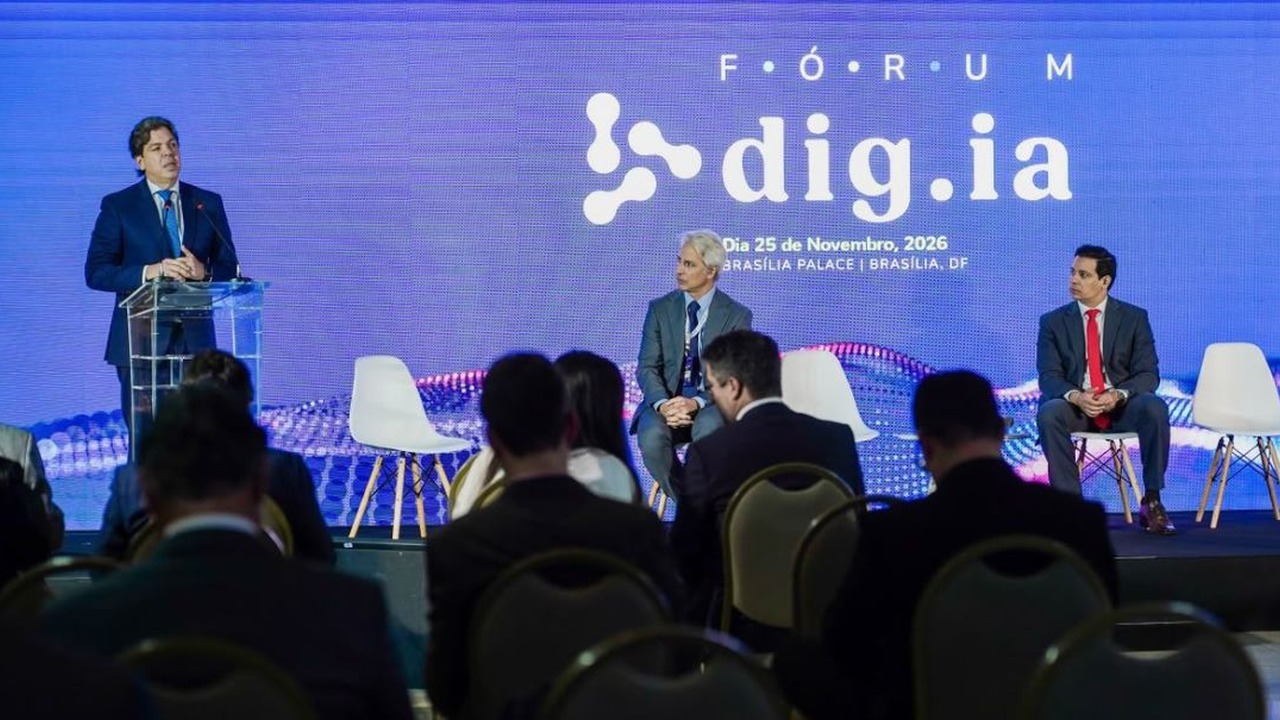
The initiative, named Prisma, had its funding details outlined by the Ministry of Communications on November 9. Minister Frederico de Siqueira Filho discussed the project again at the opening of the Dig.IA Forum on November 25 in Brasília, as he presented the fund’s investments in digital infrastructure.
How regional data centers can share processing workloads
The platform under development will use artificial intelligence to decide where each task should be processed and distribute demand across connected facilities. The goal is to make use of data centers of different sizes, including smaller facilities near where information is generated or used.
-
Residential electricity use rose 18.6% in Southeast and Central-West Brazil in November 2023, as EPE studies effects of new El Niño on the power grid

-
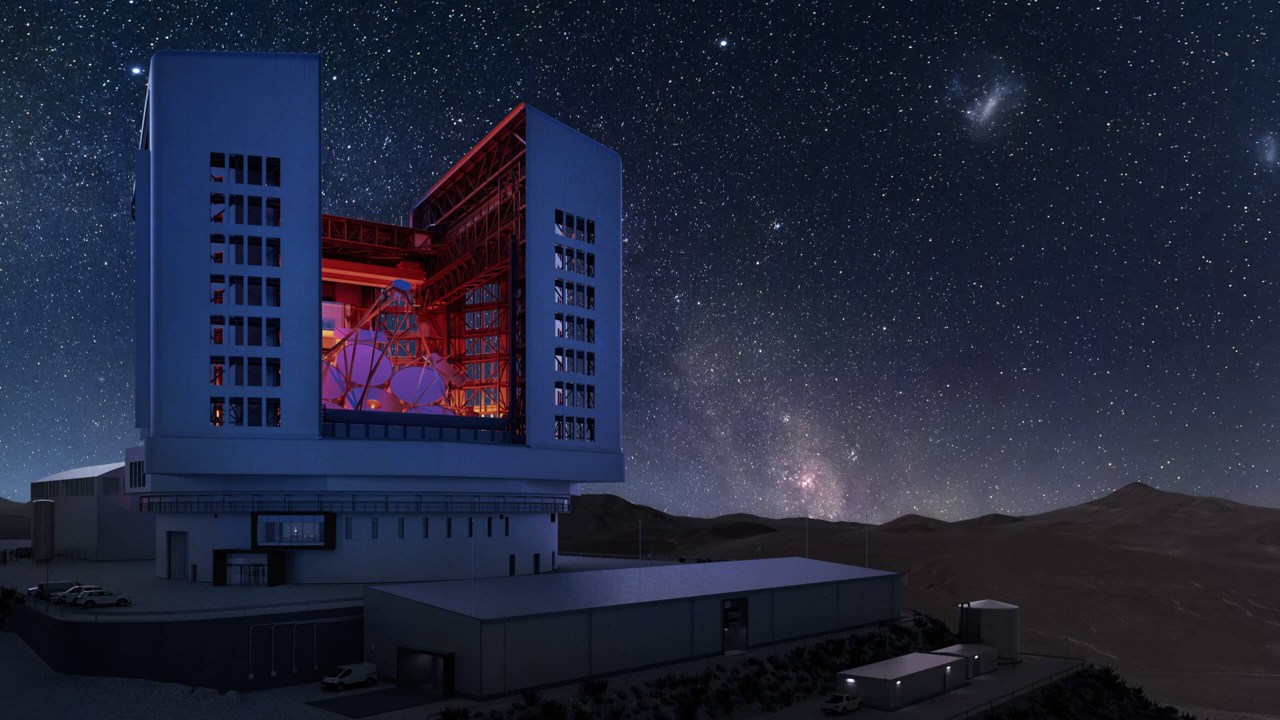
Four Brazilian companies learn requirements for building the Giant Magellan Telescope’s 4,200-ton rotating dome as the project takes shape in Chile’s Atacama Desert
-
USP engineers unveil low-cost robotic exoskeletons that read users’ movement intentions and aim to expand mobility for people with physical disabilities
-
Brazilian scientists uncover how a powerful solar storm distorted plasma bubbles and reversed their movement over South America, a phenomenon that could affect GPS



In practice, imagine a digital service that needs to analyze data produced in an inland city. If a nearby facility has available capacity and can handle the task, the platform could route the processing there. This is an example of edge computing, which brings processing closer to the people and systems that need it.
For applications that depend on quick responses, shortening this path could reduce the time between a request and a response. The benefit will depend on the connections between facilities and the types of tasks each data center can handle. The Ministry of Communications includes edge computing in its proposal to connect data centers outside major cities.
What the R$46.3 million will fund
Funttel’s funding will pay for the platform’s development. The Funding Authority for Studies and Projects (Finep) administers the money, and CPQD is carrying out the project in Campinas, São Paulo state. The CPQD announcement puts the development period at 36 months.
The work also includes solutions to reduce energy consumption, keep services running during supply disruptions and strengthen data protection. CPQD identifies health care, education and telecommunications as sectors that could benefit. Energy savings are a project goal, but no implementation results have been disclosed yet.
The R$104 million cited by the minister at the same forum refers to a separate investment package. That initiative includes research into 6G networks, generative AI tools for telecom operators, digital security and telemedicine applications. The specific funding for Prisma is R$46.3 million.
Which cities could take part
Campinas is the base for CPQD’s work on the project. Announcements reviewed through Nov. 26 do not yet identify which municipalities or inland locations will be included, or when testing will begin at each site. The 36 months is the development timeline reported by CPQD.
For those tracking the expansion of digital infrastructure into inland areas, the next milestone is the announcement of the first participating sites. That information will show which regions could test the platform and which services could use local processing capacity.