





 Português
  Inglês
  Espanhol
  7 min de leitura
  0 comentários


Mummies From 3,600 Years Ago In The Desert Of China Reveal The Oldest Kefir Cheese In The World And Show How Bronze Age Peoples Consumed Dairy
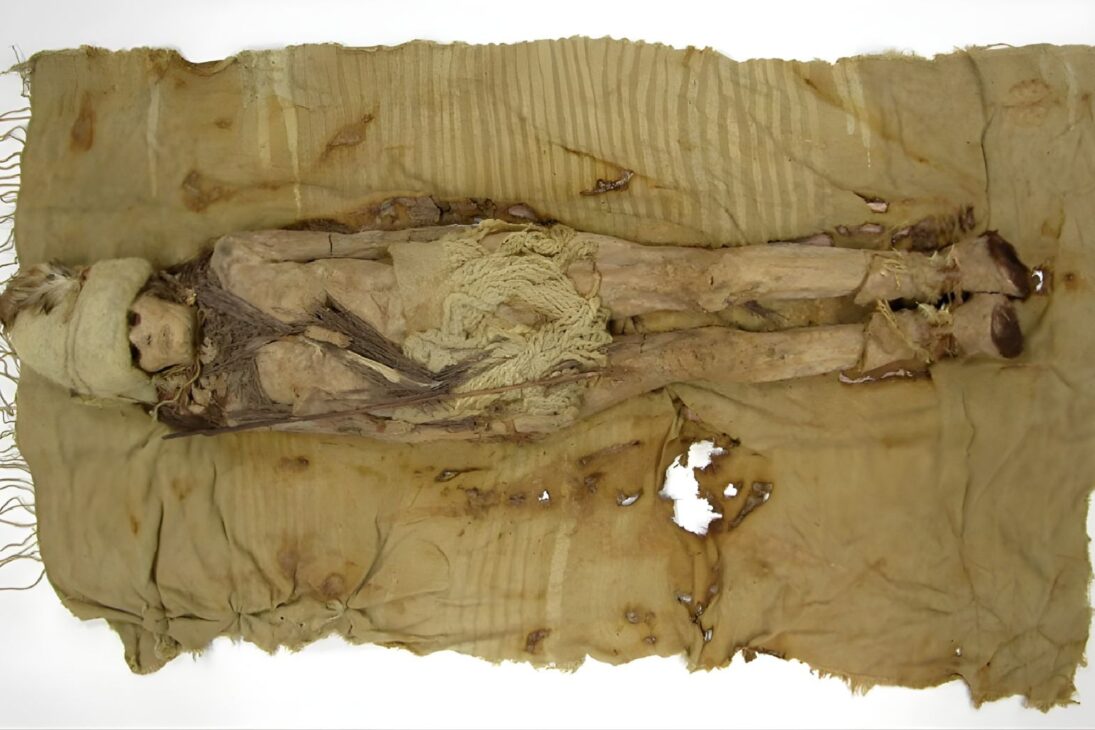
The rediscovery of the Xiaohe Cemetery in 2003 revealed perfectly preserved mummies in the Taklamakan Desert: When Chinese archaeologists reopened the Xiaohe Cemetery in 2003, in the middle of the Taklamakan Desert, in the Xinjiang region, they found a scene that challenged any traditional archaeology manual. The site had been partially excavated in the early 20th century but was soon swallowed again by the desert dunes. When researchers returned to the archaeological site, they found extraordinarily well-preserved mummies due to the extreme arid climate of the Taklamakan, one of the driest deserts on the planet.
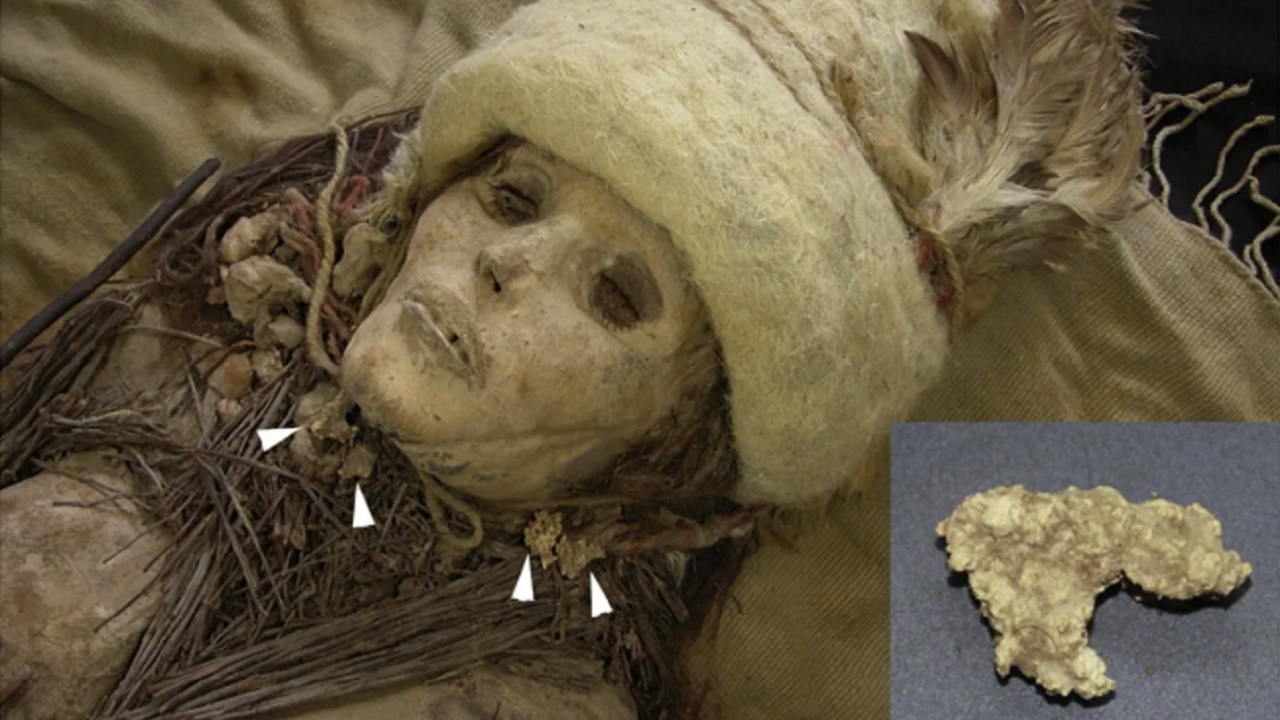
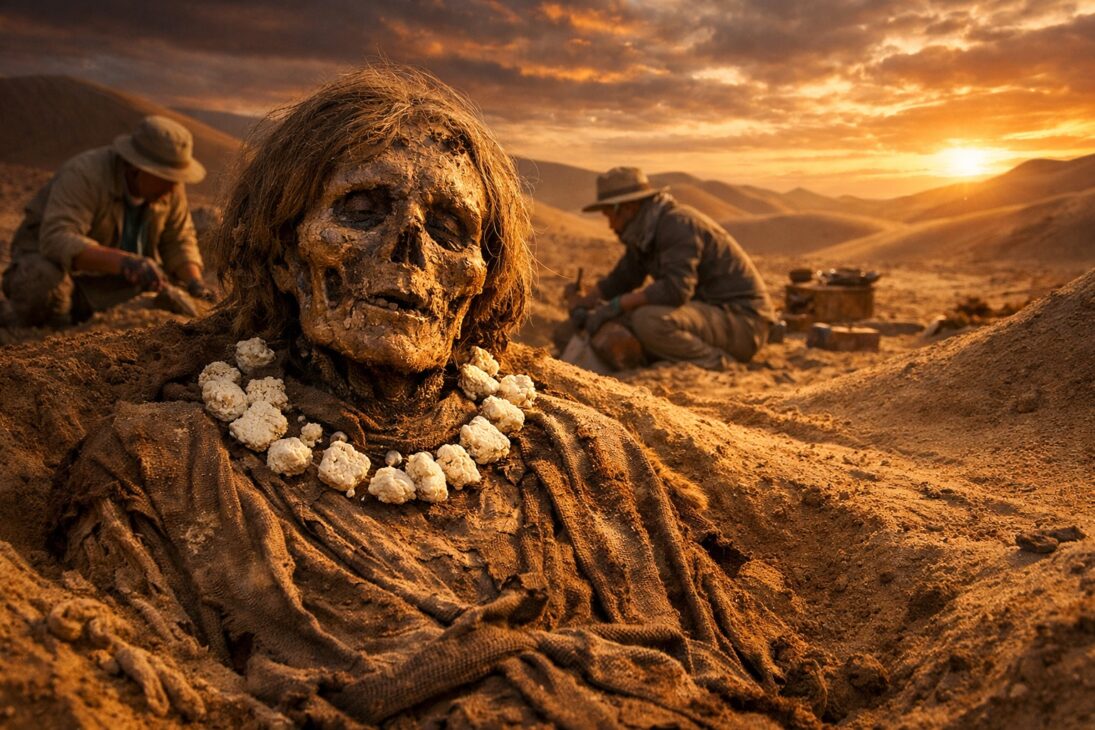
The bodies were naturally mummified. They wore tall felt hats, carefully woven wool coats, and leather boots lined with fur. Many had preserved eyelashes, intact blonde braids, and surprisingly well-preserved faces after millennia of being buried. However, the detail that most intrigued archaeologists was not the preservation of the bodies. Around the necks and heads of several mummies was a hard white substance, in yellowish pieces the size of small stones. They looked like necklaces or funeral offerings deliberately placed with the dead.
For years, no one was able to explain exactly what that substance was. The most likely hypothesis was that it was some sort of fermented dairy. But what product? How had it been produced thousands of years ago? And why was it present in the tombs? The answer would only emerge two decades later.
-
With an unusual prize, Japan transforms office chairs into a resistance race on the streets, ISU-1 Grand Prix grows, fills stages, and pays 90 kilograms of rice.

-
House in England with a 7.6-meter shark embedded in the roof attracts attention worldwide and becomes a curious attraction in Oxford.

-
Masterpiece in Spain, under construction since 1882, receives 4.8 million visits in a year and impresses with its gigantism and architecture.
-
Attracting around 250,000 people a year, a lighthouse 200 meters from the sea, on a 60-meter high cliff, on the North Sea coast in Denmark, becomes one of the most impressive examples of how nature can threaten historical buildings.

DNA Analysis Revealed That The Substance Found In The Mummies Was Kefir Cheese
In September 2024, scientists finally managed to identify the substance found in the tombs of Xiaohe. The analysis revealed something extraordinary. The hardened pieces found around the mummies were kefir cheese — the oldest ever discovered in the world. The research was led by paleogeneticist Qiaomei Fu from the Chinese Academy of Sciences in Beijing. The study was published in the scientific journal Cell on September 25, 2024. According to Fu, the condition of the material surprised the researchers.
“Regular cheese is soft. This is not. It turned into a dry, dense, hard powder,” the scientist explained in an interview with NBC News.
The samples came from three different tombs in the cemetery and were dated between 3,300 and 3,600 years ago, a period corresponding to the Bronze Age in the region. The extremely dry climate of the desert preserved not only the human bodies but also the organic residues present in the tombs, including the cheese fragments.
Ancient DNA Identified Probiotic Bacteria Used In Kefir Fermentation
The research team managed to extract ancient DNA from the preserved cheese fragments in the tombs. The analysis revealed the presence of Lactobacillus kefiranofaciens, a crucial bacterium in the production of kefir. Traces of animal DNA from cows and goats were also identified, indicating that the milk from these animals was used in the fermentation.
Kefir is a fermented dairy product made from kefir grains, which are complex communities of bacteria and yeasts capable of transforming milk into a food rich in probiotic microorganisms.
Unlike traditional European cheeses, which use rennet to coagulate the milk, kefir is primarily produced through microbial fermentation. The discovery showed that Bronze Age peoples had already mastered sophisticated techniques of dairy fermentation over three millennia ago.
Xiaohe Peoples Fermented Goat And Cow Milk Separately
One of the most surprising discoveries of the study was how the inhabitants of Xiaohe produced kefir. The researchers noted that the local people fermented goat milk and cow milk in separate batches, something unusual for the time.
In many ancient cultures of the Middle East and Greece, producers mixed milk from different animals to make cheese. However, the inhabitants of Xiaohe kept the processes separate.
According to Qiaomei Fu, this practice indicates specific knowledge about the different types of milk available. Analysis also revealed that the goats used belonged to lineages common in various regions of Eurasia after the Neolithic period.
This suggests that, despite living in an isolated desert environment, the inhabitants of Xiaohe participated in networks of contact and cultural exchange with populations from the Central Asian steppes.
Cheese Found In The Tombs May Have Ritual Or Symbolic Significance
There is still no definitive answer to one of the most intriguing questions: why was the cheese buried with the dead? The most accepted hypothesis among researchers is that kefir was considered a valuable food, worthy of accompanying the dead in the afterlife.
In many ancient cultures, funerary practices included placing personal items, foods, and symbolic items in the tombs. The fact that several mummies were buried with pieces of kefir indicates that the product held significant cultural importance.
For the inhabitants of Xiaohe, cheese was likely not just food — it was an important element of cultural and spiritual identity. Another possibility is that kefir had some ritualistic or symbolic role, representing prosperity, nourishment, or spiritual protection.
Fermentation Allowed Lactose-Intolerant Peoples To Consume Dairy
One of the most interesting aspects of the discovery relates to the genetics of the inhabitants of Xiaohe. Previous studies have shown that these populations were genetically lactose intolerant, the sugar present in milk.
This means that, biologically, they did not produce enough lactase to digest fresh milk in adulthood. The secret lay in fermentation. During the kefir production process, bacteria consume a large part of the lactose present in the milk, transforming it into lactic acid.
As a result, the final product contains much lower levels of lactose. This allowed lactose-intolerant populations to consume dairy thousands of years before the genetic evolution of milk tolerance in adults.
Kefir DNA Revealed Ancient Fermentation Routes Across Asia
For decades, scientists believed that kefir had originated exclusively in the Caucasus Mountains, the region between Europe and Asia. However, the DNA found in samples from Xiaohe revealed a more complex story.
The researchers compared the ancient DNA of Lactobacillus kefiranofaciens with modern strains found in different regions of the world. The result showed two distinct lineages:
- one Caucasian lineage, present in Europe and some Pacific regions
- one Asian lineage, associated with the samples found in Xiaohe
The Asian strains were genetically closer to bacteria found today in Tibet and parts of East Asia.
This indicates that kefir spread around the world through more than one cultural and geographic route, following migrations and trade networks of the Bronze Age.
Xiaohe Cemetery Was Discovered In 1911 And Rediscovered In The 21st Century
The history of the cemetery itself is almost as intriguing as the cheese found within. In 1911, a local hunter named Ördek found an unusual dune in the middle of the Taklamakan Desert. Emerging from the sand were dozens of wooden posts.
In 1934, Swedish explorer Folke Bergman began excavations at the site and discovered a large Bronze Age burial site. He named the location Xiaohe Cemetery, which means “Cemetery of the Little River.”
After this initial excavation, the site was again abandoned and covered by dunes. Only in 2000 did Chinese archaeologists rediscover the site. Between 2002 and 2005, new excavations revealed 167 tombs and numerous funerary artifacts. Among these artifacts were the mysterious cheese fragments.
Tarim Mummies Reveal Genetically Isolated Population In Ancient Asia
The so-called Tarim Mummies, found in the region, have always been an enigma for scientists. Many individuals had blonde or red hair, fair skin, and facial features considered European, which generated theories about ancient Indo-European migrations.
However, genetic analyses conducted in 2021 showed that these populations descended from an ancient group called Ancient North Eurasians (ANE), who lived in Siberia during the last Ice Age. Curiously, despite their distinct appearance, these populations were genetically isolated.

The extreme desert environment, surrounded by mountain ranges, likely acted as a natural barrier against external migrations. Nevertheless, cultural evidence shows that they maintained commercial contacts with other regions.
Bronze Age Diet Included Foods From Different Regions Of Asia
Previous studies of fossilized dental calculus indicate that the inhabitants of Xiaohe had a surprisingly diverse diet. Among the foods consumed were:
- dairy and grains originating from West Asia
- millet grains from Eastern China
- medicinal plants brought from distant regions
This indicates that, even while living in a remote area of the desert, the inhabitants of Xiaohe were connected to extensive trade networks. The kefir cheese found in the tombs is further evidence of this circulation of knowledge, foods, and cultures across Eurasia during the Bronze Age.
First Time Ancient DNA Is Extracted Directly From An Archaeological Food Item
The discovery also represents an important methodological advance for molecular archaeology. According to Qiaomei Fu, this was the first time scientists successfully extracted ancient DNA directly from a preserved food artifact. Until now, most analyses of ancient DNA were conducted on bones, teeth, or hair.
Extracting functional DNA from a food item over three millennia old opens new possibilities for understanding ancient diets, culinary techniques, and interactions between humans and microorganisms.
The kefir fragments found in the Taklamakan Desert are not merely archaeological curiosities. They tell a story of migration, trade, food adaptation, and culinary technology in antiquity.
Even in an isolated and hostile environment, Bronze Age populations developed sophisticated fermentation techniques that allowed them to consume nutritious foods and preserve resources.
Today, more than three millennia later, kefir is still consumed in various regions of the world — including Xinjiang. And thanks to the DNA preserved in a handful of dry cheese buried in the desert, scientists have managed to reconstruct a small part of this long human history.










Seja o primeiro a reagir!