





 Portuguese
  English
  Spanish
  2 min of reading


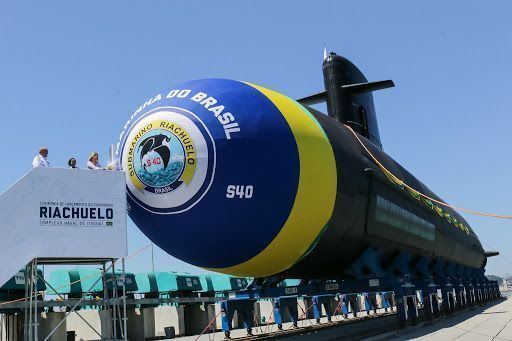
In Development by Itaguaí, a Naval Construction Company (ICN), the Ships Designed for the Navy’s Submarine Development Program (PROSUB) Are in Their Final Stages
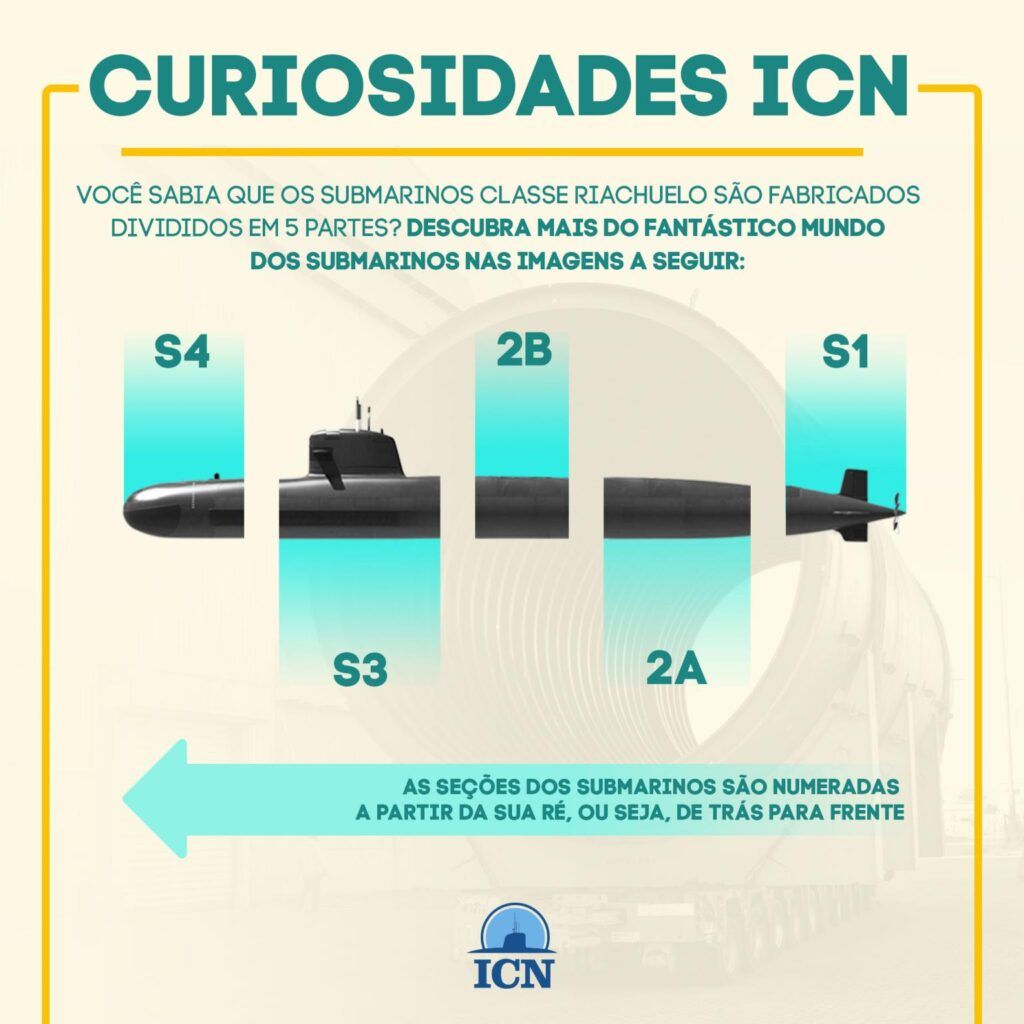
As far as is known at present, the Navy’s Submarines (PROSUB) from the Brazilian Navy (MB) are already divided into 05 main sections, namely: S1, S2A, S2B, S3, and S. Furthermore, the special highlight of today’s information will be focused solely on sections S1 and S2A.
Read Also
- ICN Completes Transfer of Sections of the Hull of the Second Submarine
- Petrobras Begins Testing in the Forno Area, in the Pre-Salt Campos Basin
- Maritime Services Company in Rio Resumes Hiring
- Second Section of the Second Submarine of PROSUB is Transferred to ICN in Itaguaí
Naval Construction – PROSUB Submarine Characteristics of Section S1
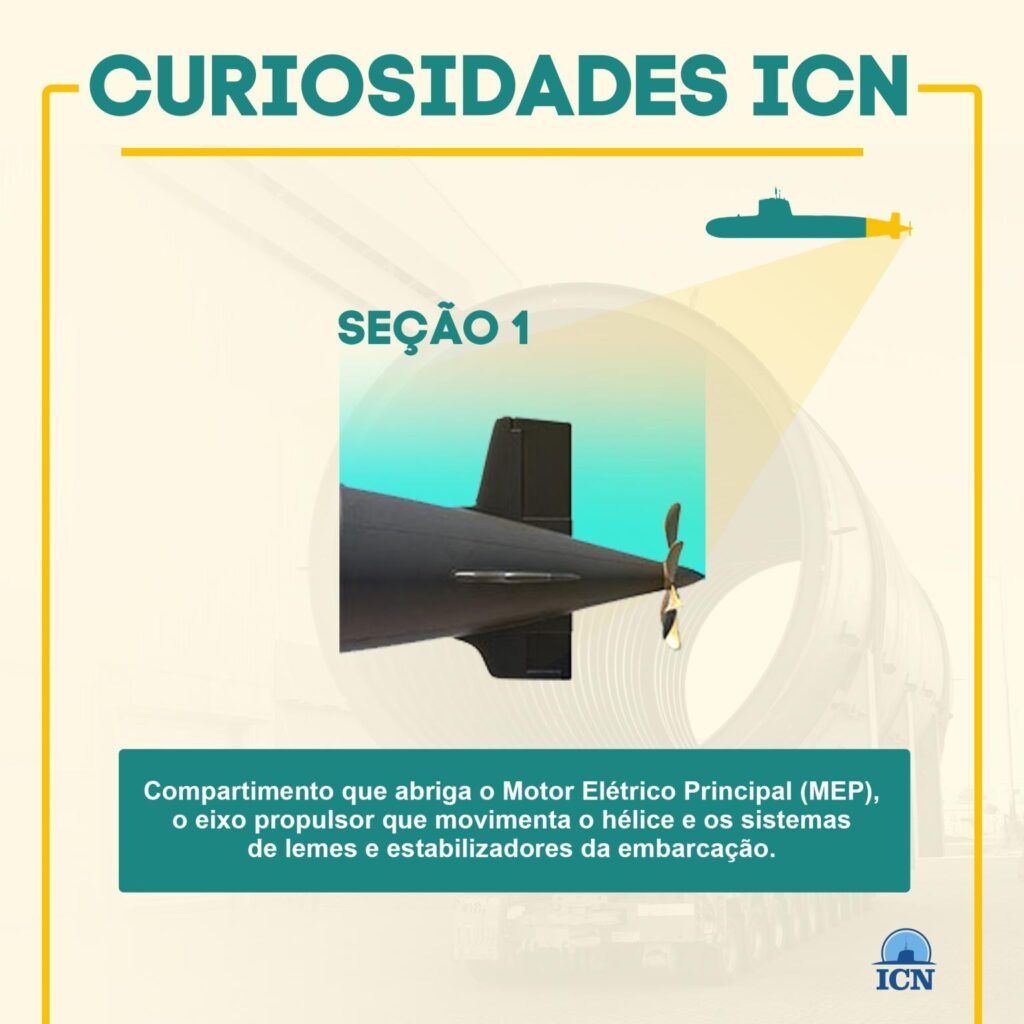
In summary, section S1 is located at the end of the submarine. It is precisely what will determine the direction and stabilized depth limits throughout navigation on the seabed. Undoubtedly, a modern strategy of naval construction.
Thus, an important item for the energy conversion of the PROSUB submarine has also been placed at the end of the submarine – a propeller shaft for better and quieter movement.
-
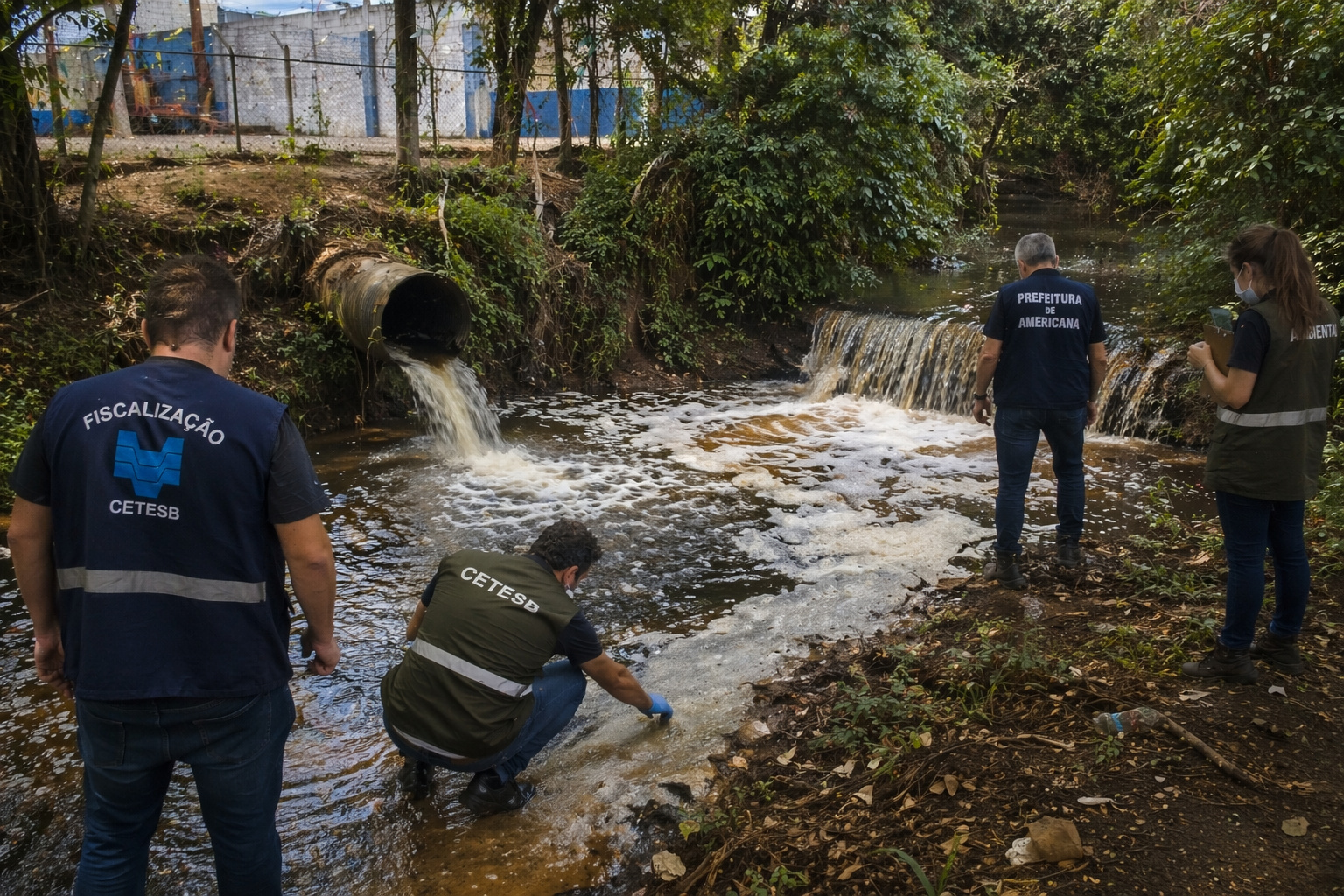
A fine of R$ 115 thousand puts Goodyear at the center of an environmental case in Americana after oil and grease appeared in a stream and the company was forced to act quickly.
-
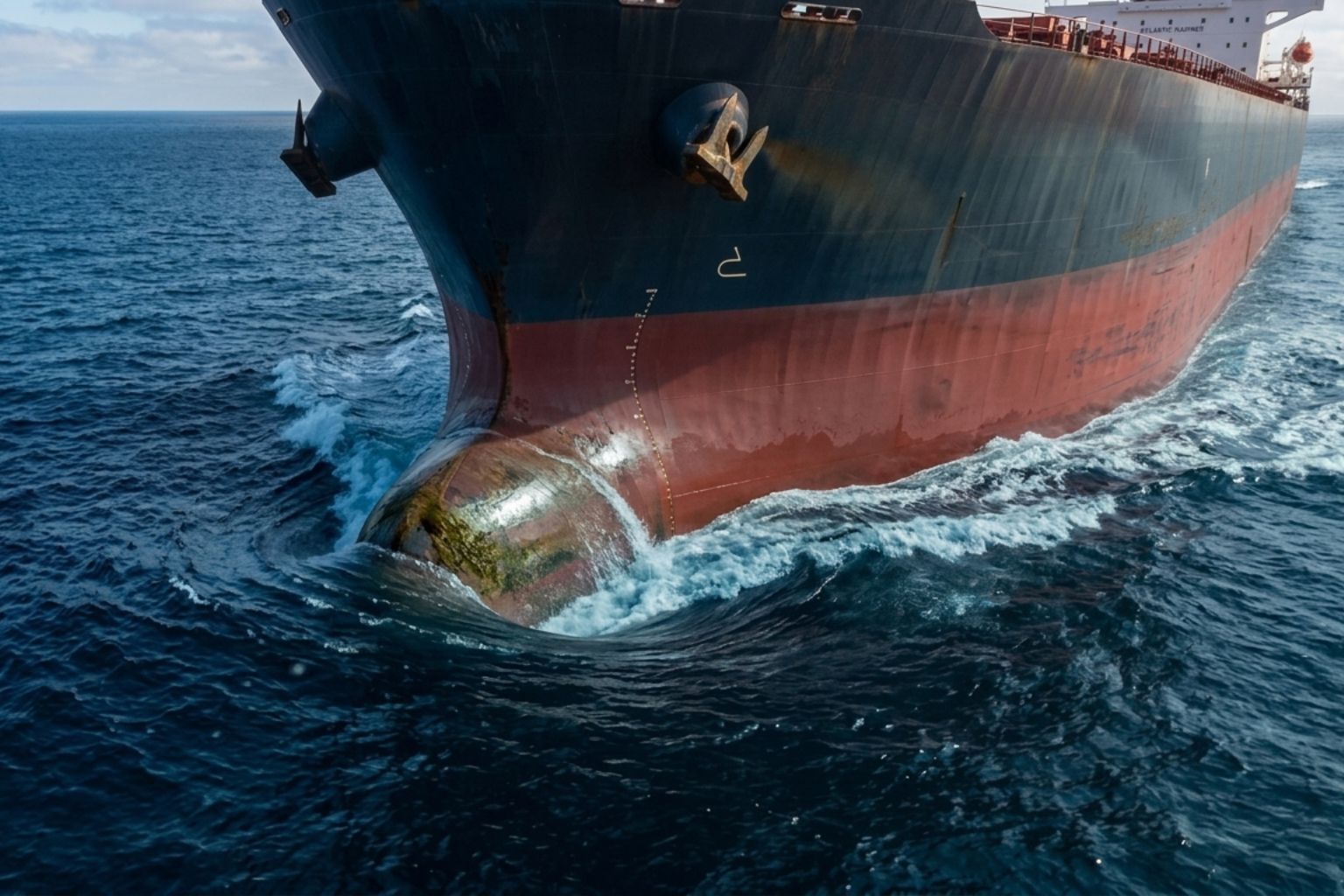
A hidden metal piece in the bow redesigns the water flow, reduces drag, and can save over 10,000 tons of fuel per year; this invisible solution allows giant ships to cut millions in costs without changing engines or routes.
-
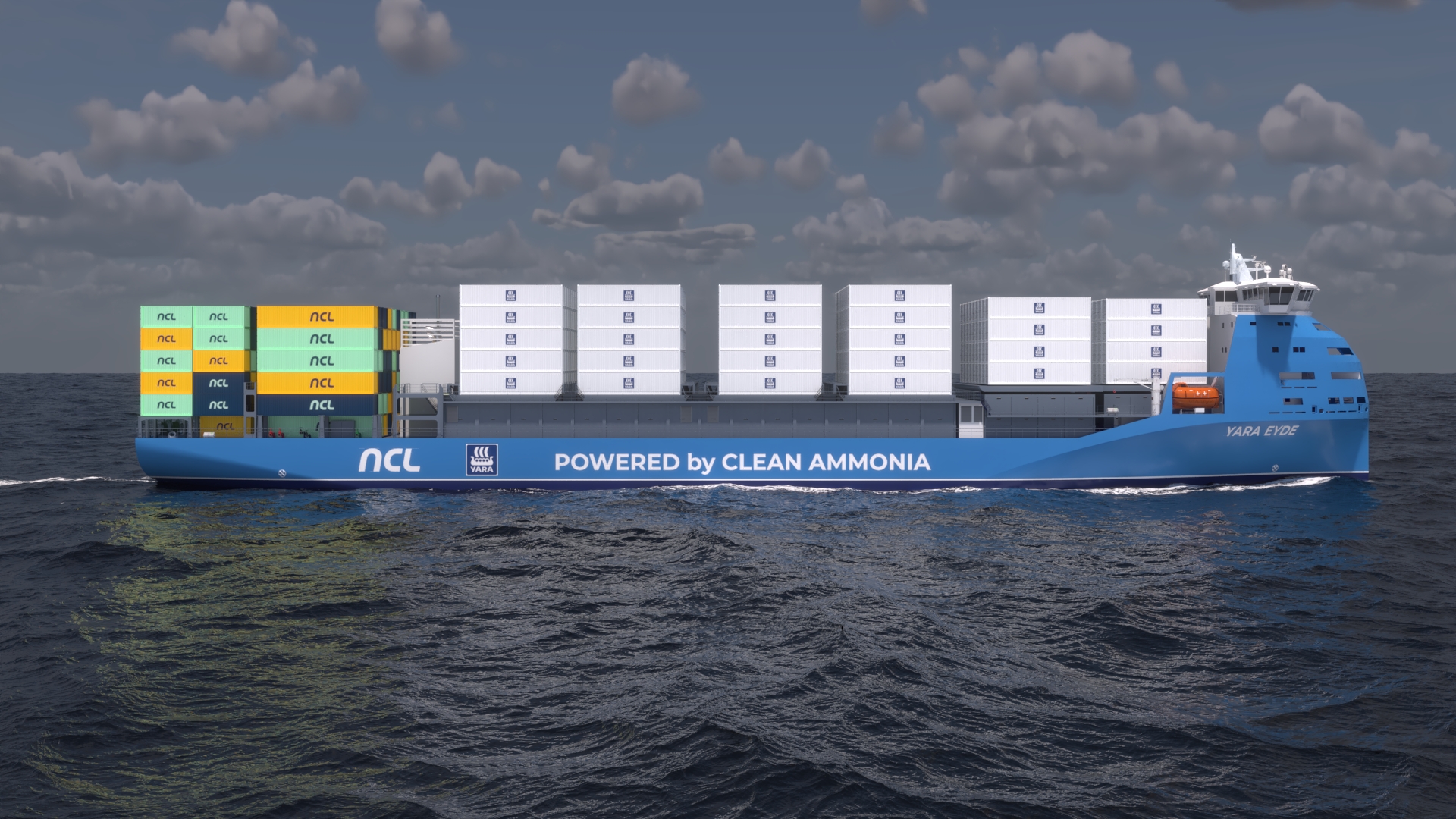
The world’s first container ship powered by renewable ammonia promises to avoid around 11,000 tons of CO₂ per year. The vessel, scheduled to operate in 2026, will connect Norway, Germany, and the Netherlands on one of the shortest and most strategic routes in Europe.
-
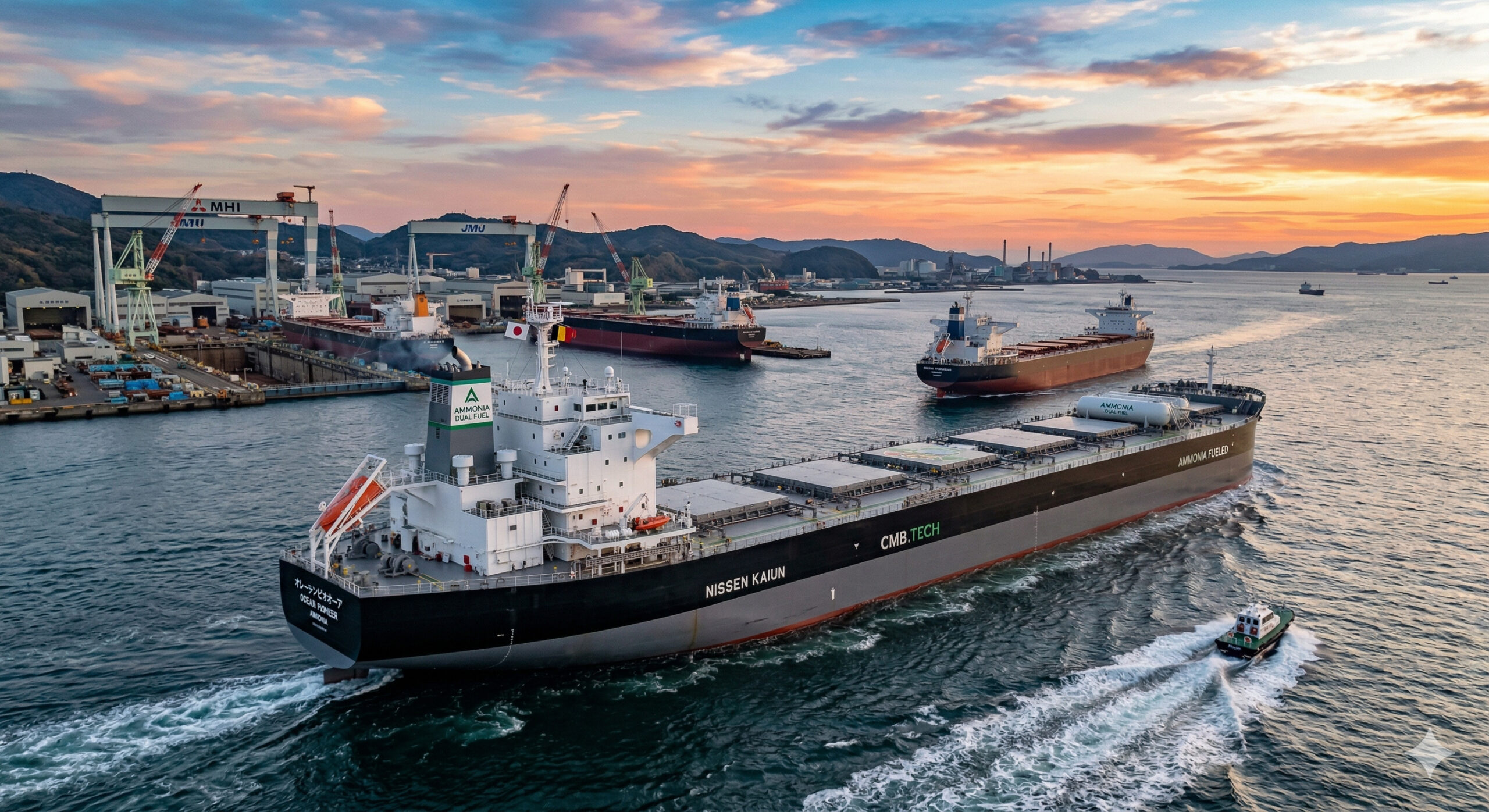
Nine giant ships of up to 210,000 gross tons equipped with dual fuel ammonia engines are being launched by Japan and Belgium. The project includes the world’s first Capesize vessels using this fuel, with contracts of up to 12 years, marking the beginning of a carbon-free ocean fleet starting in 2026.
Naval Construction – PROSUB Submarine Characteristics of Section S2A
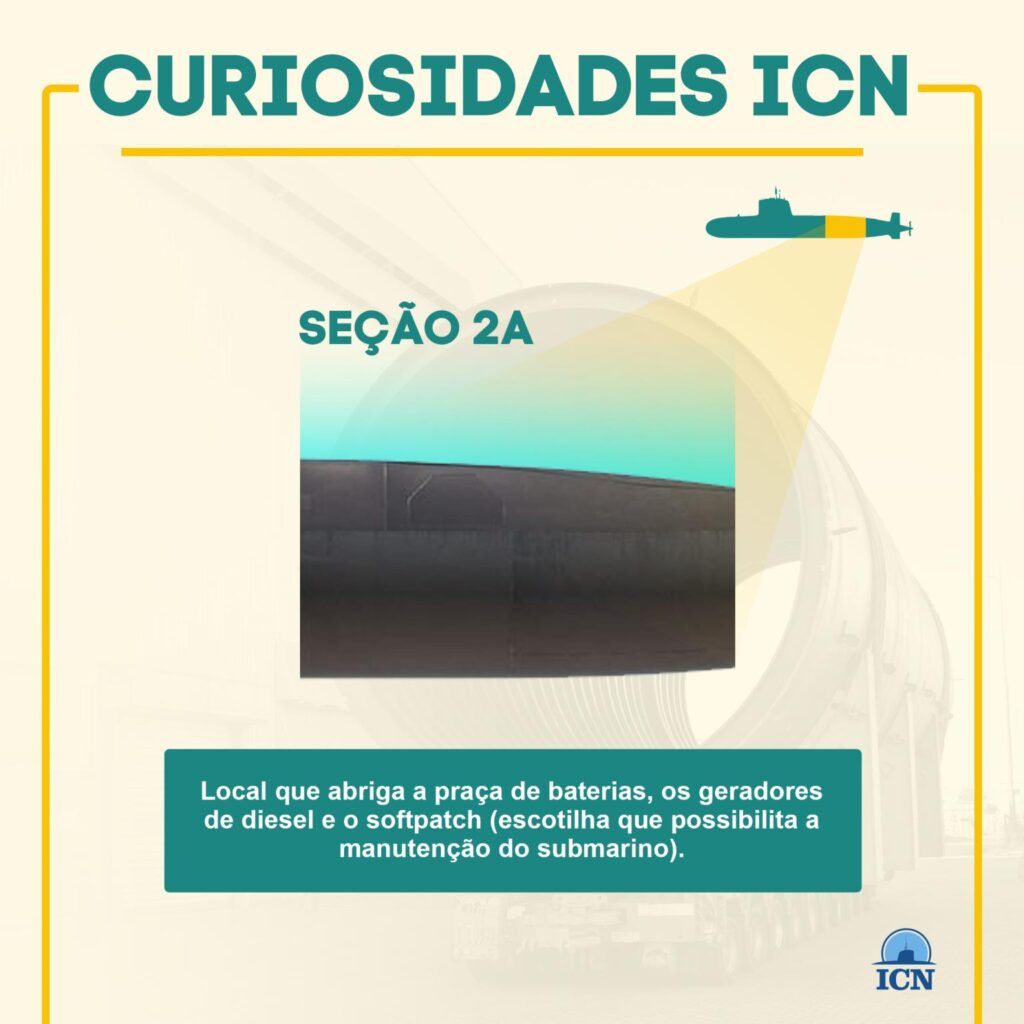
In this section of the PROSUB submarine being developed by Itaguaí, the diesel compartments and another 04 engines that serve as a kind of charger for the batteries are located.
Finally, in 2019, there were also advances involving naval construction in PROSUB. With the completion of acceptance tests at the dock and the successful static submersion, which marked the beginning of at-sea acceptance tests for the “Riachuelo” Submarine. Undoubtedly, the first of the four vessels with diesel-electric propulsion planned in the aforementioned Program. The Brazilian naval construction has invested billions.
About the Navy’s Submarine Development Program (PROSUB)
In summary, the Submarine Development Program (PROSUB) of the Brazilian Navy is the result of a technology transfer agreement with the French company Naval Group (formerly DCNS). Signed in 2008 by Brazil and France, it will enable the production of four Scorpène-class conventional submarines. It will also assist in the manufacturing of the first Brazilian nuclear-powered submarine (SN-BR).







Seja o primeiro a reagir!