





 Portuguese
  English
  Spanish
  5 min of reading
  4 comments


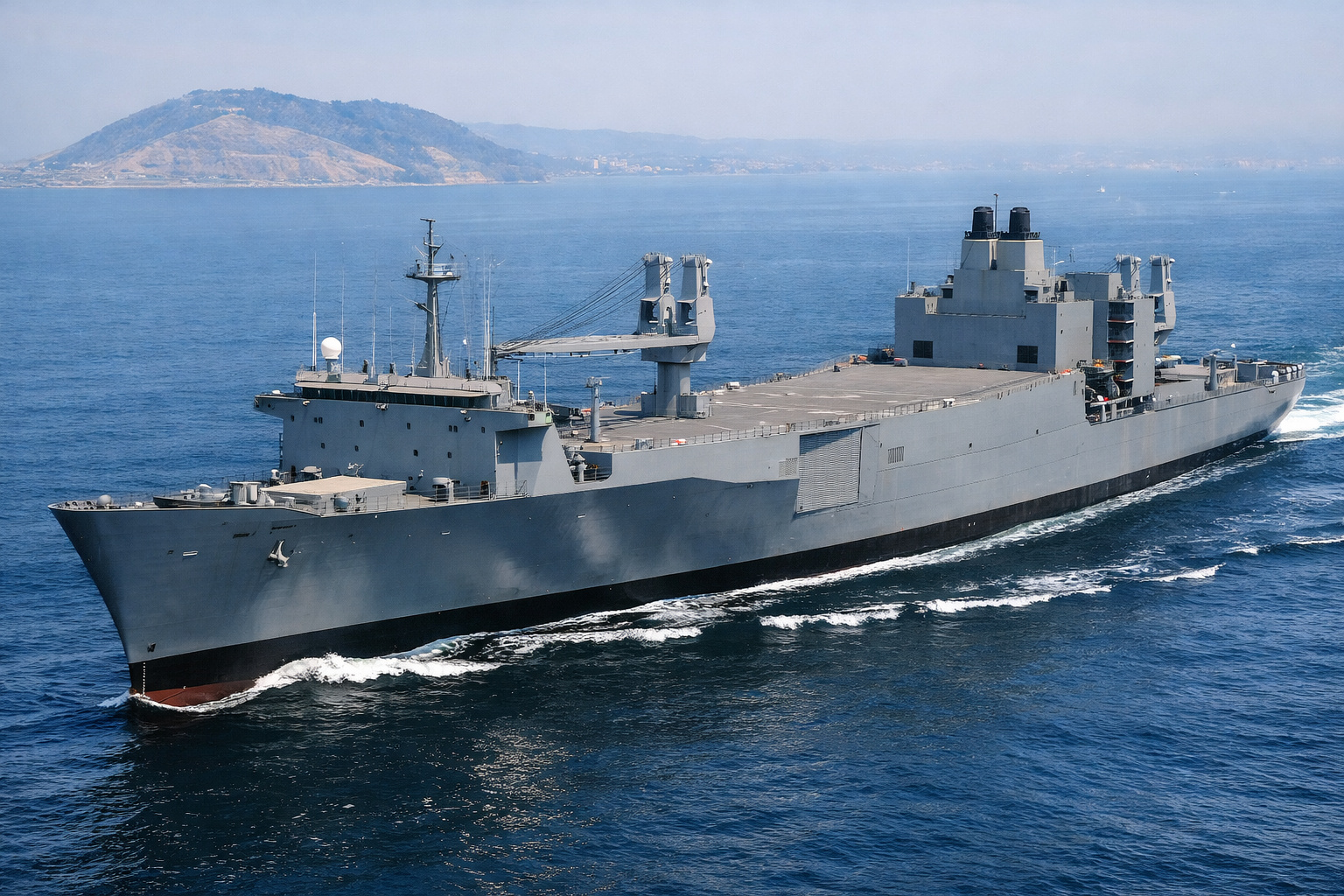


Algol-Class Ships Are High-Speed Military Cargo Vessels Capable of Transporting Hundreds of Vehicles and Equipment of the U.S. Army Across the Ocean in Just a Few Days.
Among the most impressive military logistics equipment of the United States are the Algol class ships, giant vessels designed to swiftly transport large quantities of military vehicles and equipment across the ocean.
With approximately 55,000 tons of full load displacement, about 288 meters in length, and the ability to reach 33 knots of speed, these ships are among the fastest military cargo vessels ever built. Their primary mission is to allow complete ground forces to be quickly deployed to strategic regions of the planet.
Giants of Military Logistics Capable of Transporting Entire Forces to War
Unlike aircraft carriers or armed destroyers, the power of the Algol ships lies in logistics. They function as enormous military vehicle transporters, capable of moving tanks, trucks, armored vehicles, and heavy equipment necessary for large-scale war operations.
-
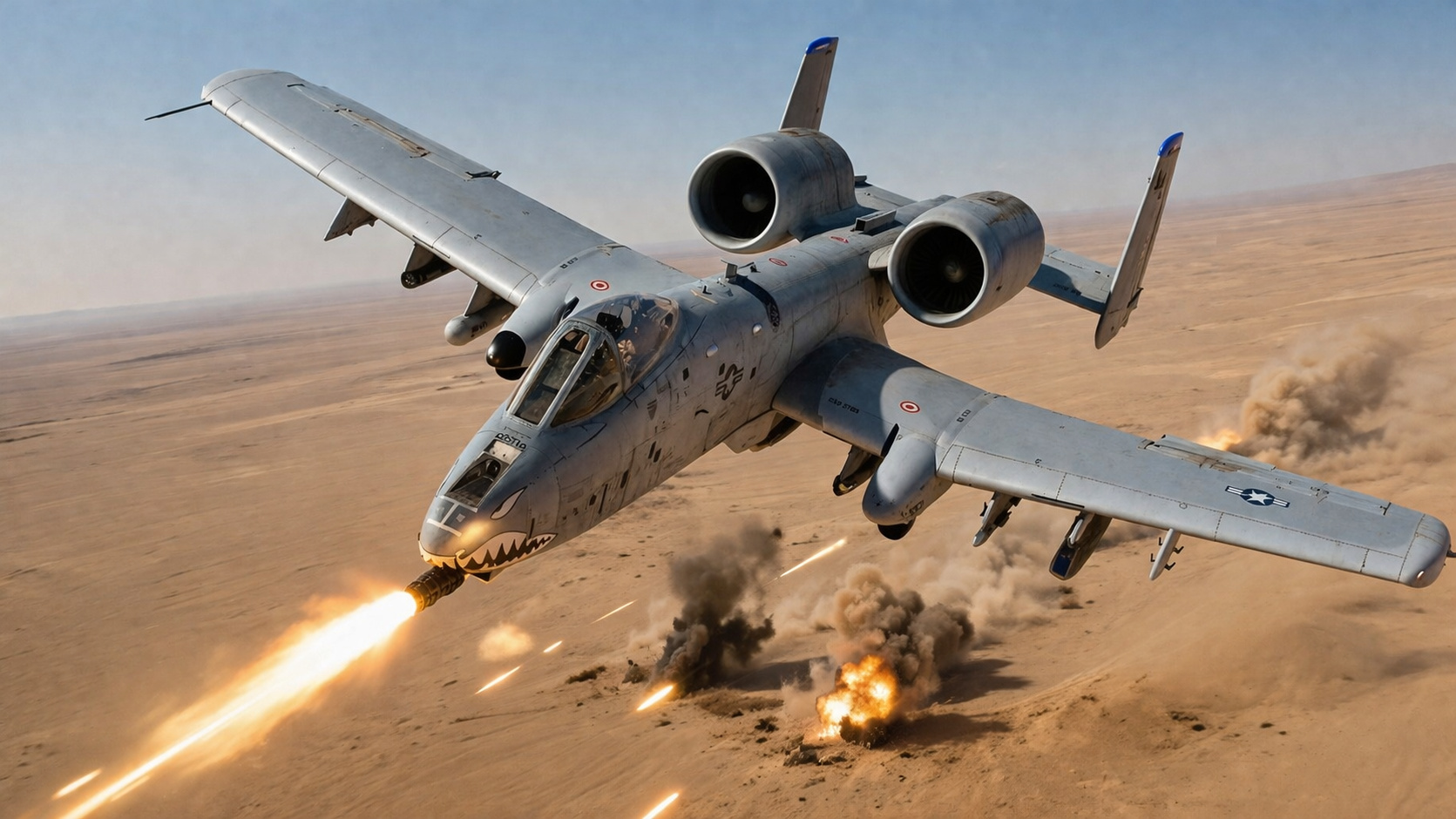
Few people know, but “mega burst” attacks from the A-10 in the Middle East are intriguing analysts and even experienced former pilots of the U.S. Air Force.
-
Manufactured in Brazil and exported to Saudi Arabia and Malaysia, the ASTROS system is renamed as Fogos in 2026, gaining AI, cruise missiles with a range of 300 km, and air defense costing R$ 3.4 billion, transforming a launcher from the 1980s into the most ambitious multidomain platform in Latin America.
-
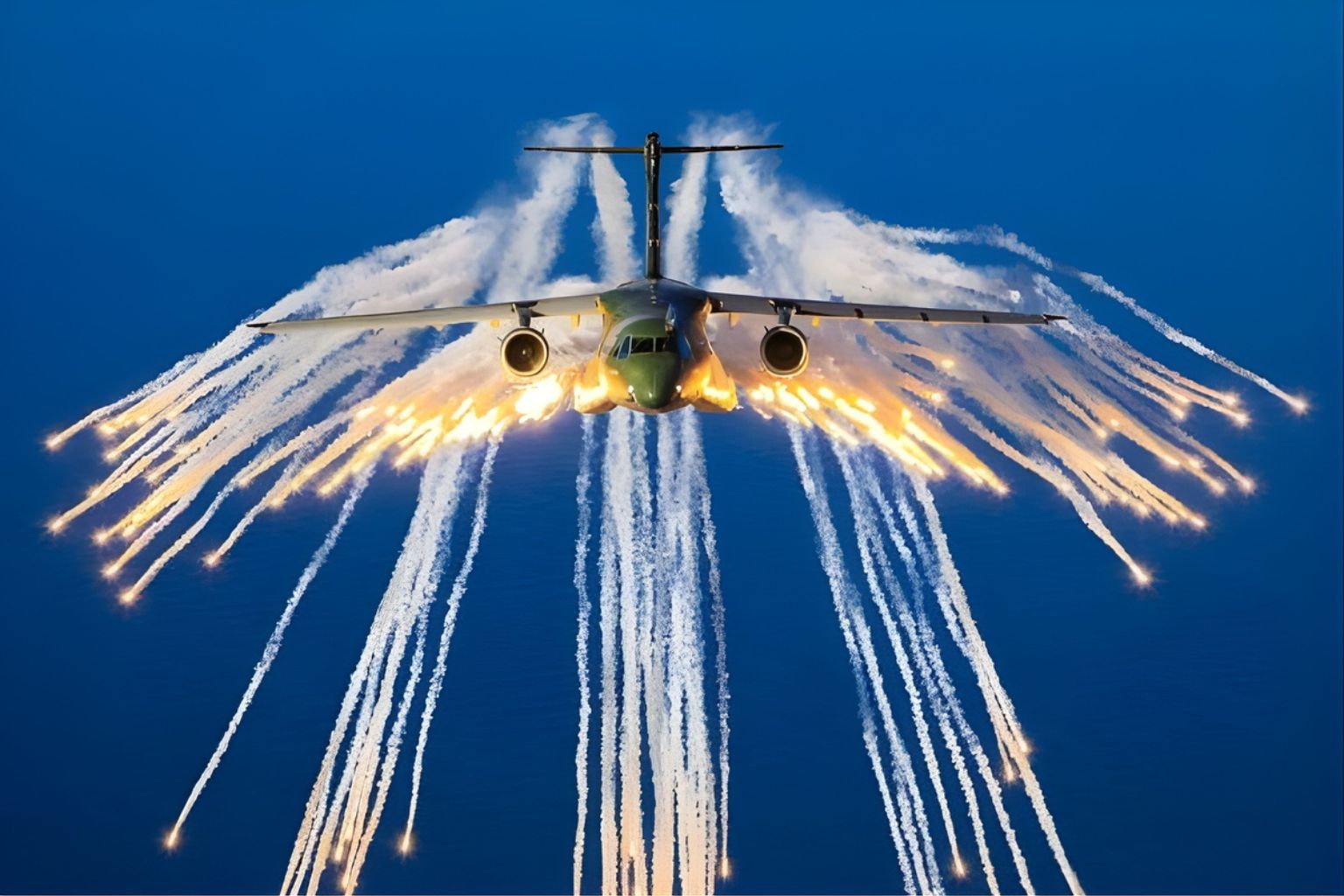
The largest military aircraft ever produced in Brazil, the KC-390 Millennium can carry up to 26 tons, refuel fighter jets in flight, and has already been exported to Europe and Asia, placing the country in the select group that designs and sells large military aircraft worldwide.
-
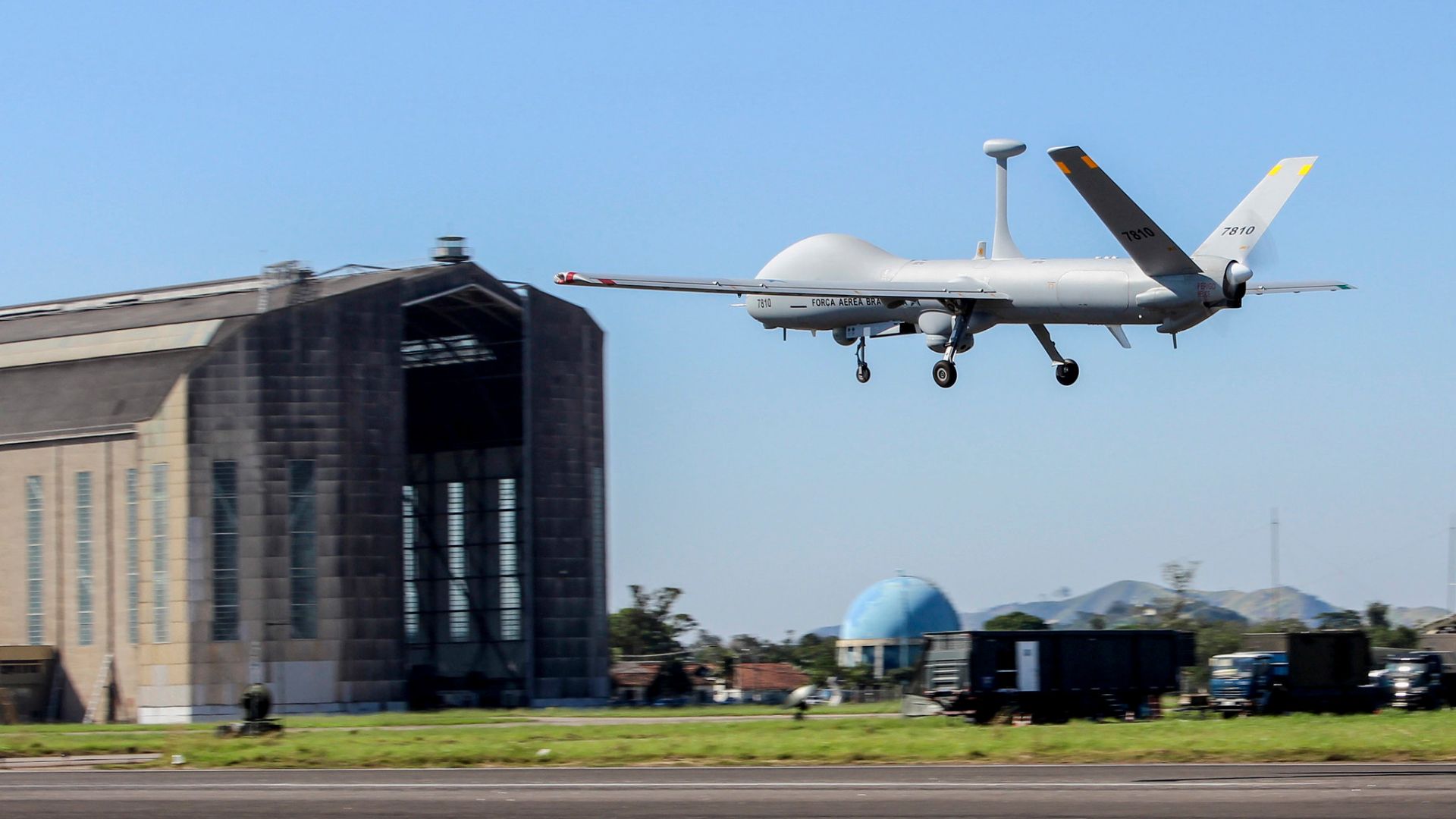
FAB loses Hermes 900 drone during multinational exercise in Mato Grosso do Sul and is left with only one active aircraft, raising concerns about operational fragility and strategic response capability.


According to data from the U.S. Navy and the Military Sealift Command, these ships are part of the strategic transportation infrastructure known as sealift, responsible for quickly moving military forces to any continent.
In mobilization situations, the Algol can transport nearly all the equipment of a mechanized division of the U.S. Army.
Origin of the Algol-Class Ships
The Algol-class ships were not originally designed for military use. They began their history in the 1970s as high-speed commercial cargo carriers. These vessels were owned by the American company Sea-Land, which operated large container ships known as SL-7. The aim was to accelerate the transportation of commercial cargo between the United States and Europe.
The design was extremely advanced for its time. The ships could achieve speeds far superior to those of traditional cargo vessels. However, this performance came at a cost: fuel consumption was very high. With the oil crisis of the 1970s, the commercial operation of these ships became economically challenging.

In light of this situation, the U.S. Navy purchased eight of these ships in the early 1980s to convert them into military transport platforms. After conversion, they became part of the fleet of the Military Sealift Command, responsible for maritime logistics of the American armed forces. This adaptation transformed former commercial cargo ships into some of the most important military logistics platforms in the world.
Giant Dimensions and High Speed
The Algol-class ships impress not only with their transport capacity but also with their dimensions and performance. Among their technical characteristics are:
- approximately 55,000 tons at full load
- length of about 288 meters
- width of approximately 32 meters
- maximum speed of up to 33 knots (approximately 61 km/h)
This speed is considered extremely high for cargo ships of this category. To achieve this performance, the ships use extremely powerful steam turbines, capable of generating over 120,000 horsepower.
This allows the Algol to cross oceans much faster than conventional cargo ships. For example, a ship of this class can traverse the Atlantic between the United States and Europe in about six days, depending on navigation conditions. This ability for rapid deployment is essential in emergency military operations.
How Military Vehicle Transport Works
One of the main features of the Algol ships is the system known as roll-on/roll-off, or simply Ro-Ro. This system allows vehicles to enter and exit the ship by driving directly up ramps, without the need for cranes.
Inside the ship, there are multiple decks connected by internal ramps. This structure allows for the transport of hundreds of military vehicles. Among the equipment that can be loaded are:
- battle tanks
- armored vehicles
- logistics trucks
- engineering equipment
- dismantled helicopters

Each ship has thousands of square meters of internal cargo space. According to data from the Military Sealift Command, the Algol can transport more than 700 military vehicles in a single trip, depending on the cargo configuration. This capacity allows for moving large quantities of equipment in relatively short time.
Strategic Role in Military Mobilization
The importance of these ships goes far beyond simple cargo transport. In modern military conflicts, logistics is considered one of the decisive factors for the success of operations.
Moving troops is relatively fast via military aircraft. However, transporting heavy equipment such as tanks and armored vehicles requires large vessels. This is where the Algol-class ships come in. They were designed to quickly transport all the necessary equipment for a complete military division. A mechanized division may include:
- hundreds of armored vehicles
- thousands of trucks
- engineering equipment
- artillery systems
Without ships of this type, moving such a volume of equipment to another continent would take much longer. This is why the Algol are considered essential components of the military projection capability of the United States.
Participation in Military Operations
The Algol-class ships have been used in various military operations since their entry into service. One of the most significant moments occurred during the Gulf War in 1990 and 1991, when the United States mobilized large forces to the Middle East region.

During the operation known as Desert Shield and Desert Storm, the Algol played an essential role in transporting equipment. According to military records, these ships were responsible for transporting about 13% of all military equipment sent by the U.S. to Saudi Arabia during the conflict.
Besides the Gulf War, they were also used in:
- NATO operations
- international military exercises
- logistical transport to overseas bases
- humanitarian support missions
The rapid mobilization capability has made these ships a strategic tool of American military policy.
How Many Algol-Class Ships Exist
In total, eight Algol-class ships were converted. All received names inspired by bright stars in the sky, following a tradition of the United States Navy. The ships are:
- USNS Algol
- USNS Denebola
- USNS Regulus
- USNS Antares
- USNS Capella
- USNS Pollux
- USNS Bellatrix
- USNS Altair
These vessels remain on standby within the American logistics fleet. In emergency situations or military mobilizations, they can be quickly activated to transport equipment.
An Essential Piece of Modern Military Logistics
Although they are not armed ships like destroyers or aircraft carriers, the Algol-class ships play an equally important role in modern military operations. The ability to swiftly transport large volumes of heavy equipment allows military forces to be mobilized to any region of the world.
At nearly 300 meters in length, tens of thousands of tons of displacement, and unusual speed for cargo ships, the Algol represents one of the main logistical tools of the United States Navy.
These gigantic maritime platforms remain essential for the rapid mobilization of the American Army in international operations.







55 tons? Wow. Must have gone on a diet from its 55 000 tons when built.
Corrijan dónde pusieron 55 toneladas, son 55,000
Or start to write kton = kiloton …
E todas essas “potências” vulneráveis a um ou dois mísseis hipersônicos 🙄 Simples assim 😉