






 Portuguese
 Spanish


After an earthquake damaged 70% of the La Rosa food plant in Colombia, Nestlé announced it would end production and eventually demolish the facility. About 300 workers are affected by the closure.
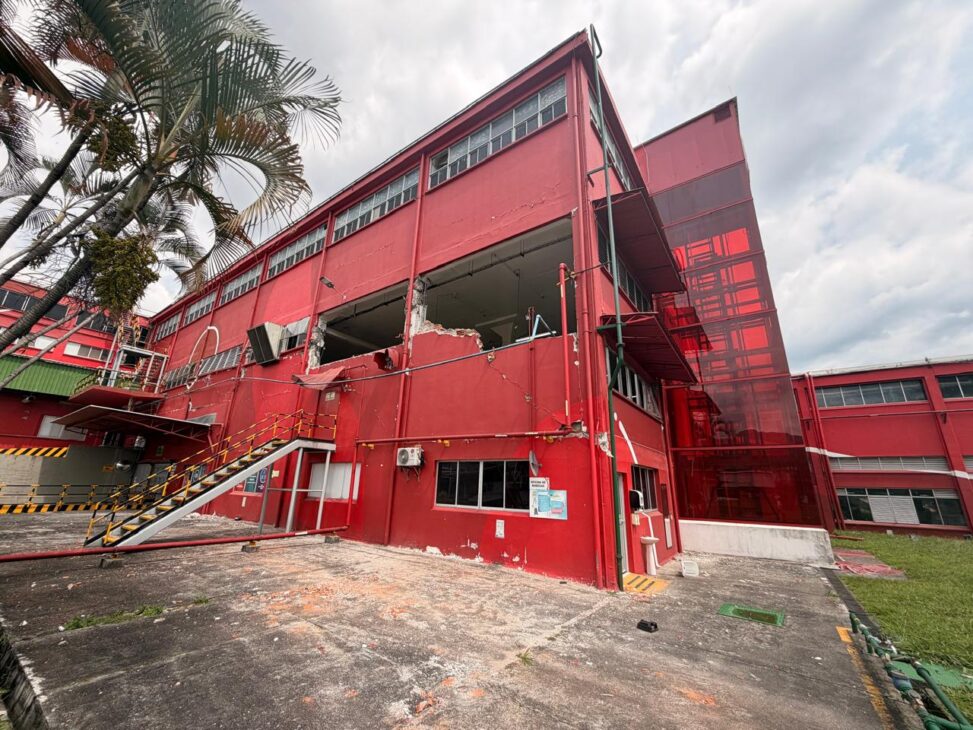
A food plant with more than 75 years of history will stop production in Colombia after an earthquake damaged 70% of its industrial structure. Comestibles La Rosa, a Nestlé affiliate, announced on November 17 that it would permanently shut down operations at its facility in Dosquebradas, in the department of Risaralda. Engineers and representatives of the insurer concluded that the property would have to be demolished.
The decision affects about 300 workers and changes the source of popular products in the country, including Saltinas and Cocosette cookies. The manufacturer operated at reduced capacity for the past three months after the August 10 earthquake, but gave up on restoring the plant. Nestlé will keep its distribution center in the same city and expects to supply part of the market from other plants in the region, including facilities in Brazil.
August earthquake left just 30% of capacity available before closure decision
The August 10 earthquake struck the plant’s infrastructure, equipment and production lines. The company initially tried to preserve part of the operation while technical teams assessed the condition of the buildings. Fernando Gómez, human resources manager at Comestibles La Rosa, said the damage put approximately 70% of installed capacity out of service.
-
Brazilian Brand Opens R$70 Million Uberaba Factory for Porcelain and Perfume, Welcomes Visitors Into Studios and Turns 40,000-Square-Meter Site Into Industrial and Cultural Complex

-
Brazilian company plans humanoid robot factory in Manaus, projects a US$2.5 million investment and aims to deliver the first 50 units to schools in July 2027

-
Explosion at Klabin sends 11 workers to hospital and shuts down Santa Catarina mill after damaging its only recovery boiler at a plant with 330,000 metric tons of annual capacity
-
Volkswagen begins production in South Africa of Brazil-designed, Tera-based Tengo SUV, with 4 billion rand investment and 45% local parts at Kariega plant


In the following months, the facility operated using only the remaining 30%. Partial operations involved 60% of the workforce, whose contracts remained active, while the other employees had their contracts suspended or were temporarily laid off. Measures taken during this period included paid leave, advance vacation time and financial assistance for families, according to company information reported by the Colombian press.
The final technical assessment changed the facility’s fate. After an evaluation with engineers and the insurer, the company said the structures could not safely return to operation and that demolition would be necessary. The decision announced in November formally ends manufacturing operations; it is not simply an extension of the shutdown that began in August.
Plant was already facing competition and operating at half capacity before structural damage
Comestibles La Rosa was facing commercial difficulties before the earthquake. Gómez told La República that increased competition in its segment had reduced industrial utilization to about 50% of capacity in recent years. The company was preparing initiatives to recover production volumes when the earthquake struck the complex.
Average annual production before the quake was approximately 33,000 metric tons, according to information attributed to the executive and published by Semana magazine. The production volume and the capacity affected help put the loss in perspective, as it compounds earlier difficulties. The stated reason for the permanent closure, however, was the technical impossibility of keeping the plant operating safely after the damage.
The complex in Dosquebradas was known for making cookies, candy and confectionery products for the Colombian market. In addition to supplying retail outlets and supermarkets, it supported industrial jobs and a network of suppliers and service providers tied to regional operations.
About 300 workers will receive individual voluntary separation offers
The company announced a voluntary separation program for the plant’s workforce. Offers are to be presented individually, and each worker can decide whether to accept the terms. The company said the financial benefits will exceed the minimum required under Colombian labor law and the applicable collective bargaining agreement.
Local news outlets have cited about 300 to 320 people connected to the operation, depending on the source and the criteria used. The announcement has caused concern among employees and worker representatives, who are seeking clarity on income security, compensation and the fate of the jobs. The voluntary program should therefore not be mistaken for confirmation that everyone has already been laid off.
The company said it had offered psychological support, assistance to families affected by the emergency and temporary alternatives during the production slowdown. For employees who built their careers at the plant, the next step will be learning the specific terms of the agreements and their prospects for finding new jobs in the market.
Saltinas and Cocosette cookies may be supplied by plants in Brazil, Ecuador and Chile
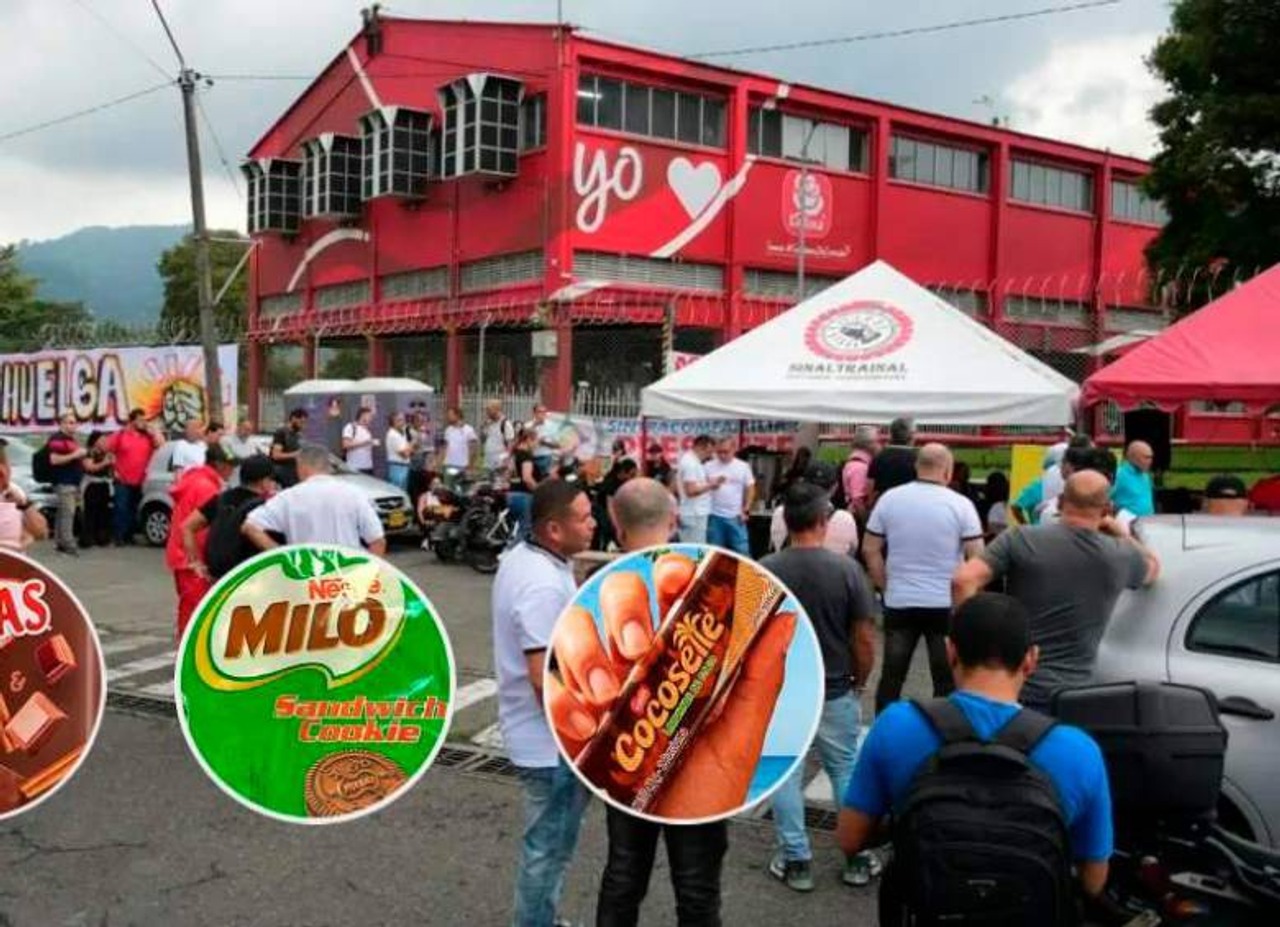
The plant was responsible for traditional Colombian market brands such as Saltinas, Cocosette, Morenitas, Deditos and Macarenas, as well as product formats associated with the Milo brand. It also packaged cereals such as Trix and Chocapic, according to reports published by the country’s news media.
After production stopped, Nestlé began arranging supply through other Latin American facilities. El Colombiano reported that the supply network will include plants in Brazil, Ecuador and Chile. The transfer will be organized by product line and available capacity at each plant; the sources consulted do not identify which Brazilian facility will produce each product.
Fernando Gómez told Semana magazine that the operation had already turned to two partner manufacturers after the earthquake to maintain supply. The company has not publicly identified the suppliers or their capacities. The plan aims to prevent shortages in stores while the multinational determines how to allocate production over the medium and long term.
Distribution center remains in Dosquebradas despite end of manufacturing
Although industrial operations will end, Nestlé confirmed it will continue operating its national distribution center in the municipality. The facility will continue receiving, storing and shipping products, preserving Dosquebradas’ logistics role in the multinational’s supply network.
The company will also maintain commercial ties with its Colombian facilities in Valledupar, Mosquera and Bugalagrande. In another move announced during the same period, Nestlé said Colombia will become the group’s new Andean Region headquarters starting January 1, 2027, bringing together operations in Colombia, Ecuador, Peru and Bolivia.
The closure marks the end of a cycle that began in the middle of the last century. Comestibles La Rosa was founded in 1950 in Colombia’s coffee-growing region, underwent changes in ownership and was fully acquired by Nestlé in 1985. The facility had also sustained damage in the 1999 earthquake, after which production was rebuilt. This time, a structural assessment led to the decision to demolish it.
Next steps include decommissioning the plant, labor negotiations and reorganizing deliveries
The company still needs to determine how the demolition will be carried out, what will happen to the equipment and how the administrative steps involved in shutting down industrial operations will proceed. The market will be watching for continued distribution of biscuits and confectionery, while workers will focus on severance proposals and their social consequences.
The link to Brazil lies in the possible regional redirection of some production, while Dosquebradas retains its logistics operations. The case combines physical damage, the closure of a historic factory and the reorganization of a multinational food supply chain. Should large manufacturers rebuild historic facilities after disasters or move production to other plants? Readers can share their views in the comments.


