





 Portuguese
  English
  Spanish
  3 min of reading
  0 comments


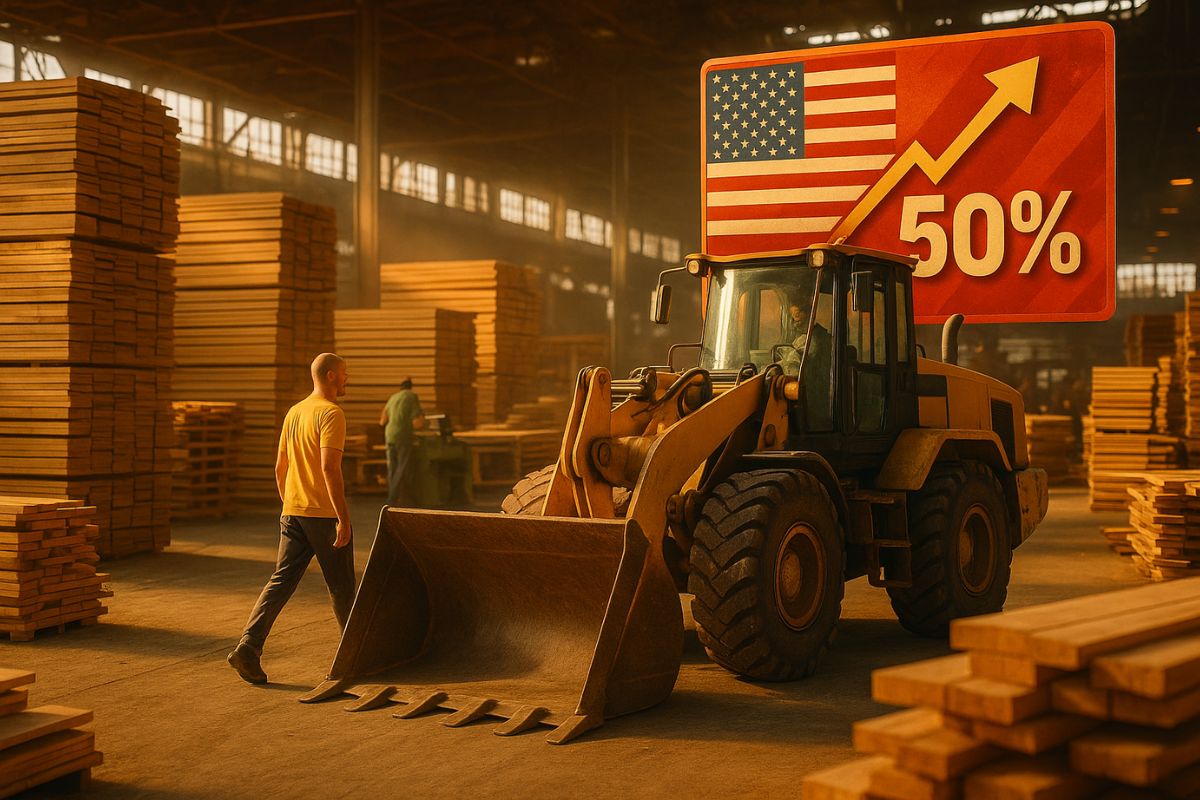
Companies Exporting to the USA Are Giving Collective Vacations After Trump’s Tariff Levy. Surcharge of Up to 50% on Brazilian Products Leads Wood and Furniture Industries to Paralyze Operations and Anticipate Recessions
According to O Globo, the tariff imposed by the President of the United States, Donald Trump, is causing an immediate reaction in Brazil. Various companies exporting to the USA are giving collective vacations as a way to cut costs and buy time while awaiting support measures announced by the federal government. The surcharge of 50% on most Brazilian products — and 10% on about 700 specific items — has drastically reduced orders from the world’s largest consumer market.
In the furniture hub of São Bento do Sul (SC), responsible for 14% of all furniture exported by Brazil, the impact is already visible. Just in the last year, the region sold US$ 77 million in furniture to American customers. With the drop in orders, about 600 workers are temporarily laid off.
Furniture Sector in the Red
The Union of Workers in the Construction and Furniture Industries (Siticom) reported that four companies have already granted collective vacations, while others are studying reduction of hours or partial suspension of activities. The Santa Catarina factory Artefama, which allocates 75% of its production to the American market, has brought forward the recess for 220 employees, divided into two groups, with the possibility of extension if there is no recovery in orders.
-
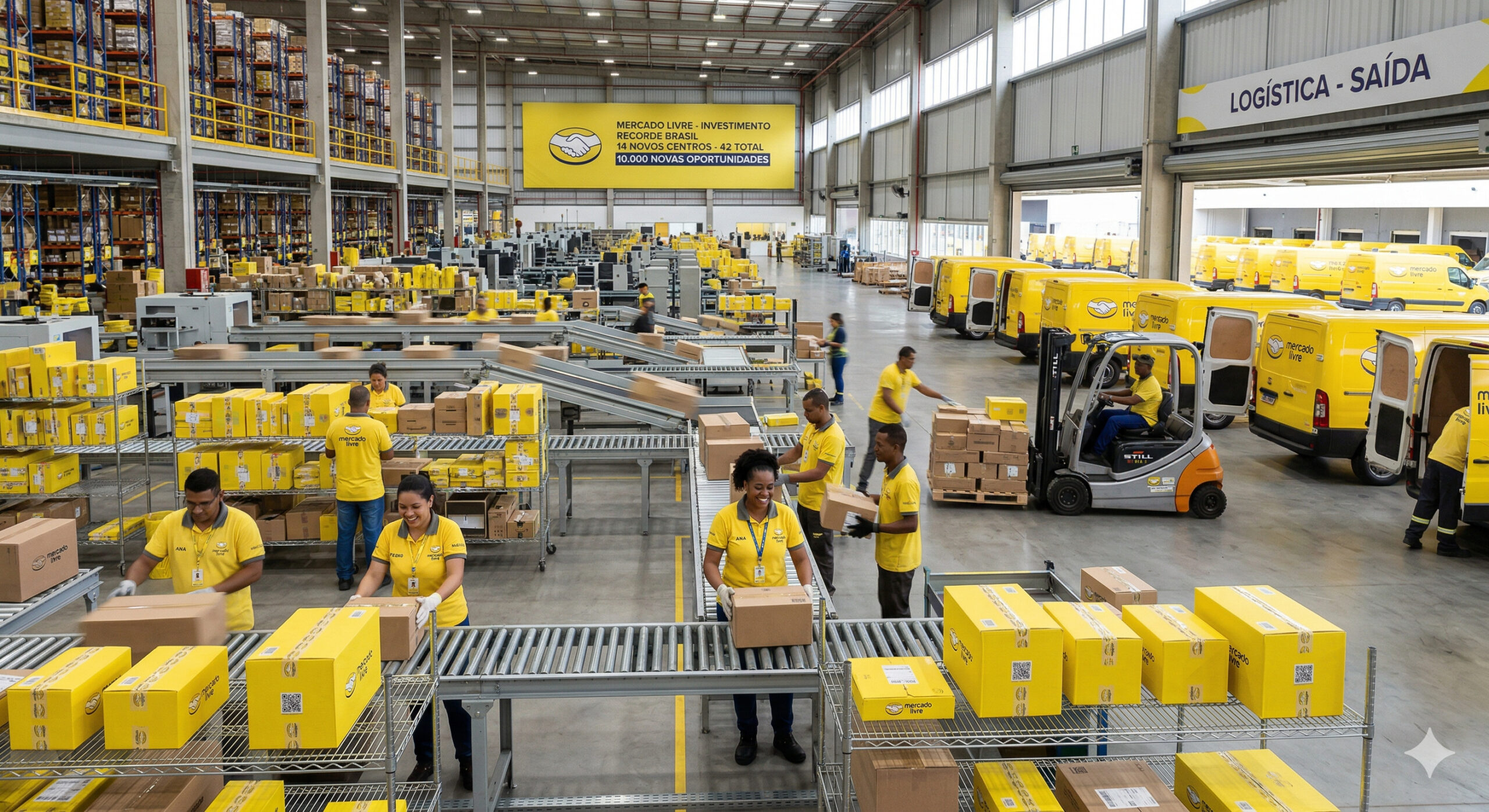
Mercado Livre “opens the vault” and announces a record investment of R$ 57 billion in Brazil in 2026, a value 50% higher than the previous year, with an expansion plan that includes 14 new logistics centers, totaling 42 units in the country and hiring an additional 10,000 employees.
-
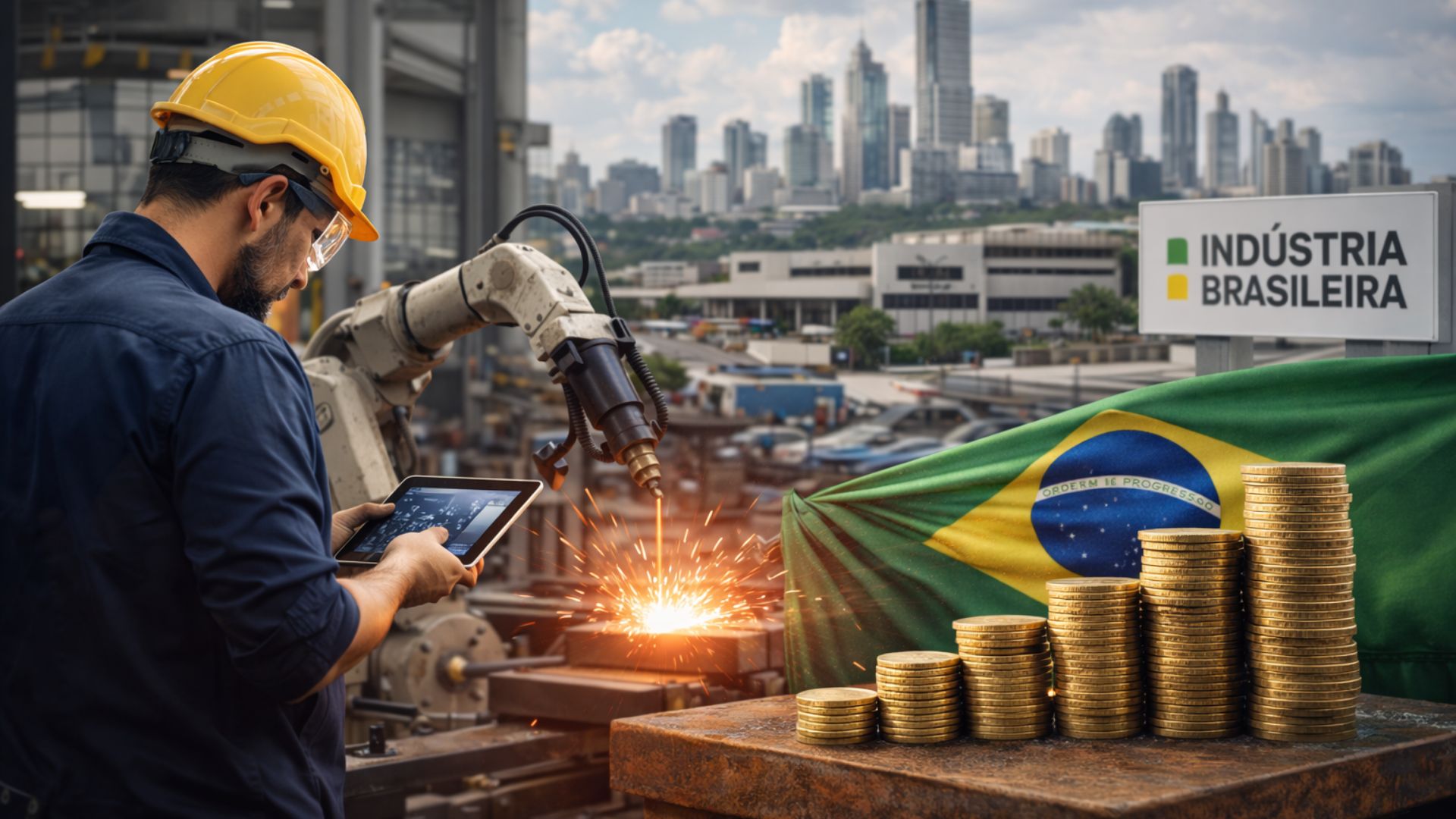
How investment in technology can revolutionize the national economy and enhance industrial gains, according to a study that highlights the direct impact on productivity, innovation, and wealth retention within Brazil.
-
The largest food company on the planet, JBS, has just opened a 4,000 square meter laboratory in Florianópolis to develop customized proteins that modulate muscle mass gain, immune response, and metabolic performance.

-
After nearly 30 bids and competition among industry giants, a Spanish company purchases one of the largest airports in Brazil for almost R$ 3 billion and takes over the management of Galeão in a concession that will last until 2039.

According to CEO Diego Bordignon, seeking new markets is not a short-term solution: “I can’t keep maintaining this pace without orders”, he stated, highlighting that negotiations to export to other countries can take up to six months to materialize.
Processed Wood Also Suffers
The mechanically processed wood sector, which generated US$ 1.6 billion in sales to the USA last year, is facing a similar situation. The industries, concentrated in the South and employing 180,000 people, are being pressured by American clients to lower prices to offset the additional tariffs.
Juliano Vieira Araújo, president of Abimci, warns that the strategy of granting collective vacations is a palliative measure: “Some layoffs will probably occur in the coming days”, he said. Companies more dependent on the American market have already halted part of their operations.
Millpar Case
Millpar, specialized in frames, baseboards, ceilings, and components for construction and decoration, placed 720 of its 1.1 thousand employees on a 30-day collective vacation, retaining only the administrative sectors. The company stated that it is closely monitoring the situation and that decisions will be made based on market analyses.
Uncertainty and Risk of Layoffs
For Luiz Carlos Pimentel, president of Sindusmobil, the unpredictability in exports complicates any planning: clients have suspended shipments or reduced orders, and redirecting production to other markets is a slow and uncertain process. Without a quick recovery, adjustments to the workforce and production capacity will be inevitable.
And you? Do you believe that Brazilian companies will be able to withstand this external pressure? Or will Trump’s tariff forever change the trade relationship between Brazil and the USA? Leave your opinion in the comments.







Seja o primeiro a reagir!