





 Portuguese
  English
  Spanish
  4 min of reading
  0 comments


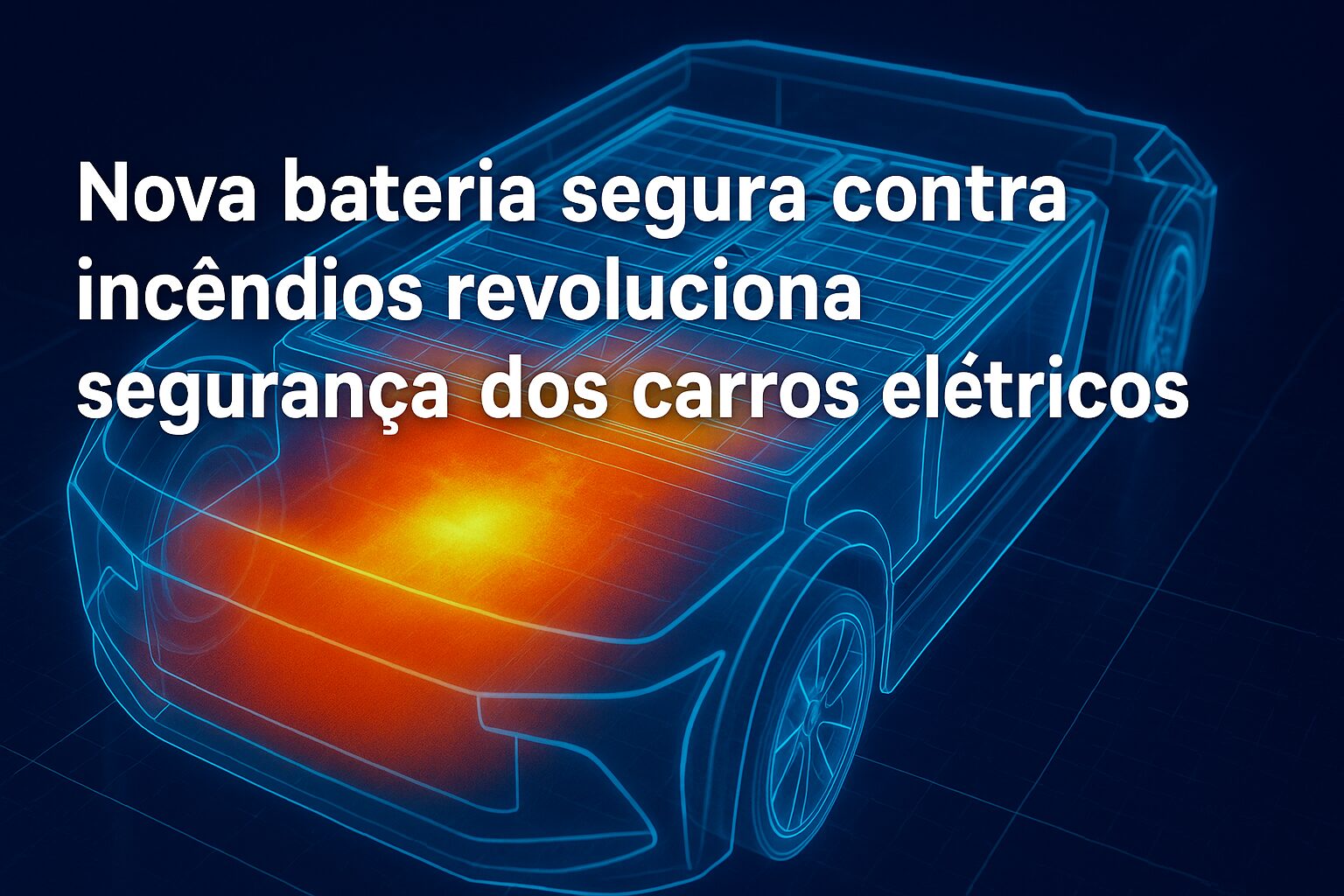
With New Chinese Standard, CATL’s New Battery Technology Eliminates Risk of Fire and Explosion, Reinforcing Electric Vehicle Safety.
A silent revolution is underway in the global automotive sector. The Chinese manufacturer CATL, the world leader in energy storage solutions, has introduced the world’s first battery capable of completely eliminating the risk of fire, even in the event of an internal thermal failure, a situation that historically represents one of the greatest fears related to electric vehicles. CATL’s new battery is already approved and marketed in vehicles such as Zeekr, Aito, Li Auto, and Neta, marking a watershed moment in the battery industry.
The announcement comes shortly after the official publication of the GB 38031-2025 standard, China’s new vehicle safety standard, considered the most stringent ever adopted internationally for electric vehicle components.
Battery is the First to Comply with the New Safety Standard in China
The new GB 38031-2025 standard was published in March 2025 and will take effect only in July 2026, but CATL has preemptively announced that its model already meets all the required criteria. This represents more than a year of competitive advantage over competitors.
-
Giant structures 14 meters beneath Egypt are revealed by satellites and expose a millennia-old secret buried in Buto.

-
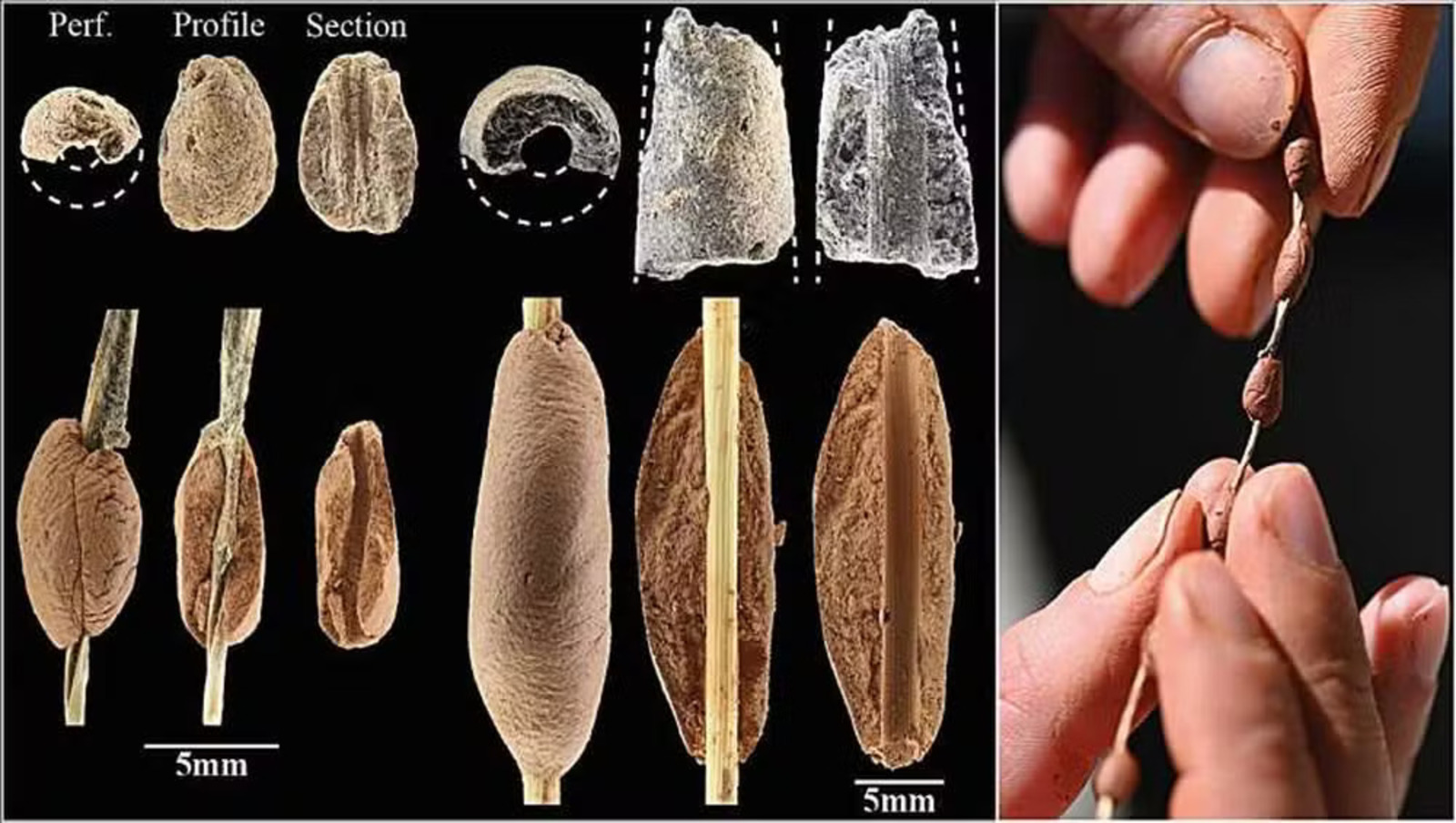
Children have been making clay pieces for 15,000 years in Southwest Asia, and fingerprints preserved on 142 ornaments helped archaeologists prove this.
-
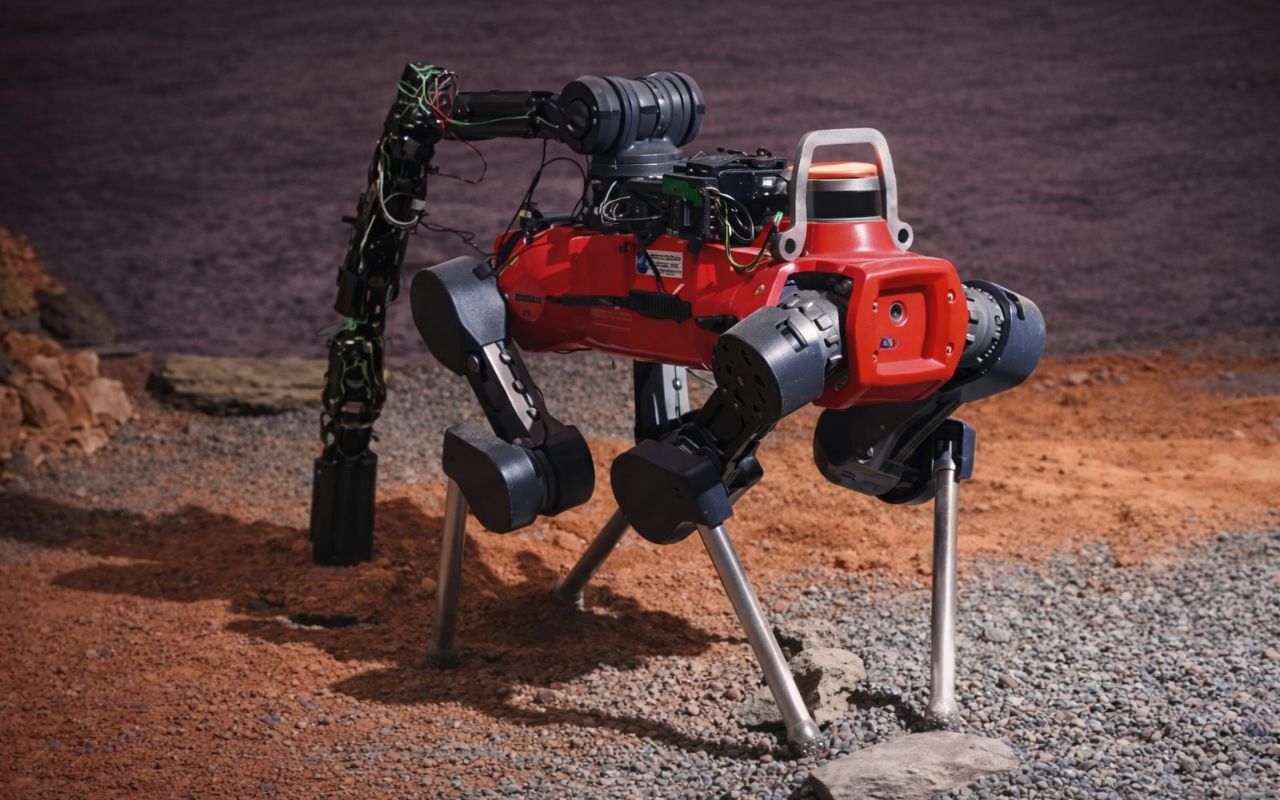
New semi-autonomous legged robot technology challenges the limitations of space exploration by operating almost without human intervention on the Moon.
-
Super toxic red mineral found in the double burial of two women aged 1,900 years near the banks of the Dnieper River in Ukraine.


Among the requirements of the standard are:
- Thermal runaway tolerance without ignition or explosion;
- Effective containment of smoke and toxic gases;
- Resistance to severe structural impacts (simulating collisions);
- Support for extreme fast charging cycles;
- Ability to contain internal cell failures without propagation to the rest of the module.
The battery validation was conducted by the CATARC (China Automotive Technology and Research Center), one of the most respected entities in the sector, also responsible for the vehicle safety program C-NCAP.
Electric Vehicles with New Battery May Be Safer than Combustion Vehicles
The innovation brought by CATL’s fire-safe battery redefines public perception of electric vehicles. Recent advances indicate that, under standards like GB 38031-2025, these vehicles may offer greater structural and thermal safety than fossil fuel-powered models, which are subject to explosion risks in severe collisions.
This technical achievement not only reduces concerns about accidents caused by overheating but also reinforces the industry’s commitment to the safety of electromobility, one of the pillars for accelerating the adoption of clean technologies and enabling global decarbonization.
CATL Leads with CTP 3.0 Architecture and Long-Range Batteries
The battery that underwent testing was developed with the CTP 3.0 (Cell to Pack) architecture, launched by CATL in 2022. This system eliminates intermediate modules, directly integrating the cells into the pack structure, which increases volumetric efficiency (up to 72%) and raises energy density to 255 Wh/kg.
In practice, vehicles equipped with this battery can achieve range exceeding 1,000 km in the CLTC cycle and about 700 km in the WLTP cycle, the more stringent European standard. Among the models already using this technology is the Zeekr 7X, an electric SUV with a 100 kWh battery and up to 780 km of range in China.
In addition to extended range, the battery brings significant advancements in:
- Integrated liquid cooling;
- Multifunctional thermal plate with high dissipation area;
- Reinforced structure with internal cross members;
- Fast charging capability from 10% to 80% in about 10 minutes, with a power of 5C.
There are rumors that the next generation could achieve rates of 6C, further reducing charging time.
CATL’s Advancement Anticipates Race for Safer Batteries and Pressures Rivals
With over 18 million electric vehicles equipped with CATL batteries circulating worldwide, the announcement anticipates a movement that is expected to accelerate in the coming months. By meeting the industry’s most stringent standard more than a year ahead of schedule, the company pressures automakers and competitors to update their technologies.
CATL states it will continue to invest in structural safety, cooling, short-circuit protection, and thermal efficiency, as well as seeking more sustainable and recyclable materials.
This step by the company also represents an advancement for public policies on electrification and vehicle safety, particularly in countries initiating their energy transition, such as Brazil and several nations in Latin America.
GB 38031-2025 Standard Could Become a Global Safety Standard
Industry experts already indicate that the GB 38031-2025, currently exclusive to China, may become a global benchmark in the coming years, following the example of C-NCAP in vehicle safety and China VI in emissions.
This standard emerges at a time when the demand for safer and more reliable electric vehicles is high, especially in light of isolated incidents of fires reported in Europe, North America, and Asia.
The imposition of tests such as impact resilience, post-rapid charge short circuit, and isolated cell failure is expected to increase consumer confidence and help popularize electromobility, even in more skeptical markets.









Seja o primeiro a reagir!