





 Portuguese
  English
  Spanish
  2 min of reading
  0 comments


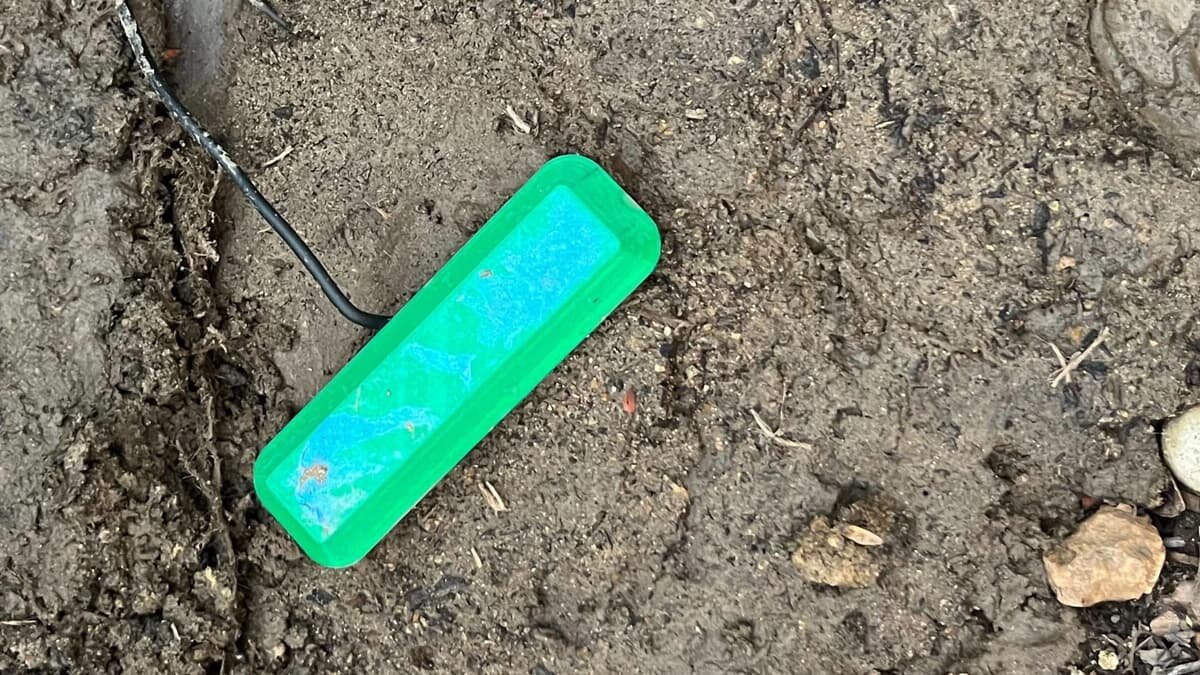
Scientists Develop Microbial Fuel Cell That Can Be Used as a Renewable Energy Source.
Scientists at Northwestern University in the USA, led by Bill Yen, have introduced a new Microbial Fuel Cell to the market, capable of generating electricity continuously through the metabolism of soil bacteria. With dimensions similar to a pocket book, the technology promises to be a renewable and sustainable energy source, used to power underground sensors in agricultural and green infrastructure applications. After nine months of testing, the cell outperformed similar technologies by 120% and is standing out for its durability and efficiency under various soil conditions.
U.S. Scientists Develop Fuel Cell from Soil Bacteria
Scientists at Northwestern University, under the leadership of Bill Yen, have revealed a new step in the search for more sustainable energy sources in the country.
They developed a “Microbial Fuel Cell” that generates energy continuously through the metabolism of bacteria found in the soil.
-
With the wingspan of a Boeing 747 and 160 times lighter, a solar drone flies for 90 days without landing, without fuel, and without a pilot, carrying 17,248 photovoltaic panels, a 200 km radar with AI, and has already crossed storms in the Gulf of Mexico during tests for the U.S. Navy.

-
Butantan Institute will produce pembrolizumab for the SUS and could change everything in cancer treatment by expanding access to innovative immunotherapy that strengthens the body and reduces high costs.

-
China wants to divert rivers through the sky using thousands of generators installed in the mountains of the Tibetan plateau to make it rain in dry regions, and neighboring countries like India and Nepal are already beginning to worry about the effects of this technology.

-
A highly powerful solar explosion is heading towards Earth and could jeopardize the historic launch of NASA’s Artemis II mission in April 2026.

The microbial fuel cell operates by utilizing bacteria found in the soil to produce electricity.
As highlighted by the scientists, this method offers a sustainable alternative to regular batteries, with the potential to power various devices, from underground sensors to agricultural and green infrastructure applications.
Comparable in size to a pocket book, the microbial cell promises to power sensors in underground environments, eliminating the need for conventional batteries that often contain harmful toxic chemicals to the environment.
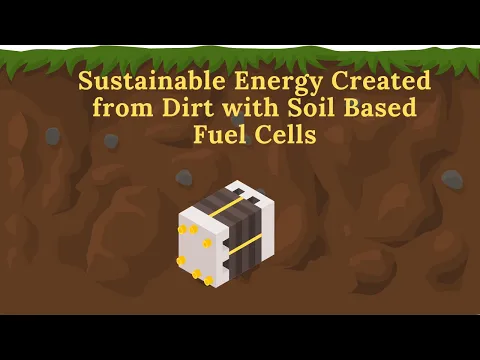

Microbial Fuel Cell Underwent Nine Months of Testing and Refinements
The team of scientists dedicated nine months to testing and refining the fuel cell prototype.
The unique design, with the anode and cathode positioned perpendicularly, was essential to overcoming the challenges associated with fuel cells from bacteria, especially under dry and wet conditions.
Additionally, the use of carbon felt as the anode and an inert metal as the cathode ensured greater efficiency in renewable energy generation.
According to the scientists, the cell’s design also allows the cathode to remain hydrated, even in dry surface soil conditions.
Thus, the microbial cell not only surpassed similar technologies by 120%, generating an average of 68 times more energy than necessary to operate the test sensors, but also showed resistance to variations in soil moisture.
Bill Yen, the team leader, emphasized the importance of this discovery for a future with an increasing number of devices in the Internet of Things (IoT).
According to him, fuel cells that generate renewable energy from bacteria can provide small amounts of power to support a decentralized network of devices without relying on hazardous materials.








Seja o primeiro a reagir!