





 English
  Francês
  Alemão
  Italiano
  Japonês
  Norueguês
  Portuguese
  Spanish
  3 min of reading


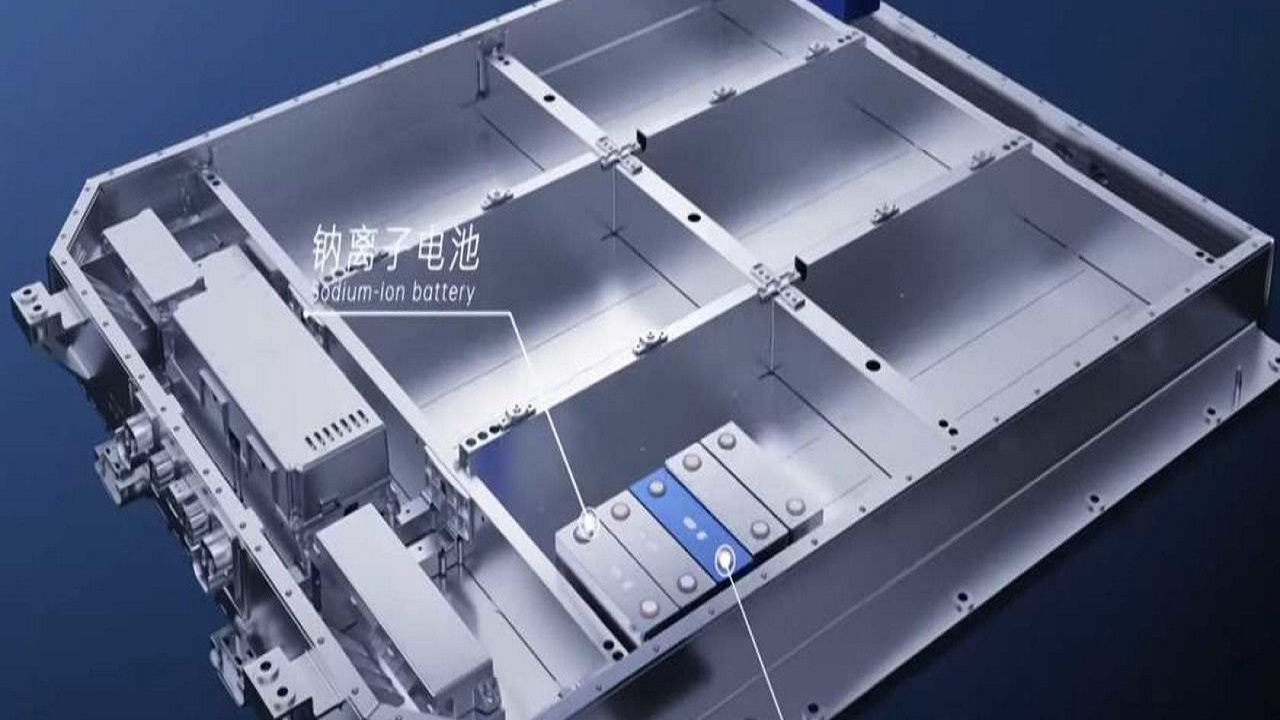
Potentially Replacing Lithium, CATL Is Developing A New Technology For Electric Car Batteries Using Sodium Ion, Which Are Cheaper And Faster, Promising To Revolutionize The Automotive Industry
CATL recently launched sodium ion technology, which consists of batteries that do not use lithium, precious metals, or rare earths, and besides having a faster recharge due to their uneven chemical composition, they also have a cheaper production cost. By setting aside lithium, CATL’s electric car batteries can revolutionize the automotive industry.
Read Also
Electric Car Automotive Industry Will Grow 14 Times By 2030


CATL’s new technology could be significant in a world where the demand for batteries is growing tremendously; however, it cannot be considered a viable solution for all problems. Therefore, companies that mine these types of materials, such as lithium, are not afraid of the new technology or CATL’s development plans.
-
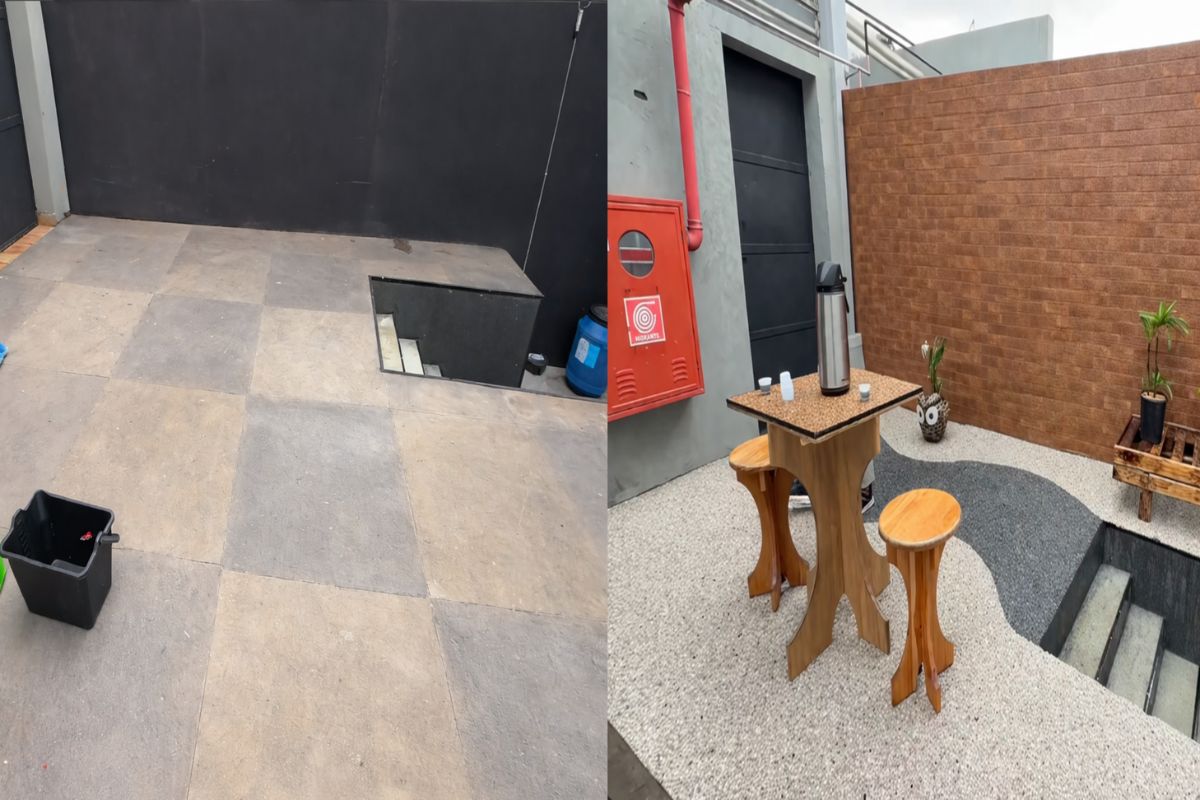
In just three hours, a natural stone floor transforms the entrance of the house with an organic effect, immediate drainage, and a sophisticated non-slip finish that doesn’t puddle water, dries quickly, and impresses with the final result.
-
‘Interlocking brick’ made of earth arrives in the construction industry with cost reductions of up to 40% on the project.

-
Espírito Santo will receive the largest engineering project in its history with the duplication of BR 262, which will have 50 viaducts, 28 bridges, and 2-kilometer tunnels cutting through the most challenging mountainous region of the entire state.

-
A project of nearly 9 million reais already has the first kilometer paved in Santa Catarina and promises to completely transform the access between Jaraguá do Sul and Rio dos Cedros in an area where tourism is growing at a rapid pace.

Mining companies claim that this technology still offers limited autonomy compared to the technologies currently used in the automotive industry because it releases less energy than conventional lithium ion batteries.

Moreover, at this stage, sodium ion batteries are heavier than their competitors, which means they are not ideal for assembling objects that need to move, such as electric cars. The International Energy Agency (IEA) projects that the sustainable automotive industry will grow 14 times by 2030, reaching 145 million electric cars on the roads.
According to experts, it is impossible to imagine that a new technology like CATL’s could power all vehicles on its own. Therefore, the chance of “getting rid” of lithium is still slim, making recycling increasingly important.
New Technology Will Only Reach 15% Of The Automotive Industry By 2035
The last issue to be considered is that the ecological transition will not only be for the automotive industry; there will be various devices that will demand clean energy in the coming years. Thus, it can also be said that sodium ions will not be able to replace lithium ions in all applications.
According to consulting firm Adamas Intelligence, the new batteries will only reach 15% of the global market by 2035. From a lithium producer’s perspective, CEO Ryan Castilloux states that it is not a significant threat in the near future, and Andrew Miller, an analyst at Benchmark Mineral Intelligence, also agrees, stating that the number of new potential markets for batteries is evolving much faster than competing lithium ion technologies.
The Future Of CATL Technology
Roskill estimates that the demand for lithium for electric car battery production will increase by more than 2 million tons by 2030, while the demand for cobalt, a metal also threatened by sodium ions, will double by 2031.
In contrast, Rio Tinto approved a US$ 2.4 billion investment in a lithium borate project in Serbia, a country in the Balkans, in July. Meanwhile, CATL aims to increase the energy density of its batteries from 160 Wh/kg to 200 Wh/kg with its new technology.

Formado em Jornalismo e Marketing, é autor de mais de 20 mil artigos que já alcançaram milhões de leitores no Brasil e no exterior. Já escreveu para marcas e veículos como 99, Natura, O Boticário, CPG – Click Petróleo e Gás, Agência Raccon e outros. Especialista em Indústria Automotiva, Tecnologia, Carreiras (empregabilidade e cursos), Economia e outros temas. Contato e sugestões de pauta: valdemarmedeiros4@gmail.com. Não aceitamos currículos!







Seja o primeiro a reagir!