





 Portuguese
  English
  Spanish
 4 min of reading


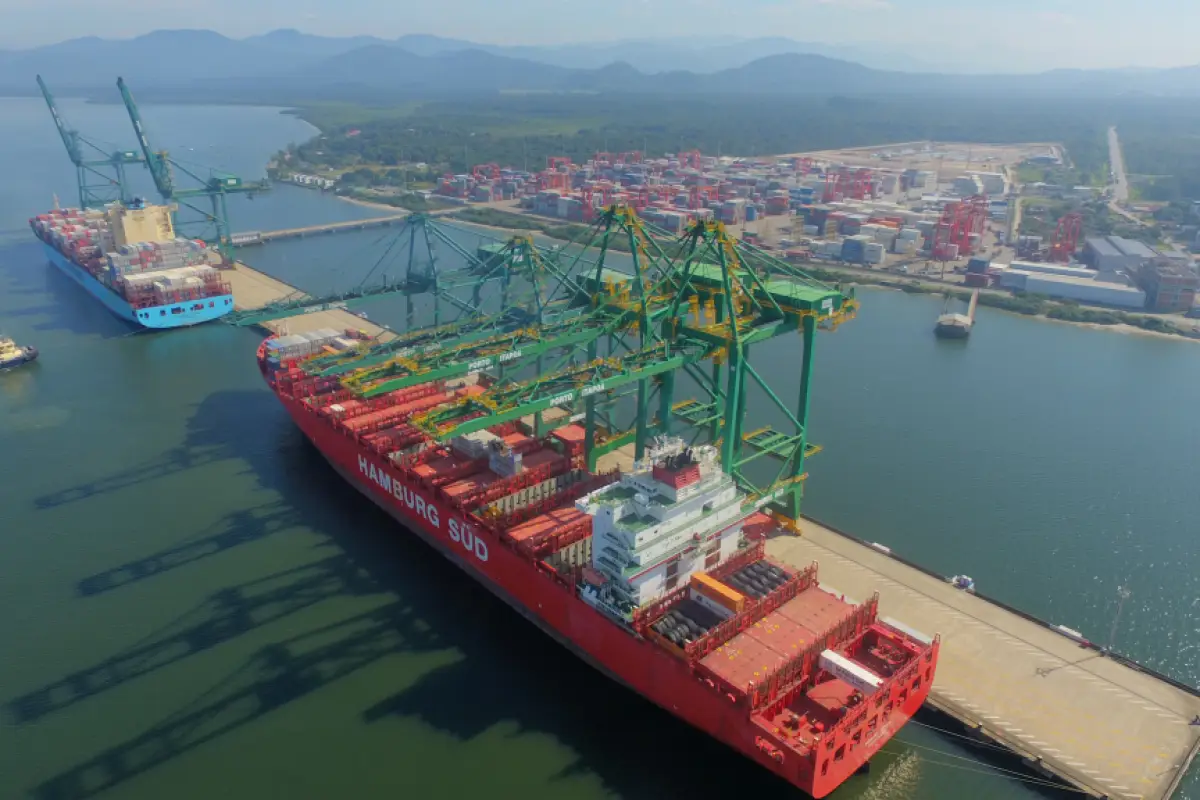
The Port of Itapoá, in Santa Catarina, has become the first port terminal in South America to operate RTGs (rubber-tired gantry cranes) by remote control. Through an investment of more than US$ 25 million, the port acquired 10 pieces of equipment that will be controlled remotely with greater agility and safety for workers.
In May 2022, the Port of Itapoá received the first equipment, while the second batch was scheduled for November of the same year. These cranes can stack up to six containers and are hybrid, with fuel consumption three times lower than a conventional diesel-powered RTG.
However, the Port of Itapoá acquired a Portainer (crane that moves containers between the dock and the ship) with a 70-meter reach valued at US$ 11 million. The Terminal already has six portainers, with four having 55 meters and two with 65 meters of reach.
The new RTGs are part of a global strategy by ZPMC to modernize operational terminals. According to Sérgio Pessoa Rosa Jr., Director of Port Operations, Technology, and Environment at the Port of Itapoá, “we are already training the operators who will work on these machines and also preparing the room where they will start working.”
-
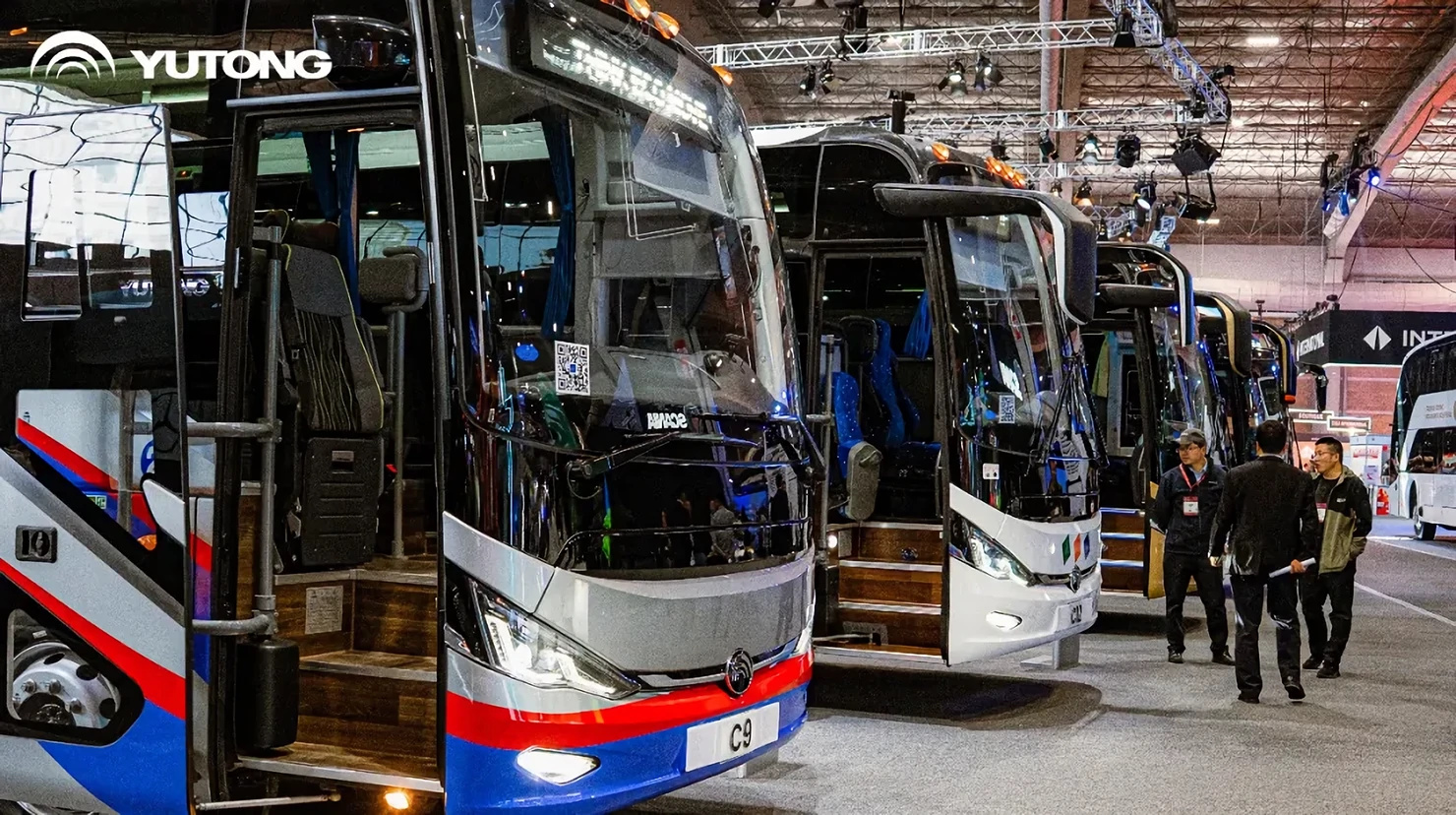
China advances into Mexico’s transportation with an electric bus that has a range of up to 530 km, bringing a complete line to the country in 2026 and transforming its partnership with Yutong into one of the most strategic in Latin American mobility.
-
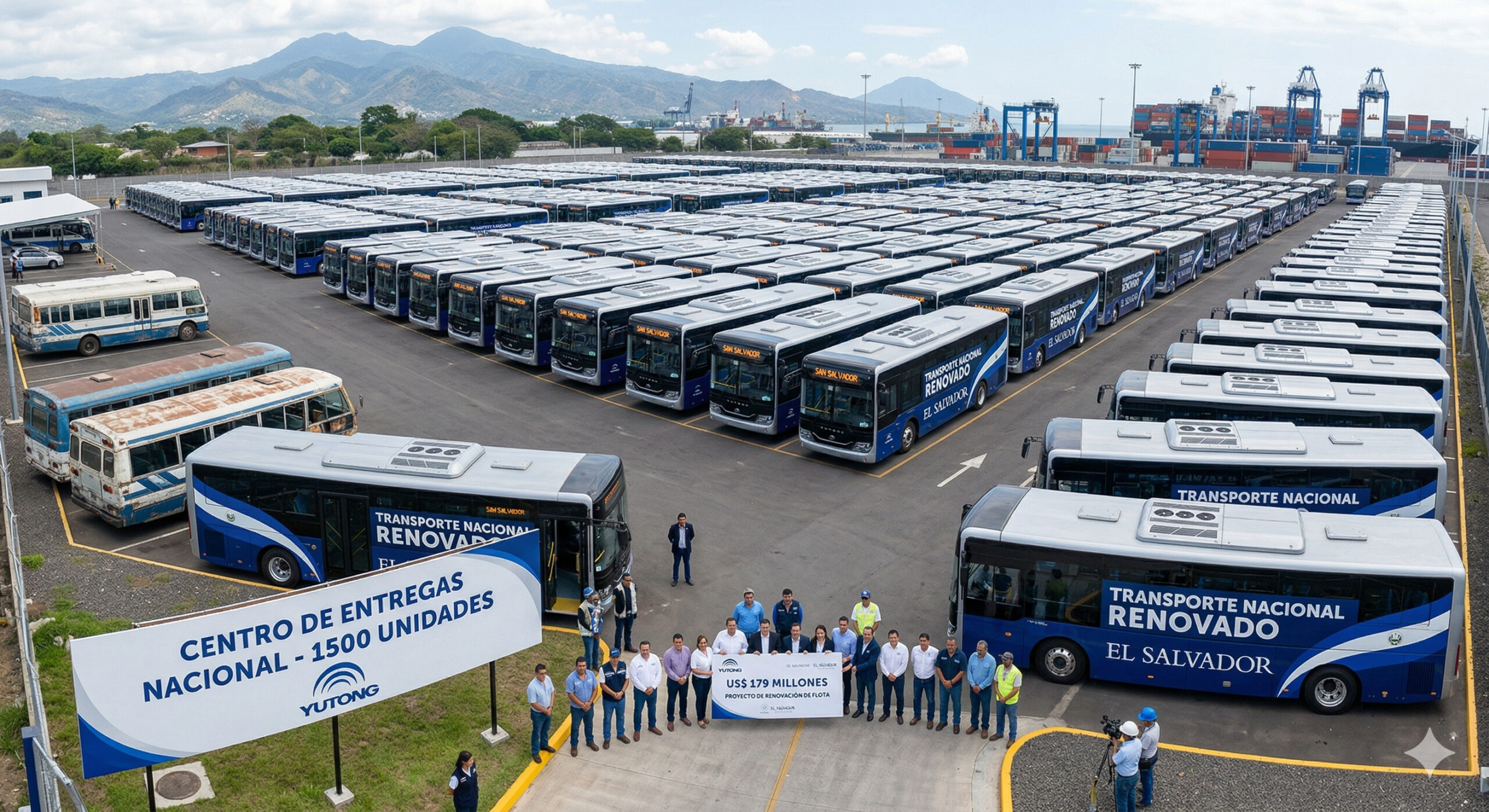
With 1,500 new buses financed by an international agreement, El Salvador is preparing the largest renewal in the history of its public transportation, a plan of $179 million with vehicles from the Chinese company Yutong that could replace practically the entire fleet of the country.
-
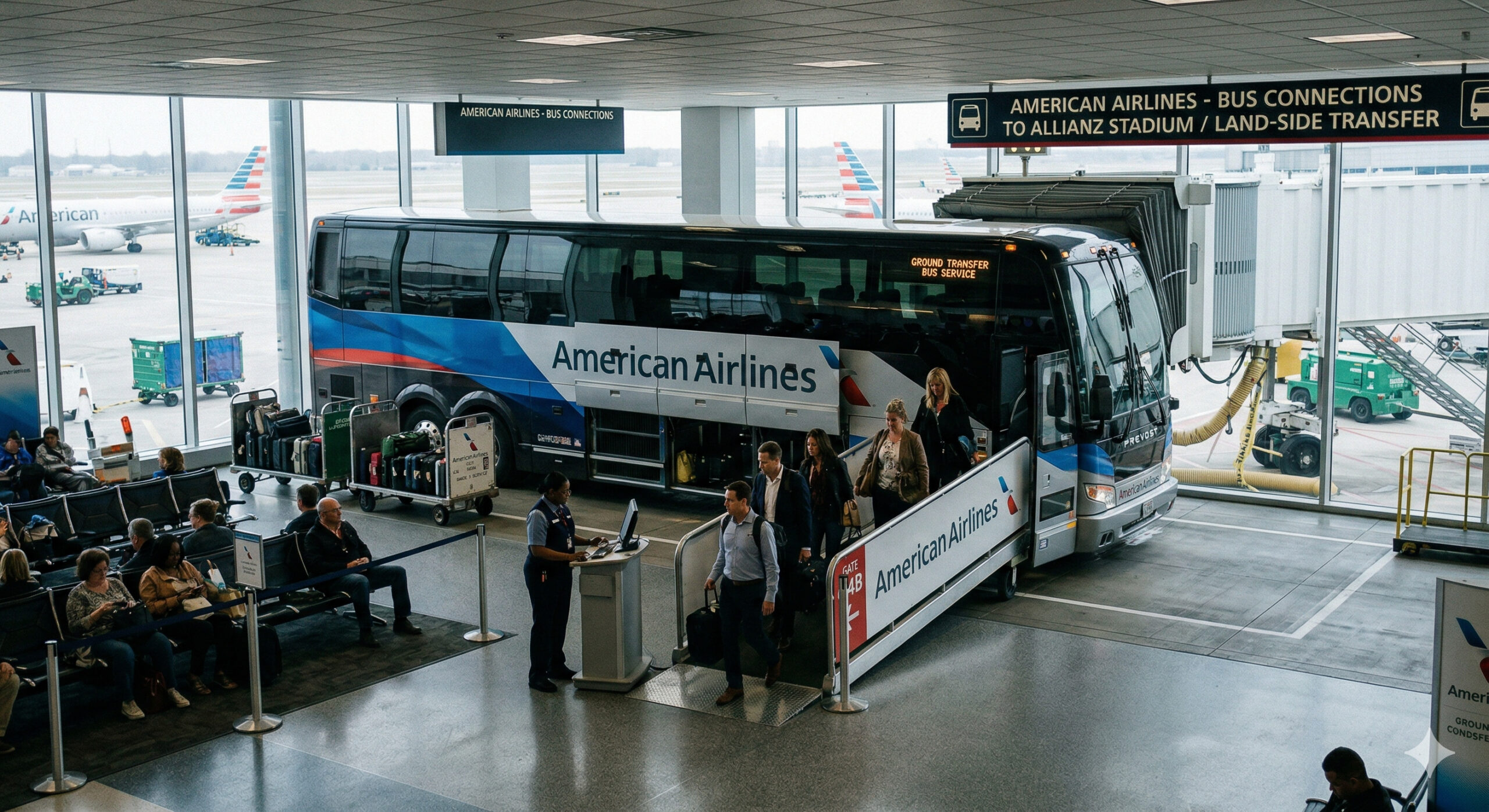
American Airlines starts selling trips as if they were flights, with check-in and baggage check at the airport, but on short routes, passengers board luxury buses connecting cities to major hubs in the U.S.
-
São Paulo surprises the world with a colossal railway network project that promises over 1,000 km of tracks, R$ 194 billion in investments, and 40 projects connecting the capital to the interior with fast and sustainable trains.
To complement the new technologies acquired by the Port of Itapoá, a mobile scanner for container inspection will arrive in March of this year, purchased for about 10 million reais. In 2022, the port acquired two Reach Stacker forklifts with the capacity to move 45 tons. To conclude the recent acquisitions, nine terminal tractors (TTs), manufactured by Rucker, capable of carrying 65 tons each, were acquired.
With these modern technological acquisitions, it is possible to conclude that the Port of Itapoá has become a reference in South America when it comes to innovation. The expectation is that all these pieces of equipment will contribute to significant improvements in the port’s logistical operation, resulting in greater agility and safety for workers.
Port Itapoá
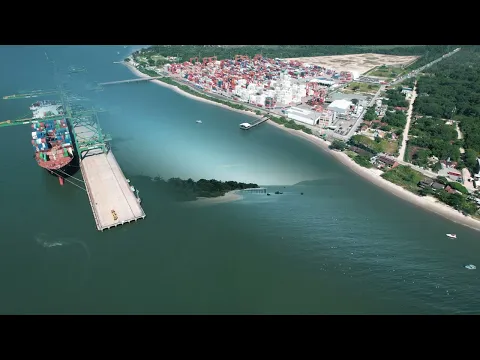

The Port of Itapoá, located on the north coast of Santa Catarina, is considered one of the most agile, efficient, and sustainable in Latin America, completing eight years of operation in June of this year. The National Agency for Waterway Transportation (ANTAQ) classifies it as one of the largest and most important in the country in handling containerized cargo.
It is worth noting that the Port of Itapoá is one of the most privileged ports in Brazil due to its strategic location in Babitonga Bay. The calm and deep waters of the region allow large vessels to dock easily on-site, bringing safety and agility for importers and exporters operating in various business segments.
With its modern container terminal, the Port of Itapoá has become the stage for the international maritime route between Brazil, South America, and Europe. Thus, it has complete infrastructure for handling general cargo, such as iron ore, soybeans, fertilizers, cement, sugar, and other solid products.
According to the latest data presented by ANTAQ, the Port of Itapoá has been handling an average of 1 million TEUs (twenty-foot equivalent units) per year since 2013. In the last 12 months until May of last year, 888 thousand TEUs passed through the port. The number is 18% higher than that recorded during the same period the previous year (2018).
The Port of Itapoá has also been investing in modernizing infrastructure to offer increasingly agile and competitive services. Recently, new logistics warehouses for storing goods were built, as well as the expansion of the maneuvering platform for larger vessels.
Currently, the port has two berths for receiving vessels – one of which is equipped with modern “Tween Deck” quick fastening systems; three hydraulic cranes capable of lifting up to 52 tons; three generator sets; three electric cranes; two mechanical assistants; as well as the necessary equipment for the normal operation of the terminals.
Another advantage of the Port of Itapoá is its proximity to BR 101 – the highway that connects São Paulo to Curitiba – enabling better connectivity with the main cities in the state and facilitating the flow of cargo transported by the vessels that dock on-site.
Furthermore, the Port of Itapoá is internationally recognized for having obtained the ISO 14001:2015 certification, which assesses the social and environmental commitments of the Santa Catarina terminal. With this certification, the port rigorously maintains the guidelines established by ANTAQ regarding the environmental preservation of the northern Santa Catarina coastline during operations performed on-site.









Seja o primeiro a reagir!