Portuguese
  Spanish


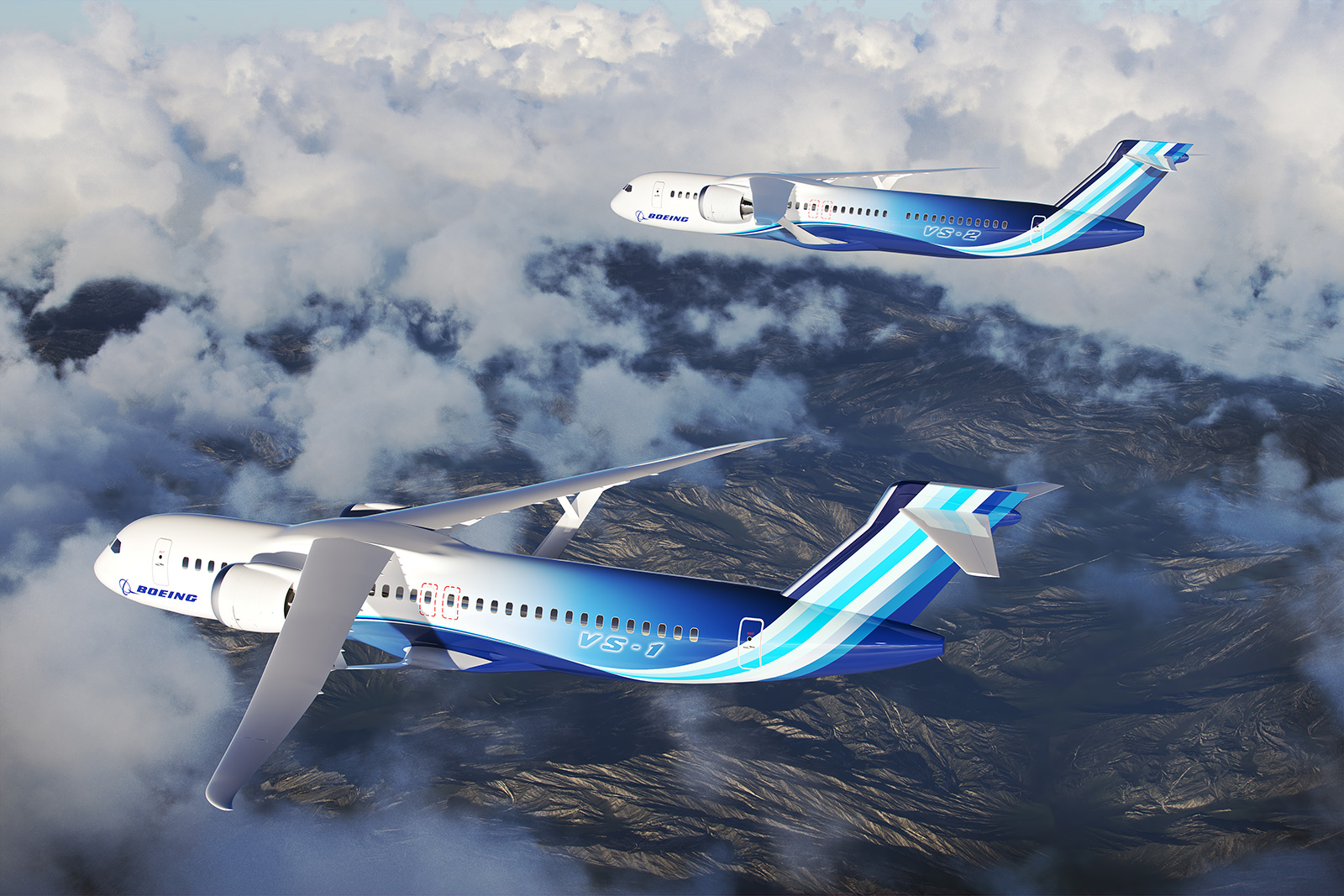

Airlines Aim to Build a New Commercial Airplane Model That Reduces Fuel Consumption and Pollutant Emissions. NASA Has Teamed Up with Boeing to Ensure the Company’s Expertise in the Development of the Sustainability Project.
The search for more sustainability continues across all segments of the global industry at the beginning of 2023. NASA announced a partnership with Boeing last Wednesday (01/18). They will join forces to develop a project for a new, more sustainable commercial airplane with low fuel consumption. This way, it will be possible to minimize the environmental impacts of commercial flights in the coming years by investing in an initiative to reduce pollutant emissions.
NASA and Boeing Promise New Commercial Airplane with 30% Reduction in Fuel Consumption in Current Sustainability Project
The reduction of polluting gas emissions, especially carbon dioxide, continues to be the major challenge for the international transportation sector today.
Companies around the world are joining together to develop projects aimed at minimizing the environmental impacts of transportation operations.
-
Latin America’s Largest Port Invests $400 Million in Rail System with Trains Up to 2.4 Kilometers Long
-
New Smart Radar Begins Issuing Fines to Solo Drivers in Carpool Lanes, Uses Cameras to Count Occupants, Changing Traffic Enforcement Rules on Busy European Roads

-
Brazil Welcomes Spanish Wamos Air and Nigerian Air Peace, Potentially Transforming International Routes and Increasing Competition
-
Why can the crane operator only obey the correct signalman on the construction site: among dozens of workers, a hand raised by the wrong person can confuse the maneuver and turn a load of tons into an immediate risk.



With this objective, NASA has partnered with Boeing. The companies are working together on a project to launch a new model of commercial airplane.
The focus of the companies is to ensure an airplane with a reduction in fuel consumption of up to 30%, targeting sustainability.
This way, operations would have fewer pollutant emissions into the atmosphere, thereby minimizing transportation impacts.
To achieve this, the airplane will feature more efficient engines and longer, thinner wings that sit high on the fuselage supported by a strut. This new model ensures less drag and requires less fuel for operation.
“The aerodynamics of this type of configuration has been known for a long time. If you increase the aspect ratio of a wing, you will naturally reduce the drag of that airplane due to lift. We know that if we do this, you get better aerodynamics and burn less fuel,” emphasizes Bob Pearce, Administrator of NASA’s Aeronautics Research Mission Directorate.
Despite aiming for sustainability, NASA and Boeing face a significant challenge today: developing longer, thinner wings without making the airplane heavier.
Boeing revealed an initial version in 2019; however, it states that it will need several years to optimize the project.
First Prototype of the New Commercial Airplane Expected to Be Launched in 2028, with Commercial Use Estimated for 2030
Although grounded in strong sustainability principles, the companies’ project still requires various improvements.
Thus, NASA and Boeing expect to launch the first prototype of the new commercial airplane in 2028.
Commercial use of the airplane is only scheduled for 2030, ensuring all necessary improvements in the initial prototype.
It is worth noting that NASA is much more than a space agency, also operating in the aviation and climate sectors and developing solutions to reduce carbon emissions.
Currently, its electric aircraft X-57 Maxwell is an example of a project with technologies that can optimize commercial airplanes.
“When you fly on any type of aircraft, you are surrounded by NASA technology,” said the agency’s Administrator, Bill Nelson.
The project aims to revolutionize the type of aircraft that the public uses most frequently, ensuring greater sustainability in these operations.
Thus, NASA and Boeing will employ the best sustainability technologies to optimize the outcome of the new commercial airplane project in the coming years.