





 Português
  Inglês
  Espanhol
 4 min de leitura
  0 comentários


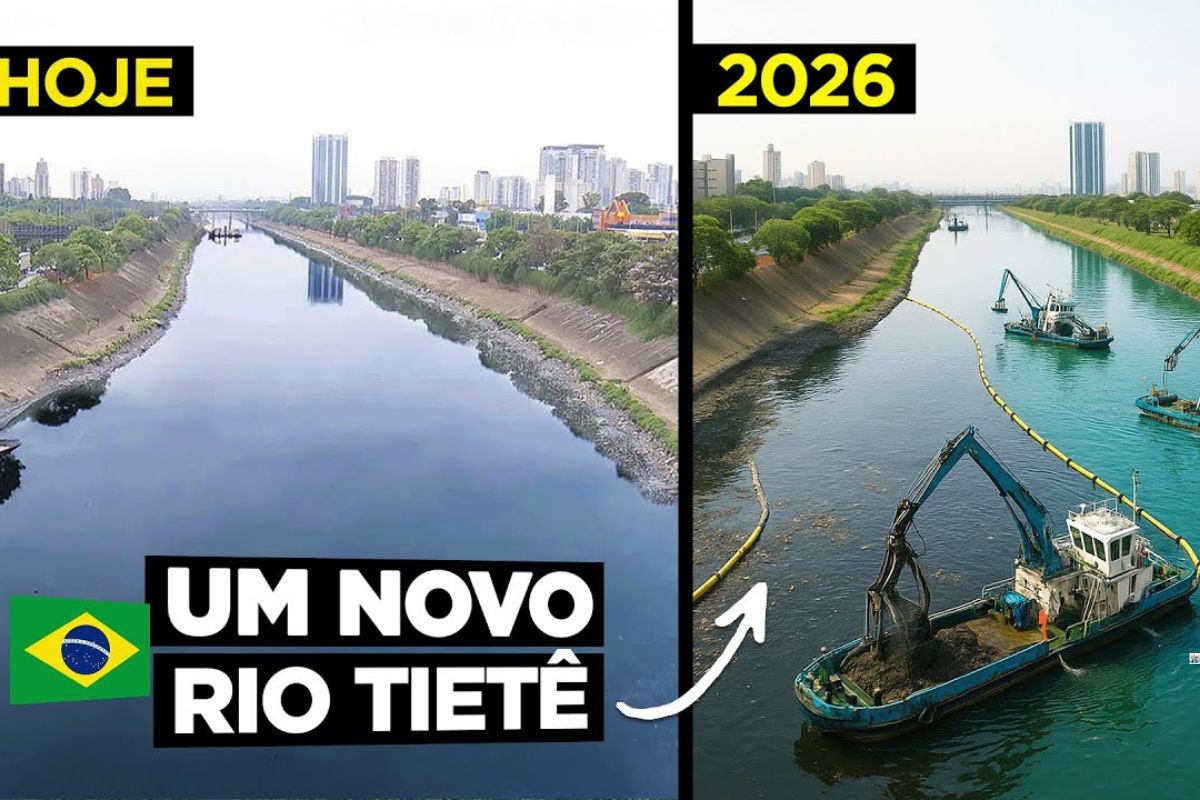
With Billion-Dollar Investments, The Integra Tietê Program Bets on Sanitation, Dredging, and Pollution Combat Actions to Recover The Tietê River, A Historic Symbol of São Paulo That Returns to be An Environmental and Urban Priority.
Symbol of the São Paulo expansion and also of its degradation, the Tietê River returns to the center of attention with the Integra Tietê program, a set of works and public policies aimed at restoring water quality and reducing the pollution accumulated over decades. The plan combines robust investments, technological advances, and integrated management to balance urban growth and the environment.
Focusing on continuous sanitation and dredging, the Integra Tietê creates a model of ongoing action that prioritizes the maintenance and monitoring of waters, replacing emergency interventions with long-term planning. The challenge is to transform the Tietê from a symbol of pollution into an example of water recovery and public efficiency.
A New Cycle for The Tietê River
The Tietê River was once a source of pride for the São Paulo population until the early 20th century, when its waters were clean and navigable.
-
With an unusual prize, Japan transforms office chairs into a resistance race on the streets, ISU-1 Grand Prix grows, fills stages, and pays 90 kilograms of rice.

-
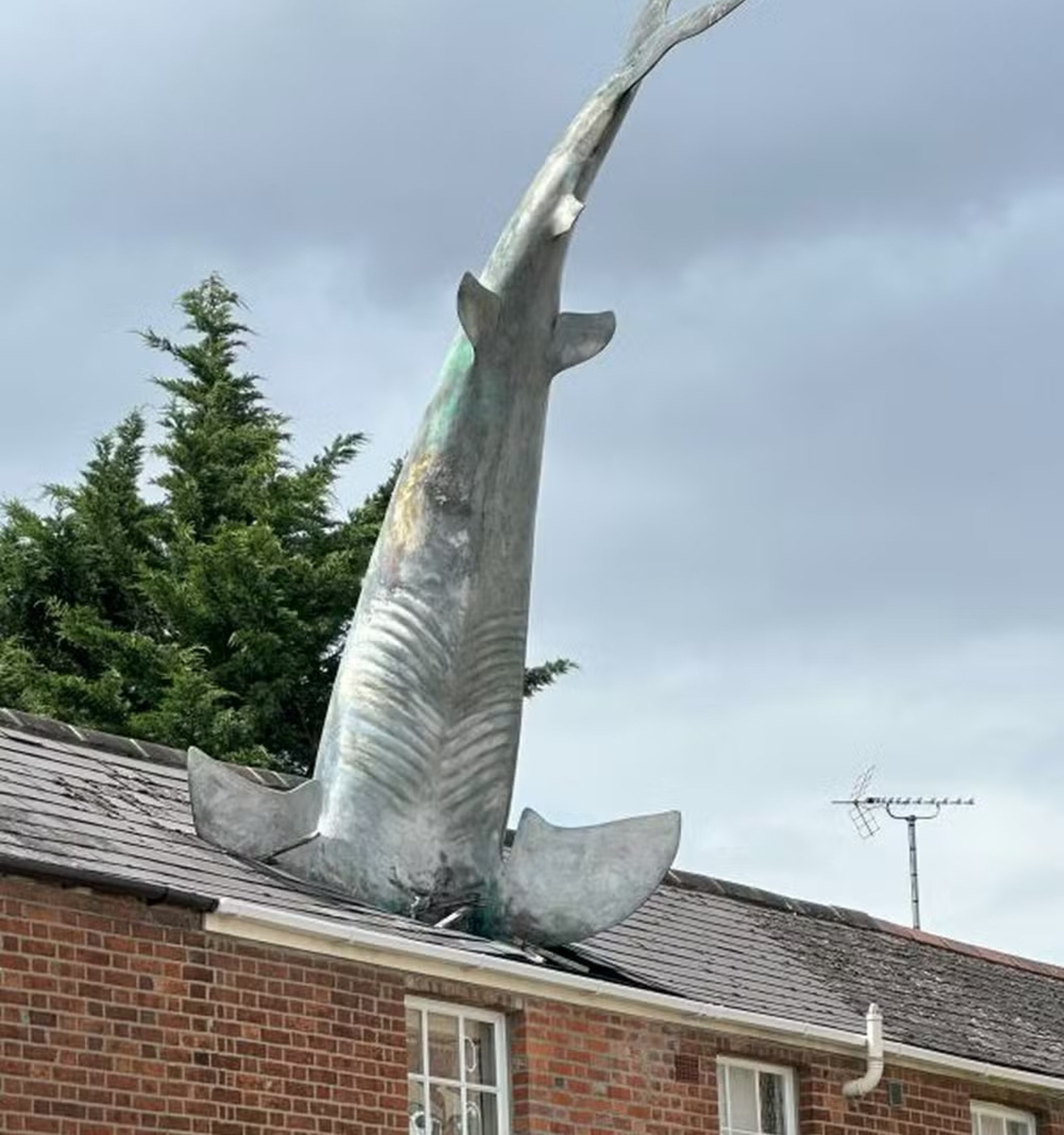
House in England with a 7.6-meter shark embedded in the roof attracts attention worldwide and becomes a curious attraction in Oxford.
-
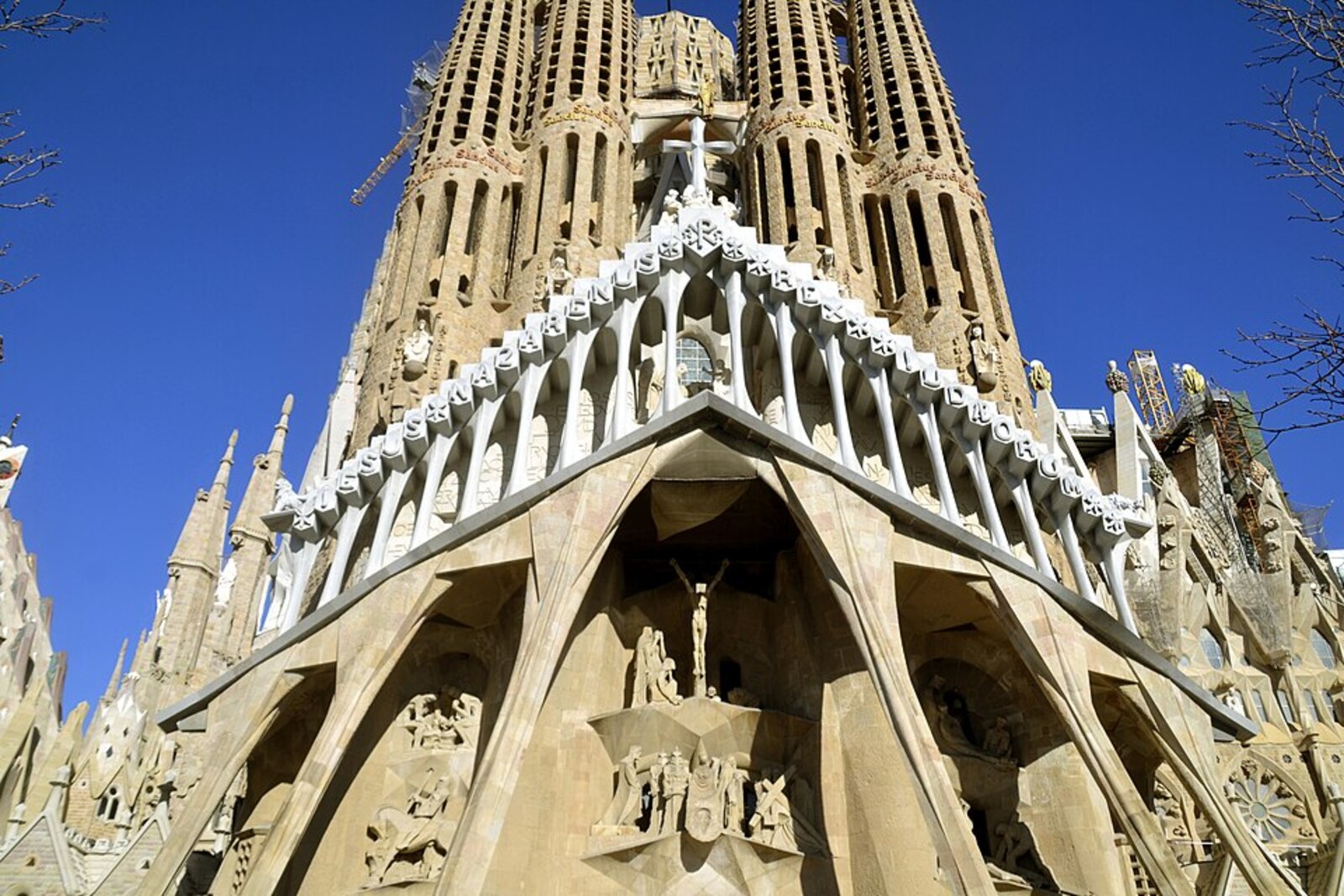
Masterpiece in Spain, under construction since 1882, receives 4.8 million visits in a year and impresses with its gigantism and architecture.
-
Attracting around 250,000 people a year, a lighthouse 200 meters from the sea, on a 60-meter high cliff, on the North Sea coast in Denmark, becomes one of the most impressive examples of how nature can threaten historical buildings.


The unplanned growth of the city and the lack of sanitation turned the river into one of the most polluted watercourses in the country.
The Integra Tietê program was created precisely to reverse this situation with clear goals and large-scale infrastructure.
Investments amount to R$ 23.5 billion by 2029, distributed among sewage collection, modernization of treatment stations, dredging works, and flood control.
The goal is to eliminate the discharge of raw sewage and expand treatment in the main metropolitan areas, reducing pressure on the riverbed and its tributaries.
Sanitation as a Central Axis
The foundation for the recovery of the Tietê River lies in sanitation.
The program operates on five main fronts: household connections, collectors and interceptors, treatment stations, dredging, and flood control.
Each of these stages works together, forming a continuous flow system that prevents the return of pollution.
The Barueri Treatment Station, the largest in the system, processes 16,000 liters of sewage per second.
When the network operates integrally, the impact is immediate.
Less odor, reduced foam formation, and increased oxygenation of the waters are concrete signs of the environmental improvement that the program begins to generate.
Dredging and Combating Pollution
Dredging is one of the most visible and strategic stages of the Integra Tietê.
Since 2023, over 2.3 million cubic meters of sediment have been removed from the riverbed and adjacent streams.
Dredging recovers the depth of the channel and reduces the risk of flooding, especially on the banks.
Water quality measurements show a gradual improvement.
By 2025, the area of pollution decreased from 207 kilometers to 174, according to data from SOS Mata Atlântica.
Continuous dredging, combined with expanded sanitation, is what sustains the structural improvement of the basin.
Management, Technology, and Transparency
The Integra Tietê program also innovates by incorporating technology and governance into the maintenance routine.
A public panel allows monitoring of the progress of works and water quality indices in real-time.
The telemetry system monitors flow and river level, providing alerts before heavy rains.
A public-private partnership of R$ 9.5 billion ensures dredging and cleaning of the banks for 15 years, regardless of political changes.
This operational continuity is the differentiator that can consolidate the project as state policy and not just government policy.
Expected Results and Urban Impact
The effects of the Integra Tietê go far beyond the river.
The reduction of pollution improves public health, decreases the number of floods, and enhances urban areas near the banks.
Each neighborhood with a new household connection represents less sewage discharged and less contamination.
The recovery also has the potential to revitalize degraded urban spaces, making the surroundings of the Tietê River more livable.
Constant dredging and the efficiency of sanitation are now the city’s greatest allies against environmental degradation and social harms.
The Tietê River reflects the history of the metropolis that surrounds it. Polluted by haste, it now depends on technical and political persistence to be reborn.
The Integra Tietê shows that concrete results only appear with constant maintenance, well-planned sanitation, and continuous dredging.
The recovery of the Tietê is not a project; it is a process.
And this process, if maintained rigorously, can transform the main river of São Paulo into an example of environmental management for the country.
Do you believe that the Tietê River can regain clean waters? Leave your opinion in the comments and tell us what still needs to change for the Integra Tietê program to reach its goal.







-

-

-

5 pessoas reagiram a isso.