





 Portuguese
  English
  Spanish
  2 min of reading


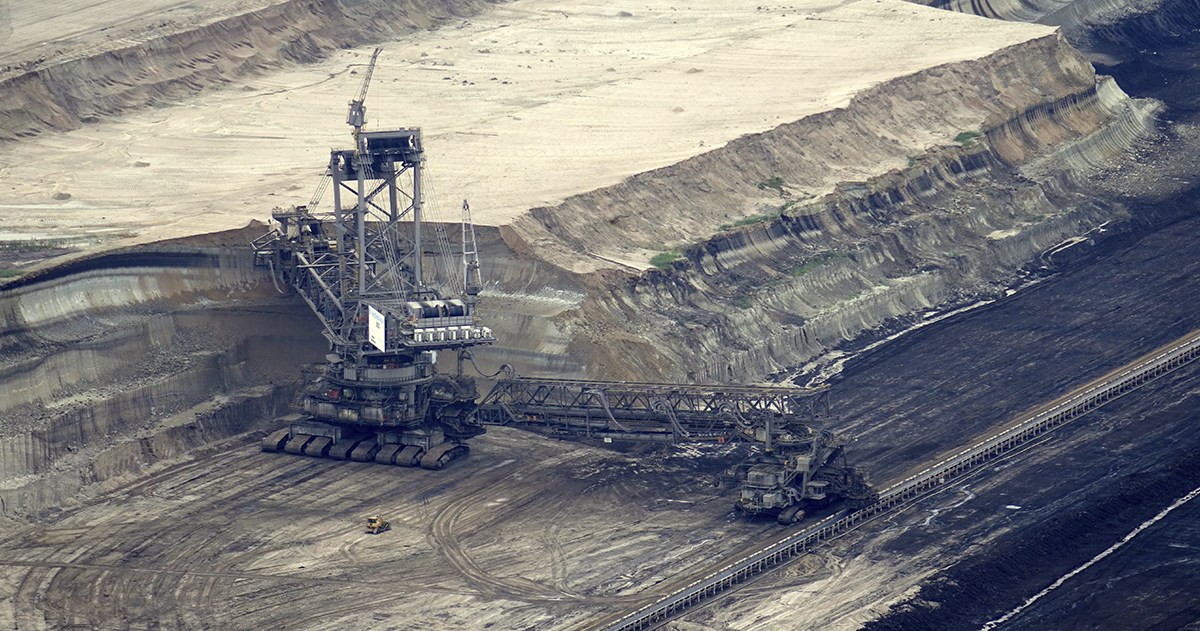
The Use of Technologies in the Digital Age Provides More Productivity and Safety to a Hazardous and High-Risk Activity Such as Mining and More Gains for the Economy
“Mining is a hazardous activity, but we need the minerals, which are the basis of a large part of what we consume and that impacts our economy, especially in the digital age. The solution to a good portion of the problems is to automate everything that is possible,” says mining engineer Giorgio de Tomi, director of the Research Center for Responsible Mining at the University of São Paulo (NAP.Mineração-USP).
See Also
The Future of Mining in the Digital Age and Its Impact on the Economy
The digital mining of the future, evaluates Giorgio de Tomi, will be completely autonomous, with no employees present in risk areas, and will make intensive use of artificial intelligence and machine learning in data analysis.
The goal is to generate productivity and determine the most sustainable way for the economy, a way to utilize increasingly scarce mineral reserves located in remote and deep regions, which can boost the Brazilian economy.
-
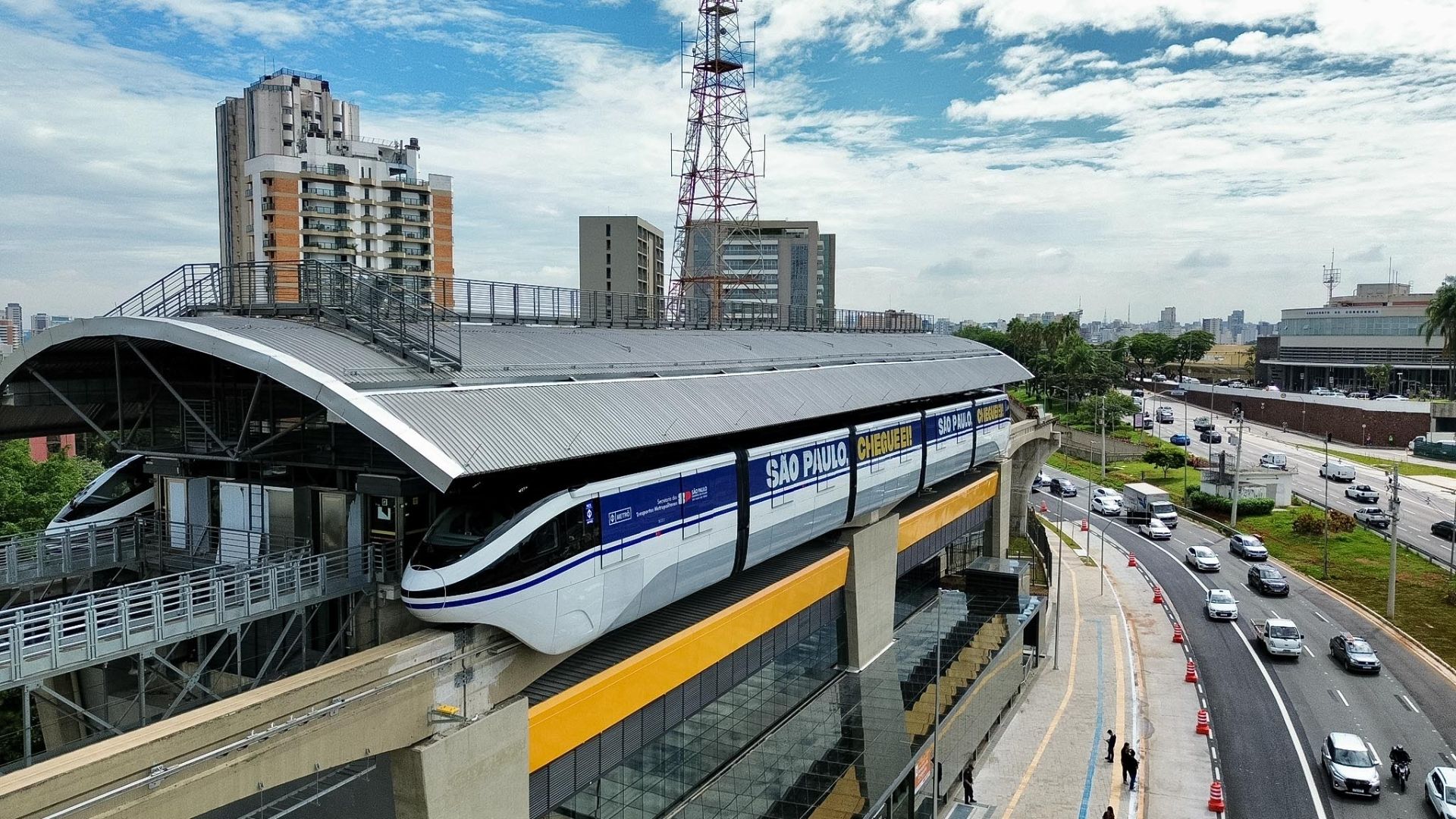
Congonhas receives the monorail promised for the 2014 World Cup after more than a decade of delays and becomes the first airport in Brazil with integrated subway.
-
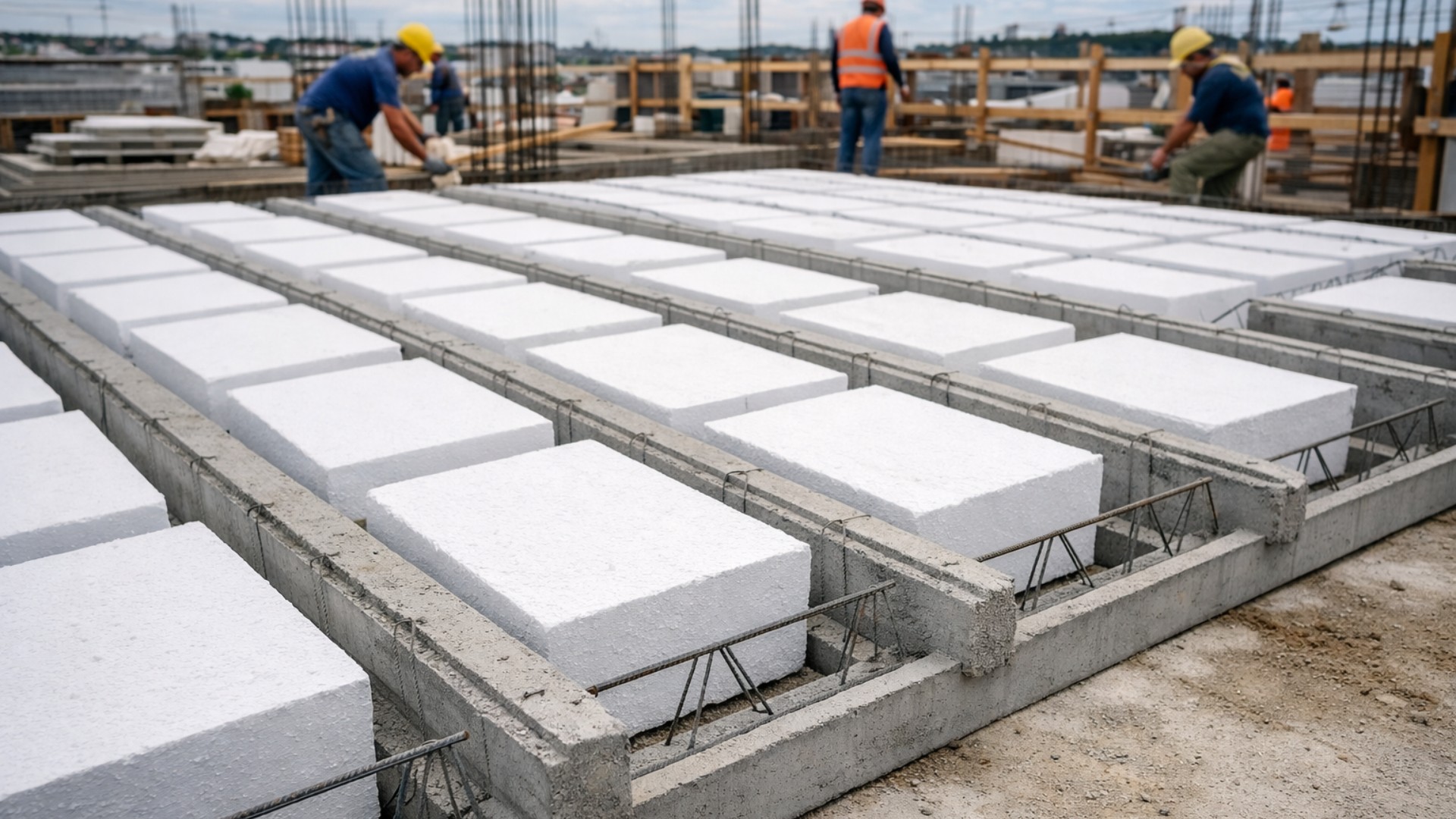
Goodbye, concrete: a new trend in civil construction reduces the weight of the structure by up to 30%, accelerates projects by up to 40%, cuts costs on steel and labor, and improves thermal insulation with EPS.
-
Russian engineers create an innovative propeller blade for aircraft that could completely change the way airplanes and helicopters operate.

-
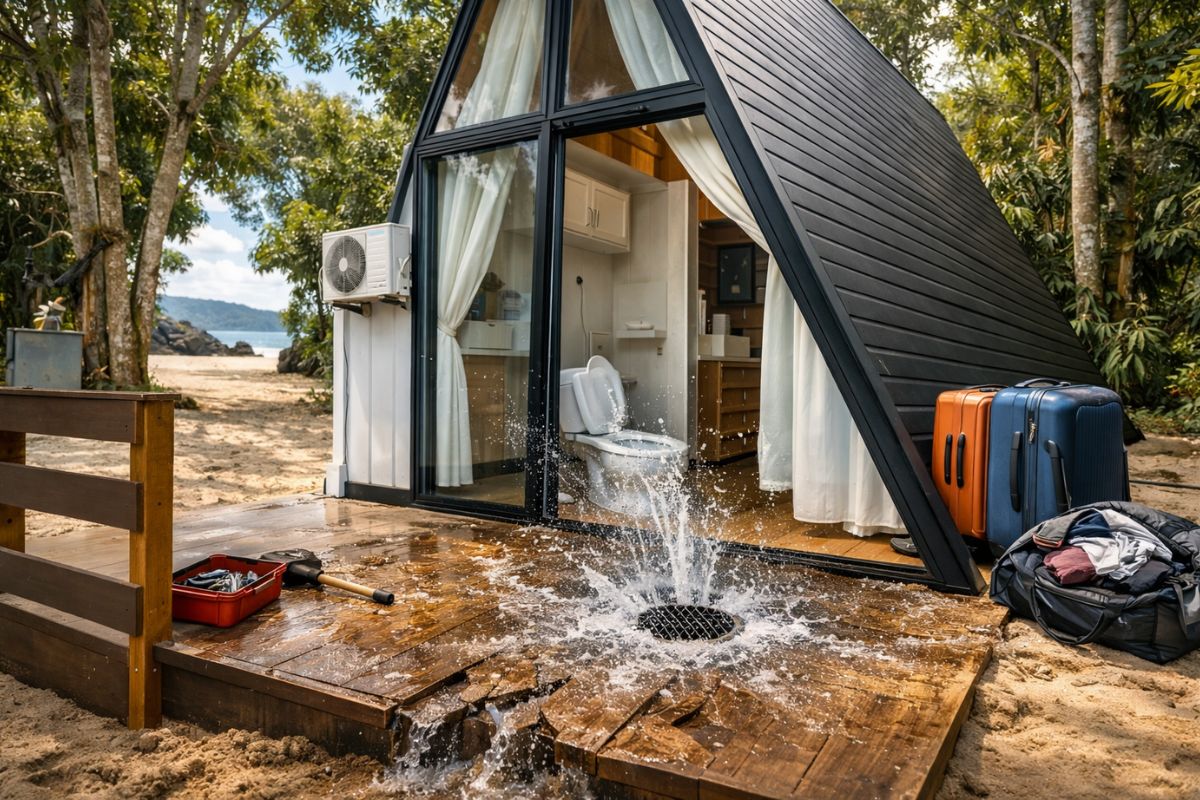
Couple finishes building PVC chalet on the beach on the last day, with air conditioning and curtains, but discovers the bathroom drain is inverted: water escapes from the drain, risking breaking the floor, and the rush continues before the trip.

Digital Mining in Brazil
In Brazil, Vale, the country’s largest miner and one of the global leaders in the sector, signed an agreement of R$ 21 million with the operator Vivo at the end of 2019 to implement a private Long Term Evolution (LTE/4G) network for data transmission in remote areas across all its units in the country.
The Carajás mine, in Pará, is expected to be connected in the first half of this year. According to Mosquim from Vale, the system will support the implementation of autonomous drills and vehicles. The plan is to have 37 autonomous trucks in Carajás by 2024.
Started in 2016, Vale’s digital mining transformation process gained momentum two years ago when the company initiated a program with planned investments of US$ 467 million by 2023 to move towards Industry 4.0. An Integrated Operations Center was established in Nova Lima (MG) with the aim of integrating the production chain and different business areas through digital technologies and boosting the Brazilian economy.









Seja o primeiro a reagir!