Portuguese
  Spanish



The Use of Technologies in the Digital Age Provides More Productivity and Safety to a Hazardous and High-Risk Activity Such as Mining and More Gains for the Economy
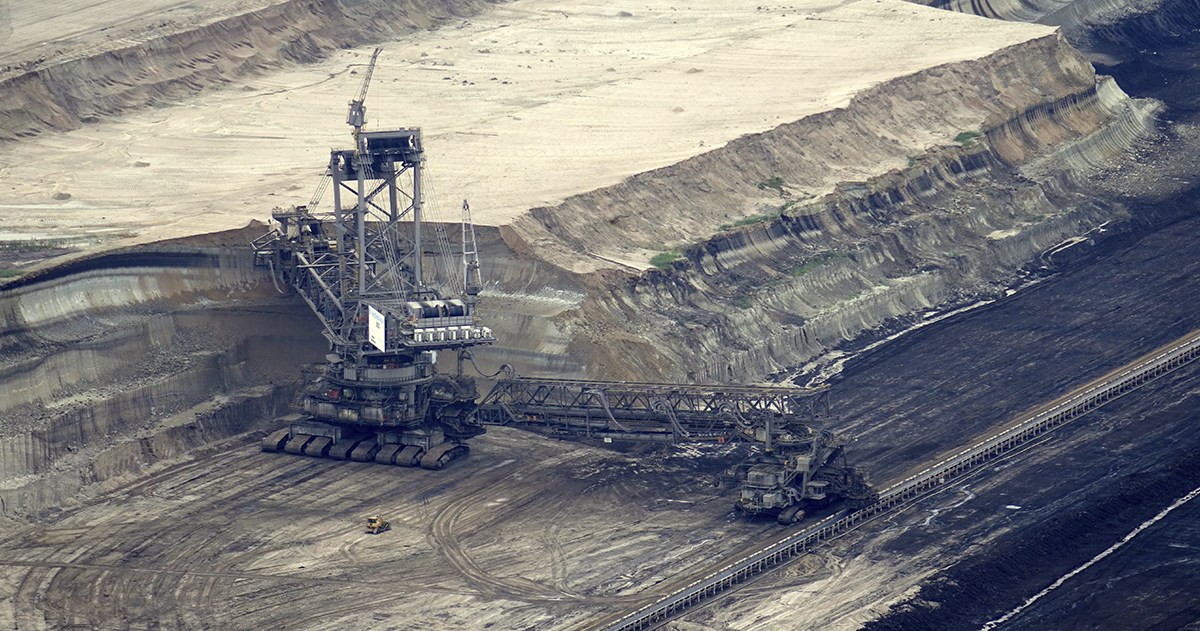
“Mining is a hazardous activity, but we need the minerals, which are the basis of a large part of what we consume and that impacts our economy, especially in the digital age. The solution to a good portion of the problems is to automate everything that is possible,” says mining engineer Giorgio de Tomi, director of the Research Center for Responsible Mining at the University of São Paulo (NAP.Mineração-USP).
See Also
The Future of Mining in the Digital Age and Its Impact on the Economy
The digital mining of the future, evaluates Giorgio de Tomi, will be completely autonomous, with no employees present in risk areas, and will make intensive use of artificial intelligence and machine learning in data analysis.
The goal is to generate productivity and determine the most sustainable way for the economy, a way to utilize increasingly scarce mineral reserves located in remote and deep regions, which can boost the Brazilian economy.
-
Innovative Mortar Technique Enhances Porcelain Tile Stability, Reduces Buckling and Detachment Risks, and Provides Durable Finish Under Heavy Use

-
Giant Robots Build Entire Neighborhood of 100 3D-Printed Homes in the U.S., Showcasing Technology’s Impact on Construction Industry

-
Helsinki Residents Receive Water That Travels 120 Kilometers Through a Hidden Rock Tunnel from a Lake Before Treatment
-
Brazil’s Sertão Region Nears Completion of Latin America’s Longest Artificial River, Transforming Water Access in Drought-Prone Ceará



Digital Mining in Brazil
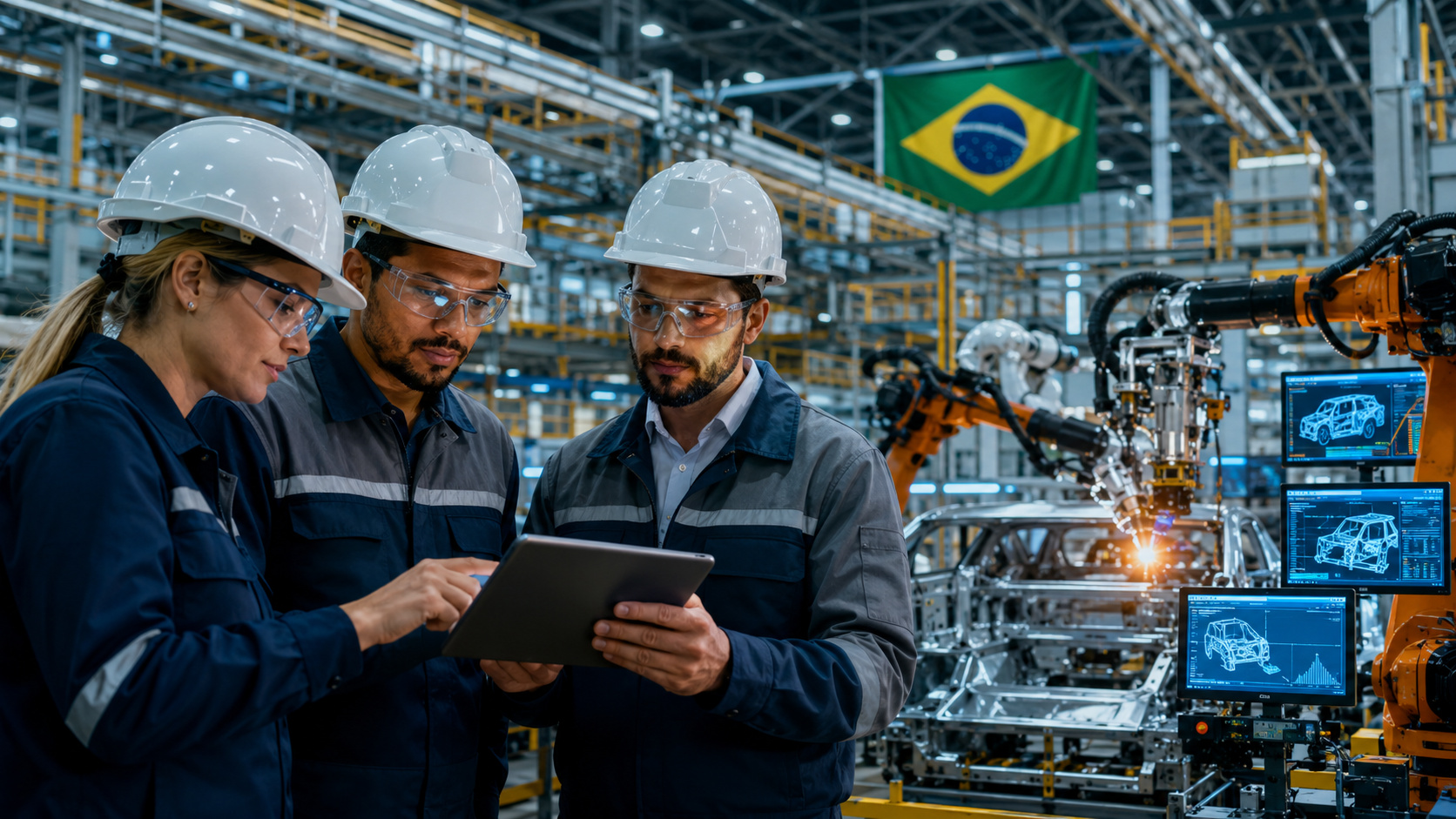
In Brazil, Vale, the country’s largest miner and one of the global leaders in the sector, signed an agreement of R$ 21 million with the operator Vivo at the end of 2019 to implement a private Long Term Evolution (LTE/4G) network for data transmission in remote areas across all its units in the country.
The Carajás mine, in Pará, is expected to be connected in the first half of this year. According to Mosquim from Vale, the system will support the implementation of autonomous drills and vehicles. The plan is to have 37 autonomous trucks in Carajás by 2024.
Started in 2016, Vale’s digital mining transformation process gained momentum two years ago when the company initiated a program with planned investments of US$ 467 million by 2023 to move towards Industry 4.0. An Integrated Operations Center was established in Nova Lima (MG) with the aim of integrating the production chain and different business areas through digital technologies and boosting the Brazilian economy.