





 Portuguese
  English
  Spanish
  3 min of reading


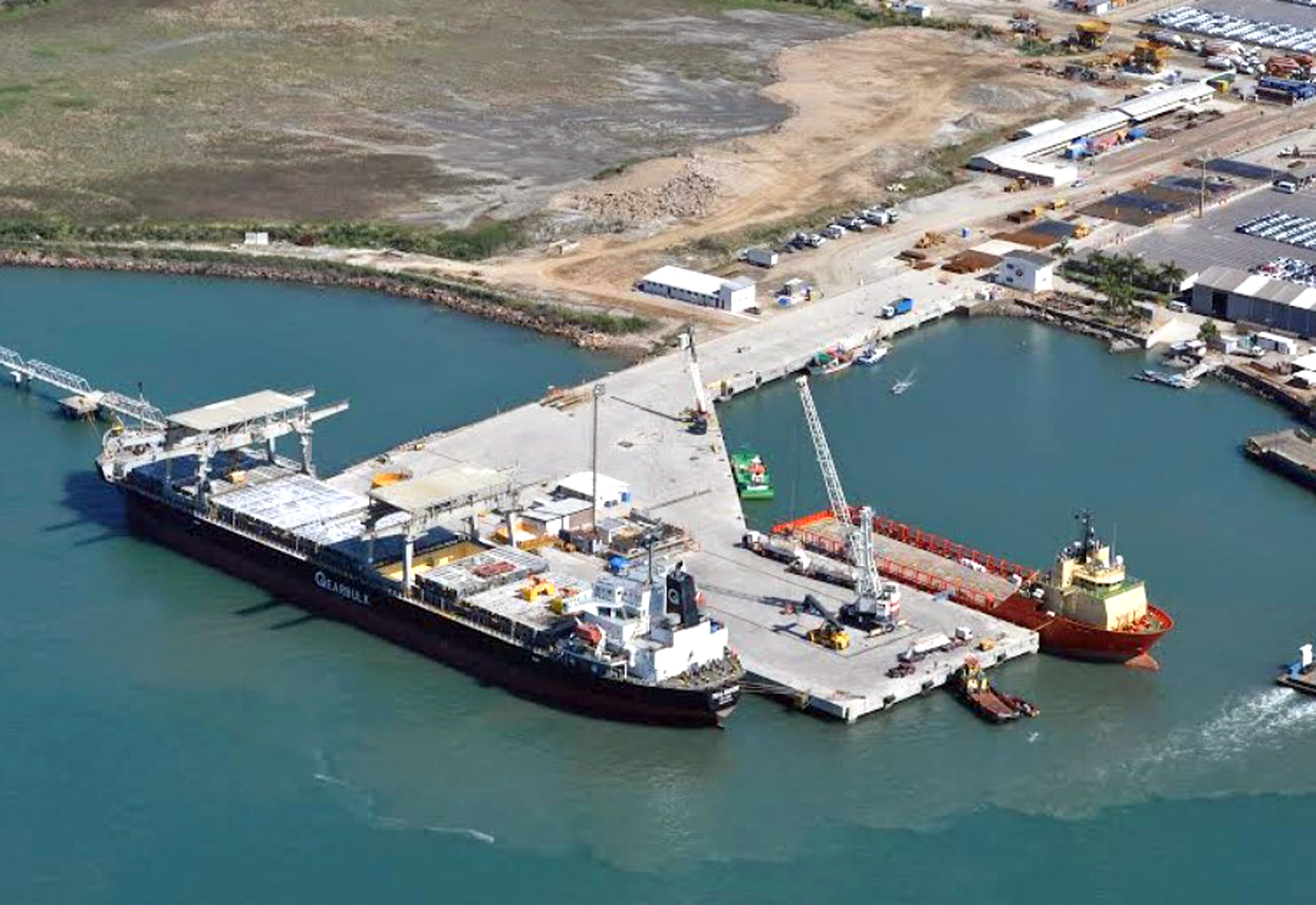
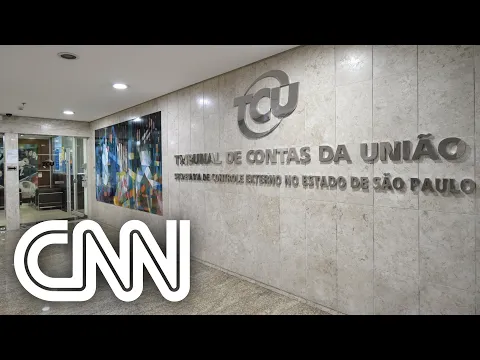
On Last Wednesday (15), the Federal Court of Accounts (TCU) Authorized the Continuation of the Privatization Processes for the Ports of São Sebastião in São Paulo State and Itajaí in Santa Catarina.
The court also approved the Paranaense Energy Company (Copel) to renew the concession of a hydroelectric plant early before the company is privatized. According to Minister Walton Alencar, the rapporteur of the process at TCU, it will be up to the National Agency of Waterway Transportation (Antaq) to draft the auction notices for the ports if their sale is opted for. The Ministry of Ports and Airports stated that it does not intend to proceed with sales under this government, but rather auction some services such as dredging, while maintaining control of the ports.
Alencar also determined that the revenue from privatizations be directed straight to the National Treasury, and not to a specific account intended for the financial rebalancing of contracts and compensation. Regarding the Port of Itajaí, the rapporteur ordered the Ministry of Ports and Airports and Antaq to amend the notice and consider sending a bill to Congress to establish that the amounts obtained be converted into investments in the projects themselves.
Since December 2021, the Port of São Sebastião has been under consideration for inclusion in the National Privatization Program (PND). Meanwhile, the port of Itajaí was qualified to enter the Investment Partnership Program (PPI) last June.
-
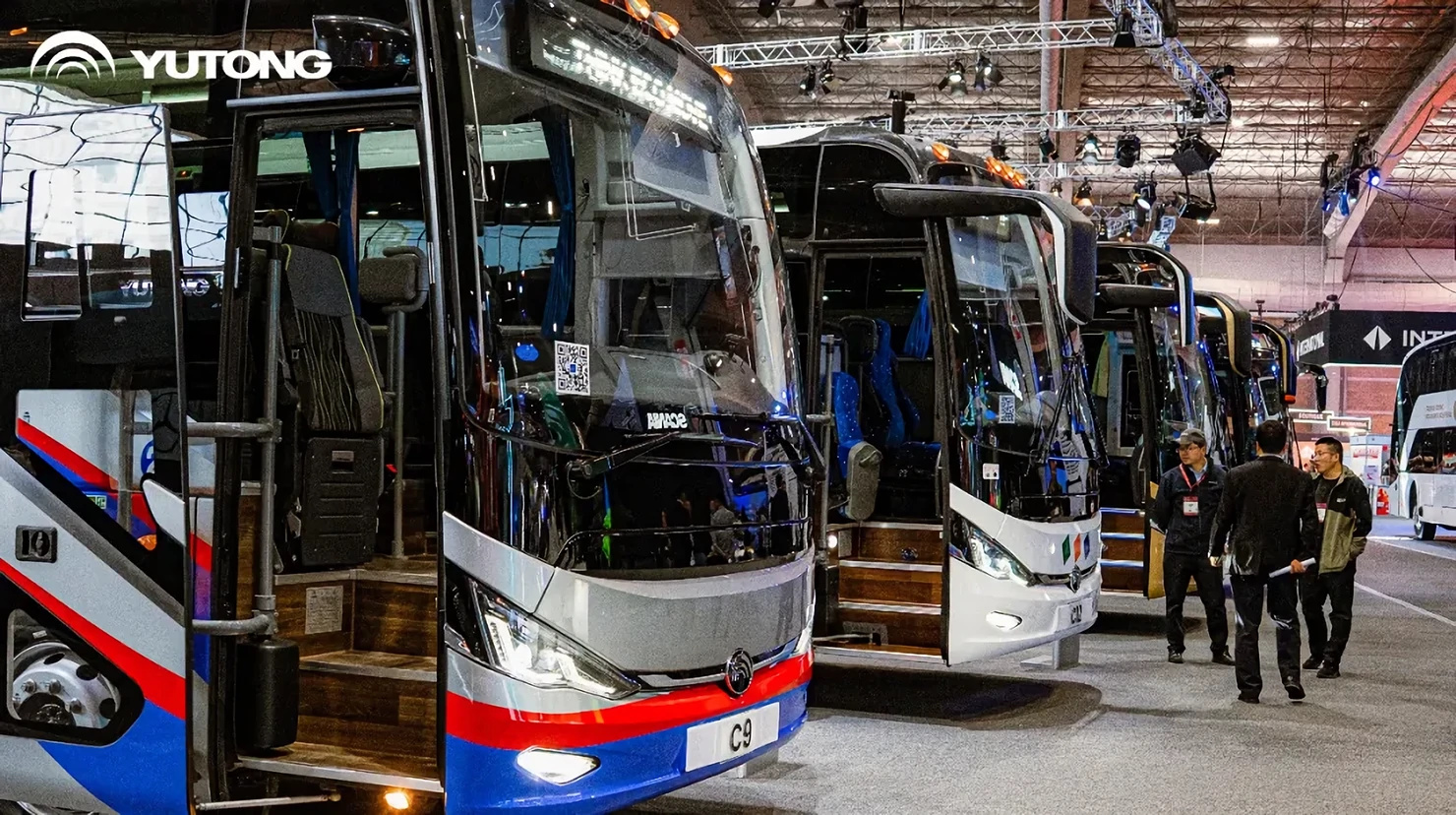
China advances into Mexico’s transportation with an electric bus that has a range of up to 530 km, bringing a complete line to the country in 2026 and transforming its partnership with Yutong into one of the most strategic in Latin American mobility.
-
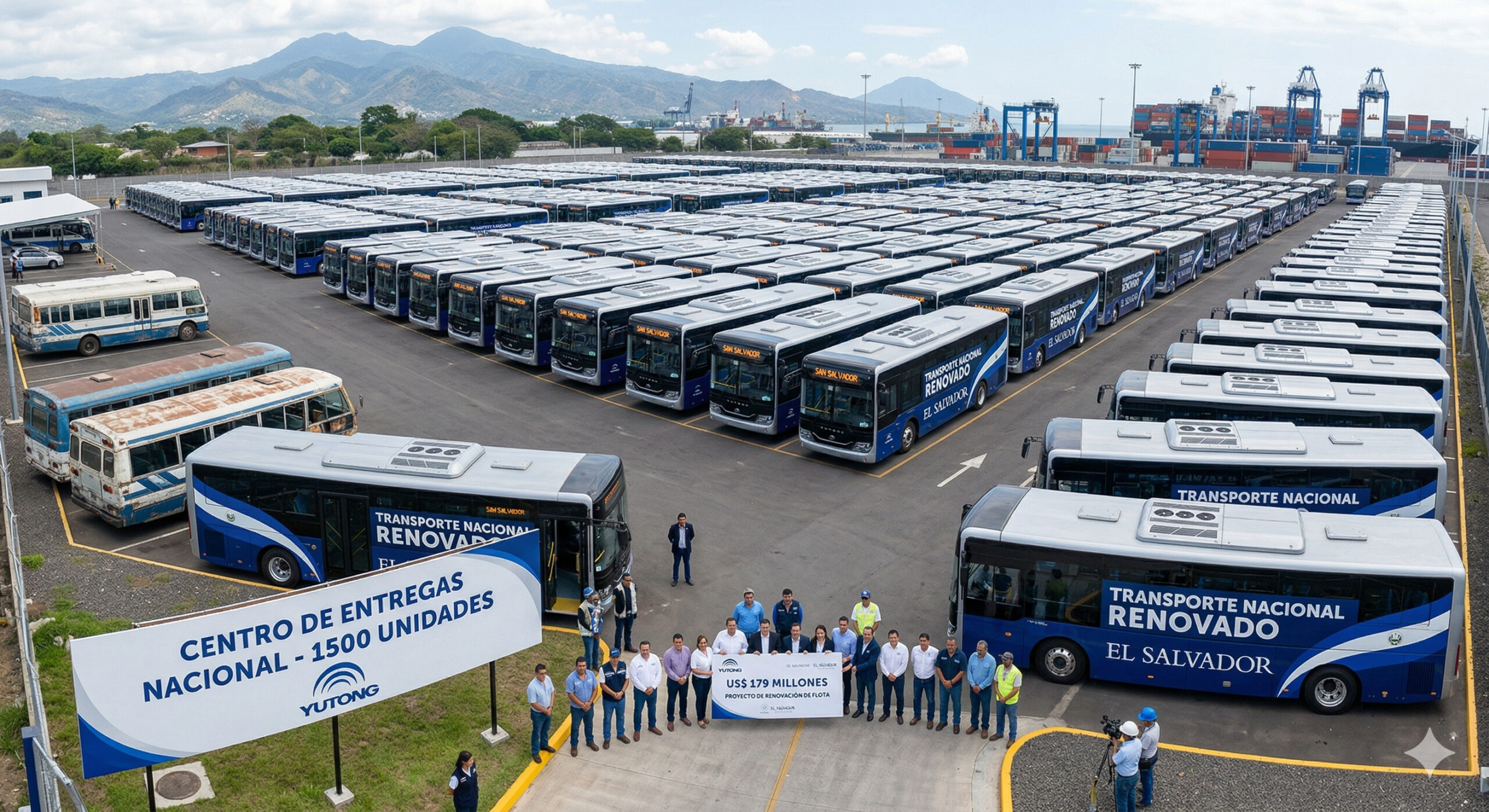
With 1,500 new buses financed by an international agreement, El Salvador is preparing the largest renewal in the history of its public transportation, a plan of $179 million with vehicles from the Chinese company Yutong that could replace practically the entire fleet of the country.
-
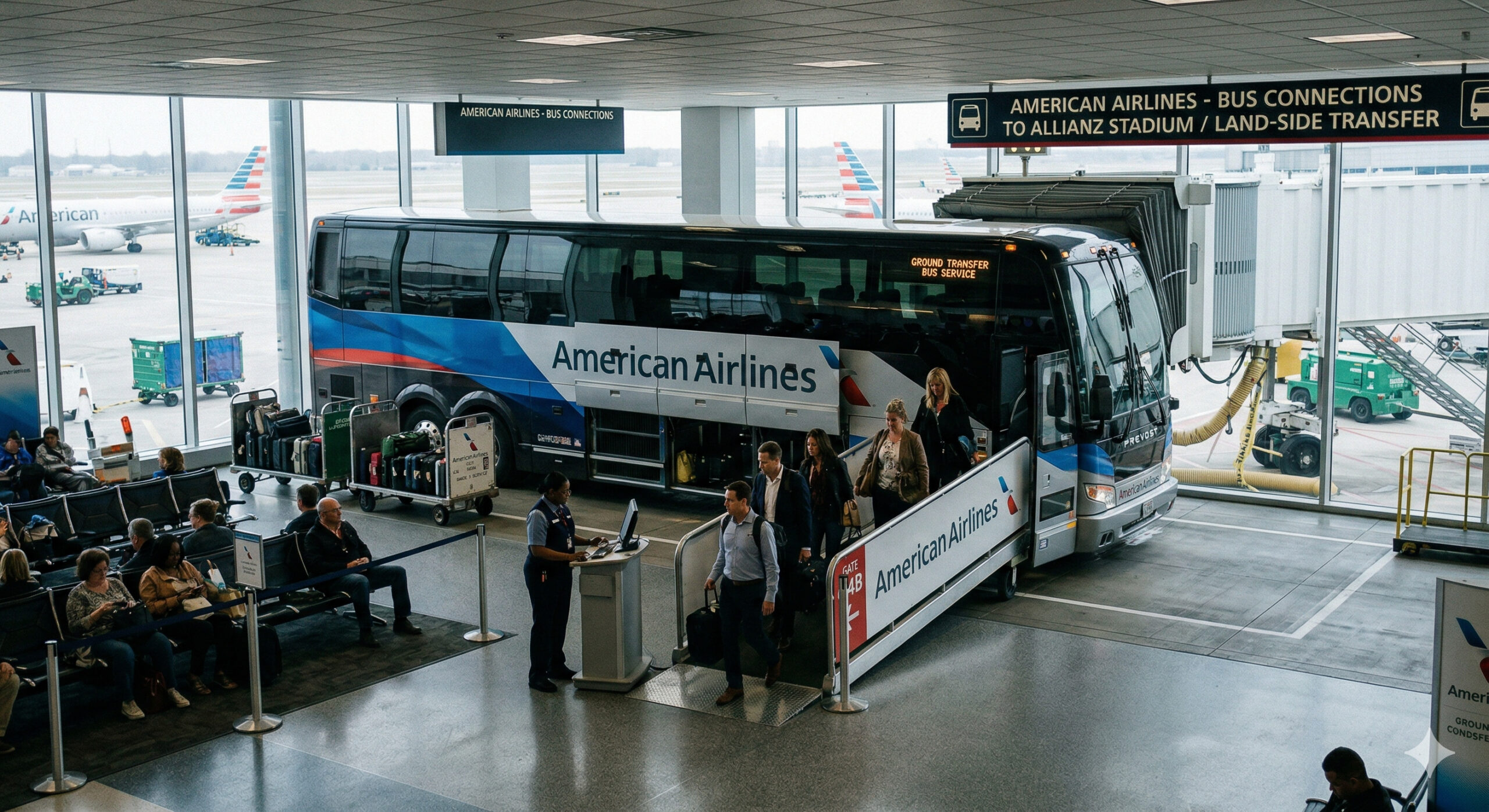
American Airlines starts selling trips as if they were flights, with check-in and baggage check at the airport, but on short routes, passengers board luxury buses connecting cities to major hubs in the U.S.
-
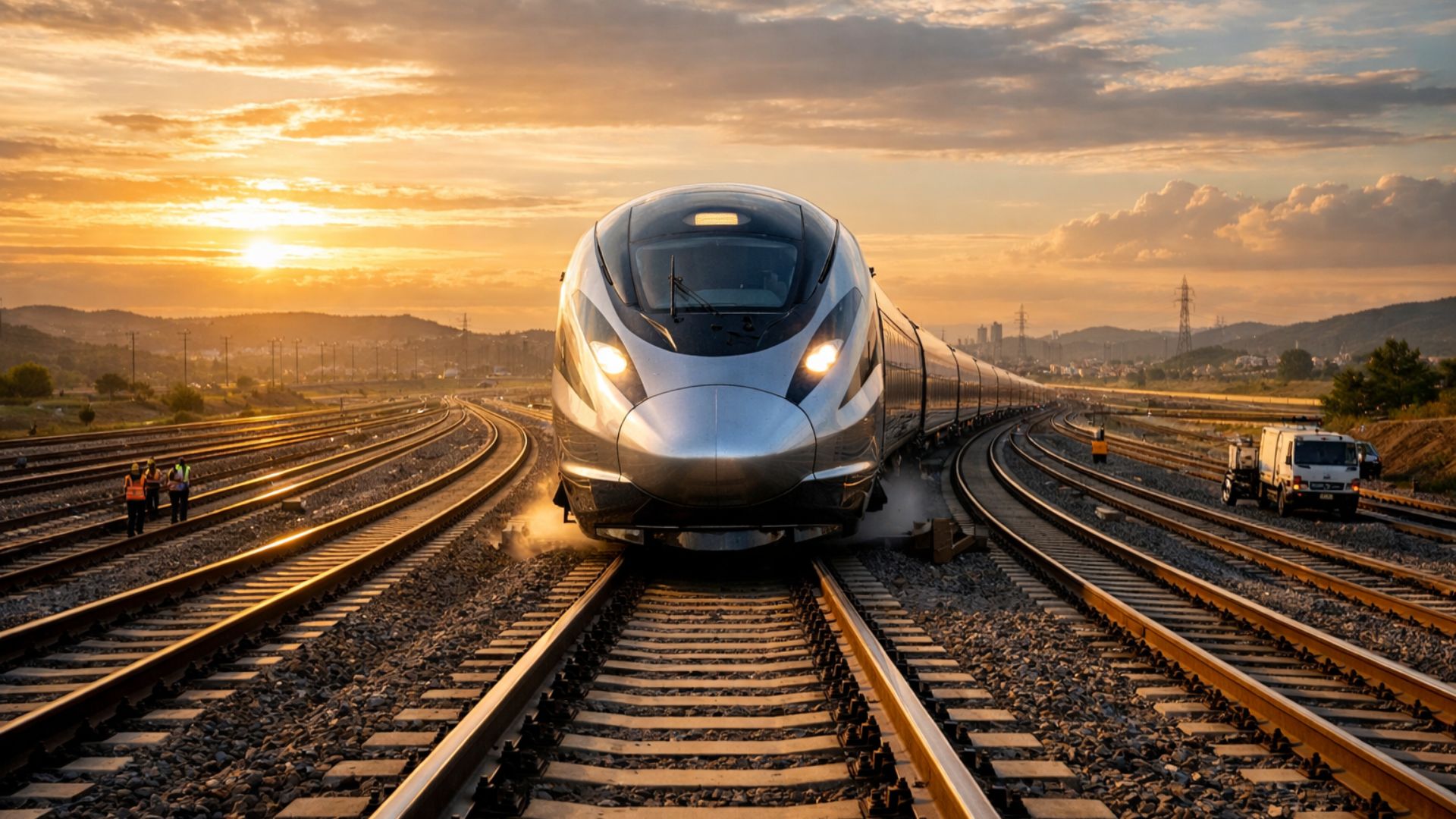
São Paulo surprises the world with a colossal railway network project that promises over 1,000 km of tracks, R$ 194 billion in investments, and 40 projects connecting the capital to the interior with fast and sustainable trains.
TCU Releases Privatization of the Ports of São Sebastião and Itajaí

Copel was also authorized by the TCU to expedite the renewal of the concession for the Foz do Areia hydroelectric plant in Pinhão, Paraná. Originally scheduled for 2024, Copel managed to advance this date through the payment of a bonus by the end of this year. Thus, it can control the plant even after its privatization process.
In November of last year, the Legislative Assembly of Paraná had already authorized Copel’s privatization with a model called golden share — thus allowing the state government to maintain veto power over company decisions. Currently, the Tribunal de Contas do Paraná is reviewing this model.
Ports of São Sebastião – History
This company was created by state decree 52.102 on 08/29/07 to manage the delegation of the Port of São Sebastião, on behalf of the Government of the State of São Paulo. The construction and commercial exploitation of the port were authorized by the Brazilian federal government since the mid-1920s, and the Union signed a concession contract with the government of São Paulo on October 26, 1934.
However, the works only began on April 26, 1936, under the responsibility of the National Civil and Hydraulic Construction Company. The initial period established for implementation was three years and was extended until April 25, 1943. Journalist Assis Chateaubriand used his newly acquired newspaper Diário da Noite to attack the proposal at the time, although the opposition to the construction of the port was considered by some as mere “gratitude” to Guilherme Guinle, owner of the Santos Dock Company, who had lent him money to finance the purchase of the newspaper.
The proposal was finally accepted in 2005 through Law 8.630/93, and the agreement between the Union and the State of São Paulo for the exercise of the function by the Port Authority of the Port was formalized according to the current legislation. In addition, all preliminary steps were carried out with professional technique to ensure proper modeling to the peculiarities of the port and its interfaces with potential businesses related to international trade.
The official inauguration took place on January 20 of this year, and since then, the São Sebastião Dock Company has managed the port. This company promises to make São Sebastião one of the main ports in Brazil and attract more international business to the country.









Seja o primeiro a reagir!