





 Portuguese
  English
  Spanish
  5 min of reading
  0 comments


OPEC Launches Study on Energy Future at ROG.e. Primary Energy Consumption Will Increase 24% by 2050, Driving Oil and Gas Sectors to Demand US$ 17.4 Trillion in Investments.
The OPEC released a new report on the future of energy during ROG.e. The research revealed that primary energy consumption will increase by 24% by the year 2050, requiring a significant investment of US$ 17.4 trillion in the oil and gas sector. This event marked the premiere of the World Oil Outlook 2024, which, for the first time, was launched outside the OPEC headquarters in Vienna on the afternoon of Tuesday (24) in Rio de Janeiro.
The publication of the study is an important milestone for understanding the dynamics of the global energy sector. The energy sector expresses significant needs for energy sources that demand a strategic approach and robust investments. With the expected increase in energy consumption, the oil and gas sector will play a crucial and ongoing role in the coming decades. This scenario reinforces the need for planning and innovation to sustain future global demands. With this launch, OPEC provides a deep insight into how the global energy landscape may transform by mid-century.
According to the latest study, primary energy consumption is expected to increase by 24% by 2050, primarily driven by developing regions. Within this context, the energy sector, specifically the oil and gas sector, will need massive investments of US$ 17.4 trillion by 2050 to meet the growing energy demand. ‘Our outlook seeks to clarify this issue to meet the growth of energy consumption,’ mentioned the OPEC Secretary General, Haitham Al-Ghais. He emphasized that to tackle these challenges, the world will require all available energy sources.
-
The rise in oil prices could ensure an extra revenue of R$ 100 billion for the Federal Government, indicates a recent economic study.

-
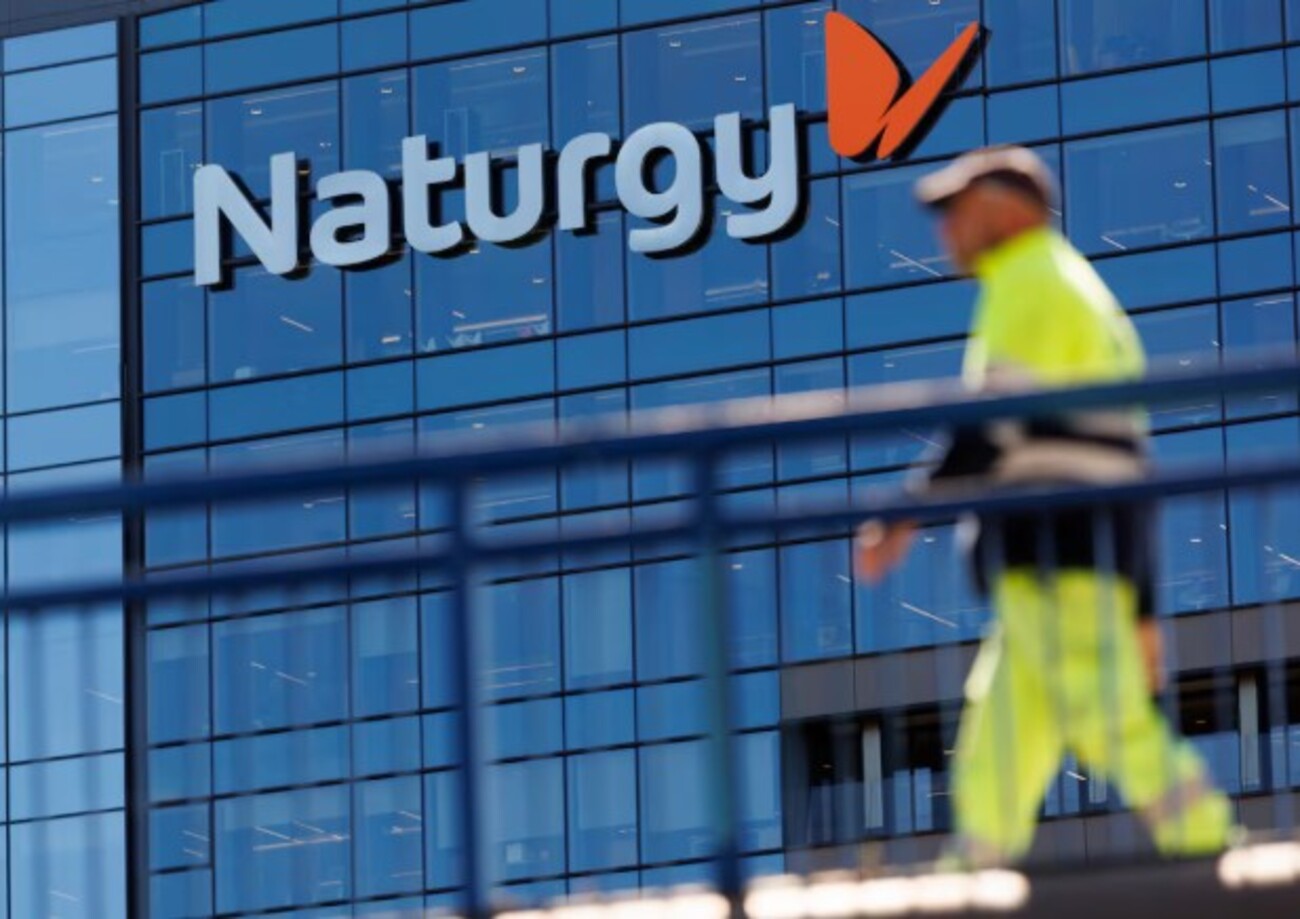
Naturgy begins an investment of R$ 1.6 million to expand the gas network in Niterói and benefit thousands of new residences and businesses.
-
A major turn in the Justice system suspends tax increases and directly impacts oil and gas companies in Brazil by affecting costs, contracts, and financial planning, leaving uncertain what could happen to the sector if these costs had increased.

-
Brava Energia begins drilling in Papa-Terra and Atlanta and could change the game by reducing costs in oil while increasing production and strengthening competitiveness in the offshore market.


Necessary Investments in the Energy Sector
‘We must invest adequately today, tomorrow, and in the coming decades to understand what each energy source can offer,’ continued Al-Ghais. Roberto Ardenghy, president of IBP, highlighted the importance of launching the outlook at a significant event like ROG.e, emphasizing how this study becomes a crucial reference for the global energy market. During the event, IBP and OPEC signed a cooperation agreement, establishing a partnership for the exchange of information, databases, and studies between the two organizations.
‘The goal is to develop studies, share information, conduct training at OPEC’s headquarters, and open data sources between the entities,’ pointed out Ardenghy.
Geopolitics and Energy
Within the event’s programming, during a panel on the Geopolitics of Energy, Ardenghy highlighted how geopolitical events directly influence our daily lives and the viability of long-term projects. He stated that risk analyses need proper tools to be effective. Graham G. Henley, CEO of IOGP, presented how his institution is working to stabilize the gas market amid geopolitical complexities, mentioning the release of over 100 technical documents just this year.
Carlos Pascual, president of S&P Global, also addressed geopolitical aspects that directly affect the energy market. He highlighted that besides traditional conflicts, we are witnessing an increase in trade and tariff wars, which creates an environment of fragmented global order that diminishes confidence in long-term investments, including infrastructure.
Brazil and the Energy Transition
Thiago Barral, National Secretary for Energy Transition at MME, reinforced Brazil’s role in climate leadership and energy transition, highlighting the advancement of wind, solar, and bioenergy in the Brazilian energy matrix. He also emphasized Brazil’s importance as a major oil producer in the global market, stating that this position is vital for the country to face uncertainties in the global energy market.
Irregular Lubricants Market
Alexandre Bassaneze, president of ICONIC, expressed concern about the irregular lubricants market, noting that 10% of this market is outside the specifications, which can lead to serious damages when products are used in machines or vehicles. He estimated that a truck can carry up to R$ 500 thousand in synthetic and semi-synthetic lubricants, and noted an increase in thefts of trucks transporting these products.
Carlo Faccio, director of the Legal Fuel Institute (ICL), revealed that the tax losses in the lubricants sector reach R$ 1 billion per year, in addition to R$ 400 million in operational losses. He explained that ICL is working with authorities and the private sector to implement better practices and punish illicit activities.
Potential of Green Hydrogen
During a debate at ROG.e, Ítalo Freitas, executive vice president of marketing and energy solutions at Eletrobras, stated that Brazil has unique conditions to help decarbonize the global economy, thanks to the Brazilian electric matrix. He highlighted that Eletrobras has an installed capacity of 43 GW, with 98% coming from renewable sources, primarily hydropower generation. Freitas mentioned that this potential will allow Brazil to export green hydrogen or attract productive chains from other regions.
Role of Youth in the Energy Sector
At the parallel event Young Summit, two panels stood out with a focus on the role of youth in the job market. In one of them, Karen Couto from Petrobras emphasized the importance of young people seeking allies for their ideas, while Marcus Vinícius Mariath from YPP pointed out common barriers faced by the youth, such as distrust and leadership difficulties. Karoline Rodrigues from Halliburton highlighted the need for leaders to recognize and learn from young people.
In the panel ‘Is There Space for Young Talent in the Oil and Gas Industry?’, Danilo Garbazza, recruitment and selection manager at Petrobras, stated that the company is increasingly focused on attracting young people, women, and other underrepresented groups. Élida Gurgel from PRIO emphasized the need for alignment between institutional values and employees.
Energy and Social Responsibility
Luciano Huck, founder of the Criar Institute, stressed at the ROG.e Congress the importance of transformation and innovation in the private sector, including the oil, gas, and other energy industries. He warned that success can be the enemy of innovation and that collaboration between the private sector and the third sector is essential. However, Huck stated that significant changes in social inequality can only be achieved through government action, emphasizing the need for new leadership to generate social transformations.
About ROG.e
ROG.e is one of the largest energy sector events in the world, organized by IBP. In 2024, the event expects to receive more than 70,000 visitors from 65 different countries, including sector leaders, authorities, investors, and academics. The fair will occupy 8 warehouses with over 550 exhibitors, in addition to organizing 7 parallel events and the Congress.
The event is sponsored by major companies in the energy sector and the federal government, and is set to be a key meeting point for the global energy industry.
Source: OPEC Press






Seja o primeiro a reagir!