Portuguese
  Spanish


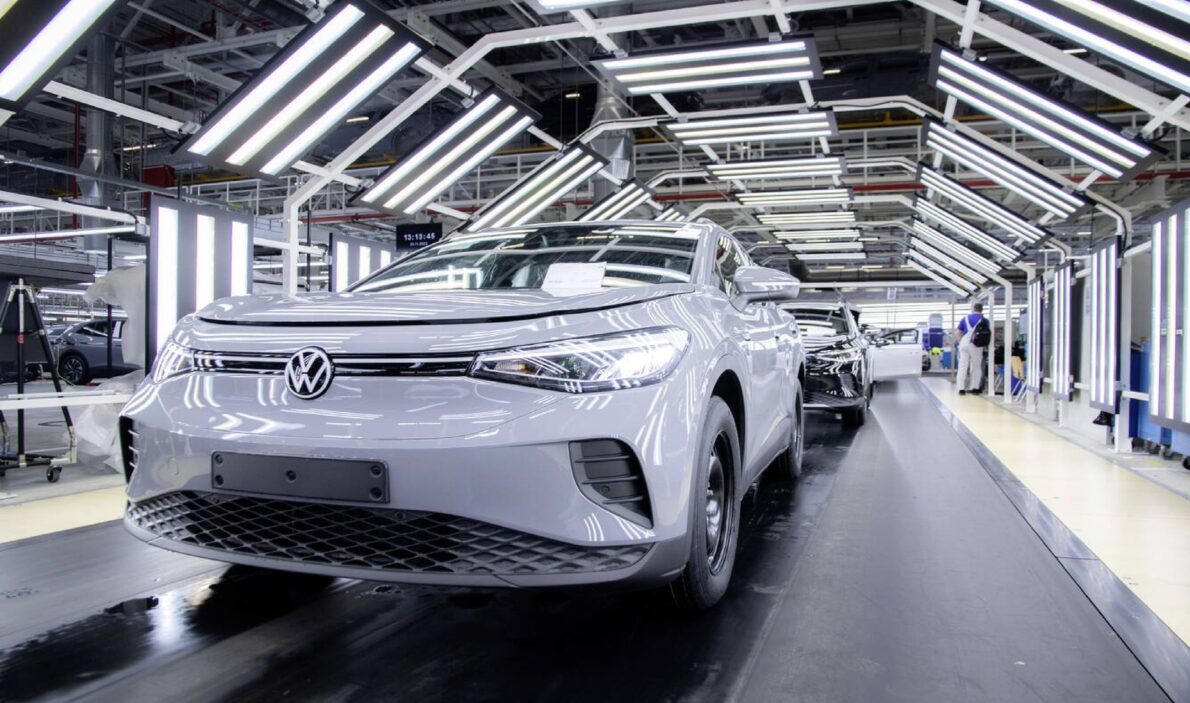

Global Crisis Hits German Brand Operations in Chinese Market, With Possible Factory Closures in Nanjing and Ningbo
Volkswagen, one of the largest car manufacturers in the world, is facing a challenging period with the possibility of shutting down production at two important factories in China. The global crisis the brand is experiencing, exacerbated by the drop in sales in the Chinese market, raises the hypothesis of closing the Nanjing and Ningbo units, the result of its partnership with SAIC (Shanghai Automotive Industry Corporation), according to the website Quatro Rodas.
The German automaker had already indicated financial difficulties, even considering closing factories in Germany for the first time in nearly nine decades of history. However, the current scenario in China, which once accounted for around 50% of sales for the Volkswagen group, further accentuates the need for adjustments.
Market Loss to Chinese Brands
In recent years, the Chinese market has seen the rise of local manufacturers, such as BYD, which took the lead in 2023, surpassing Volkswagen, which had maintained the top position for over 25 years. In the first half of this year, Volkswagen sold 1.34 million vehicles in China, representing a decline of more than 25% compared to three years ago.
-
Banco do Brasil and Uber Launch Cashback Program Offering Up to 3.5 Loan Installments Back, Drivers Gain Access to New Cars Worth Up to $30,000 Through Move Brasil Initiative

-
Looking for a Car for Dirt Roads? Fiat Uno, Strada, and Volkswagen Gol Offer Durability and Affordability

-
MG Motor to Produce Two Electric Cars in Brazil with $75 Million Investment, Creating 600 Jobs
-
Nissan Kicks S Direct 2018: Affordable Used SUV with Over 13 km/l Fuel Efficiency, 432-Liter Trunk, and CVT Automatic Transmission




The CEO of the Volkswagen Group, Oliver Blume, recently commented on the significant loss of the brand in the Chinese market, stating that “there are no more checks coming from China.” This reflects the changing preferences of Chinese consumers, who are increasingly opting for local brands, especially with the growth of electric vehicle production, a segment where BYD has excelled.
Nanjing and Ningbo Units at Risk
Among the factories that may be closed are those in Nanjing and Ningbo, both resulting from the partnership between SAIC and Volkswagen. The Nanjing factory, inaugurated in 2008, covers an area of 635,000 m² and has an annual production capacity of 360,000 vehicles. Among the models produced at this facility are the VW Passat and Skoda vehicles, such as Kamiq and Superb.
The Ningbo factory, another strong candidate for closure, is responsible for producing popular models like the Volkswagen Lamando, Tharu, Teramont, Viloran, Skoda Octavia, and Audi Q6. The closure of these units would represent a significant shift in Volkswagen’s strategy in the country, which until recently was its main global market.
Strategy Change to Mitigate Losses
Volkswagen has not officially confirmed the closure of these factories, limiting itself to stating that production decisions are being adapted to the “market demands.” However, sources linked to the company indicate that, should the units be indeed closed, workers may be relocated to other factories, such as the Yizheng unit, also a product of the SAIC-Volkswagen partnership. Interestingly, this same unit had already received transferred workers from Volkswagen’s first closed factory in Shanghai two years ago.
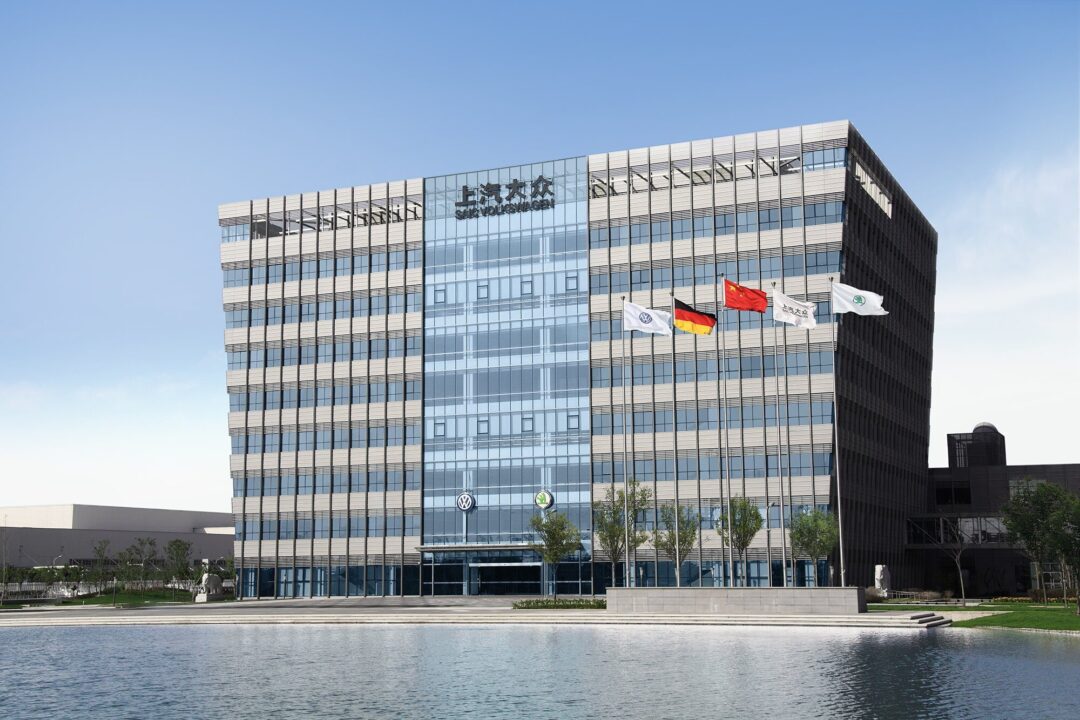
Global Impact and Reflection on the Chinese Market
The crisis Volkswagen faces in China is not isolated. The COVID-19 pandemic caused a decline in car sales in Europe, which also contributed to the weakening of the brand’s operations in other markets. In China, in addition to the growing preference for local brands, the transition to electric vehicles is also reshaping the automotive landscape. Volkswagen, despite its efforts in the electric vehicle segment, still faces challenges in competing with Chinese companies like BYD and Nio, which have dominated this niche.
The SAIC-Volkswagen partnership, which began in 1984 and was one of the first international collaborations in the Chinese automotive sector, peaked between 2016 and 2019, producing over two million vehicles annually. However, the decline in sales in recent years and the rapid evolution of the Chinese market are forcing Volkswagen to rethink its strategy.