





 Portuguese
  English
  Spanish
  4 min of reading
  0 comments


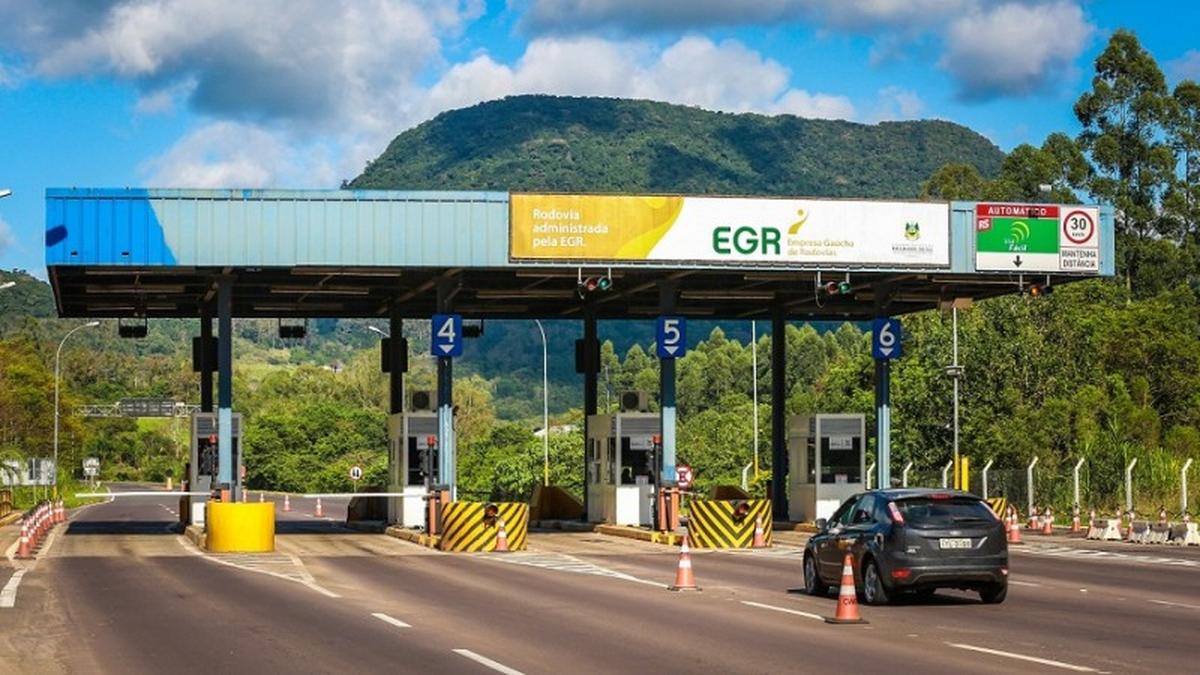
New Phase of the Ministry of Transport Defines the Concession Model and May Change Drivers’ Relationship with the Ecovias Sul Toll Plazas
The process to eliminate or reduce one of the most expensive tolls in Rio Grande do Sul has advanced decisively, as the Ministry of Transport published, in the Official Gazette, the Ordinance No. 842, authorizing the Technical, Economic, and Environmental Feasibility Study (EVTEA) for the new concession of the BR-116/392 system. Moreover, this decision paved the way for reviewing rates, reorganizing charging points, and assessing the elimination of toll plazas considered disproportionate.
Federal Rules and Structure of the New Concession
The initiative of the Ministry of Transport follows federal legislation and concession norms defined by the Law No. 8,987/1995, thus utilizing solid technical foundations. Additionally, experts consulted by the government emphasize that the review has become necessary to correct accumulated distortions, update operational standards, and modernize the charging method.
The EVTEA analyzes 456.2 km of highways, including the stretch of BR-116 between Camaquã and Jaguarão and the segment of BR-392 between Rio Grande and Santana da Boa Vista, indicating rate scenarios, structural bottlenecks, and efficient charging parameters.
The ordinance states that the study does not create privileges, does not impose bidding, and does not establish a right to reimbursement, so the government maintains full freedom to define the new model.
Toll Regulation and Reorganization of Toll Plazas in the Gaúcho Stretch
The analysis identified an urgent need for revision in the stretch managed by Ecovias Sul, as drivers have reported problems since 2020. Furthermore, the government advocates for rate adjustment, reorganization of the toll plazas, and operational modernization.
The guidelines under discussion allow for the elimination of toll plazas, reduction of rates, and creation of stricter transparency standards.
After the bidding process, the future concessionaire must fully comply with the technical requirements defined by the Union.
-
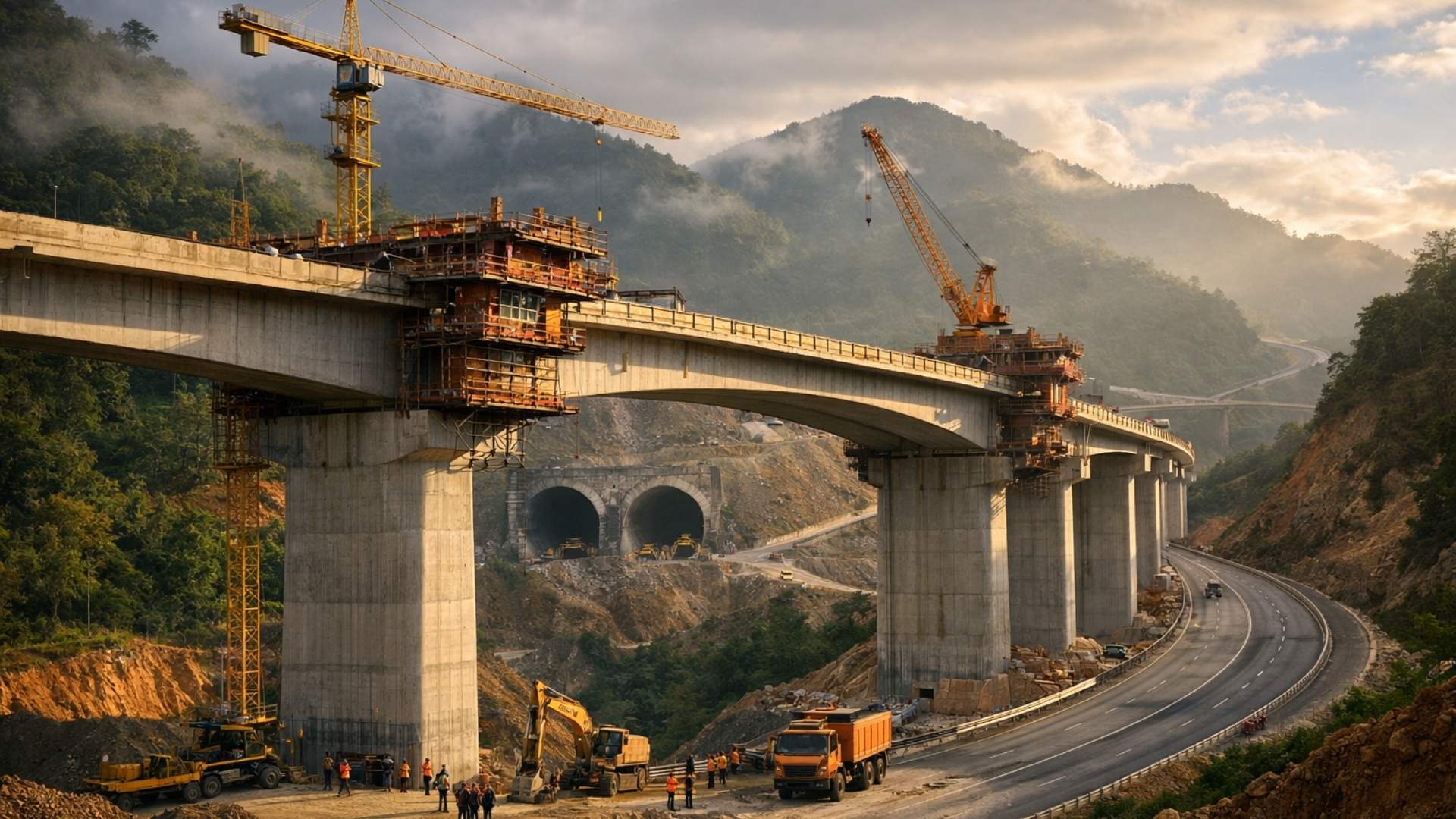
The government puts R$ 8.6 billion on the table to change the highway (BR) with 50 overpasses, 28 bridges, 4 tunnels, and 40 km of bike lanes in 180 km of historic duplication.
-
BRL 20.1 Million Bridge Project Kicks Off: 200-Meter Construction to Improve Access in Three Cities in Minas Gerais

-
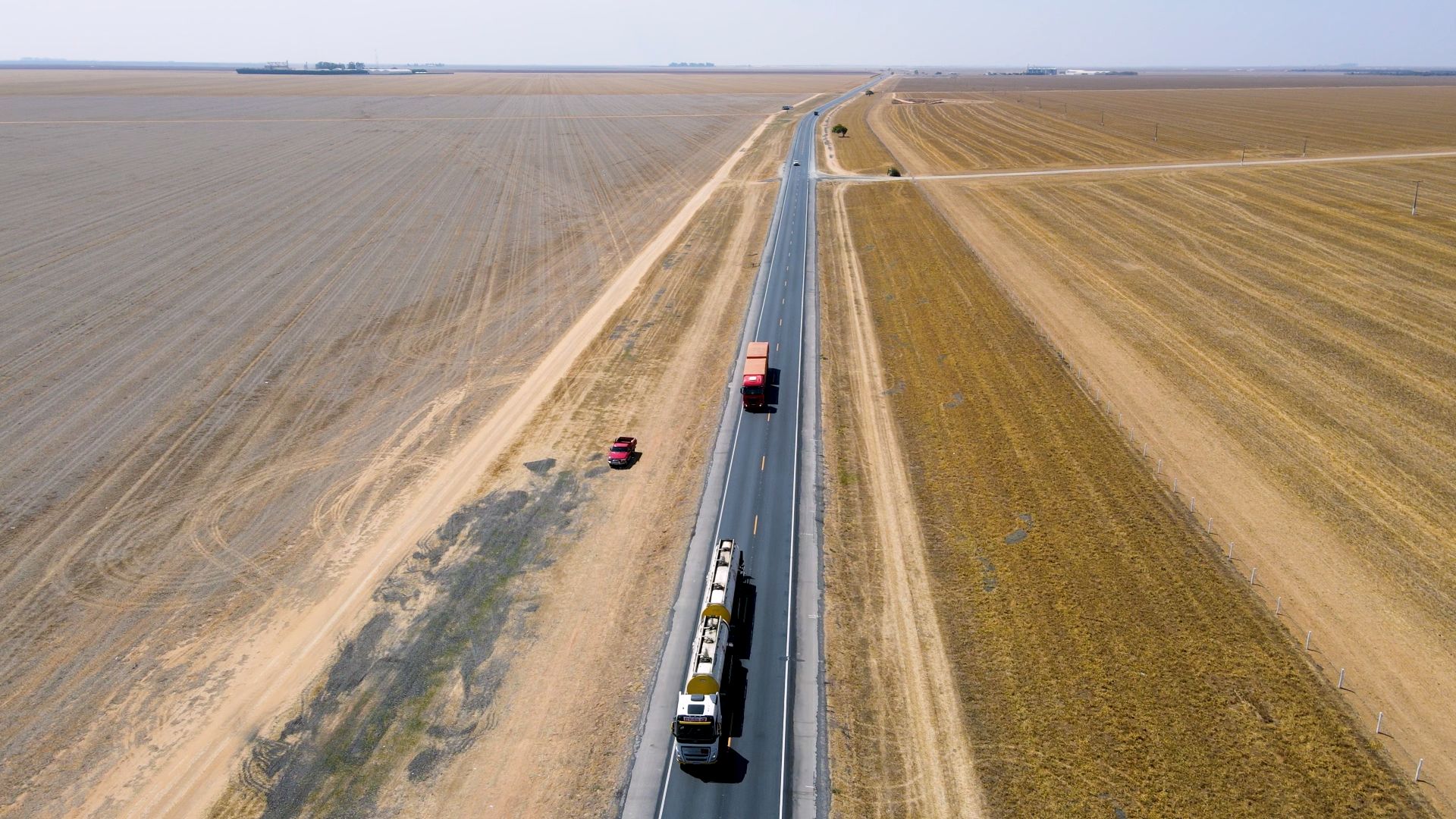
‘Endless Road’ In Brazil Is One of The Largest In The World: 145 Km Stretch On An Important Highway (BR) Crosses The West Of Bahia And Had 135.9 Km Revitalized With R$ 35.3 Million
-
Engineer From ITA Who Worked at Embraer Leads Free Flow Expansion With National Artificial Intelligence and Technology for Toll Without Barriers in Brazil


Municipalities and Regional Impacts: Rio Grande, Camaquã and Jaguarão
The municipalities served by BR-116 and BR-392 will experience direct effects. In addition, Rio Grande will see immediate impact, as the rate revision will influence logistical costs and access to the port.
Complementarily, Camaquã will witness a reduction in internal expenses and a noticeable improvement in traffic flow following the reorganization of lanes.
For its part, Jaguarão, located on the border with Uruguay, will benefit from modernization capable of strengthening cross-border flows.
Finally, the final rates will depend on the public consultation planned by the Ministry.
Operational Compensations and Modernization Required by the New Model
In addition to the rate changes, the new concession contract must include operational compensations to ensure that the future administrator maintains higher quality standards.
The government expects obligations related to lane expansion, pavement modernization, implementation of smart charging technology, and enhancement of operational services.
In some stretches, these requirements may be linked to performance goals and accident reduction, monitored by technical indicators.
The compensations also include specific environmental and operational requirements for segments near the Port of Rio Grande.
Situations in Which Toll Changes Will Be Allowed by the Government
The Union provides for exceptions and specific conditions for rate adjustments or elimination of toll plazas.
When economic indicators demonstrate the infeasibility of maintaining the plaza, elimination may be authorized after technical evaluation.
In emergency situations, such as interruptions due to critical works or extreme weather events, charges may be temporarily suspended based on the ministry’s protocols.
Engineering reports will determine in which cases the change applies definitively or temporarily.
Companies Involved and Shared Responsibility in the Transition
During the transition between Ecovias Sul and the future concessionaire, responsibility will be shared among the federal government, the current manager and the winning bidder.
Technical standards specify that operational errors, improper charges or non-compliance with standards may result in joint liability.
The transition will follow protocols established by the Ministry of Transport and the National Land Transport Agency (ANTT), with direct oversight from federal agencies.
Technical Justifications According to the Ministry of Transport
Government technicians claim that the advancement of toll restrictions and the redesign of the model rely on studies that show the need to make the logistical flow in the southern region more efficient.
The EVTEA identifies that modernizing BR-116 and BR-392 is essential to reduce costs, improve flow, reduce accidents, and adapt the highway corridor to the increase in industrial transport.
The analyses also highlight that revising the model is fundamental to correct economic distortions accumulated since the beginning of the current concession.
Legal Understanding of Toll Changes
Federal legal bodies explain that any toll change will occur only after the bidding of the new concession. Moreover, regional courts recognize the validity of reviews when there is a technical justification, adequate documentation, and clear motivation.
In some cases, toll adjustments underwent review for disproportionality, but public decisions reinforce the Union’s authority to reorganize the system.
Changes in Drivers’ Perception After the Start of the Federal Process
With federal regulations, technical studies, and constant oversight, any alteration will depend on formal evaluation and tariff justification. Furthermore, specialists assert that the redesign of the model changes drivers’ perception by reinforcing transparency, financial balance, and periodic system review.







Seja o primeiro a reagir!