





 Portuguese
  English
  Spanish
  2 min of reading


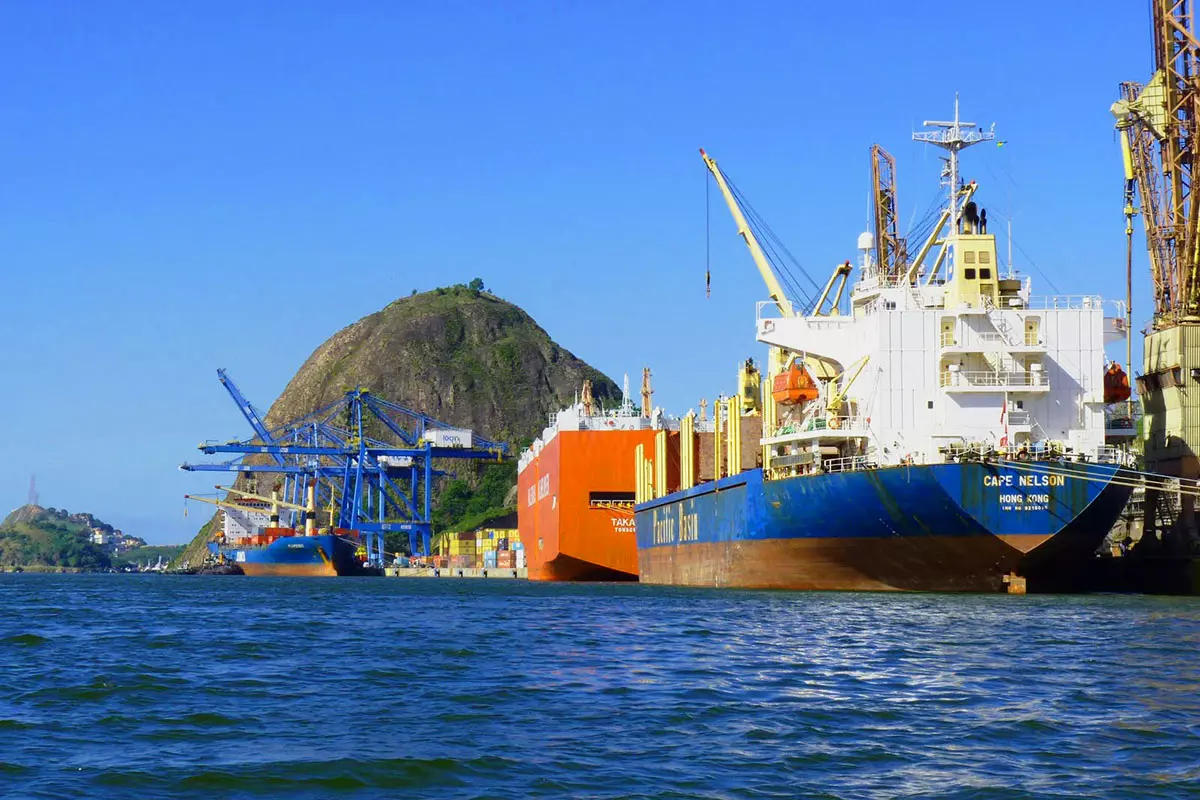
Petrobras Expands Its Product Portfolio at the Port of Santos, Offering Ultra Low Sulphur Marine Gas Oil (ULSMGO).
This new marine fuel option has a maximum sulfur content of 0.1%, meeting the more restrictive limits of Emission Control Areas (ECAs). According to Sandro Paes Barreto, Executive Manager of Marketing in the Internal Market at Petrobras, “this measure reflects our concern for society and ensures lower emissions.”
The company previously offered conventional Petrobras Marine Gasoil (MGO) at the port for long haul and cabotage operators. This has a maximum sulfur content of 0.5%. Both products are mainly obtained from the lighter fractions of the refining process. With this new offering, Petrobras helps reduce emissions of the pollutant sulfur oxide, while also allowing for lower costs and travel times through ECAs.
Marine Fuel
In recent years, the maritime industry has embraced cleaner and more sustainable fuel solutions. Marine fuel is becoming an increasingly common alternative for transporting goods and passengers around the world.
-
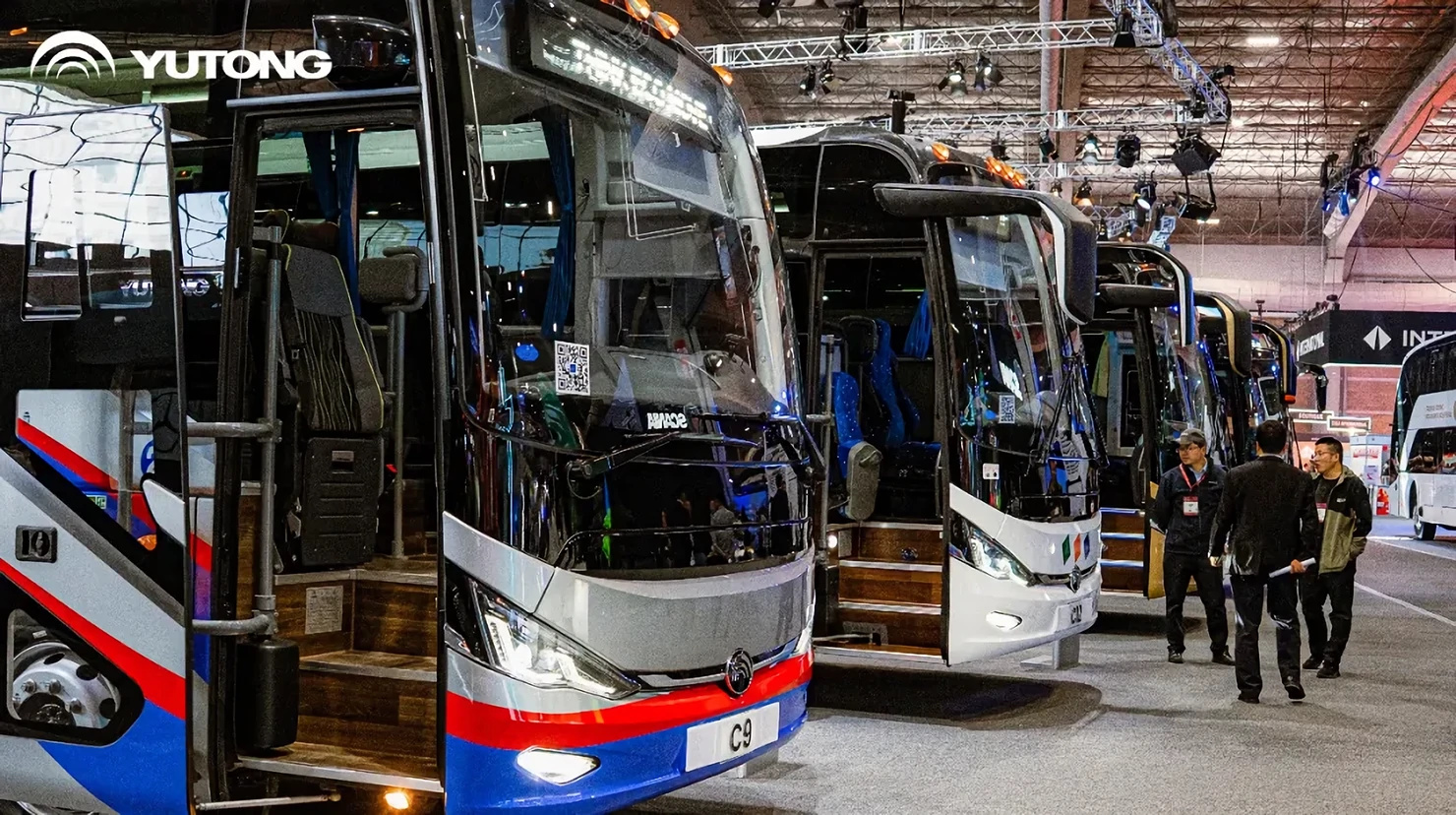
China advances into Mexico’s transportation with an electric bus that has a range of up to 530 km, bringing a complete line to the country in 2026 and transforming its partnership with Yutong into one of the most strategic in Latin American mobility.
-
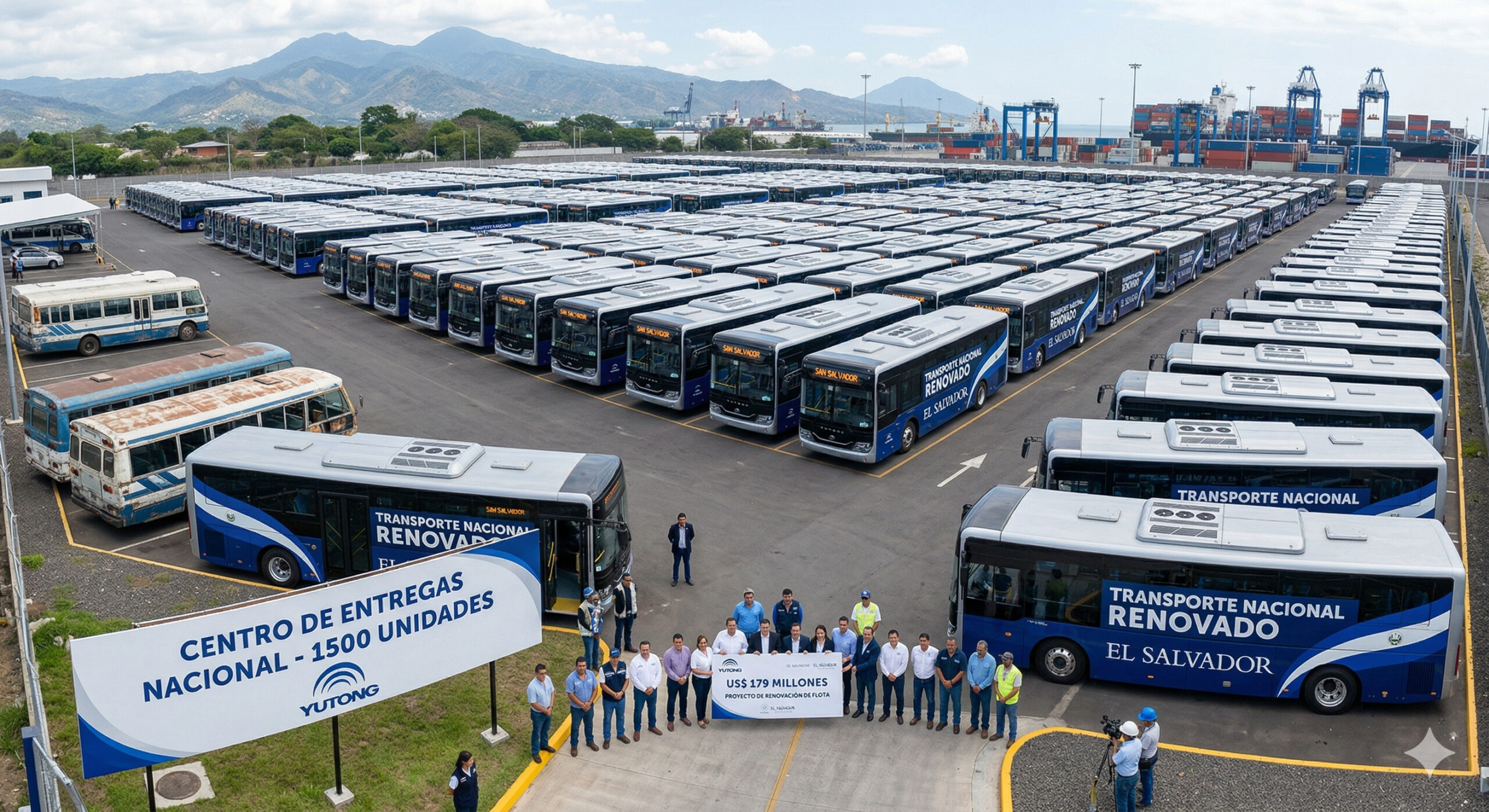
With 1,500 new buses financed by an international agreement, El Salvador is preparing the largest renewal in the history of its public transportation, a plan of $179 million with vehicles from the Chinese company Yutong that could replace practically the entire fleet of the country.
-
American Airlines starts selling trips as if they were flights, with check-in and baggage check at the airport, but on short routes, passengers board luxury buses connecting cities to major hubs in the U.S.

-
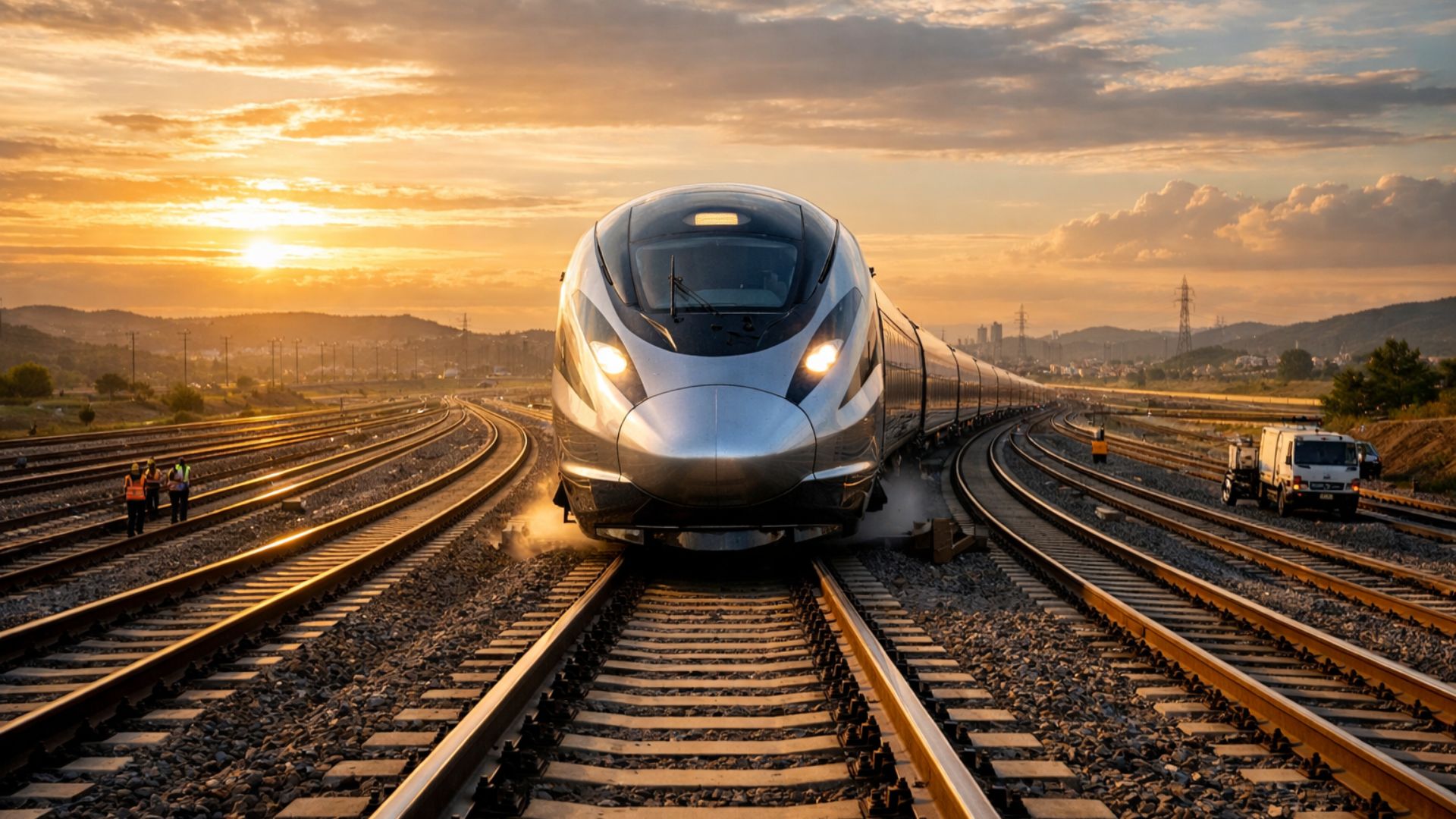
São Paulo surprises the world with a colossal railway network project that promises over 1,000 km of tracks, R$ 194 billion in investments, and 40 projects connecting the capital to the interior with fast and sustainable trains.
Marine fuel is produced from crude oil processing, but contains fewer impurities than other fossil fuels. This means that when burned, it produces fewer pollutants and greenhouse gases. Thus, this type of fuel is also significantly cleaner for the marine environment.
This technology can also offer significant savings for shipping companies. Due to its greater efficiency, marine fuel can reduce operational costs by up to 15%. This allows ship owners to save money and invest in additional improvements.
Another benefit of adopting marine fuel is the reduction of dependence on fossil fuels. This type of fuel also offers greater energy security, as it does not rely exclusively on traditional energy sources.
However, there are challenges to the wider adoption of marine fuel. First, there are limitations in the supply of these products at ports due to global demand for this type of fuel. Therefore, the initial conversion cost to use these products can pose a financial challenge for some companies.
Despite these challenges, the use of marine fuel remains an increasingly attractive option for global maritime industries. With growing concern for environmental preservation and climate change, this technology can have a significant positive impact on marine operations in the coming years.










Seja o primeiro a reagir!