





 Portuguese
  English
  Spanish
  2 min of reading


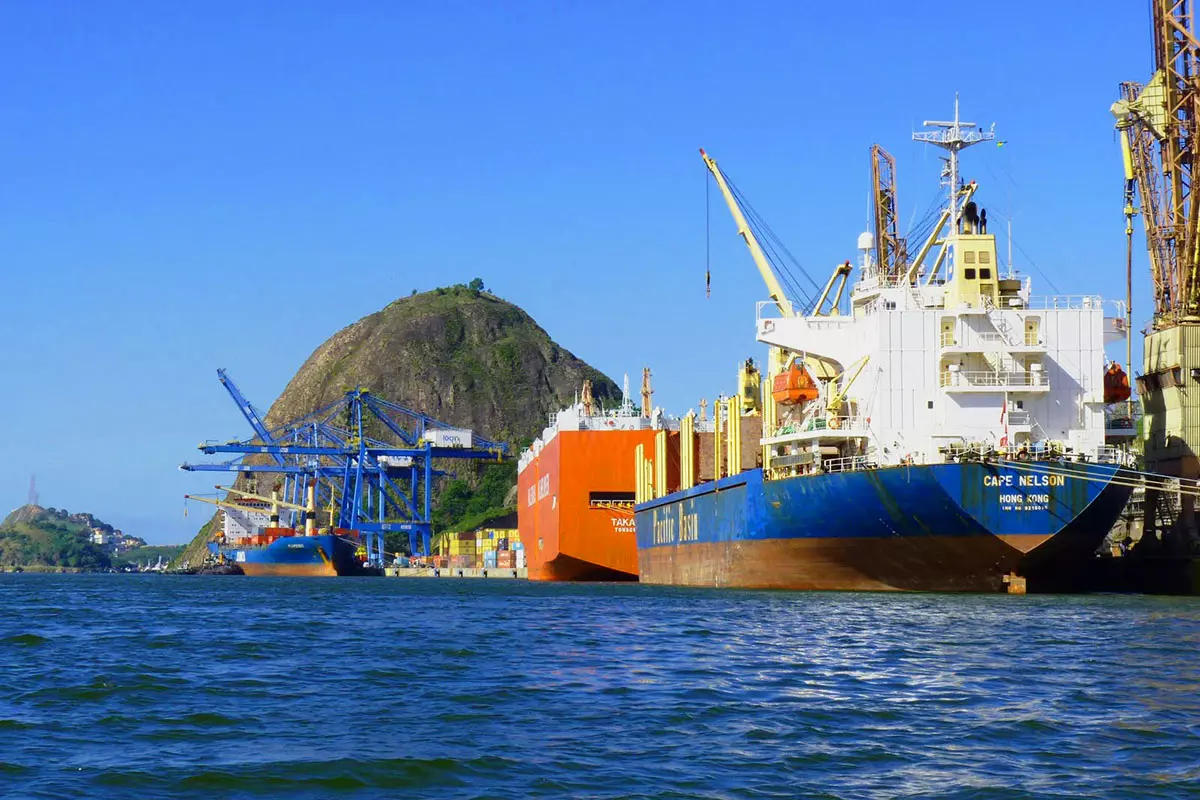
Petrobras Expands Its Product Portfolio at the Port of Santos, Offering Ultra Low Sulphur Marine Gas Oil (ULSMGO).
This new marine fuel option has a maximum sulfur content of 0.1%, meeting the more restrictive limits of Emission Control Areas (ECAs). According to Sandro Paes Barreto, Executive Manager of Marketing in the Internal Market at Petrobras, “this measure reflects our concern for society and ensures lower emissions.”
The company previously offered conventional Petrobras Marine Gasoil (MGO) at the port for long haul and cabotage operators. This has a maximum sulfur content of 0.5%. Both products are mainly obtained from the lighter fractions of the refining process. With this new offering, Petrobras helps reduce emissions of the pollutant sulfur oxide, while also allowing for lower costs and travel times through ECAs.
Marine Fuel
In recent years, the maritime industry has embraced cleaner and more sustainable fuel solutions. Marine fuel is becoming an increasingly common alternative for transporting goods and passengers around the world.
-
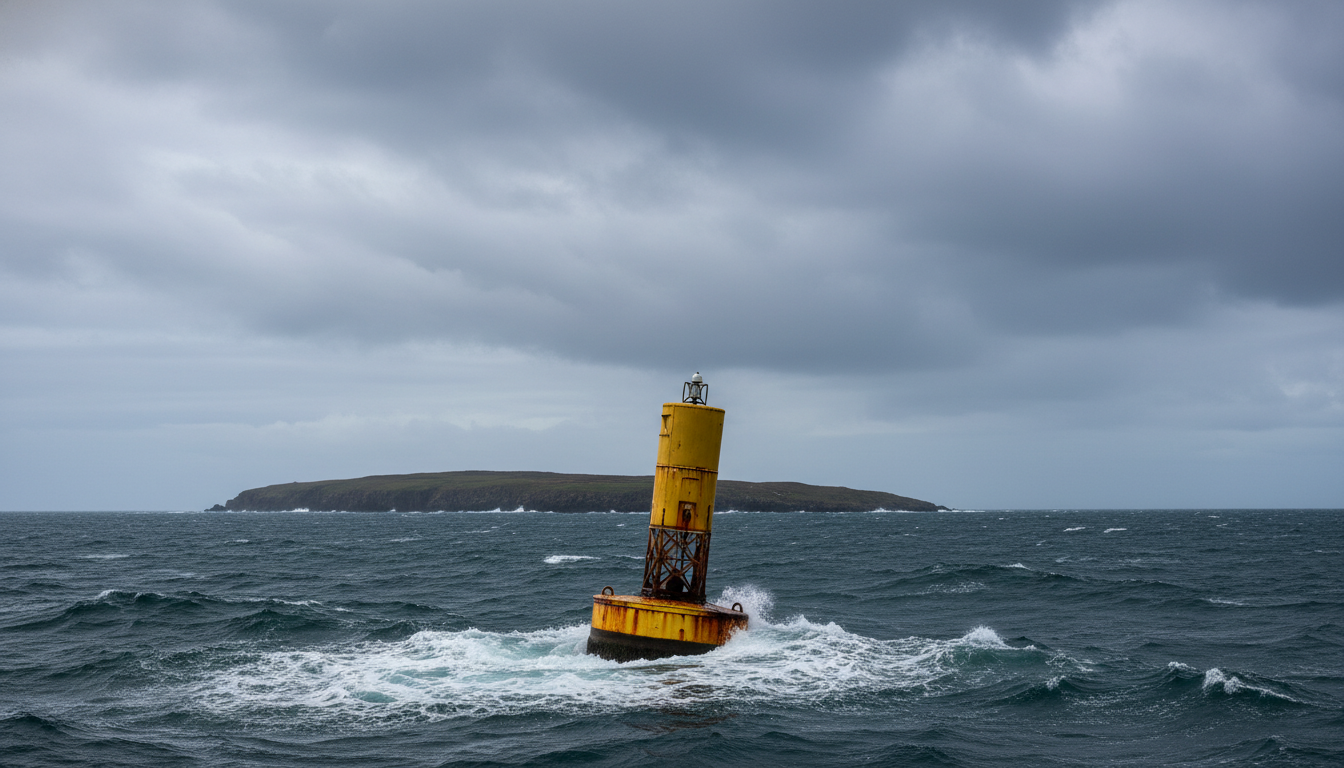
As Europe seeks alternatives to Russian gas and saturated solar energy, IDOM connects to the Spanish power grid a 42-meter vertical cylinder equivalent to 14 floors that generates 30 kW of electricity solely from the movement of the waves in the Cantabrian Sea.

-
While the global nuclear sector is dominated by Westinghouse, Rosatom, KEPCO, and EDF, the Argentine state-owned company Nucleoeléctrica approves a change in its statute to sell technical services in the international market and position itself as an exporter of nuclear know-how accumulated over 5 decades.
-
While conventional electronic memories fail in low orbit after 30,000 rads, researchers from Georgia Tech have presented a ferroelectric NAND flash memory that remains stable up to 1 million rads, equivalent to 100 million consecutive X-rays.
-
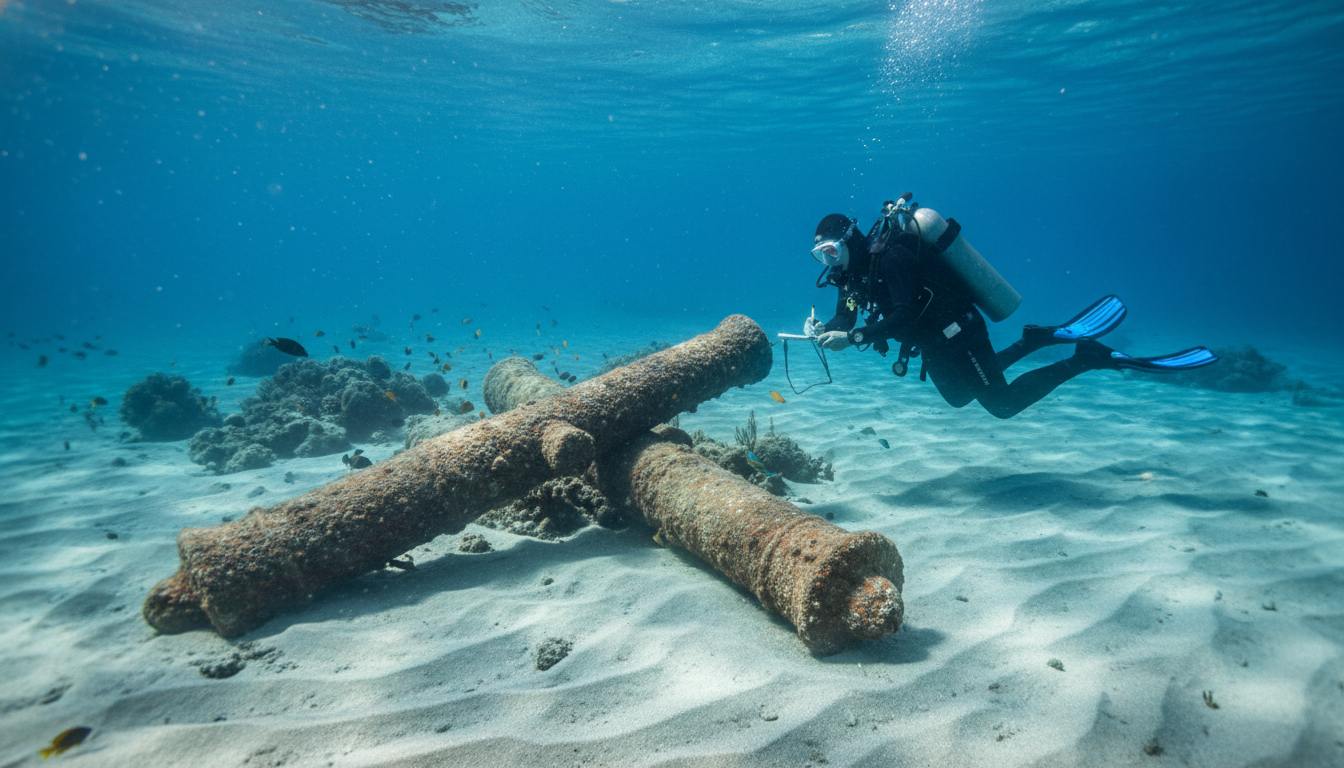
While treasure hunters compete for the San José in Colombia and the Atocha in Florida, Andalusian archaeologists map a 17th-century Spanish galleon with 27 intact cannons and evidence of cargo linked to the colonial silver fleet at just 6 meters deep in the Bay of Cádiz.


Marine fuel is produced from crude oil processing, but contains fewer impurities than other fossil fuels. This means that when burned, it produces fewer pollutants and greenhouse gases. Thus, this type of fuel is also significantly cleaner for the marine environment.
This technology can also offer significant savings for shipping companies. Due to its greater efficiency, marine fuel can reduce operational costs by up to 15%. This allows ship owners to save money and invest in additional improvements.
Another benefit of adopting marine fuel is the reduction of dependence on fossil fuels. This type of fuel also offers greater energy security, as it does not rely exclusively on traditional energy sources.
However, there are challenges to the wider adoption of marine fuel. First, there are limitations in the supply of these products at ports due to global demand for this type of fuel. Therefore, the initial conversion cost to use these products can pose a financial challenge for some companies.
Despite these challenges, the use of marine fuel remains an increasingly attractive option for global maritime industries. With growing concern for environmental preservation and climate change, this technology can have a significant positive impact on marine operations in the coming years.






Be the first to react!