





 Portuguese
  English
  Spanish
  3 min of reading


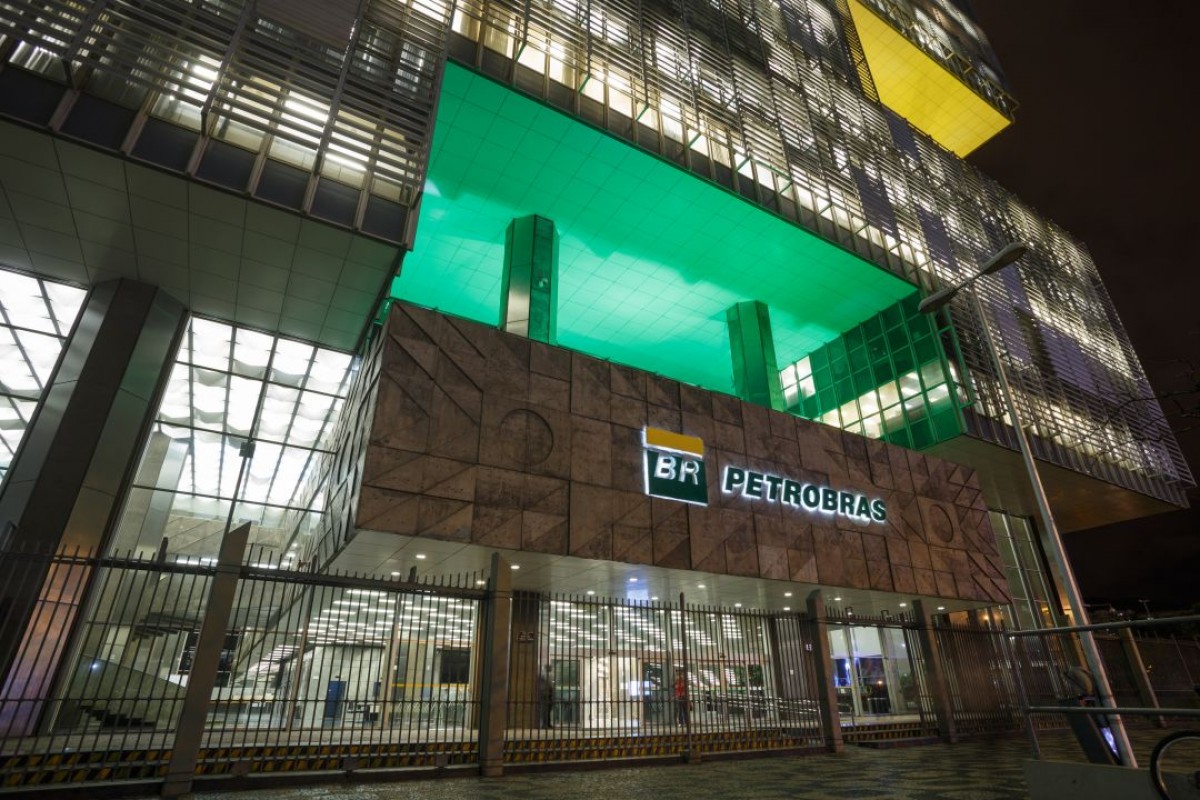
The Reinstatement of Fuel Taxes Brings Benefits, But Price Increases May Affect More Vulnerable Families. This Was the Assessment of Economists Heard by Agência Brasil.
The president of Petrobras, Jean Paul Prates, assured that the company will not be tied to the price policy for diesel and gasoline based on the Price Parity and Import (PPI). The reinstatement of fuel taxes was welcomed by experts, who point out benefits such as strengthening public policies related to social security, as well as correcting the distortion of subsidies for fossil fuels.
On the other hand, there is a warning about the inflationary impacts that may reach poorer families. The president of Petrobras guaranteed that the company will continue to practice local market prices and will not be tied to the PPI policy for diesel and gasoline. This statement came as a blessing for the more vulnerable families, who have already been affected by a series of taxes in recent years.
The reinstatement of fuel taxes was announced by Lula. Following the announcement, which anticipated increases of up to R $0.34 in gasoline and R $0.02 in ethanol, Petrobras reduced prices.
-
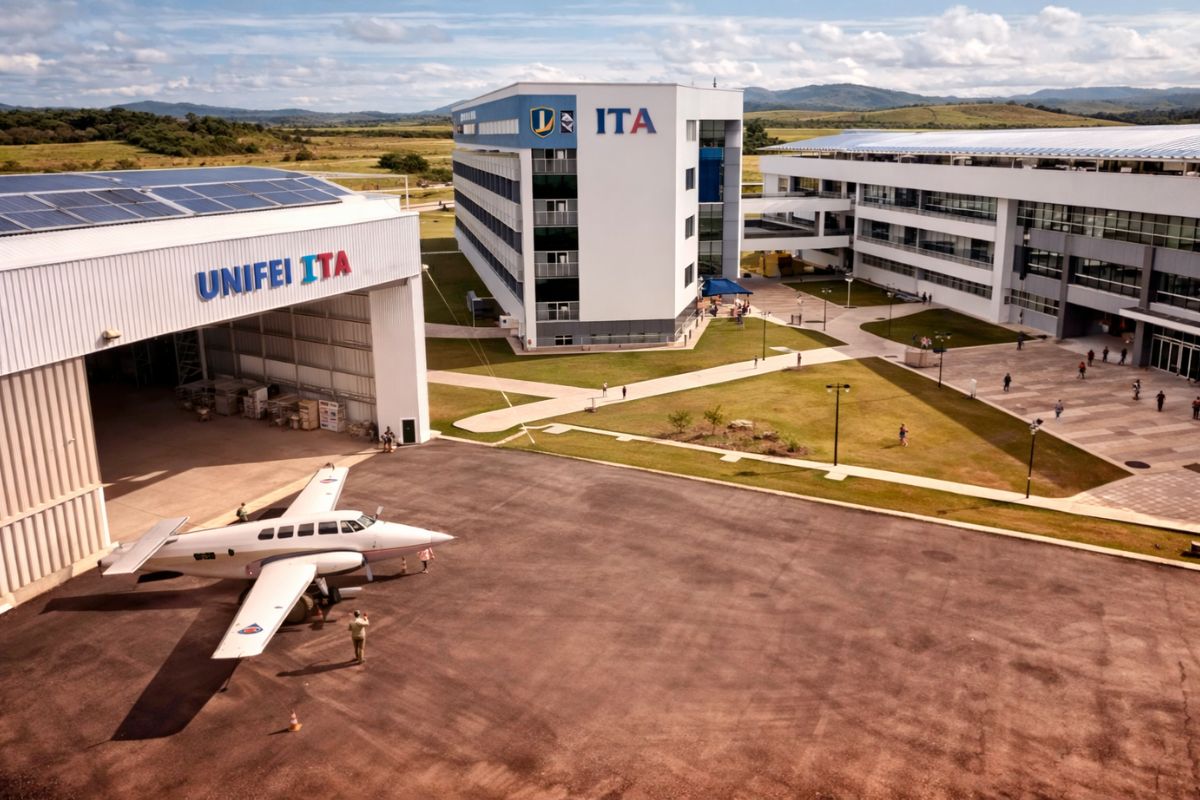
The institute that trained the greatest aerospace engineers in Brazil has just opened its first campus outside São Paulo after 75 years: ITA Ceará will have R$ 445 million, new courses in energy and systems, and classes are expected to start in 2027.
-
Luciano Hang, owner of Havan, goes to Juiz de Fora after the tragedy in February, brings R$ 1 million, hands out R$ 2,000 cards, and donates up to R$ 15,000 to victims in the region.

-
The Brazilian passport allows legal residence in dozens of countries without the need for a prior visa, and most Brazilians are unaware that they can apply for residency directly upon arriving in nations in South America, Africa, and even Europe.

-
Petrobras sends a message to Brazilian truck drivers after fuel collapse and reveals plan to have 100% domestic diesel.
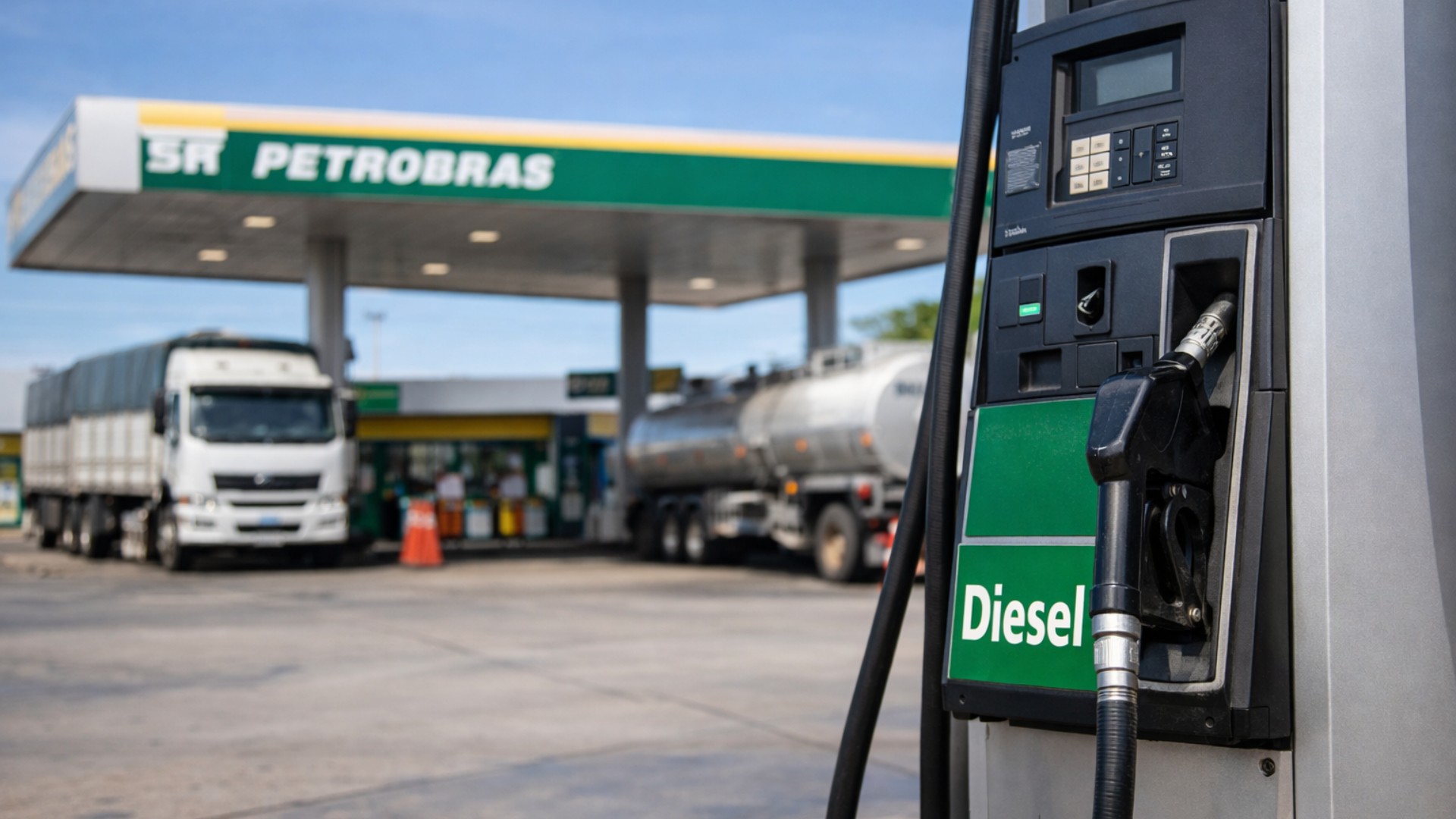

This measure marks a reversal of the removal of PIS and Cofins rates for gasoline, ethanol, diesel, biodiesel, natural gas, and cooking gas made by then ex-president Jair Bolsonaro last year. It is a movement that has provoked strong repercussions in the lives of all Brazilians.
The Brazilian Government Decided to Rebalance Public Accounts by Reducing Subsidies to Non-Renewable Fuels.
Economist Juliane Furno, head of the Institute for Reforming Relations Between State and Enterprise (IREE), stated that the measure not only balances but also reinforces the state’s capacity to promote universal public policies.
She emphasized that this decision will ensure the financing of social security, enabling access to retirement, assistance benefits, and healthcare for all. Thus, she indicated that it is an important step towards a low-carbon economy. In this way, the Brazilian government has shown commitment to energy transition, considering fiscal balance and the well-being of the population.
Economist Juliane Furno warned that the total reinstatement of fuel taxes, announced by the government, may have an inflationary impact and penalize the poorest families. She stated that a gradual strategy could have been applied to avoid these consequences.
Professor Marco Antônio Rocha from the Institute of Economics at Unicamp agreed with the reinstatement of fuel taxes but emphasized that the government missed the chance to debate Petrobras’ pricing policy. He explained that the company prices fuels based on the international price of a barrel of oil and not on the local production cost.
“I think the first important step would have been for the government to announce together with this [the reinstatement of fuel taxes] what a new Petrobras pricing policy“, he said. Rocha added that, although the international oil price is stabilized at the moment, it is important to plan for potential changes in the external scenario.
Economist Juliane Furno criticized the measure taken by the government for the total reinstatement of fuel taxes, arguing that it “will have an inflationary impact that could even affect the president’s popularity”. Professor Marco Antônio Rocha pointed out that Petrobras’ pricing policy should have been discussed at the time of the reinstatement of fuel taxes.









Seja o primeiro a reagir!