






 Portuguese
  Spanish


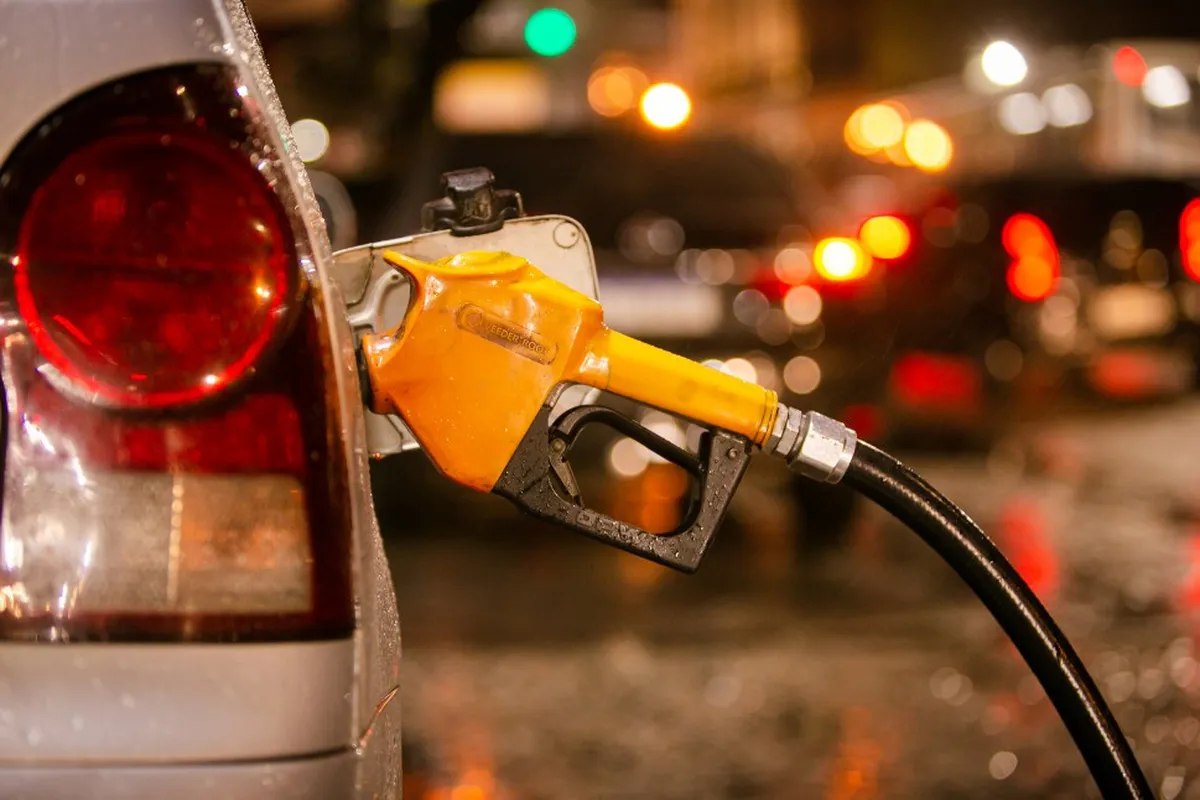

The Federal Government Authorized The Reoneração Of Gasoline Starting In March 2021, According To The Provisional Measure (MP) Issued At The Beginning Of This Year. The Information Was Confirmed On Thursday (23) By The Head Of The Center For Tax And Customs Studies Of The Federal Revenue, Claudemir Malaquias, During A Press Conference After The Release Of January Revenue.
Malaquias Also Explained That The Tax Relief On Gasoline And Ethanol Would Remain In Effect Until The End Of This Month, While The Relief On Diesel Would Extend Until The End Of The Year. Regarding The “Ninety Days” Rule For The Reoneração Of Gasoline, He Stated That It Was A Legal Matter For Which There Would Be No Immediate Answer.
The Tax Relief On Fuels Was One Of The Main Points Of The MP Published By The Bolsonaro Government In 2020, When The Prices Of Products Reached The Highest Level In History. Once In Effect, It Guaranteed Significant Discounts When Refueling Motor Vehicles.
According To Experts, The Positive Consequences Of This Measure Were Felt By All Brazilians Who Own Motor Vehicles. According To Them, In Addition To Direct Benefits At The Time Of Refueling, There Was Also A Reduction In Logistical Costs For Various Companies Across The Country.
-
At 14 years old, she worked in a factory in Hong Kong, studied economics abroad, and then entered the Chinese real estate market, which helped change the landscape of Beijing.

-
While NATO secured more than $10 billion in missiles and space surveillance at a single forum, Brazil still spends 1.1% of its GDP on defense and is stalling its own anti-aircraft system.

-
Corn ethanol attracts R$ 23 billion in 21 new plants and prepares for a nearly 50% jump in Brazilian production by 2027, even with high interest rates.
-
A newly opened terminal in the middle of the Amazon has begun transporting soy and corn through Amapá, eyeing the queue of ships that is congesting the ports in the South.


As A Result, The Entire Brazilian Economy Was Benefited: Sectors That Rely Directly Or Indirectly On Transport Became More Predictable In Making Their Investments And Planning Their Operations.
Federal Tax Charges On Fuels Return In March, Says Revenue

In Light Of This Favorable Scenario, The Ministry Of Economy Promises To Maintain The Reoneração Of Gasoline Indefinitely. Thus, Drivers Can Continue To Count On Lower Prices To Fuel Their Vehicles Without Losing Their Current Financial Conditions.
Malaquias, Head Of The Center For Tax And Customs Studies Of The Federal Revenue, Recently Commented On The Proposal For The Reoneração Of Gasoline: ‘It Is A Matter Of Economic Policy, And Not Of Revenue’. The Record Revenue In January 2023 Was Questioned In Relation To The Proposal For Reoneração.
The Secretariat Of Economic Policy (SPE) Established New Macroeconomic Parameters For 2023, Which Include Factors Such As External Scenario, Price Indices, Interest Rates, Credit, And Indebtedness. These Parameters Will Serve As The Basis For The Projections Of The Federal Revenue.
Malaquias’ Opinion On The Reoneração Of Gasoline Has Been A Widely Discussed Topic In Recent Months. In An Environment Marked By Changes In The Global Economy, Experts Have Highlighted The Importance Of Economic Policy To Ensure Fiscal Balance. The Debate Is Especially Relevant Now That The Correction Of Prices For Oil Derivatives Has Been Considered A Strategic Measure To Achieve This Goal.
Through This Initiative, The Government Aims To Achieve Several Objectives: Increase Domestic Consumption, Decrease The Cost Of Fuels In The Domestic Market, And Stimulate Investments In Infrastructure. However, There Is Still Some Resistance From The Population Due To The Possibility Of An Increase In The Tax Burden.
Therefore, Analysts Believe That Other Measures Would Be Necessary To Achieve The Desired Objectives. For Example, Measures That Encourage People To Adopt More Sustainable Practices Of Production And Consumption. This Would Minimize The Negative Side Effects Of The Reoneração Of Fuels On The Environment And Help Ensure That Greenhouse Gas Emissions Are Significantly Reduced.
Overall, There Are Positive And Negative Aspects Involved In The Discussion About The Reoneração Of Gasoline. However, It Is Important To Consider That The Final Decision Will Depend On A Thorough Assessment Of These Various Factors By The Brazilian Government. The Federal Revenue Will Continue To Monitor The Behavior Of Fuel Prices In The International Market To Assess Its Impacts On The Brazilian Economy.








