





 Portuguese
  English
  Spanish
  2 min of reading


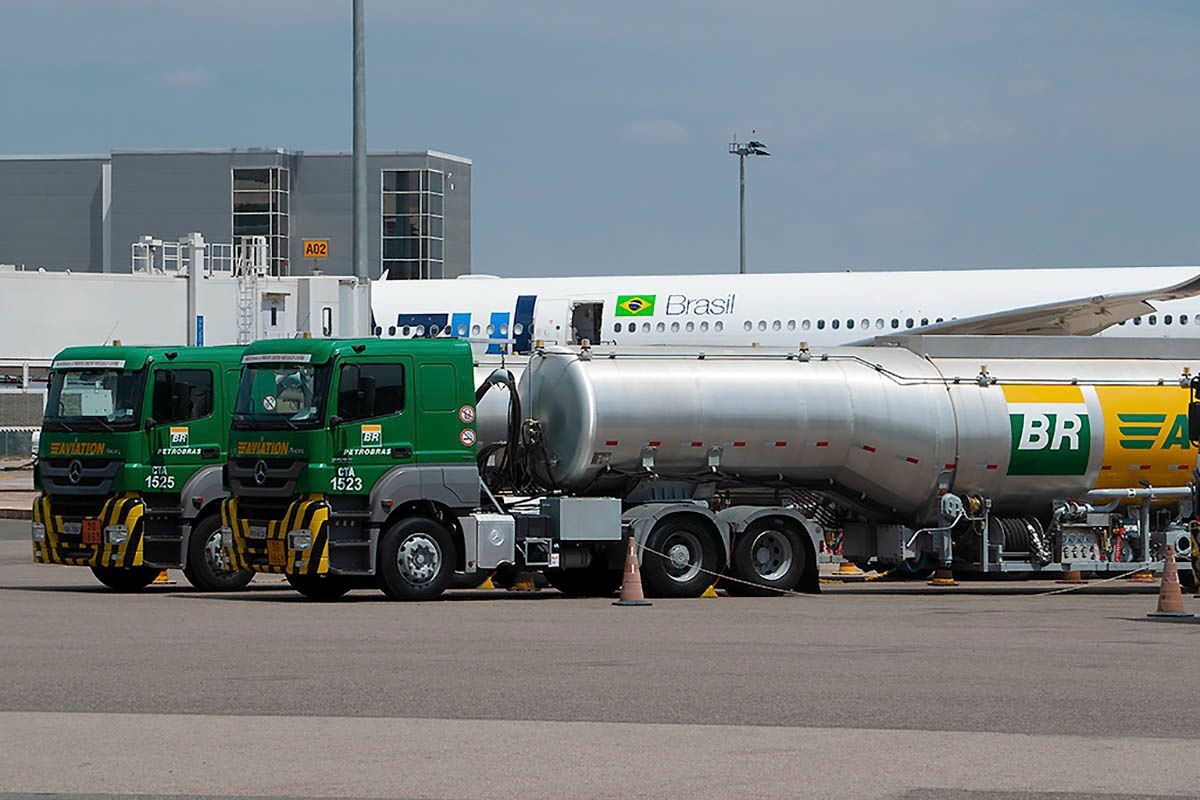
The High Price Of Airfares In Brazil Has Been One Of The Main Concerns Of The Aviation Sector And Consumers.
And, in light of this scenario, the President Of Petrobras, Jean Paul Prates, stated in an interview with CNN Brazil that reducing the price of aviation kerosene (QAV) is not the only solution to the problem, which goes far beyond that.
According to Prates, the issue of air transport involves several structural factors, not just the price of fuel. While he acknowledges that QAV is one of the important components of airfare prices, he emphasizes that it is necessary to address all the bottlenecks in the sector to make airfares more accessible to the population.
The President Of Petrobras claims that, as a senator, he requested that the Administrative Council for Economic Defense (Cade) investigate the airlines, of which there are only three in the country and which offer very similar schedules and prices.
-
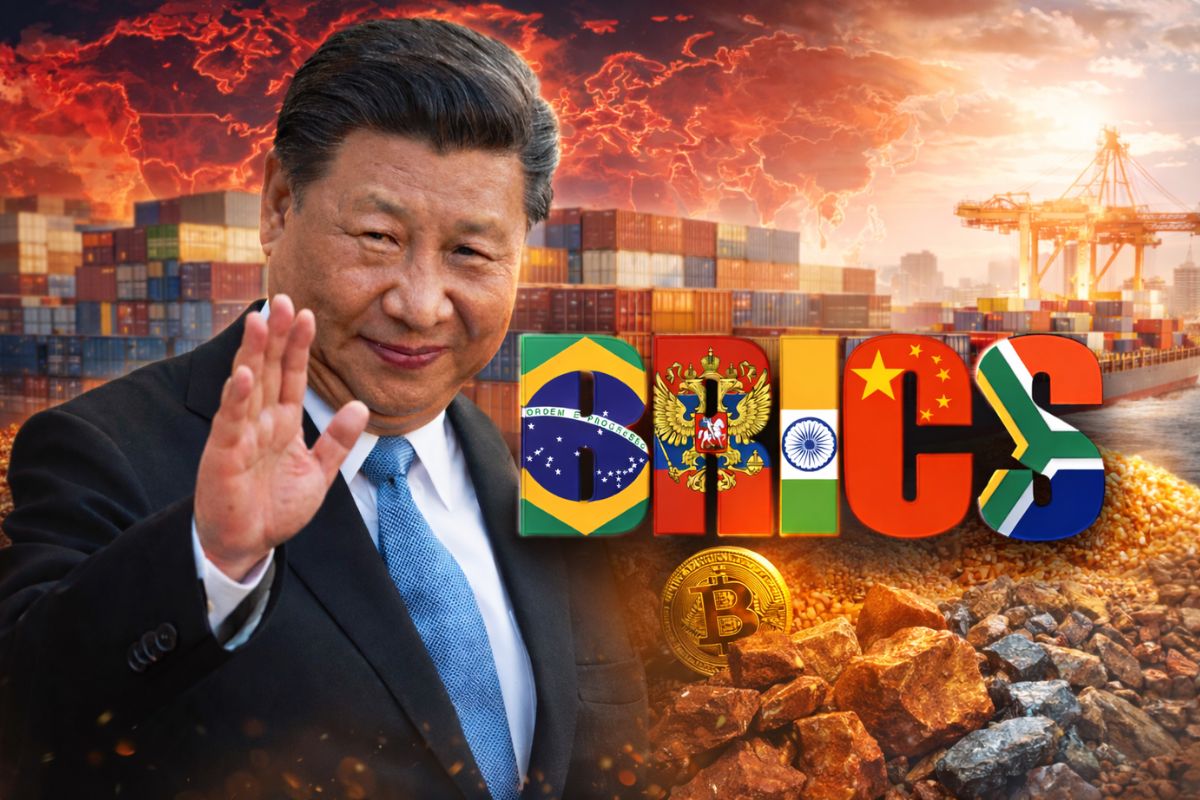
China alone accounts for 70% of trade within the BRICS, while Brazil establishes itself as an essential supplier of food and minerals: understand how the group, which already represents nearly 40% of the world’s GDP, is changing the game.
-
Starting in May, those who do not have registered biometrics will not be able to apply for Bolsa Família, sickness benefits, or unemployment insurance: understand the new rule that changes access to benefits for millions of Brazilians.

-
A new law being voted on in Brazil proposes a minimum fare of R$ 10 per trip and R$ 2.50 per kilometer for Uber and 99 drivers, and promises to ensure they earn as well as taxi drivers did during the golden age of taxis in the country.

-
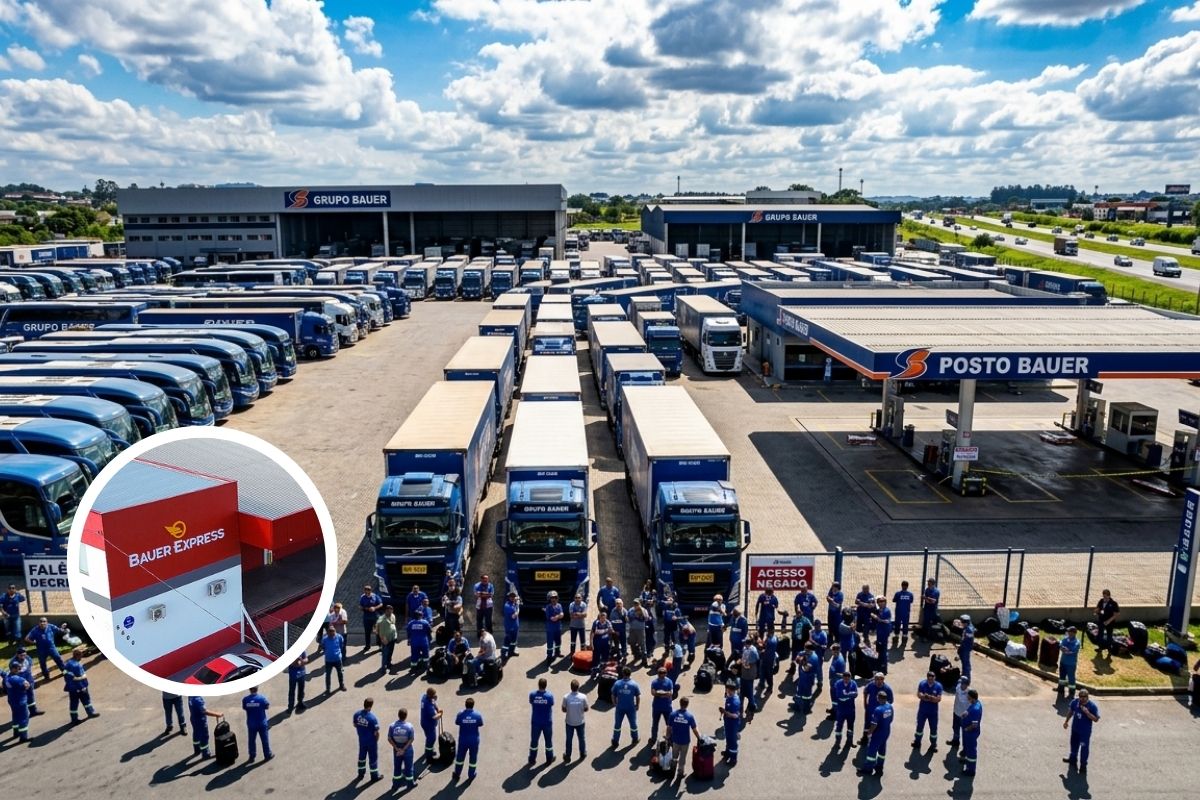
Bauer Group collapses after failed judicial recovery: 25 years, 800 vehicles, and a network of gas stations leave a debt of R$ 50 million and 100 layoffs, exposing costs, tight margins, and expensive credit in Brazil.
This Lack Of Competition In The Brazilian Airline Sector May Be One Of The Factors Contributing To The Rise In Airfare Prices.
Prates also highlighted that the Price Reduction Announced By Petrobras on November 16 did not include aviation kerosene. Gasoline saw a drop of R$0.40 per liter, while diesel had a reduction of R$0.44 per liter and cooking gas dropped by R$0.69 per kilogram.
In Brazil, the Price Of Aviation Kerosene is adjusted every first day of the month and is one of the main costs for airlines, accounting for about 30% of total expenses. With a reduction in QAV, airlines could lower airfare prices, but according to Prates, it is necessary to tackle the structural issues of the sector to change the reality of air transport in the country.
In a scenario where the Aviation Sector is facing an unprecedented crisis due to the Covid-19 pandemic, many people have avoided flying and airlines are also struggling financially. In this sense, a reduction in Airfare Prices could be an important measure to encourage people to fly again and to stimulate the economy of the sector.
Therefore, although the Reduction In The Price Of Aviation Kerosene may help lower airfare costs, it is essential to address the structural issues of the sector, such as limited competition among airlines, to make tickets more accessible to Brazilian consumers. However, both reducing the price of QAV and investigating the lack of competition in the aviation sector can be important steps towards a solution to the problem.








Seja o primeiro a reagir!