





 Portuguese
  English
  Spanish
  5 min of reading
  0 comments


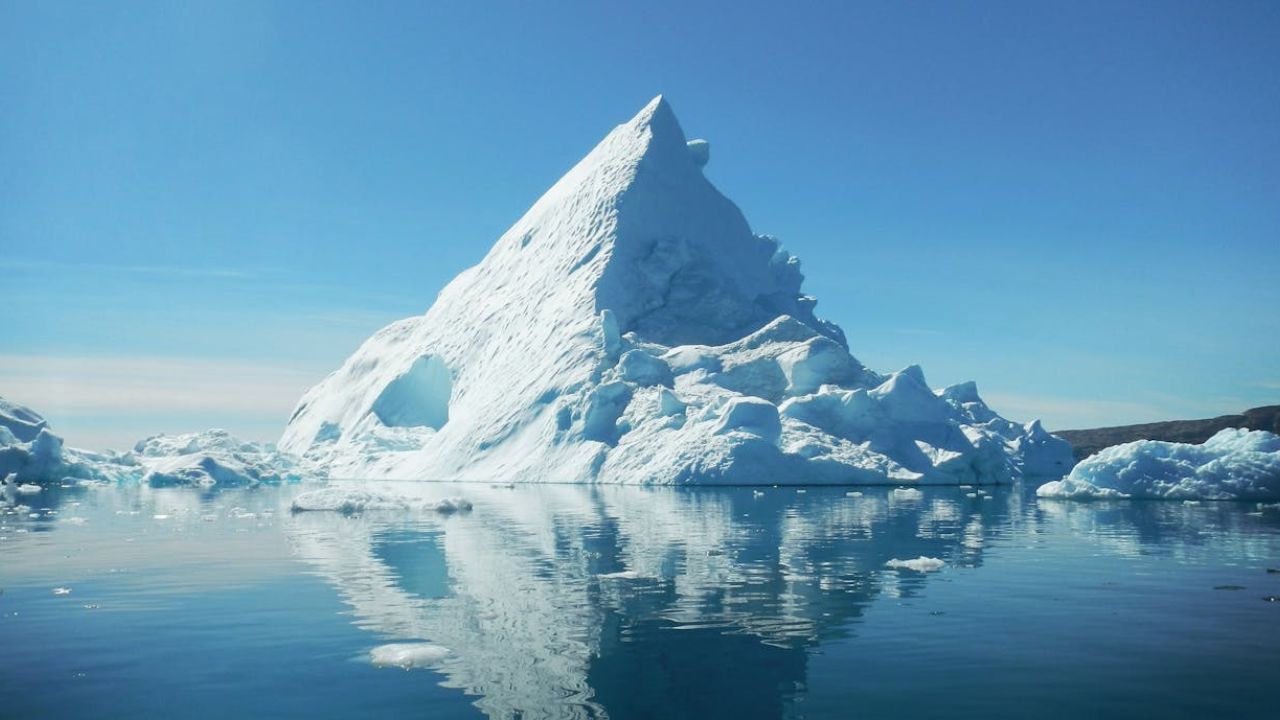
Global Warming Reveals Resources And Routes In The Arctic, Intensifying The Race Between Nations Like China, Russia, And Western Powers For Influence In The Region.
The Arctic, once a vast frozen expanse, is warming four times faster than the rest of the planet. This phenomenon triggers a new era of opportunities and tensions. Global powers like China, Russia, the U.S., and European nations compete for access to natural resources and new maritime routes, turning the Arctic into a crucial geopolitical stage.
Why Does The Arctic Attract Global Powers?
Climate scientists assert that the Arctic is warming four times faster than any other place. This affects ecosystems, wildlife, and local populations. Despite its vastness, covering 4% of the globe, global powers see a new world of opportunities opening up in the Arctic due to environmental changes.
The melting ice in the Arctic facilitates access to the incredible natural resources of the region. These include essential minerals, oil, and gas. It is estimated that about 30% of unexplored natural gas is found in the Arctic. Additionally, the thaw is opening possibilities for new maritime trade routes. These routes could drastically reduce travel time between Asia and Europe, representing significant savings in the export sector.
-
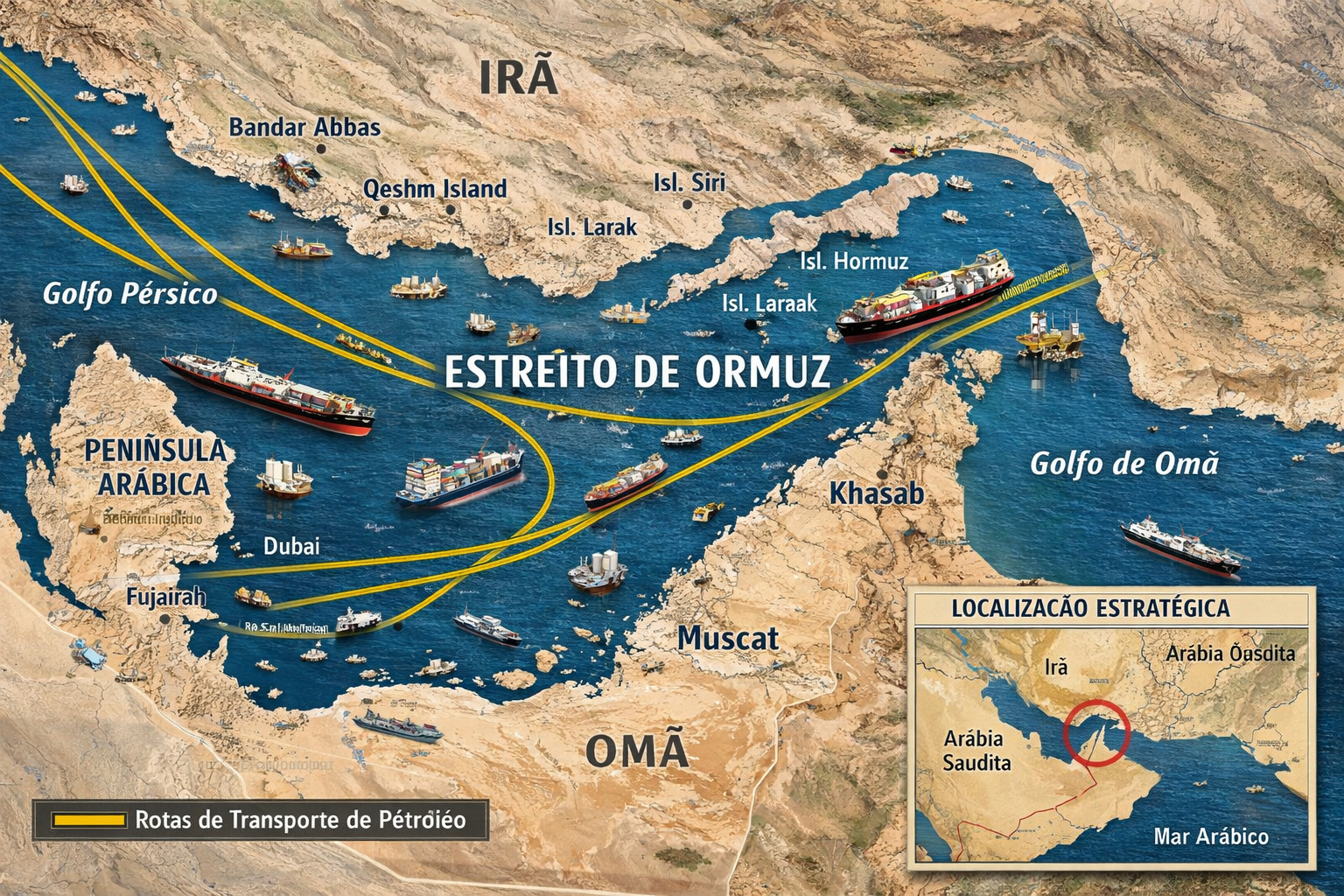
Global summit with over 40 countries pressures Iran for a blockade in the Strait of Hormuz and warns of direct impact on oil, food, and the global economy.
-
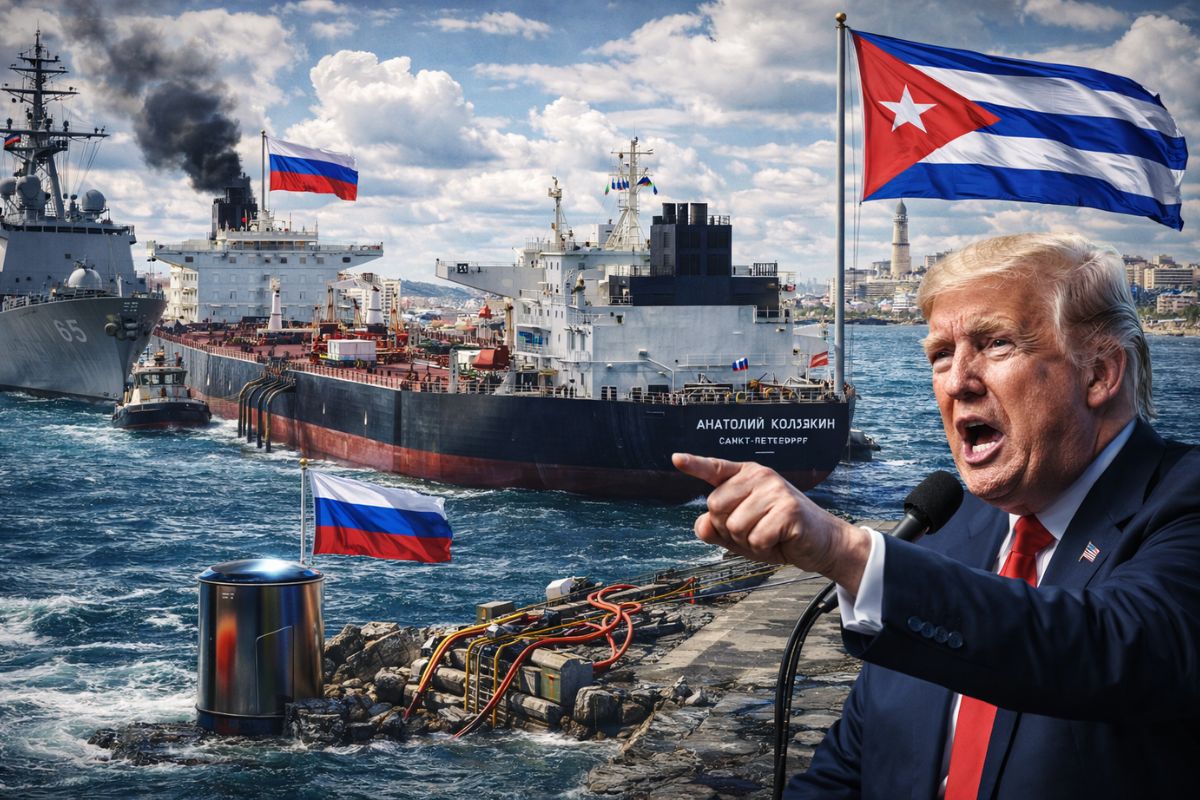
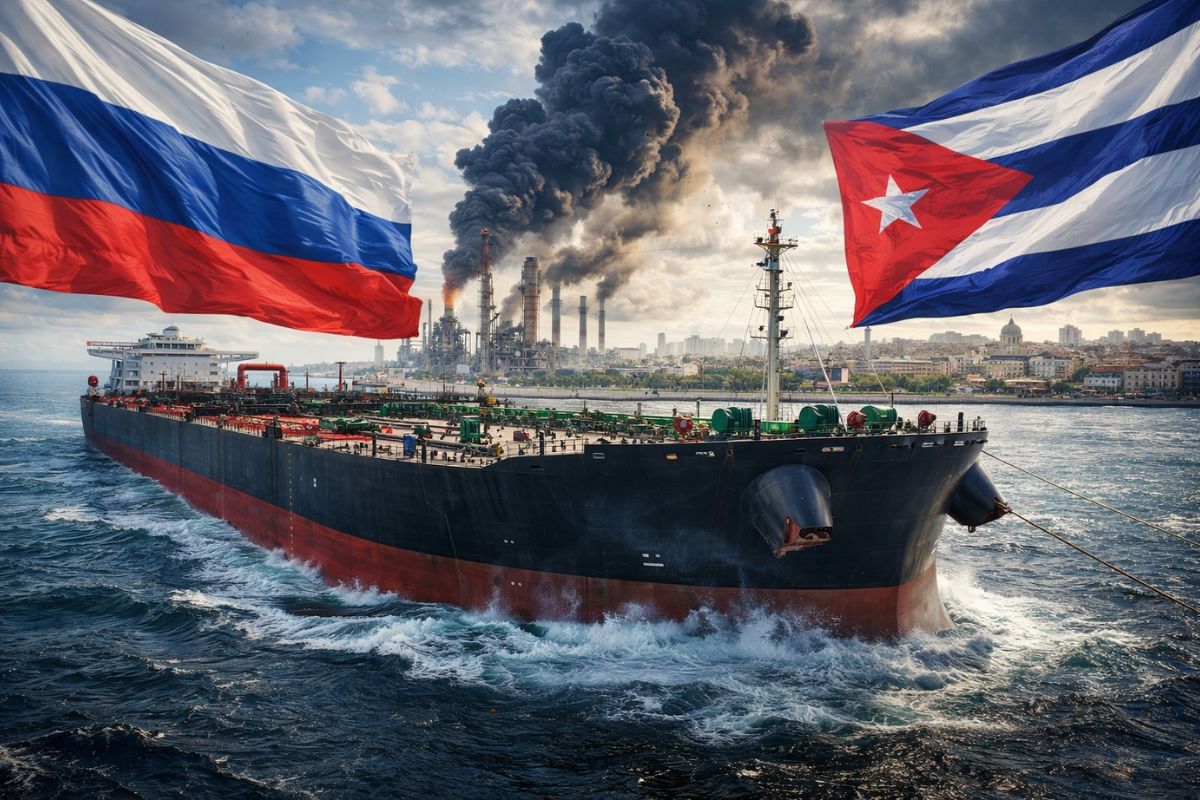
Russia has broken the U.S. maritime blockade to send oil to Cuba and is now loading a second ship while Trump says that “Cuba is next” in a possible military action against the island.
-
Spain challenges the USA and closes its airspace for operations against Iran, raising global tension and provoking the threat of a trade rupture.
-
While no other country manufactures tanks in Latin America, Argentina activates the TAM 2C-A2 and raises a curiosity about the technological lag in the region.

Ambitions Of A “Polar Superpower”
China is determined to be a major player in the Arctic. Magnus Mæland, mayor of a small town in the far north of Norway, reported the sudden Chinese interest upon receiving three delegations from the Asian country at the end of 2023. “It’s because they want to be a polar superpower,” he says.
Beijing has been competing to buy real estate and get involved in infrastructure projects in the Arctic. The Asian country hopes to establish a permanent regional presence and already describes itself as an “almost Arctic state.” China is also developing a “Polar Silk Road” plan for maritime transportation in the Arctic.
However, this Chinese approach has faced resistance. Recent attempts by Beijing to buy ports in Norway and Sweden, and an airport in Greenland, have been rejected. Mayor Mæland expresses caution: “We want to have a relationship with China, but we do not want to be dependent on China.” New laws in Norway, for instance, prohibit property transfers if the sale could harm “Norwegian security interests.”
Russia And The Strategic Domination Of The Arctic
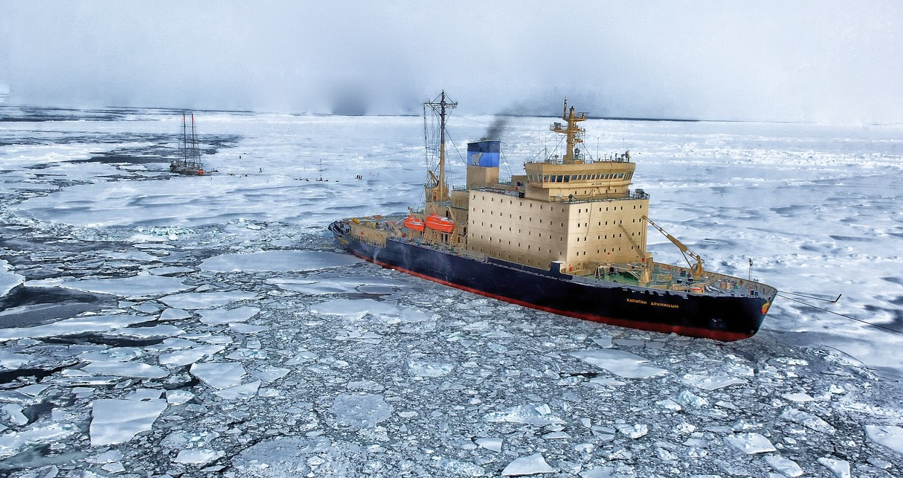
Russia controls an impressive half of the Arctic coastline. European rejection of Chinese advances has brought Beijing closer to Moscow, the main player in the region. Russia is absorbing Chinese investments, and the two countries are cooperating militarily in the Arctic. China’s coast guard entered the Arctic for the first time in October, on a joint patrol with Russian forces, following joint military exercises. Long-range bombers from both countries have also patrolled the Arctic Ocean near Alaska.
Andreas Østhagen of the Fridtjof Nansen Institute describes the Arctic as an “easy target” for this collaboration. “Russia needs investments and business actors,” he states, and “China is that market.” Despite the cooperation, Russia remains cautious not to allow China to delve too deeply into the Arctic, a region Moscow heavily relies on for its natural resources and where it stores strategic weapons, primarily on the Kola Peninsula, home to the Northern Fleet.
NATO And The West: Monitoring And Responding To Tensions
With Finland and Sweden’s accession to the North Atlantic Treaty Organization (NATO), all countries bordering the Arctic, except Russia, are members of the alliance. This has intensified NATO’s exercises in the Arctic.
The Norway, a neighbor of Russia, feels particularly under pressure. The country believes that Russia is using the Arctic to train recruits and fly bombers to attack Ukraine. Reports of GPS interference and espionage at the border have increased, according to Colonel Jørn Kviller. Norway and its NATO allies closely monitor suspicious activities, including Russian spy submarines, and protect critical underwater infrastructure such as communication cables and gas pipelines. Vice Admiral Rune Andersen, head of the Norwegian joint headquarters, emphasizes that Russia’s concentration of nuclear weapons in the Arctic targets not only Europe but also the U.S.
The Arctic In Dispute: Risks, Consequences, And The Voice Of Indigenous Communities
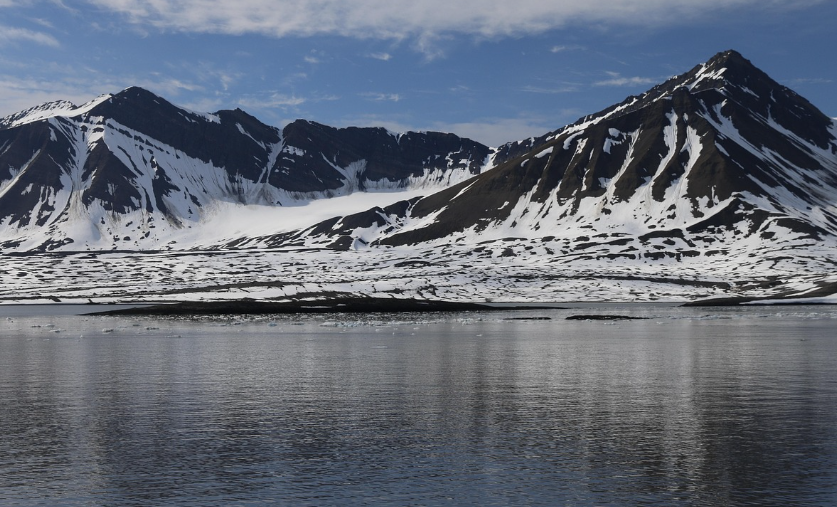
The Norwegian archipelago of Svalbard is at the center of the dispute over Arctic resources. Although Norwegian, it is governed by a treaty that allows citizens from signatory countries to work there. Since the invasion of Ukraine, there have been displays of nationalist power and growing suspicion of espionage at research facilities from different countries. “I think the world has been dominated by FOMO [fear of missing out] of the Arctic,” comments local mayor Terje Aunevik.
Indigenous communities in the Arctic feel that their rights are neglected. Miyuki Daorana, an Inuit activist from Greenland, states that the dispute over resources is “much more serious” now. She accuses European countries of using the “climate crisis” as an excuse for what she calls “green colonialism or development aggression,” aiming to extract more and more from indigenous lands.
The old notion of “Arctic exceptionalism,” where cooperation prevailed, is fading. In its place, an era of power politics arises, with nations acting primarily in their own interests. With so many rival nations now in the Arctic, the risks of misinterpretation or miscalculation are high.





Seja o primeiro a reagir!