





 Portuguese
  English
  Spanish
  5 min of reading
  0 comments


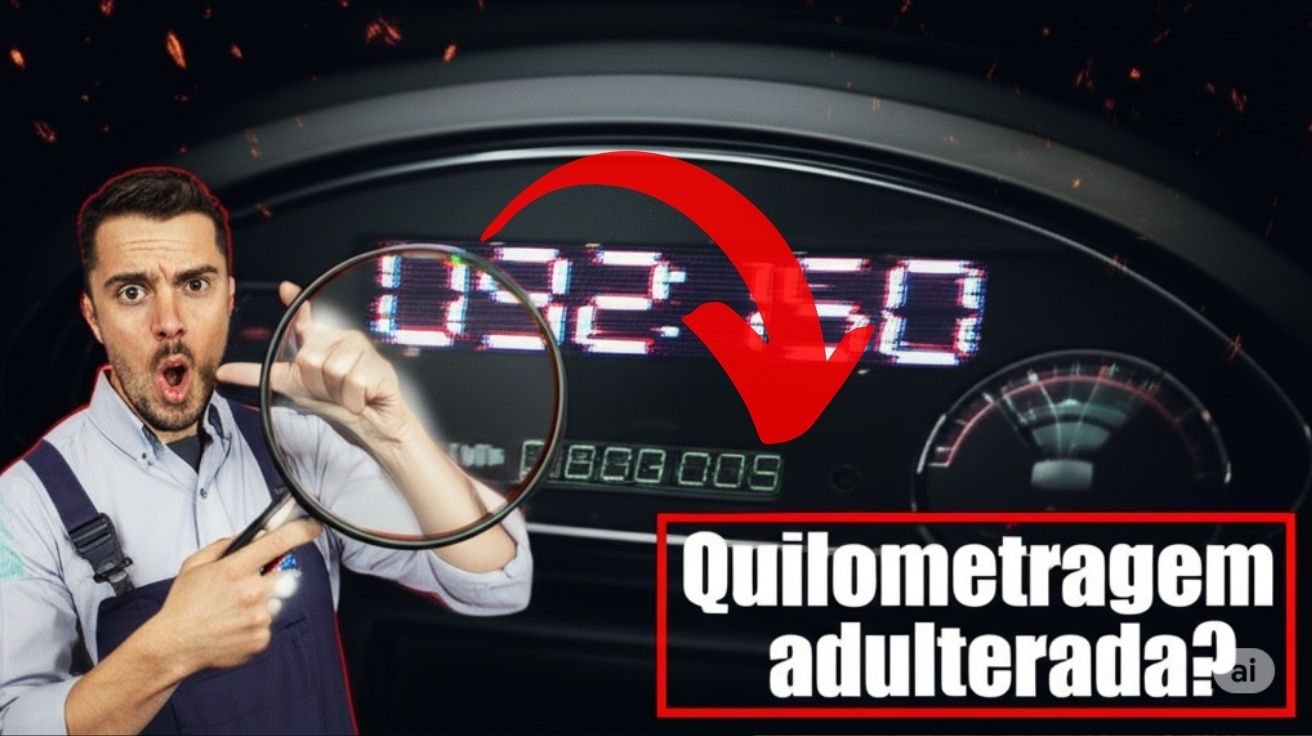
Discover The Main Signs Of Odometer Tampering In Used Cars, Learn How To Identify Frauds And Avoid Falling For Scams When Buying A Used Vehicle.
Odometer tampering is among the most common illicit practices in the used car market in Brazil, raising growing concern among consumers and regulatory bodies.
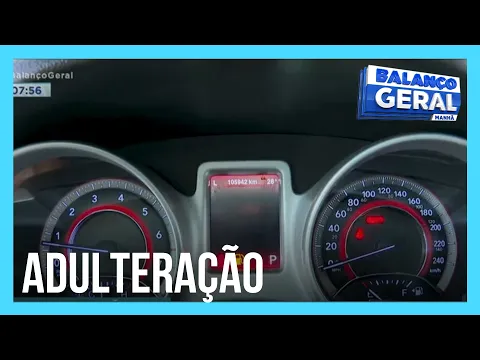
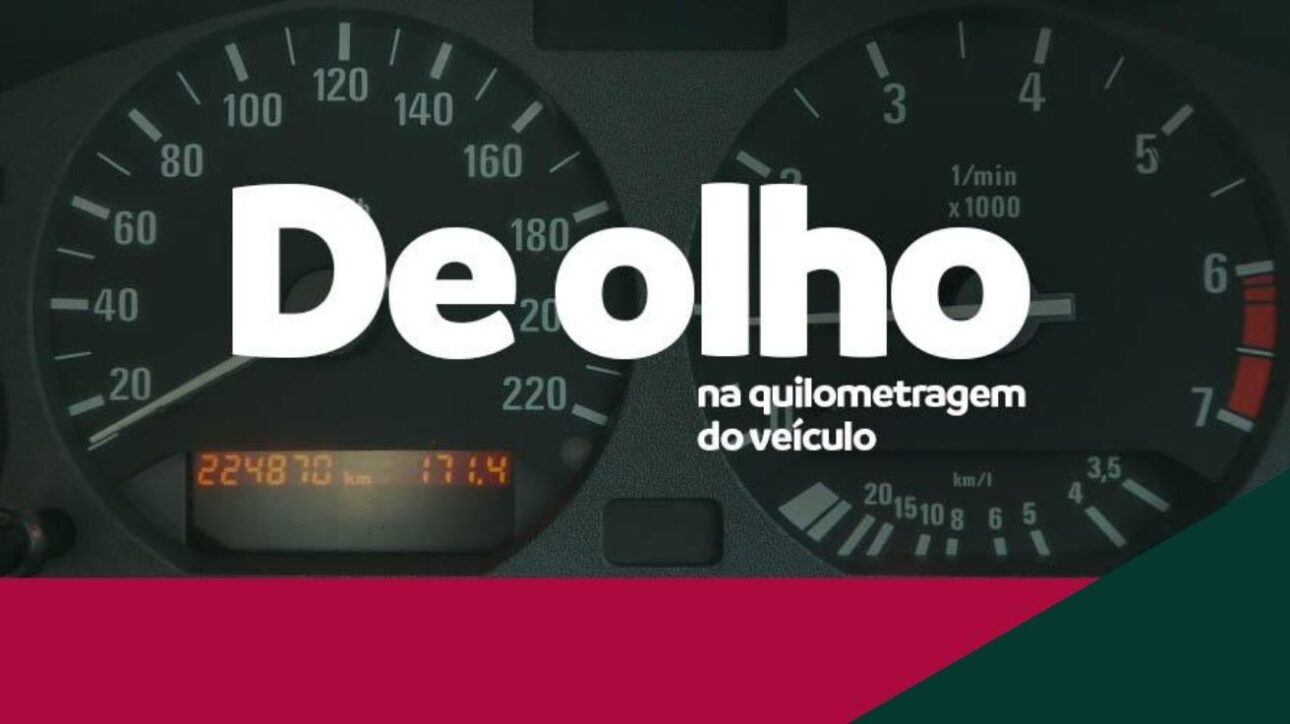
The odometer, the device responsible for recording the distance traveled by the vehicle, has become a target for fraud, especially after the popularization of digital models, which facilitate changes to the displayed numbers.
In this scenario, identifying signs of manipulation is essential to avoid financial losses and frustrations when acquiring a used vehicle.
-
Goodbye iron: new technology from Xiaomi promises to revolutionize the way we iron clothes with 500 kPa steam, continuous flow of 120 g/min, heating in 65 seconds, and six smart modes for different fabrics.

-
Rio Pardo, the most mysterious city in Rio Grande do Sul: untouched Pampas castle, the missing treasure of the Devil Boy, bride’s saint, invisible tunnels, and a 200-year curse today.

-
China retires the J-7 fighter after years of military protection and can now transform military items into drones, following more than 60 years of operation of the J-7, derived from the MiG-21, with thousands of units produced and strategic use in the PLAAF and PLANAF.

-
Volunteers are sought to live in the mountains for a month: a study pays people to stay at 2,500 meters, with 24-hour monitoring of sleep, metabolism, and blood pressure.


Crime And Frequency Of Mileage Fraud
Frauding the mileage is a crime provided for in Article 171 of the Brazilian Penal Code, and despite the penalties, the practice is still common.
Data from automotive associations indicate that approximately 30% of used vehicles for sale in the country show signs of odometer tampering.
This percentage reinforces the need for extra attention during vehicle inspection, as tampering can artificially inflate the vehicle’s value and disguise its real condition.
How To Identify Fraud: Annual Usage Analysis
The first recommended measure is to check the average annual mileage for Brazilians, estimated at around 15,000 kilometers, according to recent data from traffic authorities.
To assess the compatibility between the displayed number and the vehicle’s history, simply compare the mileage shown on the odometer with the acquisition date recorded on the first sale invoice.
A value significantly below the national average, especially in vehicles with several years of use, may indicate fraud.
It is worth noting, however, that vehicles used in transportation apps, such as ride-sharing drivers, can travel up to 10,000 kilometers per month, requiring even more careful analysis of these cases.

Service History And Dealership Checks
Another essential step is verifying the service history.
Manufacturers set mandatory service intervals every 10,000 kilometers or annually, and these maintenance records usually accompany the Owner’s Manual.
The absence of these records or the incompatibility between the number of services and the presented mileage should be viewed with caution.
Authorized dealership networks have integrated systems that allow for checking, by chassis number, the detailed service history, including dates, locations, and services performed.
According to industry experts, this cross-referencing of information is one of the most effective ways to detect potential fraud.
Visual Signs Of Tampered Mileage
Visual analysis can also reveal important signs.
The condition of the tires, for example, is an indication of the vehicle’s actual mileage.
Original tires typically last on average up to 30,000 kilometers, depending on usage conditions and driving style.
A vehicle advertised with low mileage but that has already had its tires changed deserves further investigation.
Checking the manufacturing date of the tires, engraved on the side, is a simple procedure that can help identify inconsistencies.
In addition to tires, the wear of internal components such as the steering wheel, gear lever, pedals, seats, and thresholds should be carefully observed.
Heavily worn parts in a supposedly low-mileage vehicle represent a red flag.
Details like frayed fabrics, whitened plastic, and excessive wear marks on controls may indicate that the vehicle has traveled more kilometers than the odometer reports.
Condition Of Seats, Professional Use And Interior Wear
The car’s usage history can also be revealed by the condition of the seats, especially the front passenger and rear seats.
If they are as worn as the driver’s seat, it is possible that the vehicle has been used for professional purposes, such as transporting passengers, which leads to higher mileage.
Engine Inspection And Technical Assessment
In the engine compartment, special attention should be given to hoses, rubbers, and connections.
Cracks, a dry appearance, or significant wear on these parts may indicate intense use over the years.
Likewise, the condition of the suspension, bushings, belts, brake pads, and exhaust should be evaluated by a trusted mechanic.
Qualified professionals can accurately identify if the wear on the parts is compatible with the declared mileage.
Electric Controls And General Functionality
Another important detail concerns the functioning of electric controls, such as locks, windows, and mirrors.
Frequent failures in these items usually arise after long periods of use, generally above 60,000 kilometers.
Additionally, the drivability, observing any play in the steering or transmission, as well as abnormal noises in the suspension when passing over irregularities, can indicate high mileage or lack of maintenance.
Doors, Handles And Other Signs Of Use
Doors and handles also deserve attention: play, difficulties in closing, or excessive marks on the hinges indicate wear beyond what would be expected in low-mileage cars.
These signs, combined with other indicators, form a more complete picture of the vehicle’s true history.
Cautious Inspection And Check Of Provenance
For greater security, specialized companies offer a cautious inspection, a service performed by automotive experts, with costs ranging from R$ 200 to R$ 500.
This detailed evaluation results in a report with information about the provenance, possible accidents, auction history, tampering or cloning, and checks if the mileage is consistent with the vehicle’s history.
Moreover, consulting the purchase invoice and using websites that research the vehicle’s background are practices that help prevent scams when buying a used car.
How To Avoid Falling For Mileage Fraud Scams
Preventing fraud in tampered mileage requires attention to details, knowledge of verification procedures, and, whenever possible, consulting specialists or technical services.
Consumers who pay attention to all these factors significantly reduce the risks of acquiring a vehicle with a dubious history, protecting their investment and ensuring greater peace of mind.
Given so many traps, what other precautions do you consider essential to avoid scams when buying a used car? Share your opinions and experiences in the comments.









Seja o primeiro a reagir!