





 Portuguese
  English
  Spanish
  6 min of reading
  0 comments


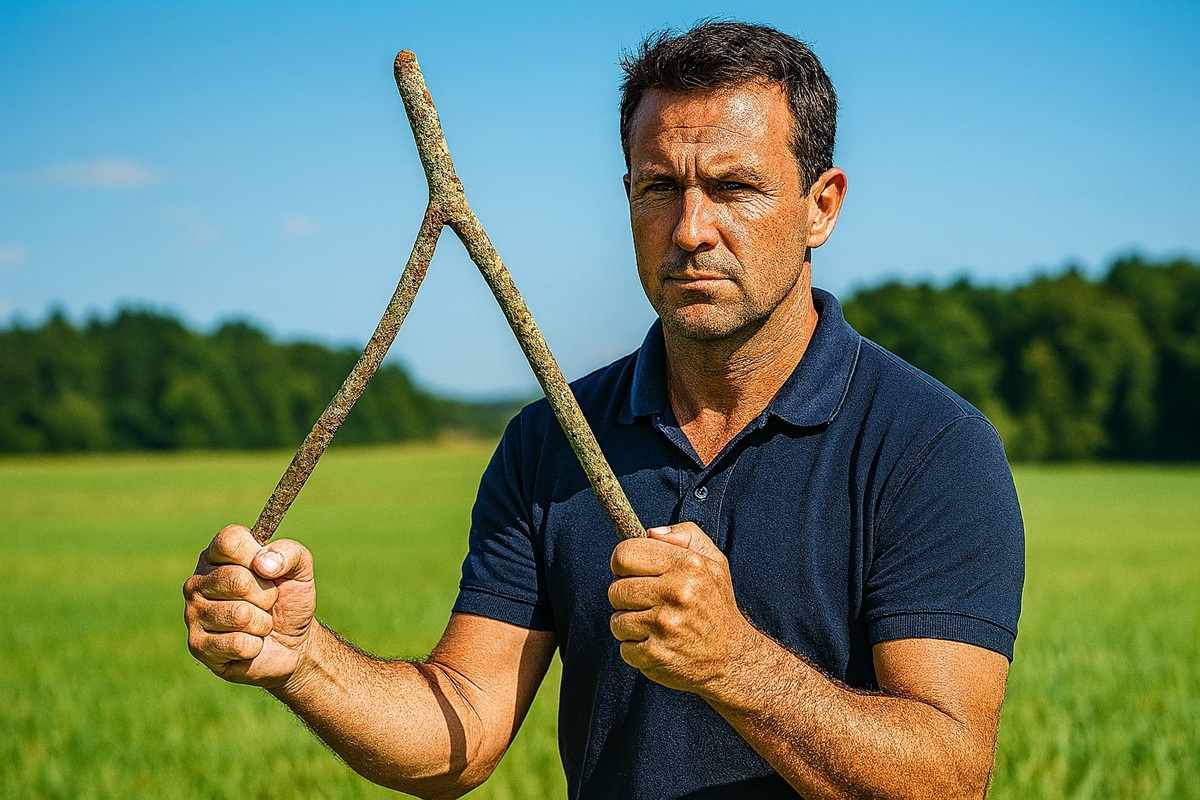
In Many Regions Of The Northeast Backlands, The Search For Water Still Depends On Traditional Methods. Common People, Known As Well Markers, Use Twigs To Try To Locate Subterranean Sources.
In the dry backlands of Northeastern Brazil, where finding water can be a matter of survival, many families still rely on an ancient and controversial practice: dowsing.
With a simple forked branch or two metal rods in hand, men and women walk the fields looking for subterranean veins.
For those living in drought-stricken areas, this technique represents hope. But for science, dowsing remains unproven.
-
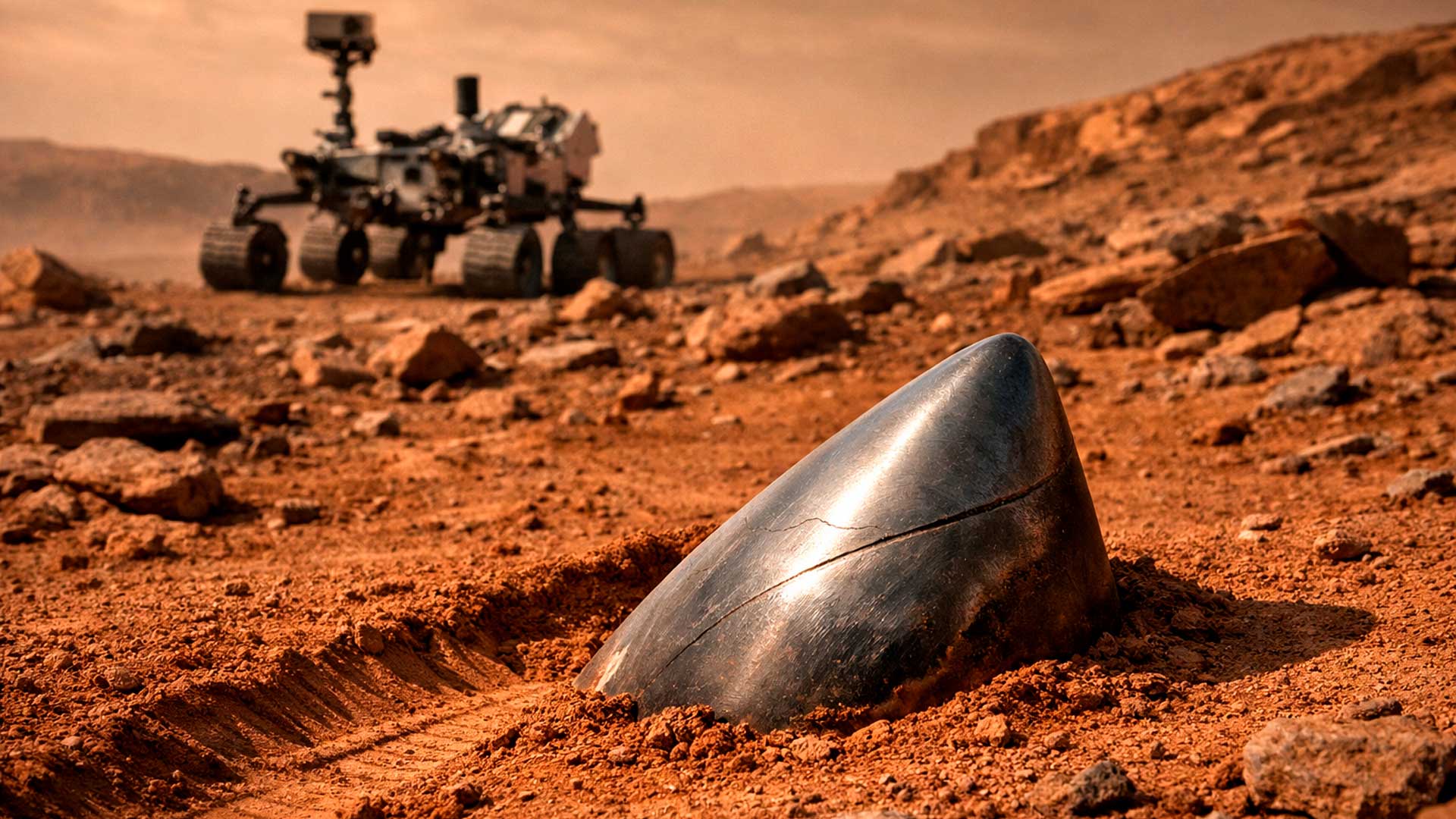
Mysterious object on Mars divides NASA and Harvard after Curiosity image reignites suspicions about what was really found on the planet.
-
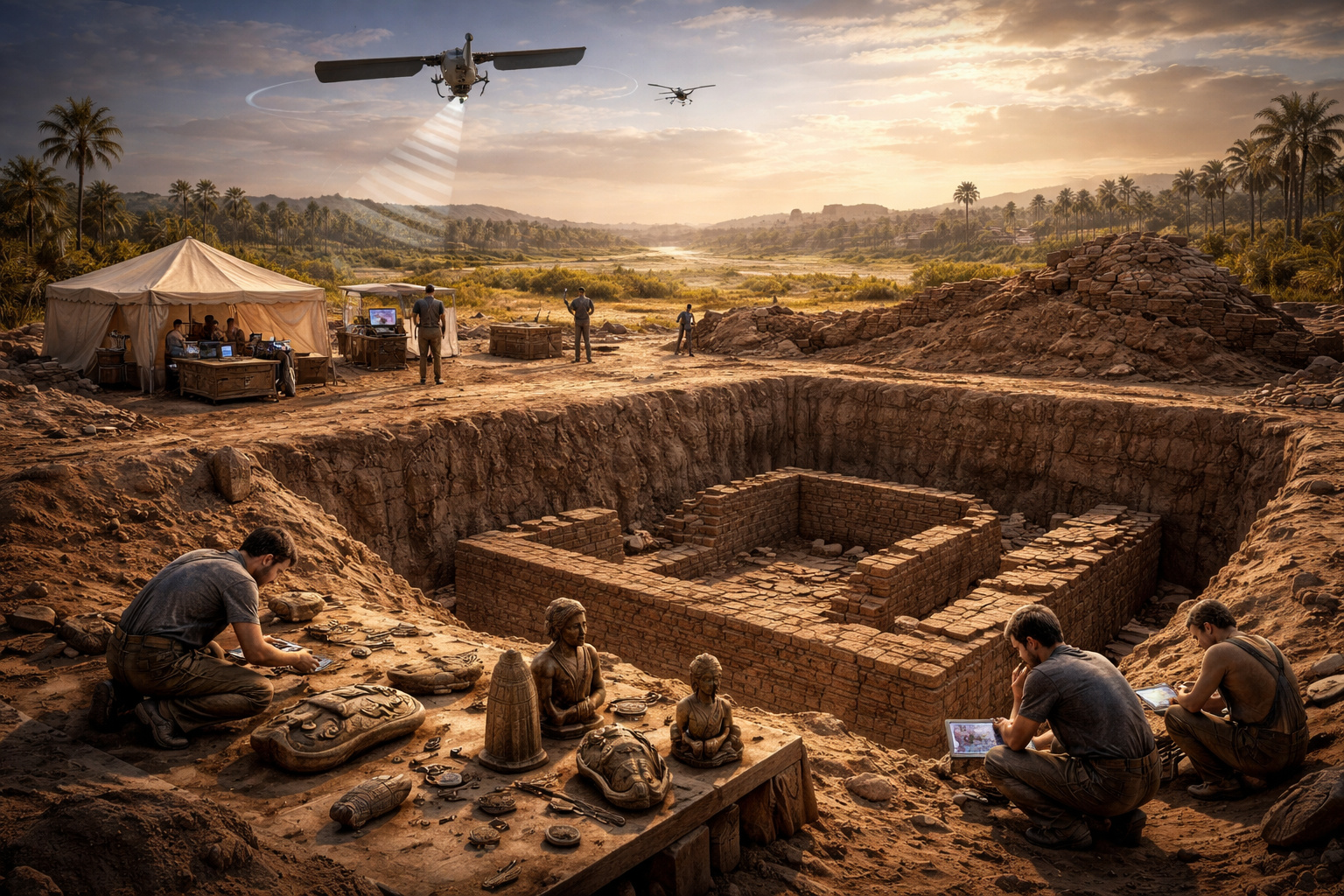
Giant structures 14 meters beneath Egypt are revealed by satellites and expose a millennia-old secret buried in Buto.
-
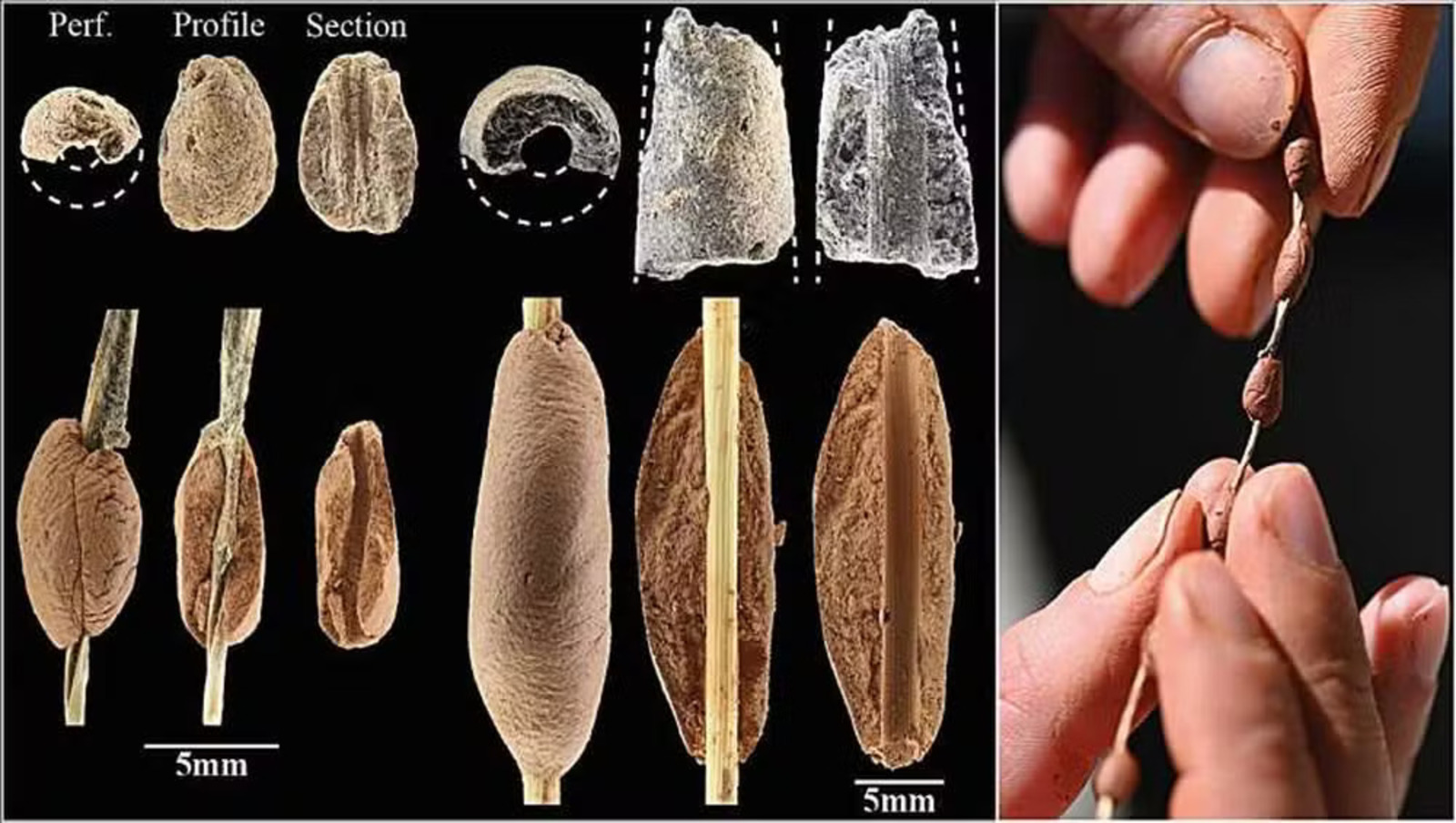
Children have been making clay pieces for 15,000 years in Southwest Asia, and fingerprints preserved on 142 ornaments helped archaeologists prove this.
-
New semi-autonomous legged robot technology challenges the limitations of space exploration by operating almost without human intervention on the Moon.

While dowsers claim to be able to “feel” the presence of water through invisible vibrations or energies, controlled scientific experiments have questioned this supposed ability.
One of the most famous tests was conducted in Germany in the 1980s and became known as the “Munich Experiments.”
The result? For many scientists, it was the definitive blow to the credibility of dowsing. But even with scientific data, the practice remains alive — especially where the lack of resources forces communities to make do as best they can.
The Northeastern Tradition Of “Well Markers”
In towns in the interior of Pernambuco, Ceará, Piauí, and Paraíba, it is common to find people offering water location services based on dowsing.
They are known as “well markers” and have a loyal clientele among small farmers and rural residents.
Instead of sophisticated equipment, they use guava sticks, peach tree branches, or even pieces of TV antenna shaped like an “L.”
Using a wooden fork, these markers walk barefoot across the terrain until they feel the twig spin in their hands. The higher the percentage of successfully found wells, the greater the recognition from the population.
Not everyone does, but it is quite common for these markers to charge for their service. The fee for marking ranges between R$ 200 and R$ 500. One detail: the fee is paid upfront, regardless of whether the indication of the well was correct or not.
The Role Of Intuition And Empirical Knowledge
Many who practice dowsing in the backlands claim to have a “gift.” Others say the technique can be learned and developed with practice.
Some of these markers believe that consuming alcohol or even the landowner’s presence at the time of the search can interfere.
In any case, what stands out is that these well markers often know their surroundings very well.
They know where there is more humid vegetation, depressions in the terrain, and even how the soil behaves in different seasons.
It is possible that this empirical knowledge, accumulated over decades, is the true basis for the success of dowsing in some regions.
In many cases, water is indeed present in much of the subsoil of the backlands, especially in valleys and lowlands. Thus, even a random choice may have a good chance of being correct.
For some researchers, the success of dowsing has no relation to supernatural powers or extrasensory perception, but rather with practical observations and experience.
The movement of the rods in the dowser’s hands, for instance, could be the result of the so-called ideomotor effect — small involuntary movements made by the body itself, without the person realizing it.
Scientific Tests Put Dowsing To The Test
Despite its popularity, dowsing is not recognized by science as a reliable method for detecting water.
To be considered valid, a technique needs to demonstrate consistent results above chance in controlled and repeatable tests.
That was exactly what scientists sought to verify at the end of the 1980s in Germany. Physicist Hans-Dieter Betz from the University of Munich led a two-year research project to rigorously test dowsing.
The experiment was supported by the German government and became known as the “Munich Experiment.”
Initially, 500 dowsers were recruited. After a series of preliminary tests, the 43 most promising were selected for the final stages.
The structure of the test was ingenious: in a two-story barn, a pipeline was installed on the lower floor.
Water flowed through this pipe in random positions, controlled by robots, without the participants knowing where it was.
On the upper floor, dowsers walked over the floor and indicated where they thought the water was passing.
More than 800 measurements were taken. The results? The vast majority of participants did not perform above the expected due to sheer luck.
Only six dowsers had slightly better results than average, but even those numbers were questioned by other scientists.
The Study “Testing Dowsing: The Failure Of The Munich Experiments”
In 1999, biophysicist Jim T. Enright published a critical analysis of the German experiment data.
In his article, titled “Testing Dowsing: The Failure Of The Munich Experiments,” Enright argues that the positive results had been overstated by the researchers.
According to him, when analyzing the data with more rigorous statistical criteria, the performance of the best dowsers was no better than that of someone guessing randomly.
In some cases, the correct guesses fell within the margin of error. Enright stated that the study’s own data was, in fact, strong evidence against dowsing.
The criticism had a great impact. Other researchers reviewed the results and concluded that the supposed “success” of a few participants was likely the result of coincidence and misinterpretation of statistics.
The dominant position in the scientific community today is that dowsing fails when subjected to rigorous double-blind tests.
Science And The Limits Of Popular Knowledge
In the absence of evidence, dowsing has been set aside in public policies for water supply and well drilling.
Today, state and federal agencies prioritize the use of geological and geophysical surveys, such as the electric resistivity technique, which allows for the identification of soil layers with a higher chance of containing water.
Even so, in remote and hard-to-reach areas, many municipalities still turn to dowsers as a practical and low-cost alternative.
These situations raise an interesting dilemma: if a practice works, even without scientific explanation, should it be dismissed?
For many residents of the backlands, the answer is no. The symbolic, cultural, and even spiritual value of dowsing weighs as much as the concrete results.
Can Tradition And Science Coexist?
While science demands rigorous proof, popular knowledge is based on experience, tradition, and trust among people. In the case of dowsing, these two worlds come into conflict — but do not necessarily exclude each other.
For communities in the semi-arid region, having someone who “knows how to find water” is a real alternative in the face of a lack of technical support.
Often, success depends more on trial and error, soil wisdom, and local conditions than on instruments or formulas.
At the same time, recognizing the limits of dowsing is important. After all, drilling a well is expensive, and failing means wasting time, money, and hope.
Therefore, many experts argue that the ideal is to unite both forms of knowledge: leveraging the practical experience of well markers but complementing it with modern and safe techniques.
What We Have Learned So Far
Dowsing remains alive in the northeastern backlands because it addresses a concrete and urgent need: finding water where it seems not to exist.
Even discredited by science, the practice persists as part of the imagination and popular culture. Guava sticks, pendulums, and metal rods are still tools of hope for those living on the margins of scarcity.
On the other hand, scientific studies — like the Munich Experiment — demonstrate that dowsing does not withstand controlled testing.
When environmental clues are hidden and evaluation criteria are objective, dowsers frequently fail.
Data suggests that the success of the practice, when it occurs, can be attributed to luck, environmental observation, or empirical knowledge.
Between tradition and science, the debate over dowsing remains open. But one thing is certain: in a Brazil where water is still a luxury for many, any tool promising to find it — even if caught between legend and reality — will continue to be taken seriously by those who need it most.






-

-

2 pessoas reagiram a isso.