





 Portuguese
 Spanish


A survey by MA7 Capital published Thursday, November 19, 2026, tallies R$153.9 billion in debt owed by 17 groups in court-supervised or out-of-court restructuring this year. Raízen, Braskem and Casas Bahia alone account for R$134.7 billion, or 87.5% of the total
Just look at the scale of the debt: Raízen, Braskem and Casas Bahia owe a combined R$134.7 billion, accounting for 87.5% of the total owed by the 17 groups in recovery in Brazil in 2026.
The survey was compiled by MA7 Capital and published by Money Times on Thursday, November 19, 2026, in a report by Monique Lima.
In all, MA7 identified R$153.9 billion in debt and other liabilities.
-
Nestlé to close Solon plant in Ohio, relocate production to South Carolina by 2027, while retaining research and offices in the city

-
Dollar surges for sixth consecutive session, reaching R$5.93, highest since April 2025, despite Brazil’s central bank selling US$1 billion
-
Brazil’s economy shrinks 0.2%, ending 20-quarter growth streak, FGV says, raising concerns about investment and industrial activity
-
Boilermakers, welders and industrial rope-access technicians in Rio Grande can now apply: Montarsul opened 10 positions Wednesday (18) for a project in the city, and is accepting local candidates only


Which groups make up the R$153.9 billion total
MA7 combined 15 court-supervised and out-of-court restructuring proceedings announced during 2026. It also included the latest filings, by Kitchens and Chilli Beans, bringing the list to 17 groups.
The companies span a range of sectors, including retail, health care, petrochemicals, agribusiness, energy and consumer goods. But three names account for nearly all the debt.
Raízen and Braskem alone account for R$123 billion
Raízen and Braskem together account for R$123 billion. Casas Bahia adds R$11.7 billion, completing the trio. The remaining groups split what is left.
Raízen is controlled by Cosan and Shell. In March, Bora Investir, a B3 publication, in an article by IstoÉ Dinheiro, reported at least R$65.1 billion in debt to external creditors.
With R$33.49 billion in shareholder claims, Raízen’s total restructuring reaches R$98.63 billion. Obre’s ranking lists it as the largest out-of-court restructuring ever recorded in Brazil.
To move forward, the company needed approval from two-thirds of its creditors.
Forbes Brasil reported on October 28 that the plan had received court approval. It calls for converting claims into shares and raising capital.
How Braskem got into this position
Braskem filed for out-of-court restructuring in the early hours of Monday, August 24, 2026. Its debt exceeds US$10 billion, Mercado&Consumo reported. Forbes puts the figure at US$10.9 billion.
About US$7 billion is owed to bondholders. That group put up the strongest resistance to the first proposal, which only extended repayment terms and offered a grace period.
At the negotiating table, the creditors’ committee proposed a US$1.85 billion contribution from shareholders. Braskem offered up to US$1.7 billion, payable in installments.
In Mexico, subsidiary Braskem Idesa filed for bankruptcy protection in the United States under Chapter 11.
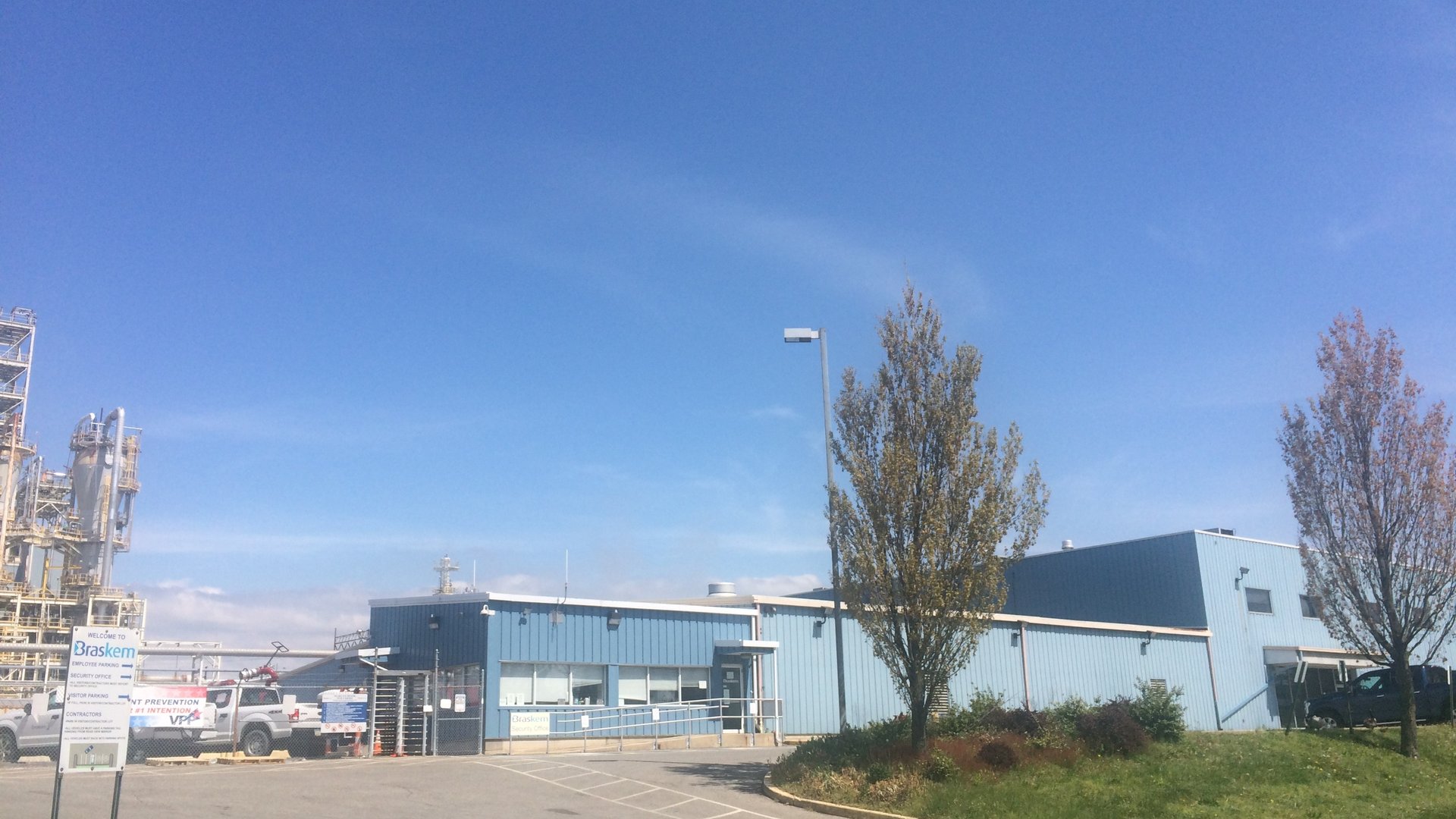
For MA7, the petrochemical company’s problems stem from tight margins and stronger international competition.
Casas Bahia is the only one of the three in court-supervised restructuring
The retailer filed for court-supervised restructuring in August 2026 with the Bankruptcy and Court-Supervised Restructuring Court of São Paulo’s Central Civil Court.
The filing includes nine other companies in the group, including Bartira, Cnova and Casas Bahia Tecnologia.
In a material disclosure filed with Brazil’s securities regulator, the CVM, and cited by Diario de Pernambuco, the company blamed high interest rates, short-term credit, higher financing costs, and pressure on consumer spending and working capital.
Casas Bahia also said the cash-generation measures it had been putting together did not work. The court accepted the filing in October.
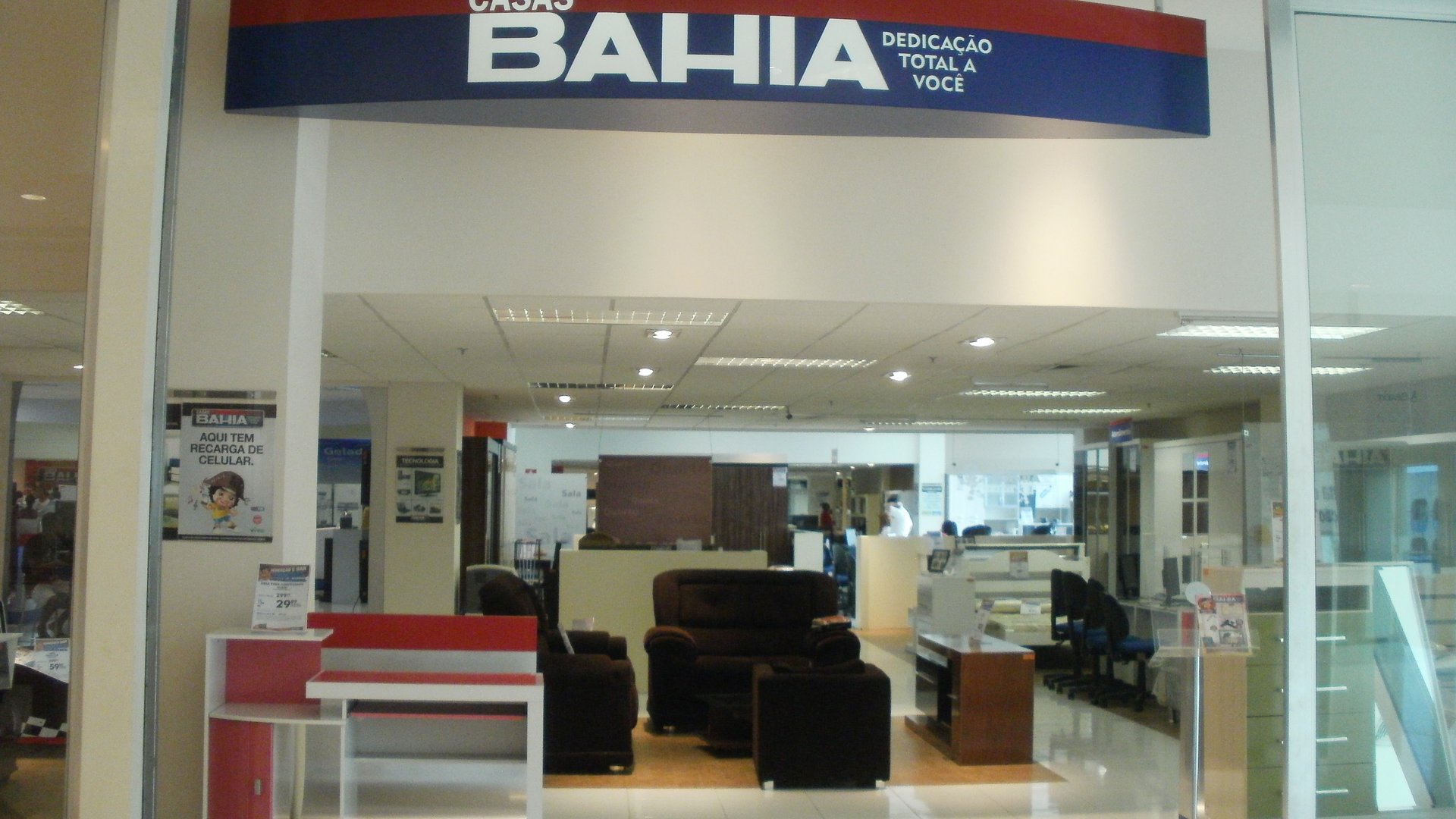
Note that in its court filing, the retailer reported R$17.3 billion in liabilities, Forbes reported. MA7 puts Casas Bahia’s figure at R$11.7 billion.
What changes for Casas Bahia shoppers
For Casas Bahia shoppers, the company’s promise is to keep operating across all channels throughout the process. Casas Bahia says there will be no significant disruptions.
The retailer also says it will maintain current quality and service levels, with customer service as a priority.
Court-supervised or out-of-court restructuring: what is the practical difference
In an out-of-court restructuring, the company negotiates directly with creditors and then submits the agreement to the court for approval. Since 2021, the minimum share of creditors needed to begin the process has fallen from three-fifths to one-third.
Seven groups took this route, with combined debts of R$129.9 billion, or 84.4% of the total. They are Raízen, Braskem, Oncoclínicas, GPA, Alliança Saúde, Ri Happy with PBKids, and Chilli Beans.
Ten groups entered court-supervised restructuring, with about R$24 billion in debt, or 15.6% of the total. The list includes Casas Bahia, Euro17, Ruiz Coffees, Grupo Toky, St. Marché, Gennius, Marabraz, CVLB, Estrela and Kitchens.
Average debt levels also show the weight of the giants. Among out-of-court restructurings, the average is R$18.6 billion. Excluding Raízen and Braskem, it falls 86.5%.
Among court-supervised restructurings, the average is R$2.4 billion, and excluding Casas Bahia, it falls 68.9%.
What the other names on the list owe
Forbes detailed the debts of nearly all of them.
Oncoclínicas has about R$5.7 billion in unsecured debt. GPA, the parent company of Pão de Açúcar, has about R$4.6 billion, and its plan was approved by a court in October.
Grupo Euro17 owes about R$1.72 billion to more than 5,000 creditors. CVLB, which owns Casa&Video and Le Biscuit, reported R$1.71 billion in debt.
Grupo Toky, which owns Tok&Stok and Mobly, and Alliança Saúde each have R$1.1 billion in debt.
Ri Happy and PBKids are negotiating R$827.4 million in debt, with protection from collection actions for 180 days. Ruiz Coffees owes R$775 million. Grupo Gennius, which owns Habib’s and Ragazzo, reported R$265.2 million in debt.
Marabraz, with about R$140 million, and Grupo Estrela, with R$109.2 million, round out the list. At St. Marché, the sale of its operations to Cencosud depends on the outcome of the proceeding.
Why so many large companies hit a wall in 2026
MA7 breaks down the causes by sector. In retail, including cases such as Casas Bahia and Toky, the cost of credit, store profitability and financing terms all played a role.
In Raízen’s case, MA7 says the company is seeking to reorganize its financial obligations to preserve cash and maintain investment. In agribusiness, Ruiz Coffees was hit by crop losses and high interest rates.
St. Marché is a separate case. The supermarket chain had already gone through an out-of-court restructuring and entered court-supervised restructuring in 2026.
The broader backdrop helps explain the trend. In 2025, Serasa Experian counted 977 court-supervised restructuring filings involving 2,466 Brazilian corporate taxpayer IDs, a record for the series.
Debt size alone does not tell the whole story
Matheus Matos, a partner at MA7 Capital and a specialist in distressed assets, cautions that a company’s total debt alone is not enough to gauge how serious its situation is.
“Renegotiating payment terms creates room for a reorganization, but it cannot replace an operation capable of generating cash”, he told Money Times.
In Forbes, attorney Bruno Boris said large conglomerates such as Raízen and Braskem carry substantial liabilities. On Raízen, he was unequivocal: “The market has no interest in seeing it go bankrupt”.
What remains unresolved
Braskem’s negotiations with creditors are ongoing. Creditors of the Toky Group will deliberate in November. The new version of Oncoclínicas’ plan, presented on October 23, still depends on creditor support and court approval.


