Portuguese
  Spanish


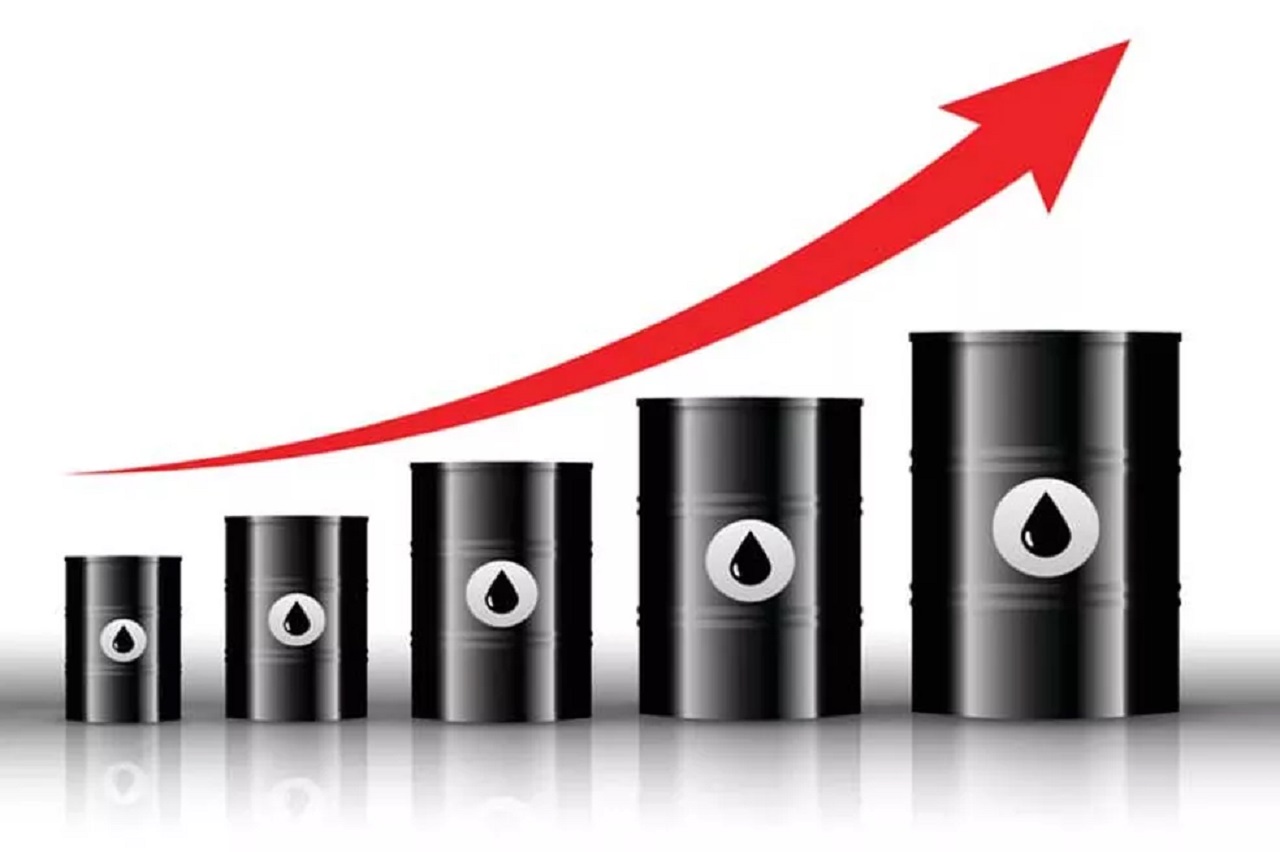

Even With The Conflicts Between Russia And Ukraine, Which Have Disrupted The Global Economy, Brazil Can Still Benefit From The Rise In Oil Prices, As A Way Out Of The Shock To Its Own Economy, The Data Comes From The International Monetary Fund (IMF).
This year, Brazil is likely to benefit from the rise in oil prices, closing 2022 with a growth of 0.8% in the economy, according to a report from the International Monetary Fund (IMF), which was released on Tuesday, the 19th. However, Brazil is expected to continue with high inflation (8.2%) and a 13.7% unemployment rate, according to IMF forecasts.
Brazil Benefits From The Rise In Oil Prices And Can Boost Its Economy
According to the study conducted by the World Economic Outlook, the current growth projection for Brazil is 0.5% higher than the estimate published in mid-January, which was only 0.3% for the year. However, this value is nearly half of what was mentioned in the forecast made about 6 months ago.
In mid-October 2021, the IMF predicted that the country would grow at least 1.5% in 2022. The IMF’s chief economist, Pierre-Olivier Gourinchas, said at a press conference that the country has one of the lowest growth figures in the region. Gourinchas also stated that this is due to an aggressive tightening cycle by the Central Bank of Brazil, which is using it to contain the strong pressures of rising prices.
-
Qantas and Airbus Invest in Company Aiming to Convert Unsorted Household Trash into Jet Fuel

-
Brazil’s ANP Opens 86 New Oil Blocks in the Equatorial Margin, Expanding the Amazon River Mouth Frontier

-
OPEC+ Boosts Oil Supply by 188,000 Barrels per Day in July 2026, Leading to Price Drop from $112 to $89 per Barrel in Under Two Months

-
TotalEnergies Signs 20-Year Deal to Purchase 2 Million Tons of LNG from Alaska, Boosting Project Viability
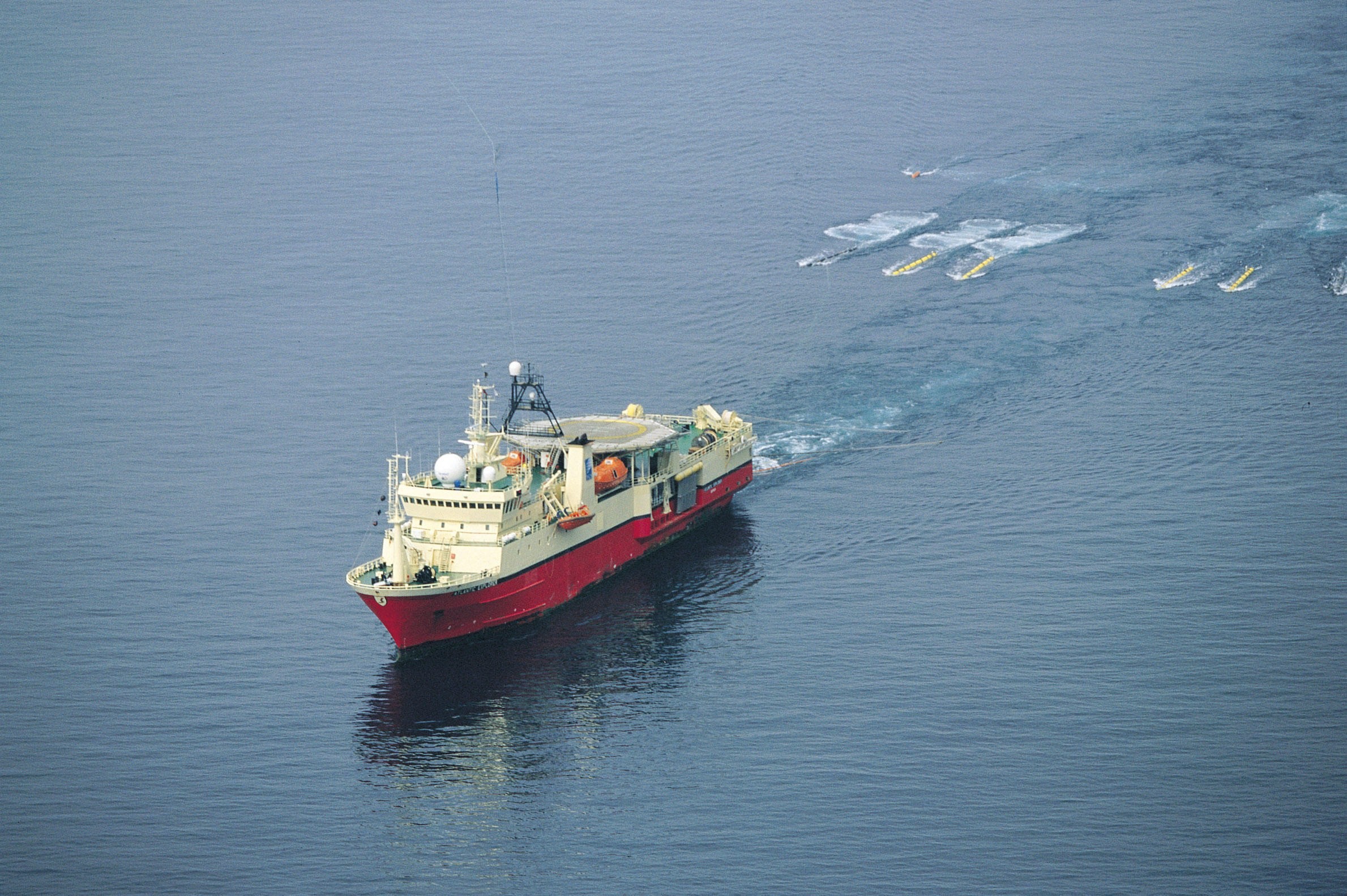
However, the IMF’s chief economist reported that Brazil continues to be a major oil exporter and is undoubtedly benefiting from the increase in oil and energy prices.
Russia X Ukraine Conflict Disrupts Global Economic Growth
The IMF had to lower its forecast for global economic growth from 4.4% to 3.6%, compared to the report made in January. According to the IMF, almost all countries analyzed showed a worsening of prospects due to the War Between Russia And Ukraine. Russia, the initial pivot of the conflict, has been subject to numerous international sanctions, which could cause a shrinkage of its economy by 8.5% this year, amid an annual inflation rate of 21.3%.
The impacts on the economy due to the war, which began in February, have spread to other countries. According to the IMF, Russia is a major supplier of oil, gas, and metals, as well as Ukraine, a major supplier of wheat and corn. With the war, there is a drop in the supply of these commodities, causing prices to rise every day while the war lasts.
All of this was pointed out in the IMF report, which also addressed the rise in fuel and food prices, which will affect low-income households globally, something extremely concerning. Inflation is expected to hover around 5.7% per year – starting from this year, 2022 – in advanced economies and around 8.7% in developing countries. The IMF predicts an 8.2% increase in prices throughout 2022 and 5.1% in 2023, just in Brazil.
Oil Prices In The International Market
Around a year ago, the price of a barrel of oil in the international market cost around US$ 60. But now, after the war between Russia and Ukraine, oil is in the range of US$ 100.
The IMF’s deputy director of research, Petya Brooks, spoke about the upcoming Brazilian presidential elections. Brooks stated that any type of electoral and political uncertainty is a negative factor for growth in the country.
According to the latest edition of the Focus bulletin from the Central Bank, the GDP growth forecast is 0.5%. Brazil reported an unemployment rate of 11.2% in mid-February. The following month, inflation reached 11.3%, according to IPCA data, calculated over the last 12 months.