





 Português
  Inglês
  Espanhol
  4 min de leitura
  0 comentários


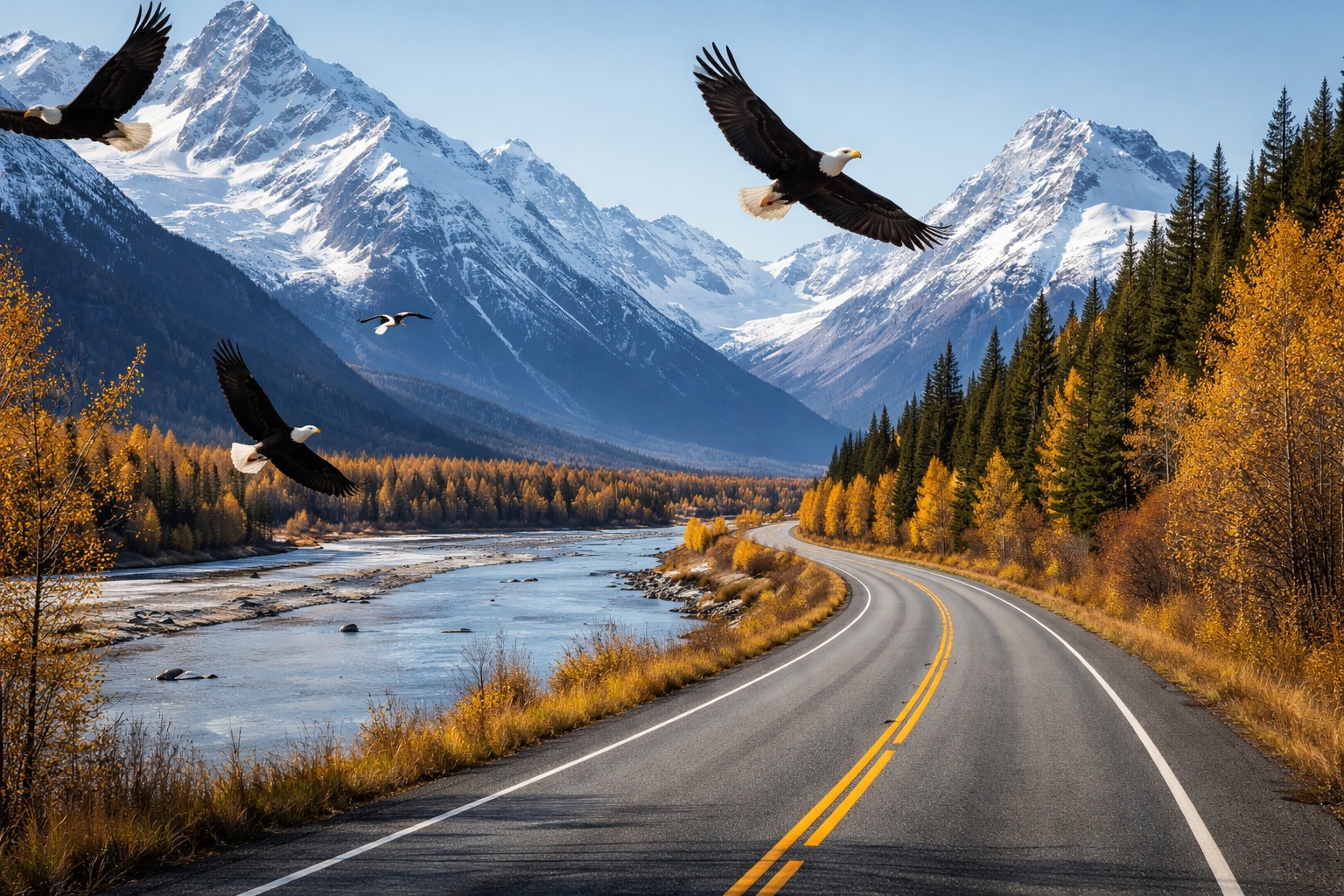
Scenic Highway of 244 Km Links Alaska to Yukon and Crosses Largest Concentration of Bald Eagles on the Planet
The Haines Highway is an international highway of 244 km that connects Haines, Alaska, to Haines Junction, Yukon, becoming known for crossing the largest reserve of bald eagles in the world and allowing direct observation of these birds along the road.
Highway Crosses Largest Concentration of Bald Eagles on the Planet
The Haines Highway runs alongside the Chilkat River, where a thermal anomaly keeps the waters ice-free until the end of the year. This condition attracts thousands of bald eagles to feed on salmon.
The result is the largest known gathering of these birds on the planet. The main concentration occurs in an area called Council Grounds, a spot recognized for gathering large numbers of eagles during the feeding period.
-
With an unusual prize, Japan transforms office chairs into a resistance race on the streets, ISU-1 Grand Prix grows, fills stages, and pays 90 kilograms of rice.

-
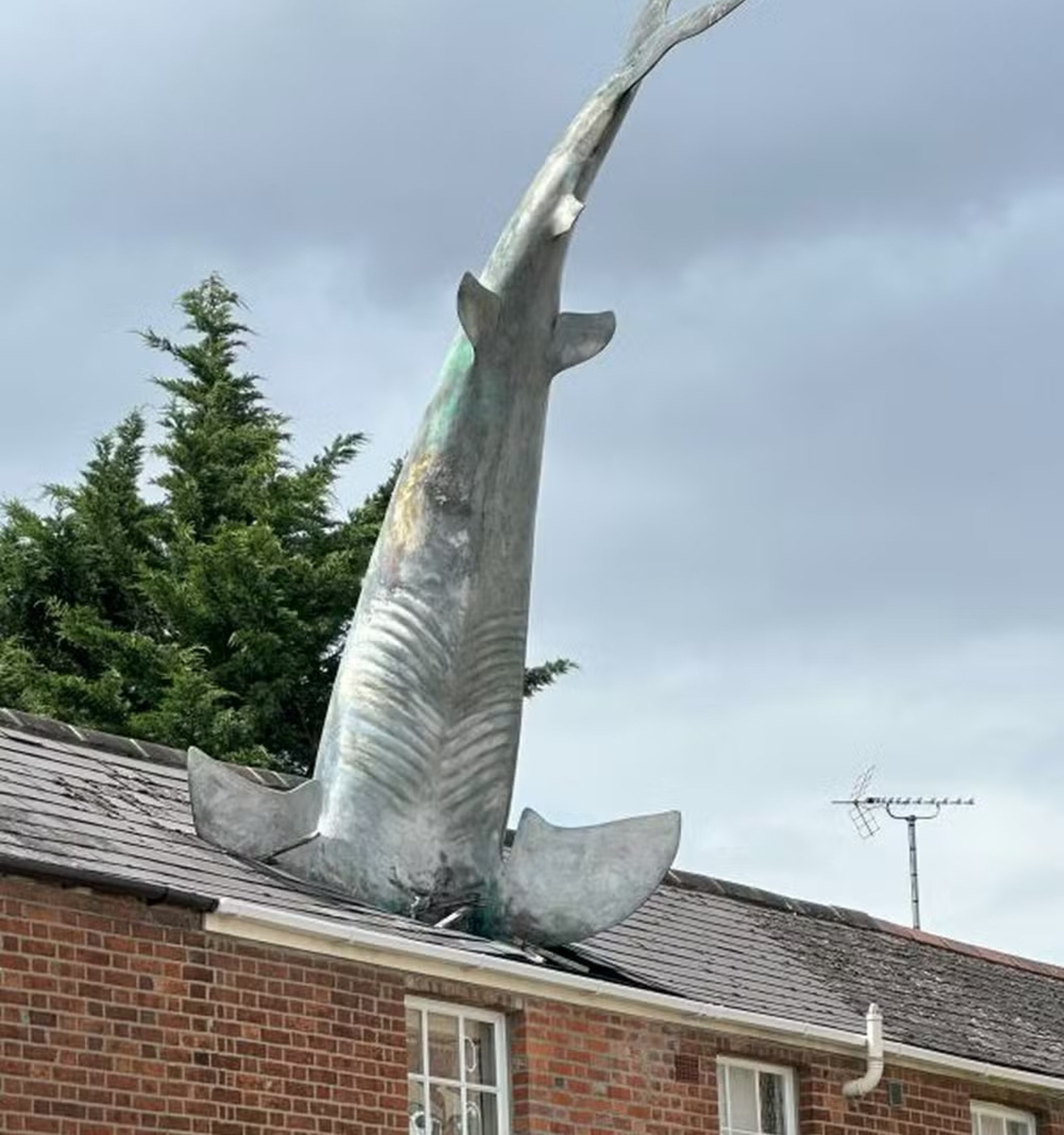
House in England with a 7.6-meter shark embedded in the roof attracts attention worldwide and becomes a curious attraction in Oxford.
-
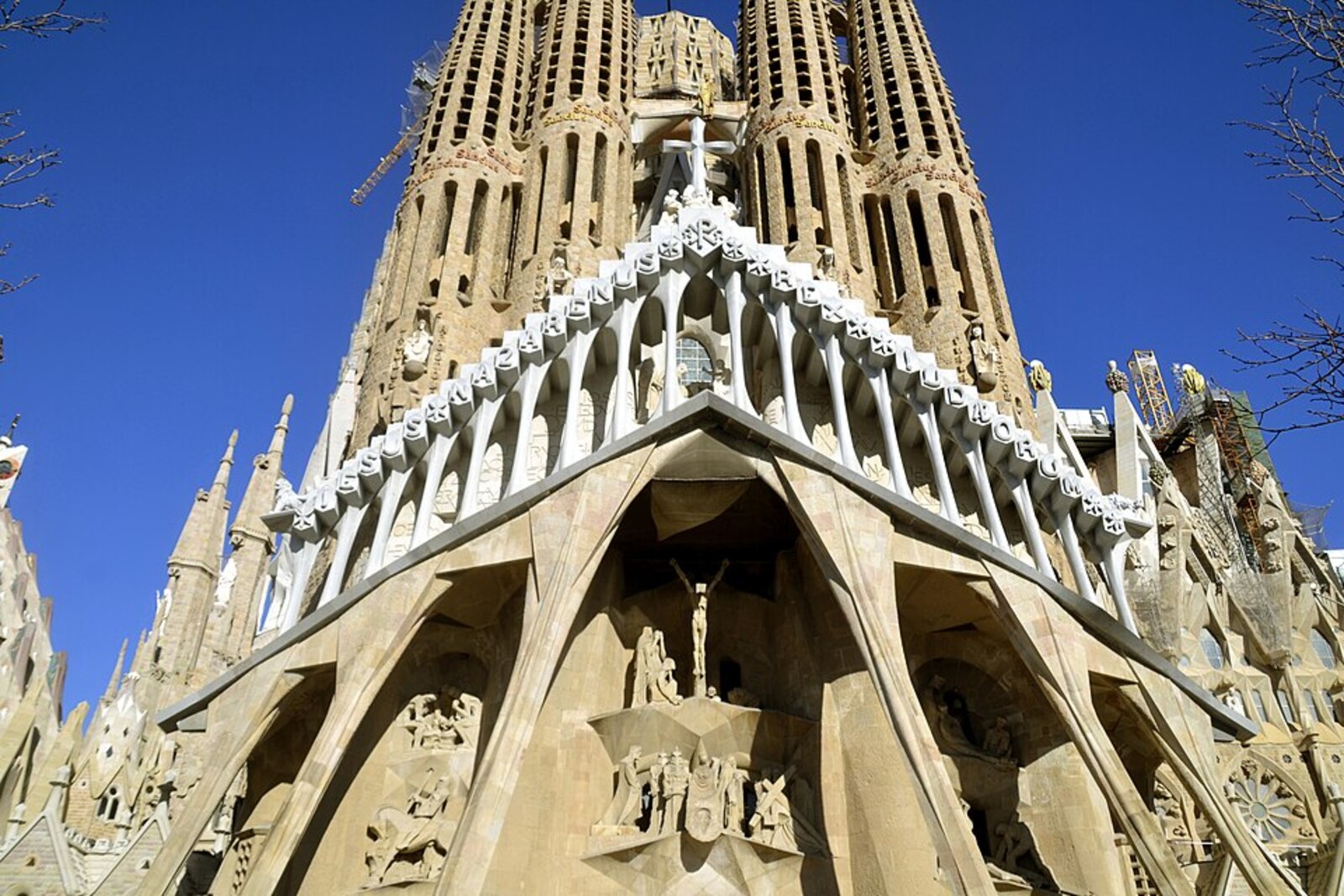
Masterpiece in Spain, under construction since 1882, receives 4.8 million visits in a year and impresses with its gigantism and architecture.
-
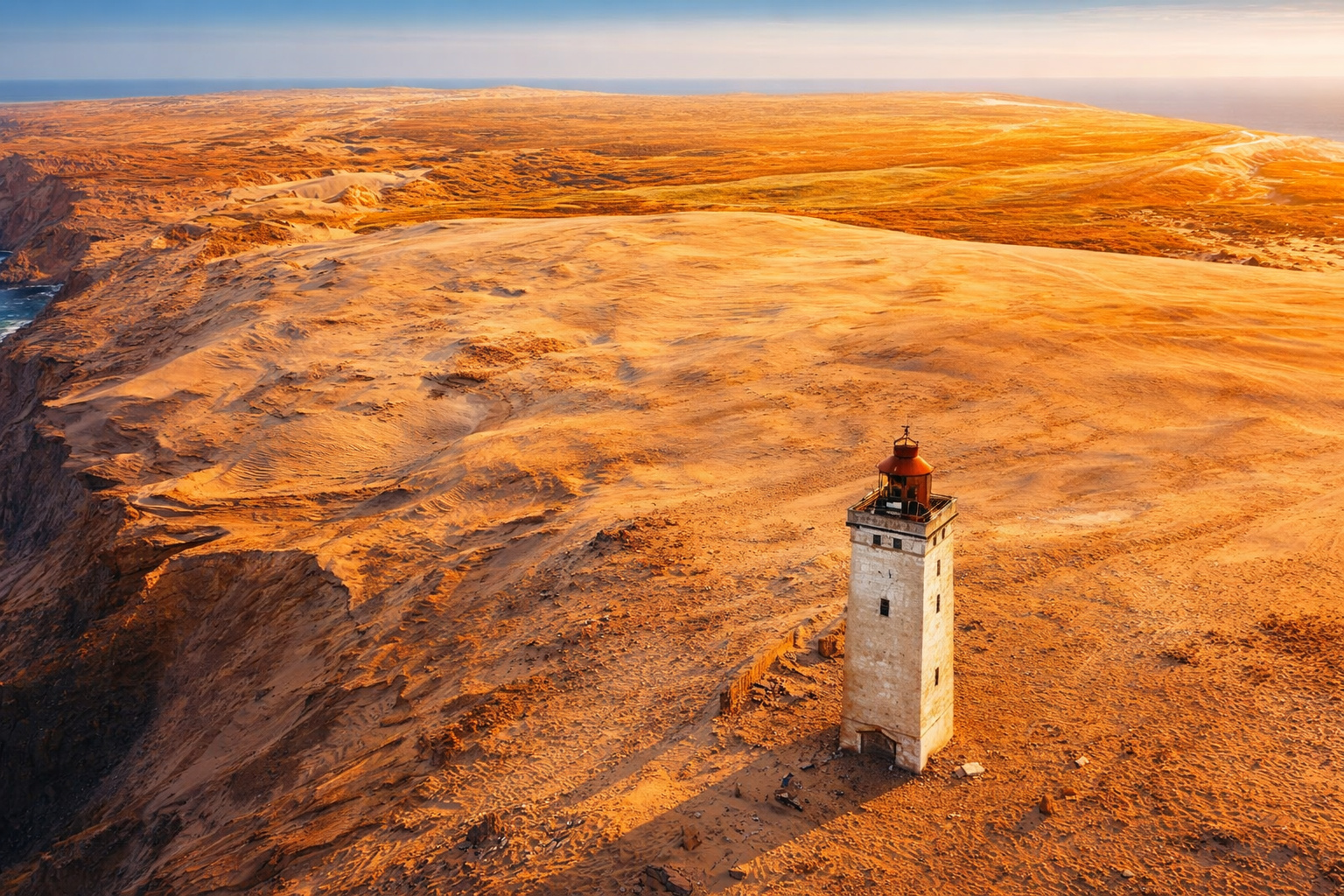
Attracting around 250,000 people a year, a lighthouse 200 meters from the sea, on a 60-meter high cliff, on the North Sea coast in Denmark, becomes one of the most impressive examples of how nature can threaten historical buildings.

Visibility from the road is considered exceptional. The highway has pullouts specifically designed for drivers to stop safely to observe and photograph wildlife.
For those traveling the Haines Highway, birdwatching occurs frequently. In a single day of travel, visitors often spot dozens of bald eagles near the river and fishing areas.


Landscapes Vary Between Wet Forest, Alpine Tundra, and Glaciers
The total route of the Haines Highway features a geographic transition marked by changes in altitude and ecosystems. The road begins at sea level and gradually rises until it reaches Chilkat Pass.
At this point, landscapes dominated by alpine tundra and large glaciers emerge. The contrast with the wet forest of the coast creates a clear visual change along the journey.
The territorial division of the highway occurs between three regions. On the Alaska side, there are 64 km dominated by temperate forest and the Chilkat River.
Next, 84 km cross the high mountain and alpine tundra region in British Columbia. The last section, at 96 km, in Yukon, features boreal forest and wide valleys.
International Crossing Requires Immigration Control
During the journey along the Haines Highway, travelers cross two international borders. The passage requires immigration control from both the United States and Canada.
One of the most well-known points is the Dalton Cache outpost. Surrounded by mountains, it is considered one of the most isolated customs in the northern region.
Drivers must present valid passports to make the crossing. They must also comply with restrictions related to the transport of food and hunting equipment.
To verify updated rules, travelers can consult the official portals of the Canada Border Services Agency and the U.S. Customs and Border Protection.
Ecotourism Gathers Trails, Rafting, and Wildlife Observation
In addition to eagle watching, the Haines Highway also serves as a gateway to various ecotourism activities.
Among them is gentle rafting on the Chilkat River, conducted in areas where the current allows for recreational navigation.
The region also offers high mountain trails leading to natural viewpoints overlooking glaciers and large glacial valleys.
During winter, the highway attracts heliskiing and cross-country skiing practitioners. The area receives a heavy snow accumulation, a condition valued by athletes.
Among the protected areas along the Haines Highway, the Alaska Chilkat Bald Eagle Preserve stands out, considered the main sanctuary for birdwatching.
Another important point is Kluane National Park in Canada, which provides access to trails with views of Mount Logan.
Best Time to Observe Wildlife Occurs Between October and December
The largest concentration of bald eagles on the Haines Highway occurs between October and December. During this period, thousands of birds gather in the area to feed on salmon.
During summer, bear watching becomes more common. In this season, it is also possible to explore snow-free trails and access glacial viewpoints.
The road remains open year-round. However, drivers need to use winter tires and be extra cautious with strong winds in some sections.
According to the Alaska Department of Fish and Game, preserving the habitat is essential to maintaining the balance of the ecosystem that supports local wildlife.
Planning the visit according to migration calendars helps ensure a more organized and respectful experience with the region’s nature.
The presence of king salmon, grizzly bears, and large populations of birds makes the Haines Highway one of the most recognized natural corridors in the far north of America.
With information from BMC News.







Seja o primeiro a reagir!