






 Portuguese
  Spanish


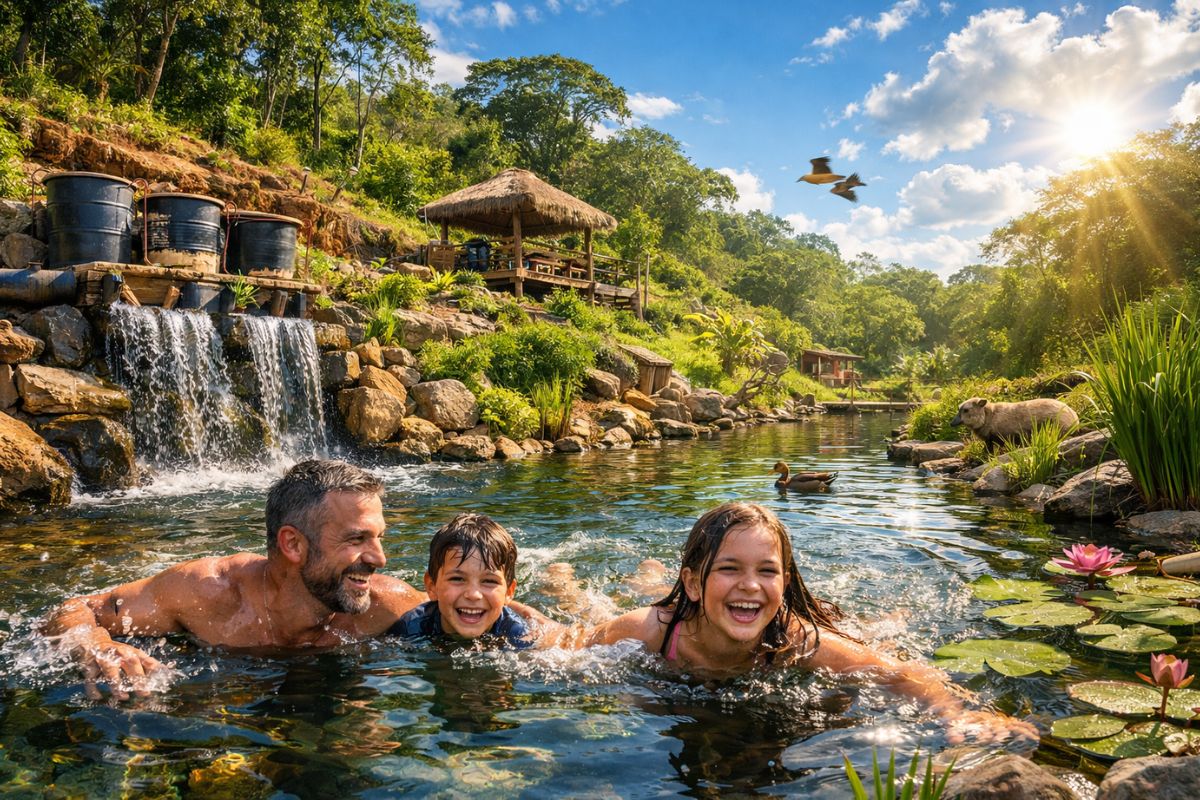

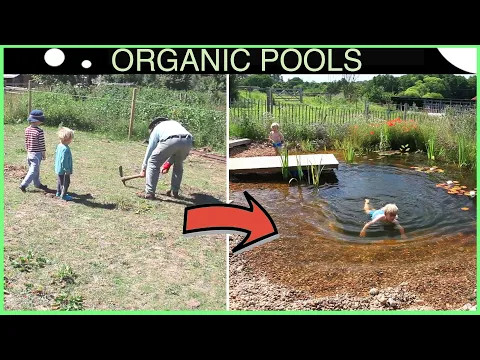
The lake was set up with rainwater, native plants, a homemade filter, and wildlife, transforming the sloped land into a natural swimming space.
Lake was the word that guided the entire project from the beginning, when the idea was simple: to dig a space to swim with the children. The kids followed everything with excitement, already ready to enjoy the water, while the land began to change shape with manual labor and then with the help of a backhoe tractor.
But what seemed like just a home project gained another dimension as the stages progressed. The space ceased to be just an improvised natural pool and began to function as a small ecosystem, supplied by rainwater, sustained by plants, and aided by homemade filters that favored the cleaning and stability of the water.
The beginning of the lake required more than enthusiasm

At first, digging by hand seemed possible, but enthusiasm soon collided with the reality of the terrain. That’s when the newly acquired backhoe tractor came into play, used to advance the excavation and shape the project.
-
Volcanic Soils from Destructive Eruptions Turn into Million-Dollar Crops: Ashes Nourish Grapes in Lanzarote, Bananas in the Canary Islands, Blood Oranges on Mount Etna, and Cacti in Mexico, Showcasing How Lava-Formed Lands Sustain Rare Harvests in Seemingly Barren Regions

-
In the Caucasus Mountains, a Community Preserves a Language So Rare Few Outsiders Can Understand It

-
Slovakia’s Ice Cave Holds Over 110,000 m³ of Frozen Wonders, Boasts Walls Up to 27 Meters Thick, and Was Among the First Electrified Caves Globally

-
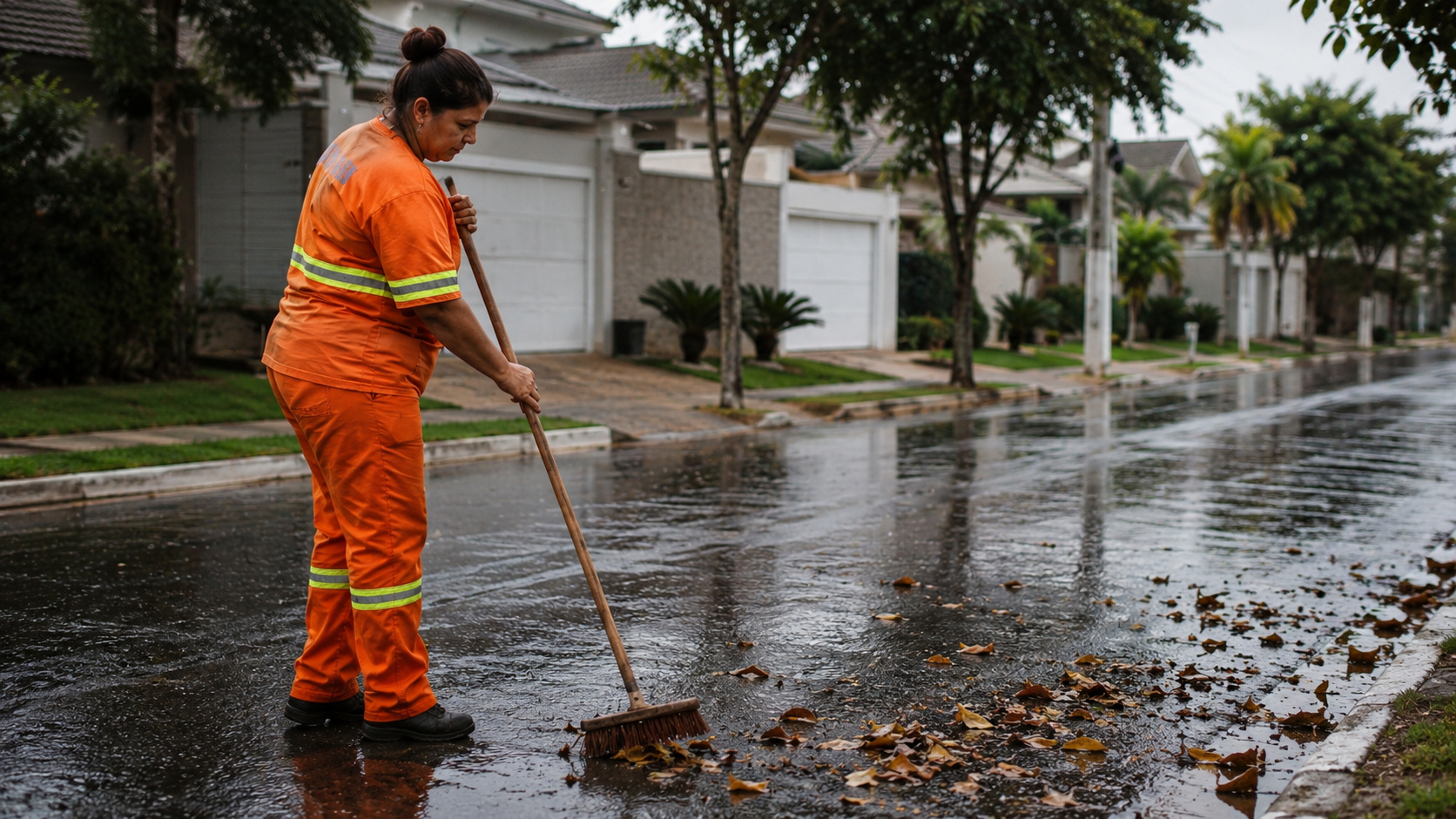
Street Cleaner Accidentally Receives $200,000 Transfer, Returns Unexpected Fortune to Rightful Owner
The goal was to reach about two meters deep, if the soil allowed. To keep everything balanced, it was also necessary to work on leveling and controlling the area. It was not enough just to dig; the lake needed to function in practice.
Barry, the friend who helped with the work, appeared as the skeptical voice of the process. Even with doubts about the plan, he participated in the measurements and helped turn the idea into something executable.
Sloped land became part of the solution
The land was on a slope, which required adaptation. Instead of treating the incline as an obstacle, it was repurposed in the construction of the edges and the planted area around the lake.
Insulation panels from an old structure were used as part of the containment system, with soil positioned on both sides.
Then, sand was added to the bottom, protective mats, and the plastic tarp suitable for ponds. Each layer had a clear function: to protect, hold, and prepare the space to receive water and plants.
The tarp, heavy and difficult to handle, required extra care during installation. Folding the material along the walls and the ground was almost a fitting job, done gradually with later adjustments.
Blocks, containment, and an unforeseen event in the middle of the work

In another phase of the project, mixed concrete was poured to create a level and smooth base. Blocks were also used to raise a wall about one meter high around the main area.
The process, however, did not go without hiccups. The change in weather, humidity, and the movement of materials created an unexpected episode, with a wave of water that caused a small landslide.
It was one of those moments when the work showed that improvisation without quick correction could be costly.
As a result, the construction of the block wall and the containment measures began to be treated with even more urgency. The structure around the swimming area needed to ensure stability before the next stage.
The homemade filter helped the lake gain balance

One of the most interesting points of the project was the circulation system. Perforated pipes were distributed around the pool, integrated into a bubble-powered circulation model.
A handmade filter was also introduced, using a washing machine drum and different layers of materials.
First came the coarse gravel over the pipes. Then, more protective fabric. Next, sand and fine gravel, where the plants could take root.
The lake did not depend solely on excavation or the tarp. It needed a living and functional system to remain clean.
This balance began to be built right there, in the combination of structure, circulation, and vegetation.
Rainwater and native plants changed everything

The rainwater collected from the rooftops was used to fill the lake, identified as the best option for this type of space. This reinforced the natural character of the project and helped reduce dependence on other sources.
Among the chosen plants, a native water lily appeared, deemed ideal for shading the water and providing shelter for wildlife.
Around the edges, other species began to compose the area, creating diversity and contributing to the stability of the environment.
Over time, the lake began to receive visitors. First came the children. Then, dragonflies, newts, wagtails, beetles, water shrews, and small filter-feeding crustaceans like daphnia started to appear.
These organisms not only occupied the space but also helped keep the water cleaner.
From leisure area to small ecosystem
Year after year, plants and animals began to play a decisive role in maintaining the lake. What started as a space for swimming also became a refuge for wildlife, with balance built from simple solutions and constant observation.
The final result was more than just a project on the land. It was the transformation of a sloped area into an environment where leisure, nature, and adaptation began to coexist.
The lake ceased to be just a family project and became a small aquatic desert full of life.
Would you have the courage to transform part of your land into a natural lake like this?


