Portuguese
 Spanish


Castrolanda invests over R$100 million in an agricultural depot in Tocantins, with capacity to store 44,000 metric tons and operations expected to begin in 2027.
Castrolanda plans to expand its business in Brazil’s North region by opening an agricultural depot in Colinas do Tocantins, in Tocantins state, with operations expected to begin in February 2027. With investments of over R$100 million, the project will allow the cooperative to expand its commercial activities involving seeds and agricultural inputs, while providing its own infrastructure to receive, store and trade grain crops.
Castrolanda’s new depot combines business expansion with service for farmers
The facility’s arrival in Tocantins is part of Horizonte 2030, the cooperative’s growth plan. The project will strengthen its presence in the Matopiba agricultural frontier and extend its business beyond Brazil’s South and Southeast regions.
Part of this strategy focuses on building relationships with farmers. Castrolanda has staff dedicated to recruiting new members, while a technical assistance team works to help local producers improve productivity, drawing on the expertise of Fundação ABC.
-
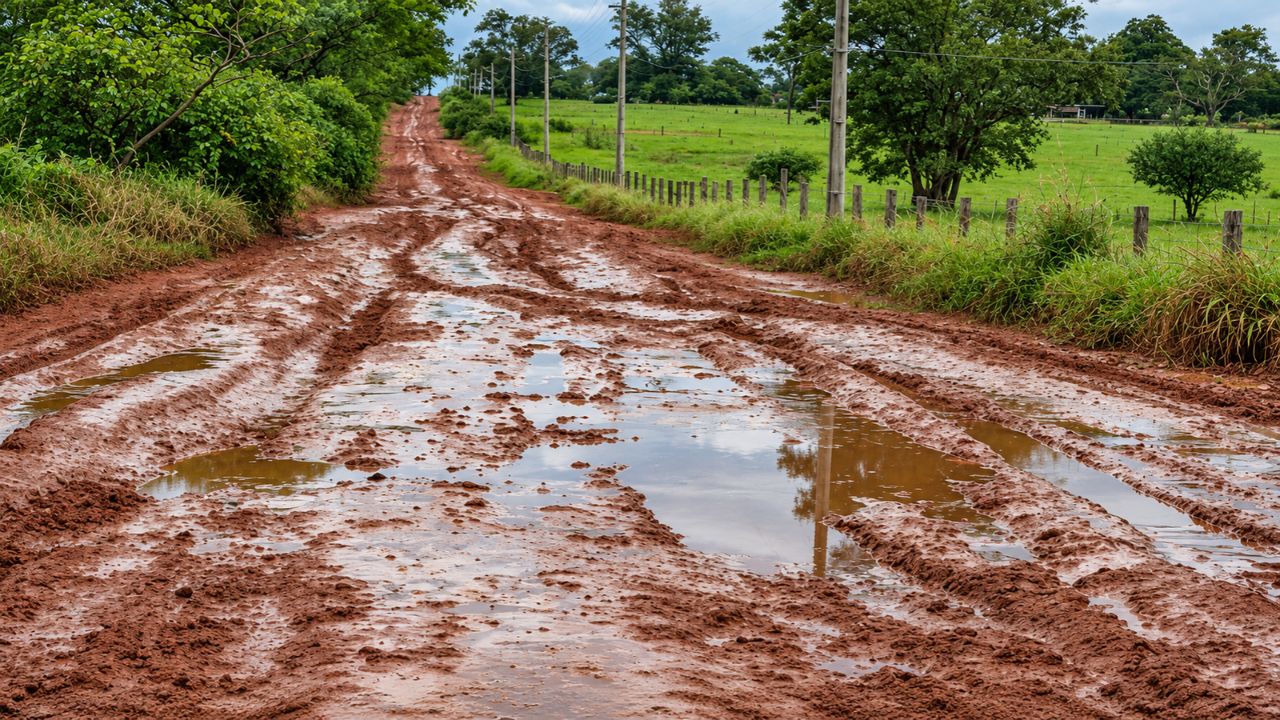
Poor rural roads hinder agricultural transport and school access in Paraná, where the priority network needs R$2.2 billion in annual investment

-
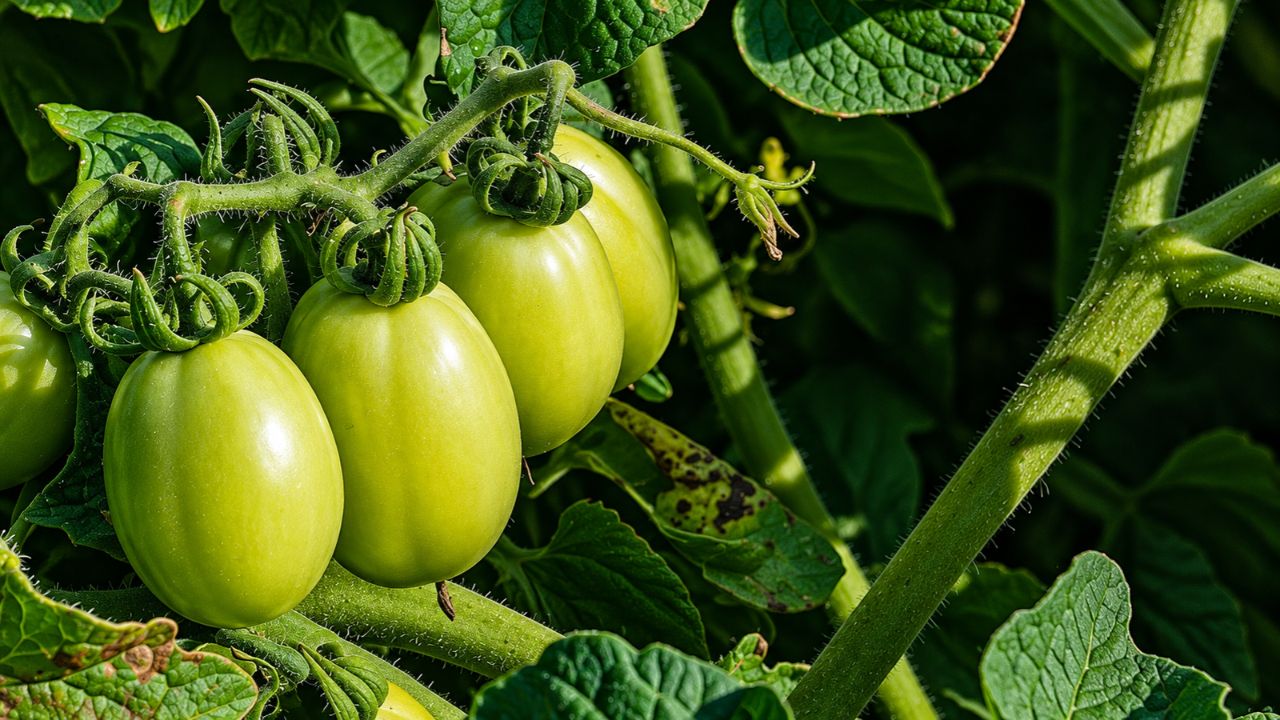
Predilecta Group bets on processing tomatoes to weather agricultural price volatility
-
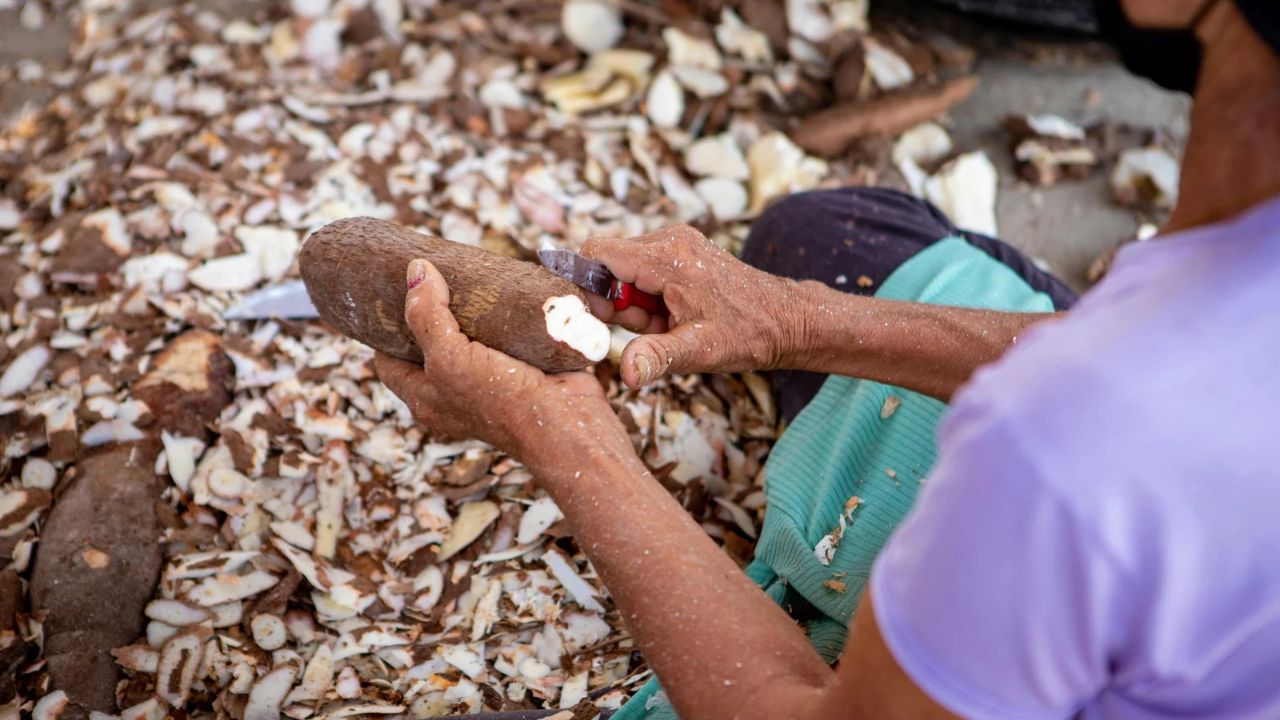
Cassava prices in Paraná rise 7% amid rain pressures on growers and processors
-
Ambev aims to more than triple barley production in Rio Grande do Sul to 50,000 hectares by 2030, reducing reliance on imports



To serve the agricultural sector’s varied needs, the depot will be located alongside BR-153, just over 12 kilometers from the center of town. Planned facilities and services include:
- A refrigerated area for seed storage;
- Fertilizer supplied by companies approved on-site by the cooperative’s technical team;
- Initial storage capacity for 44,000 metric tons of grain;
- Facilities that allow crops to be received through two simultaneous flows.
This setup will integrate grain drying with the other processing and marketing stages, with estimated daily throughput of 5,000 metric tons.
With about 90% of construction complete, the cooperative expects to begin receiving crops in time for the 2026/27 harvest. It hopes the depot will provide a base for expanding its operations in Tocantins, improving service for members already working in the region and bringing in new members.