Portuguese
 Spanish


Predilecta Group uses contracts with prices set before planting and a 100-day harvest season to supply its tomato products business.
The farmers who supply processing tomatoes to Predilecta Group begin planting knowing how much they will receive for each ton sold. The company, which holds about 25% of Brazil’s tomato products market, harvests for roughly 100 days and keeps raw material in reserve to make its products year-round. The model reduces its exposure to the price swings affecting fresh tomatoes, whose rising cost has strained Brazilian families’ budgets.
Sauce and paste makers have a market of their own, even as fresh tomato prices rise
Although higher tomato prices may lead families to reconsider their purchases, demand for tomato products does not necessarily track price changes for fresh tomatoes sold at markets and supermarkets.
Bruno Trevizaneli, Predilecta’s agribusiness director, said factors such as the convenience of meal preparation and consumers’ eating habits help keep this market stable.
-
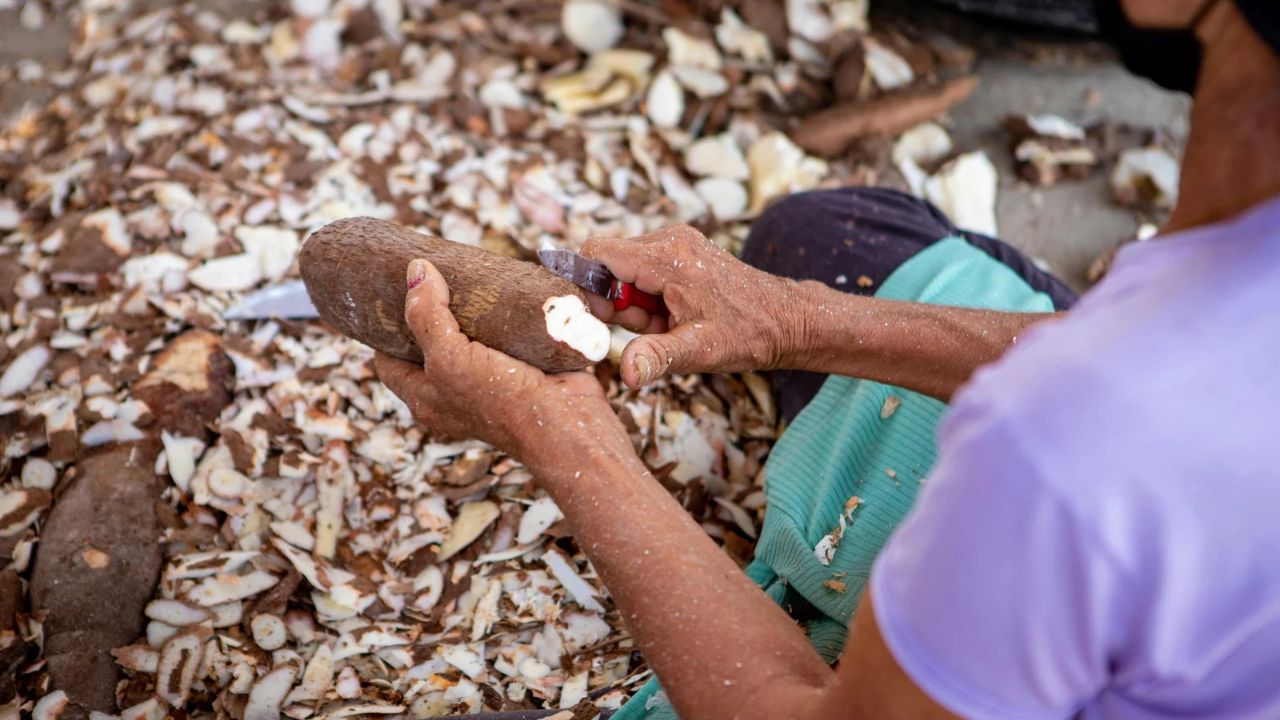
Cassava prices in Paraná rise 7% amid rain pressures on growers and processors

-
Ambev aims to more than triple barley production in Rio Grande do Sul to 50,000 hectares by 2030, reducing reliance on imports

-
End of the 6×1 Schedule: Agribusiness Must Adopt a 5×2 Workweek Without Sector-Specific Rules, Reducing to 42 Hours in December 2026 and 40 Hours in 2027
-
Lack of rain delays soybean planting in Mato Grosso, forces farmers to replant fields and threatens second-crop corn


Depending on retail prices and package sizes, the amount needed to buy a kilogram of fresh tomatoes may be enough to purchase several containers of ready-made sauce. In addition to potential savings for certain recipes, some products can be stored for up to two years, provided they are kept according to the manufacturer’s instructions.
At the factories, meanwhile, production continues through the processing of large volumes of tomatoes during the harvest season. The raw material is packed in aseptic drums and used later to make tomato paste, sauces and other foods.
Even with this planning, stable purchase prices for processing tomatoes do not prevent the company’s expenses from being affected by other parts of the supply chain, including:
- Freight and fuel;
- Biomass;
- Cardboard and packaging;
- Other operating costs.
For that reason, a rise in fresh tomato prices does not necessarily create an opportunity for the industry to increase profitability, as its performance is also subject to fluctuations in these expenses.
Predilecta diversifies production and gives farmers greater predictability
With a catalog of more than 1,000 products sold in different formats, Grupo Predilecta is seeking to reduce its dependence on specific crops. Its strategy includes categories where the company has a significant market share, such as guava paste, with about 45% of the market and a leading position in Brazil for 18 years, and canned corn, with approximately 42%.
The wholly Brazilian-owned company will mark its 36th anniversary in 2027. Its industrial operations include facilities in the states of Alagoas, Goiás and Minas Gerais, as well as four plants in São Paulo, for a total of seven facilities across the country aimed at reducing the concentration of production and climate-related risks.
The effort to improve financial security also involves investments in management tools, such as the SAP system, and hiring an outside auditor to review the company’s financial statements.
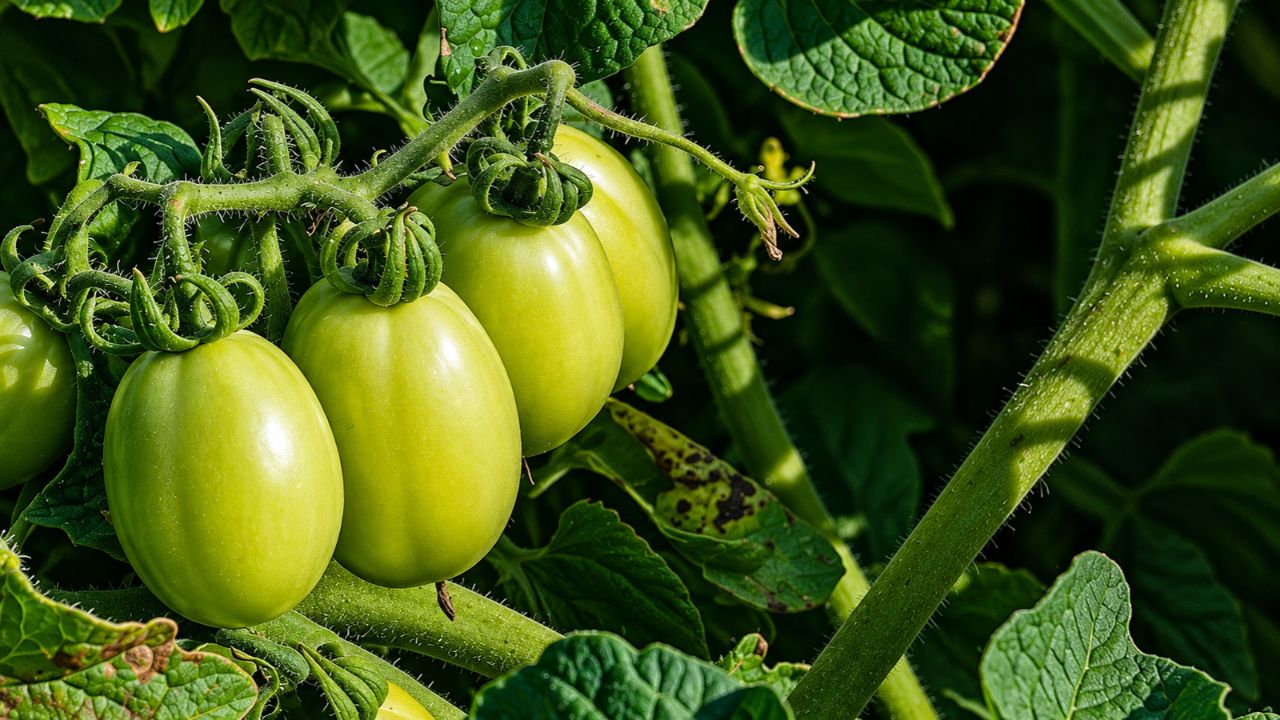
In agriculture, the predictability offered by contracts can make growing processing tomatoes an alternative for farmers struggling with volatile prices for fresh-market tomatoes. The shift, however, requires changes to the farm, since processing tomato varieties grow close to the ground, unlike many crops intended for fresh consumption, which use support structures.
Trevizaneli says farms equipped with center-pivot irrigation may be well positioned to negotiate with the company. Even when payment is set before planting, a farmer’s financial results still depend on cultivation costs and yields.