Portuguese
 Spanish


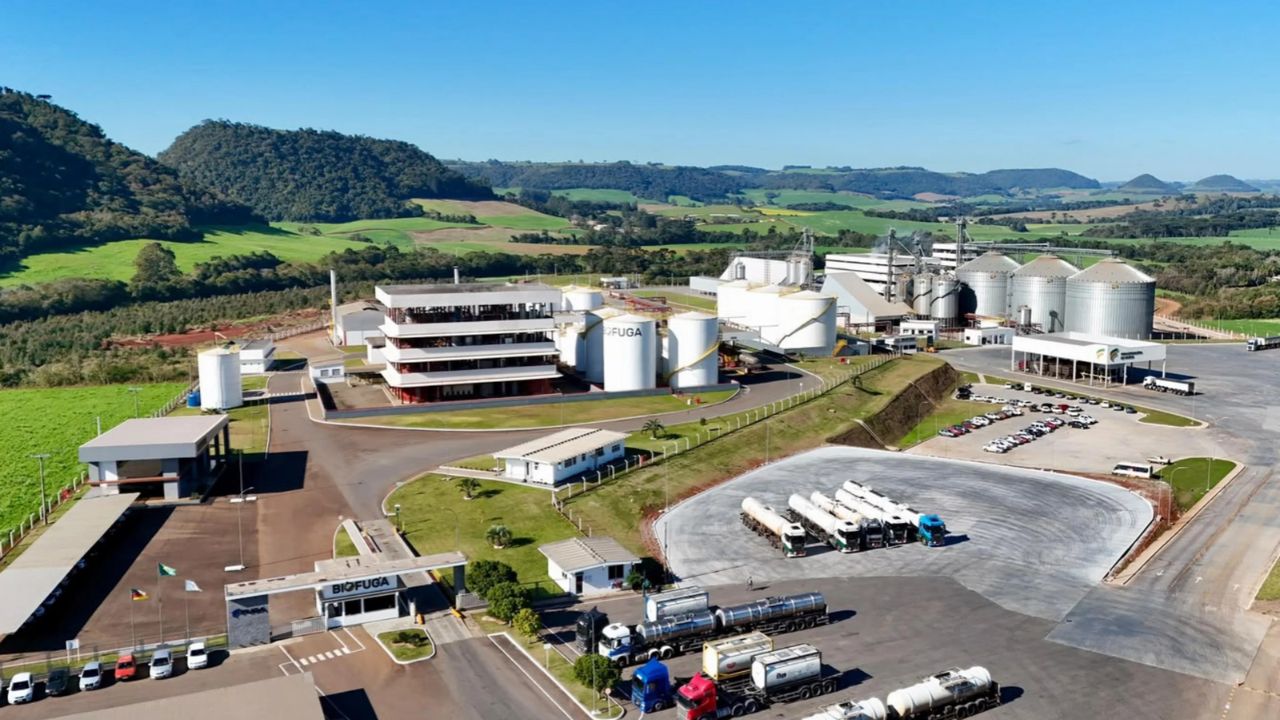

Grupo Fuga invests R$135 million to expand a biodiesel plant in Rio Grande do Sul, increase production capacity and create new jobs.
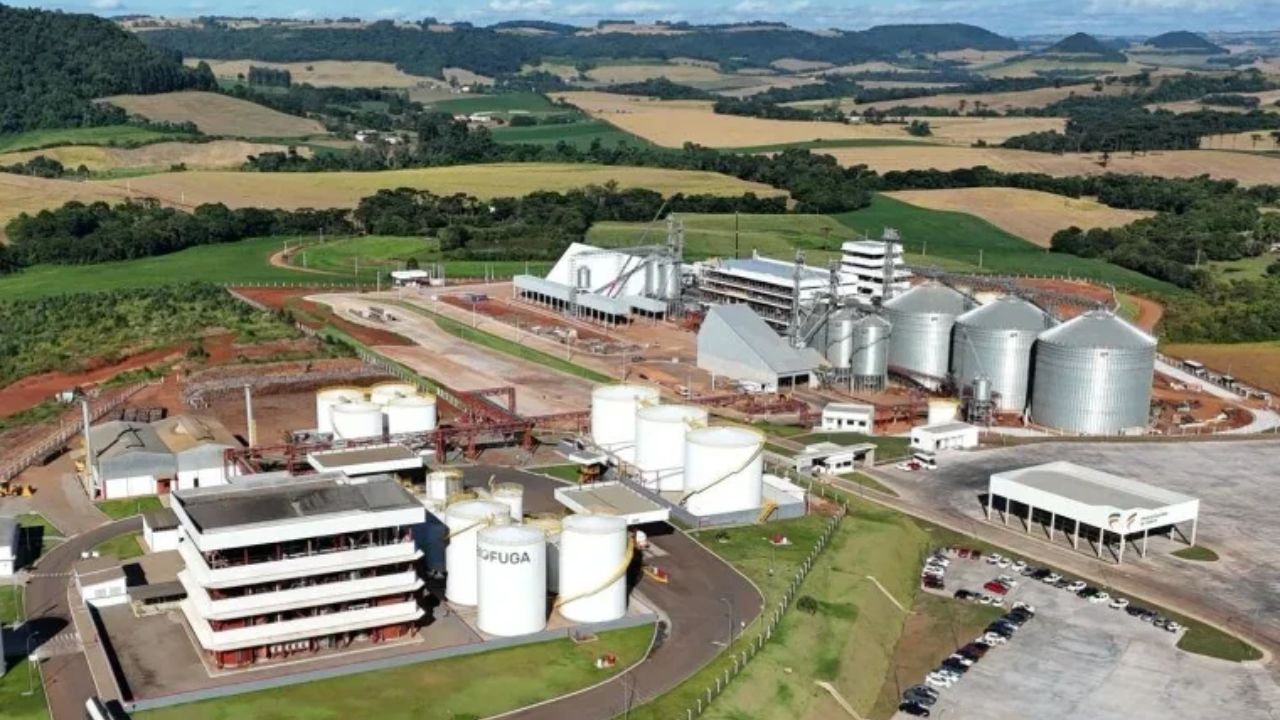
Biodiesel production capacity in Camargo, a town of about 3,000 residents in northern Rio Grande do Sul, is set to more than double with a R$135 million investment by Grupo Fuga. Construction has been underway since September 2026, and the industrial facility will be able to produce 1,200 cubic meters per day, up from the current 500 cubic meters.
Operations are scheduled to begin in November 2027. The project is part of the company’s plans to meet expected growth in Brazilian demand for the fuel. The information was reported by Julia Possa, a columnist for biodiesel. The report appeared on the GZH news site.
Biodiesel and soybean-processing investments boost Camargo’s economy
Despite plans for a high level of automation at the biodiesel plant, the project is expected to create at least 30 direct jobs. Including the grain-processing facility that opened in April, the industrial complex will add 50 jobs. It currently employs about 250 people.
-
Brazil’s ANP certifies five new biomethane plants in four states, total facilities authorized to issue origin certificates now eight

-
Airlines urge government to delay SAF adoption in Brazil as supply constraints and costs challenge environmental targets set for 2027
-
Ethanol production soars 37.2% in Brazil’s North and Northeast to nearly 1.9 billion liters despite reduced sugarcane crushing
-
Argentina Approves Genetically Modified Yeast Promising More Ethanol from the Same Amount of Grain



The investments prompted Camargo City Hall to lower the municipal Services Tax (ISS) rate applied to construction activities tied to the company’s projects.
Another expected change involves soybean procurement. Grupo Fuga currently works with about 80 suppliers, divided into three groups:
- Farmers;
- Grain traders;
- Cooperatives.
The company expects to add more suppliers as its need for raw materials grows.
The availability of vegetable oil helps explain the company’s industrial strategy. It has already invested R$350 million in a grain-processing facility next to the biodiesel plant. By bringing these operations together at one complex, the group aims to achieve economies of scale and prepare Biofuga for a market with growth potential.
This outlook is tied, among other factors, to changes in the composition of diesel sold in Brazil. In 2025, the required biodiesel share in the blend rose from 14% to 15%, opening the way for greater demand for the renewable fuel.
Brazil’s Fuel of the Future Law allows that percentage to reach 25%, although there is no indication yet of when further increases will take place.