





 Portuguese
  English
  Spanish
 5 min of reading
  0 comments


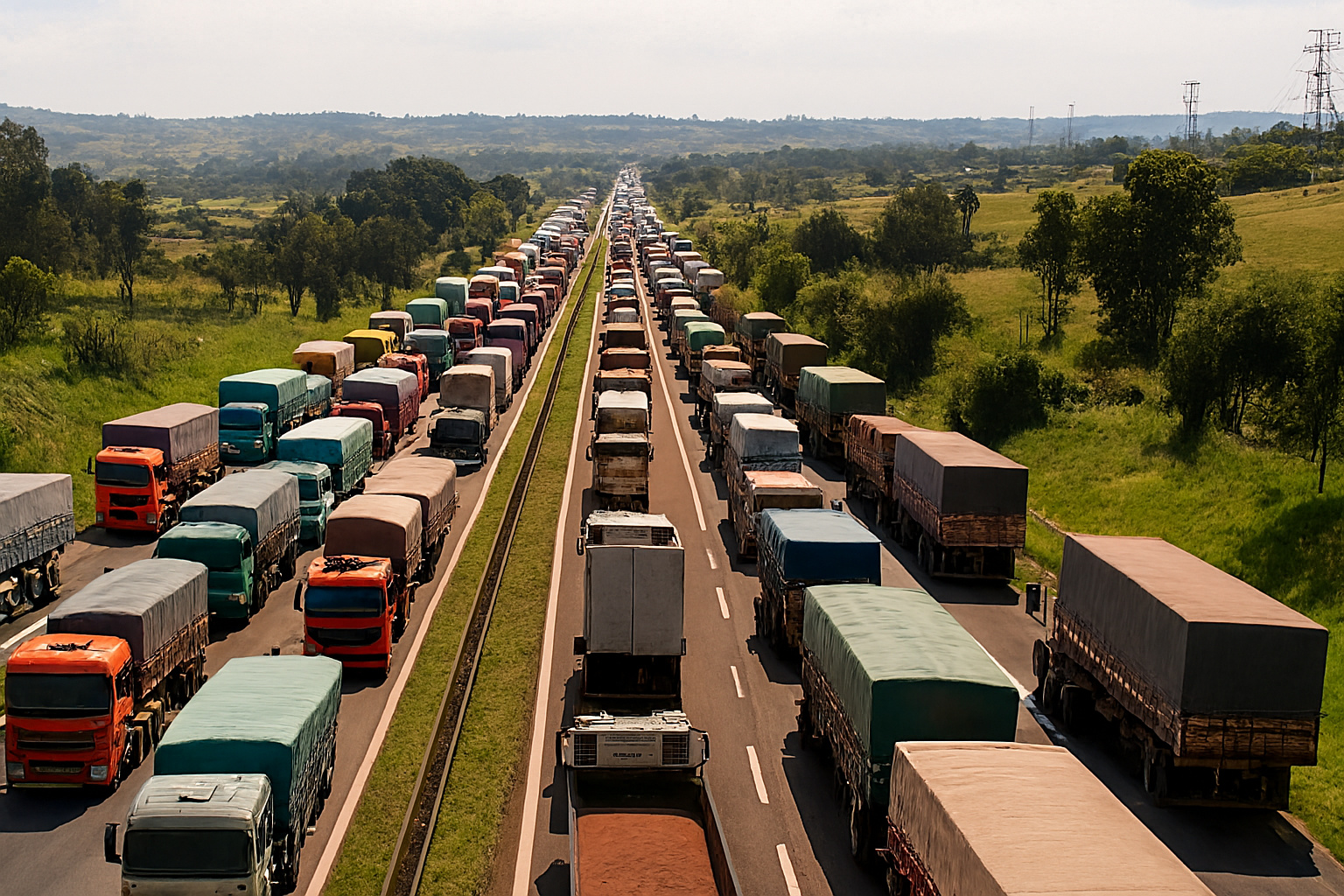
With More Than 1.3 Million Trucks, São Paulo Hosts the Largest Freight Transport Fleet in Brazil, Surpassing the Total of Heavy Vehicles of Entire European Countries.
On the roads that cross the economic heart of the country, an army of steel and rubber keeps Brazil moving. With more than 1.3 million registered trucks, the state of São Paulo concentrates the largest road freight transport fleet in Brazil — a number that alone surpasses the total heavy vehicles of entire countries, such as Portugal, Norway, and Sweden combined.
These trucks form the backbone of the national economy, responsible for moving about 65% of all Brazilian production. The size of this fleet reflects São Paulo’s strategic role as a logistics center in South America and explains why the state is considered the “engine of national transport.”
Largest Truck Fleet in Brazil Drives 30% of National GDP
According to data from DENATRAN (2024) and CNT (National Transport Confederation), the state of São Paulo hosts approximately 1,350,000 trucks, equivalent to 25% of the national fleet.
-
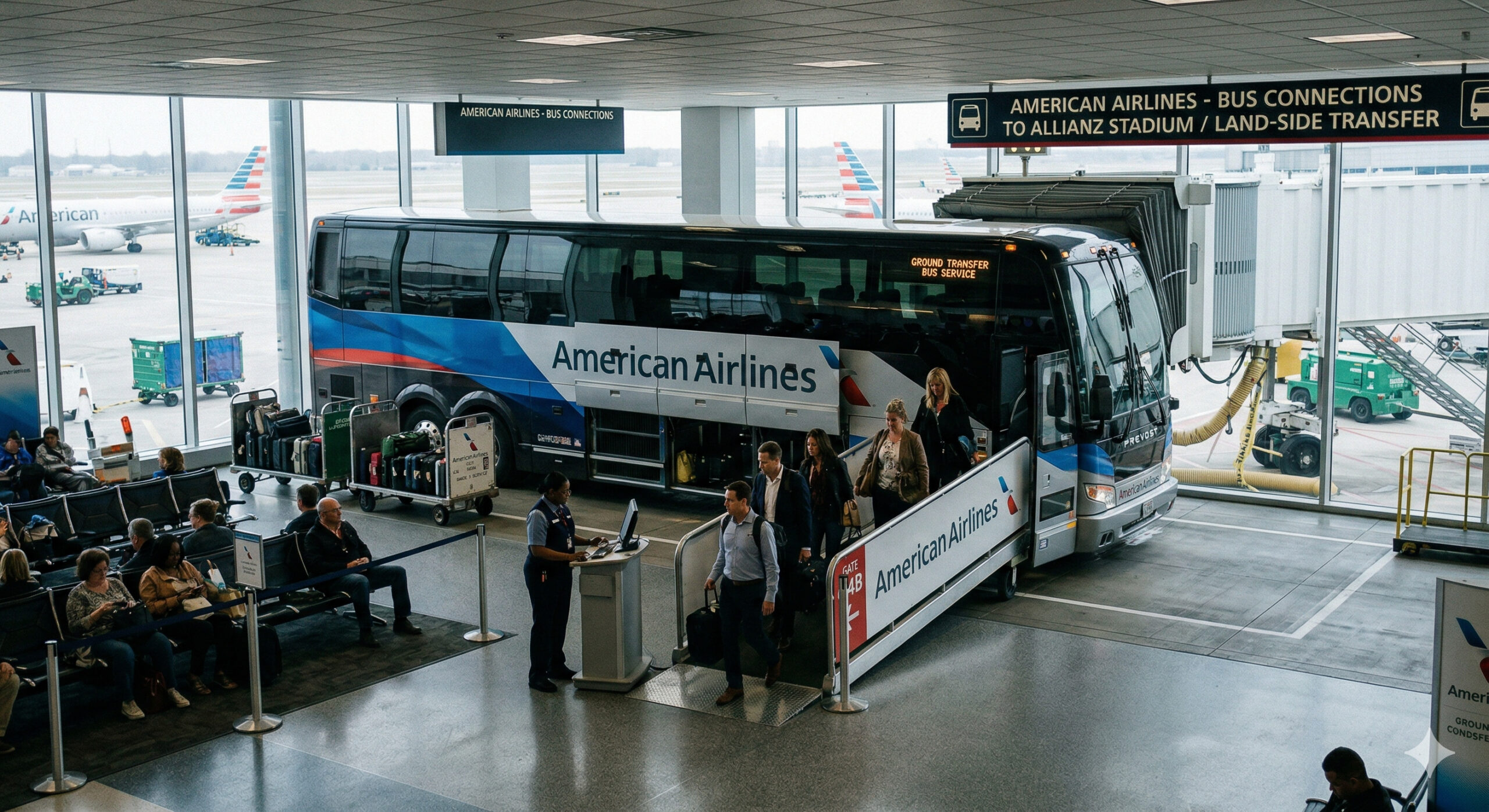
American Airlines starts selling trips as if they were flights, with check-in and baggage check at the airport, but on short routes, passengers board luxury buses connecting cities to major hubs in the U.S.
-
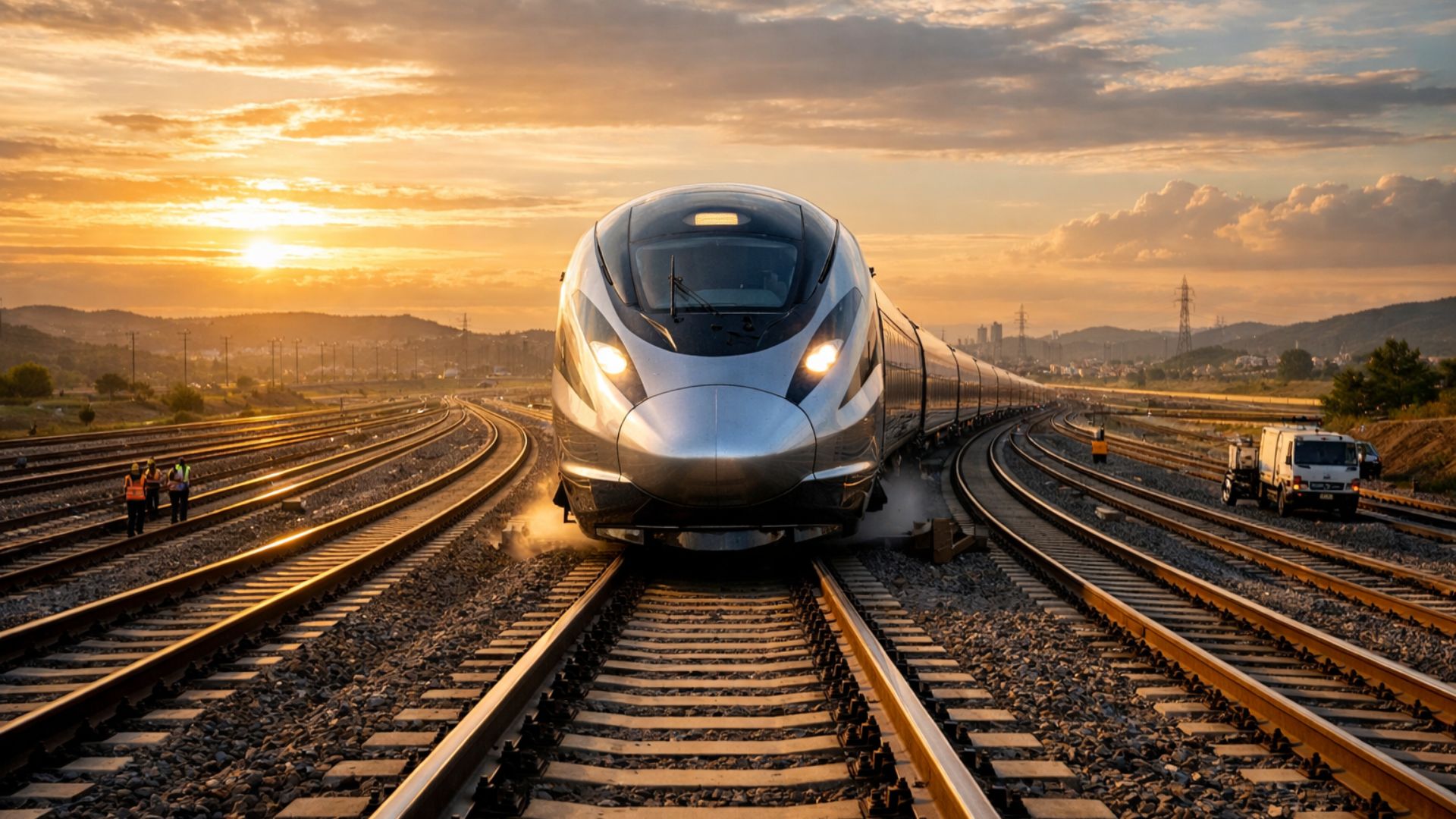
São Paulo surprises the world with a colossal railway network project that promises over 1,000 km of tracks, R$ 194 billion in investments, and 40 projects connecting the capital to the interior with fast and sustainable trains.
-
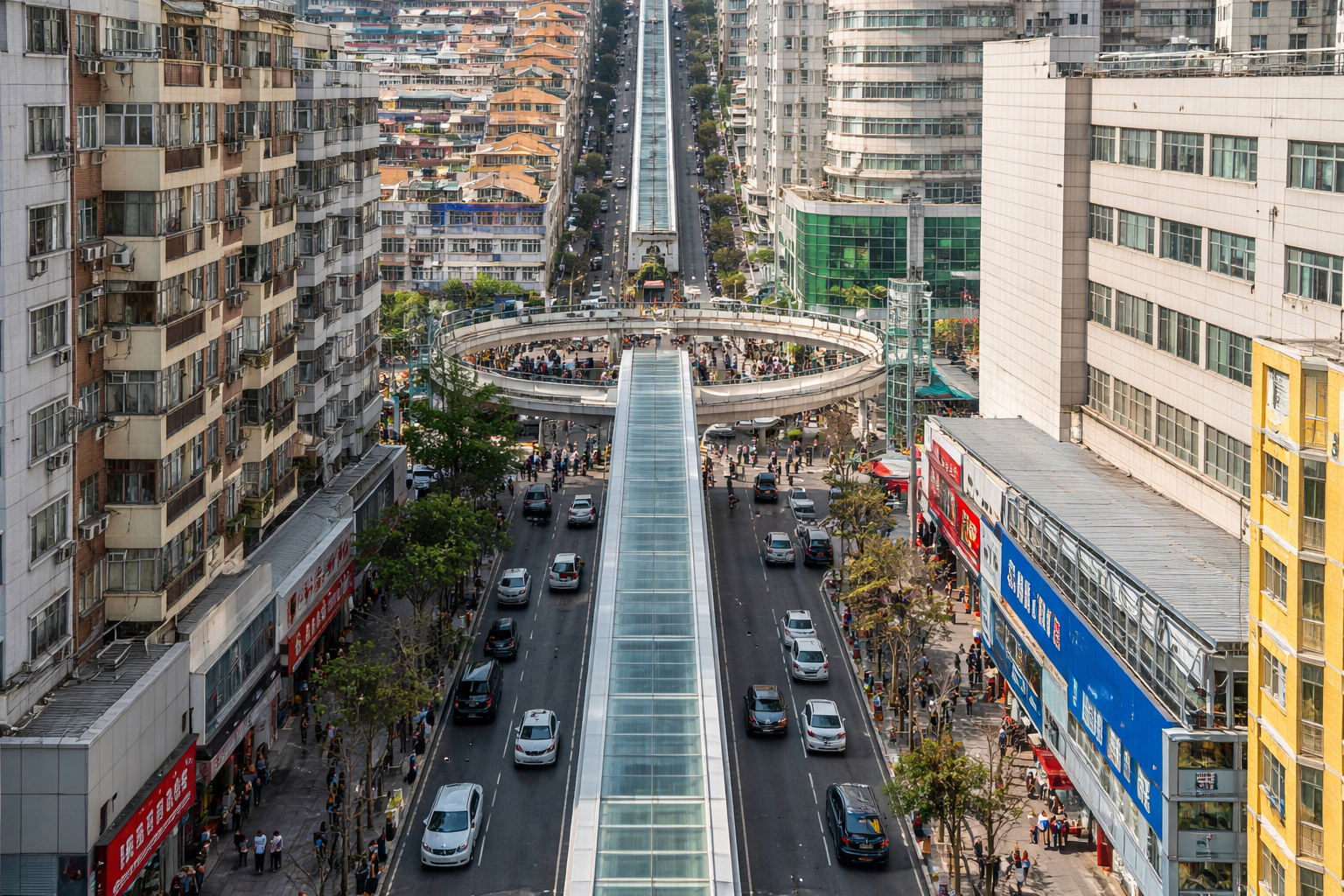
The world’s largest escalator, measuring 905 meters in China, reduces urban travel time from 1 hour to about 20 minutes and transforms mobility in mountainous regions with an engineering solution adapted to the terrain.
-
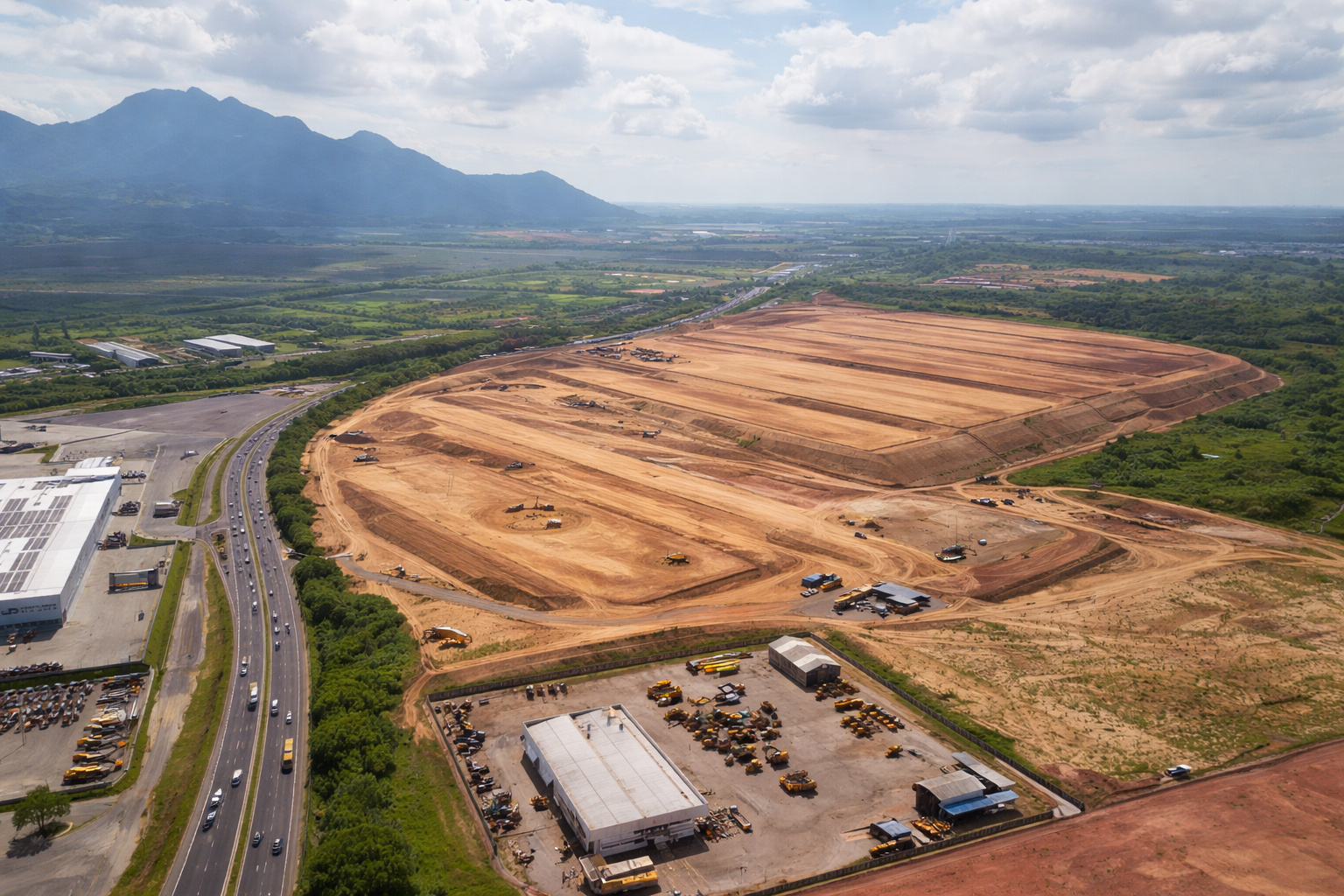
A R$ 300 million logistics giant is taking shape in Serra with over 100,000 m² and raises a question: how can this transform e-commerce and distribution in the state?

This volume is supported by an unparalleled road infrastructure in the country — there are 135,000 kilometers of roads, of which 35,000 are paved, connecting industrial hubs, ports, and distribution centers.


In addition, more than 20,000 freight transport companies are headquartered in the state, employing about 400,000 active drivers. The logistics chain in São Paulo is so robust that it alone moves more than R$ 1.2 trillion in goods annually, according to the National Transport and Logistics Observatory (ONTL).
Santos Port and Road Junctions Make São Paulo a Continental Hub
The epicenter of this logistical machinery is Santos Port, the largest in Latin America. Through it, 30% of all Brazilian exports pass, especially soybeans, meat, sugar, and iron ore.
The direct link between the interior of the state — which houses industrial hubs in Campinas, Ribeirão Preto, and Sorocaba — and the port is made by roads that rank among the best in the country: Anhanguera, Bandeirantes, Castelo Branco, and Dutra.
This network of road and port infrastructure places São Paulo among the main logistics corridors in the southern hemisphere, connecting with other states and neighboring countries through Mercosur.
São Paulo’s Fleet Surpasses Entire Countries and Redefines South American Transport
The size of São Paulo’s fleet is impressive when compared internationally.
- Spain, with a similar territory, has about 600 thousand trucks;
- Germany, an industrial powerhouse, has just over 1 million;
- Meanwhile, the United Kingdom has about 500 thousand registered heavy vehicles.
In other words: São Paulo alone operates more trucks than any European country outside of Germany.
According to the International Road Transport Federation (IRU), this number places the state among the 10 largest concentrations of road transport in the world, ahead of entire nations with older logistics networks.
Record Highways and Mobility Challenges
With a gigantic fleet comes the challenge of fluidity. Truck drivers face traffic jams that can exceed 50 km on the main routes connecting the coast and the interior, especially on the Imigrantes Highway and the Anchieta Highway during holidays and harvest seasons.
The heavy traffic has led the state government and the private sector to invest heavily in infrastructure. Since 2020, more than R$ 10 billion has been invested in duplications, additional lanes, and highway concessions, with a focus on the Nova Tamoios project and the North Ring Road, which is expected to ease heavy cargo traffic in the capital.
Still, experts warn that the excessive reliance on road transport is a bottleneck. Rail transport, which in the 1960s accounted for more than 20% of national logistics, now represents just 15%.
Drivers and Technology: The Future of Freight Transport
The profile of São Paulo truck drivers is also changing. The average age of professionals has increased from 38 to 44 years over the last 15 years, and there is a growing concern about the renewal of the category. The Autonomous Truck Drivers Union of São Paulo (Sindicam-SP) estimates that by 2030, more than 100 thousand drivers will retire without direct replacements.
In contrast, onboard technology is transforming the sector. Large companies are already operating semi-autonomous and electric trucks, equipped with sensors, real-time telemetry, and routes optimized by artificial intelligence. Volkswagen Trucks and Buses, based in São Bernardo do Campo, leads the tests of the e-Delivery, the first 100% electric truck manufactured in Brazil.
These innovations aim to reduce emissions and increase efficiency in a state where trucks consume about 4 billion liters of diesel per year.
Trillion-Dollar Economy: Inside the Machinery That Cannot Stop
The economic impact of São Paulo’s fleet is colossal. It is estimated that for every 10 products consumed in Brazil, 7 pass through a truck that circulates or crosses São Paulo at some point in the logistics chain.
From industrial inputs and food to agricultural exports, everything depends on this road system. According to the Institute of Logistics and Supply Chain (ILOS), São Paulo’s road transport moves more than R$ 3 trillion in goods annually, a figure that corresponds to three times Portugal’s GDP.

Not surprisingly, the state hosts the largest carriers in Latin America, such as JSL, Braspress, and Transpanorama, as well as thousands of small owners operating across the country from north to south.
Electric Future and Sustainability
The discussion about the future of São Paulo logistics inevitably goes through sustainability. With diesel prices rising and growing environmental pressures, the sector has started a race for electrification and the use of biofuels.
Companies like Raízen and Shell Brasil are investing in green diesel (HVO) and second-generation ethanol, while São Paulo startups are developing medium-sized electric trucks aimed at urban deliveries.
The goal of the São Paulo Secretary of the Environment is to reduce CO₂ emissions from freight transport by 20% by 2035, through the gradual replacement of fleets and tax incentives for innovation.
A State Driven by Trucks
São Paulo is, literally, the state that never stops. Day and night, over 500,000 trucks cross São Paulo’s highways, bringing and taking the products that supply Brazil and the world. Each journey is part of a monumental machinery that, if interrupted, would paralyze supermarkets, factories, and ports.
Behind this statistic are the drivers, the roads, and the machines that make Brazil run. A symbol of strength, work, and logistics that has transformed the state into the largest road transport power in Latin America.









Seja o primeiro a reagir!