





 Portuguese
  English
  Spanish
  5 min of reading
  0 comments


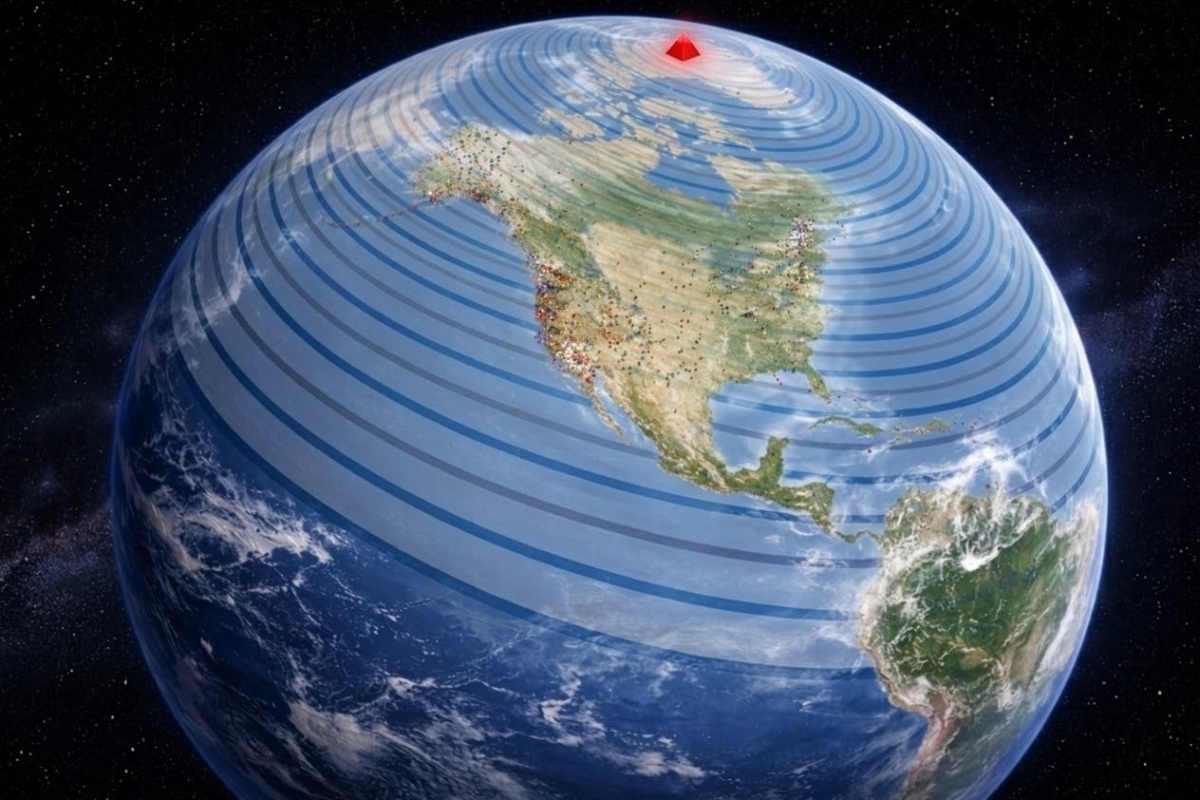
The Event Produced Pulses Every 90 Seconds, Lasted 9 Days and Was Only Confirmed When the Satellite SWOT Managed to See the Water Movement Inside the Fjord
The Earth recorded a rare behavior in September 2023: seismic sensors captured a repetitive pulse every 90 seconds, without interruption, for 9 days. The pattern was too regular to seem like a common quake and too long to be ignored.
What seemed like a geological mystery turned out to have originated in water. A megatsunami formed in Dickson Fjord, Greenland, and became trapped inside the fjord, oscillating back and forth for days.
The region is remote, with almost no human presence, which explains why the episode did not trigger immediate alerts to the world. Nevertheless, the energy was significant enough to leave a global signature and attract the attention of scientists in various countries.
-
Mysterious object on Mars divides NASA and Harvard after Curiosity image reignites suspicions about what was really found on the planet.

-
Giant structures 14 meters beneath Egypt are revealed by satellites and expose a millennia-old secret buried in Buto.

-
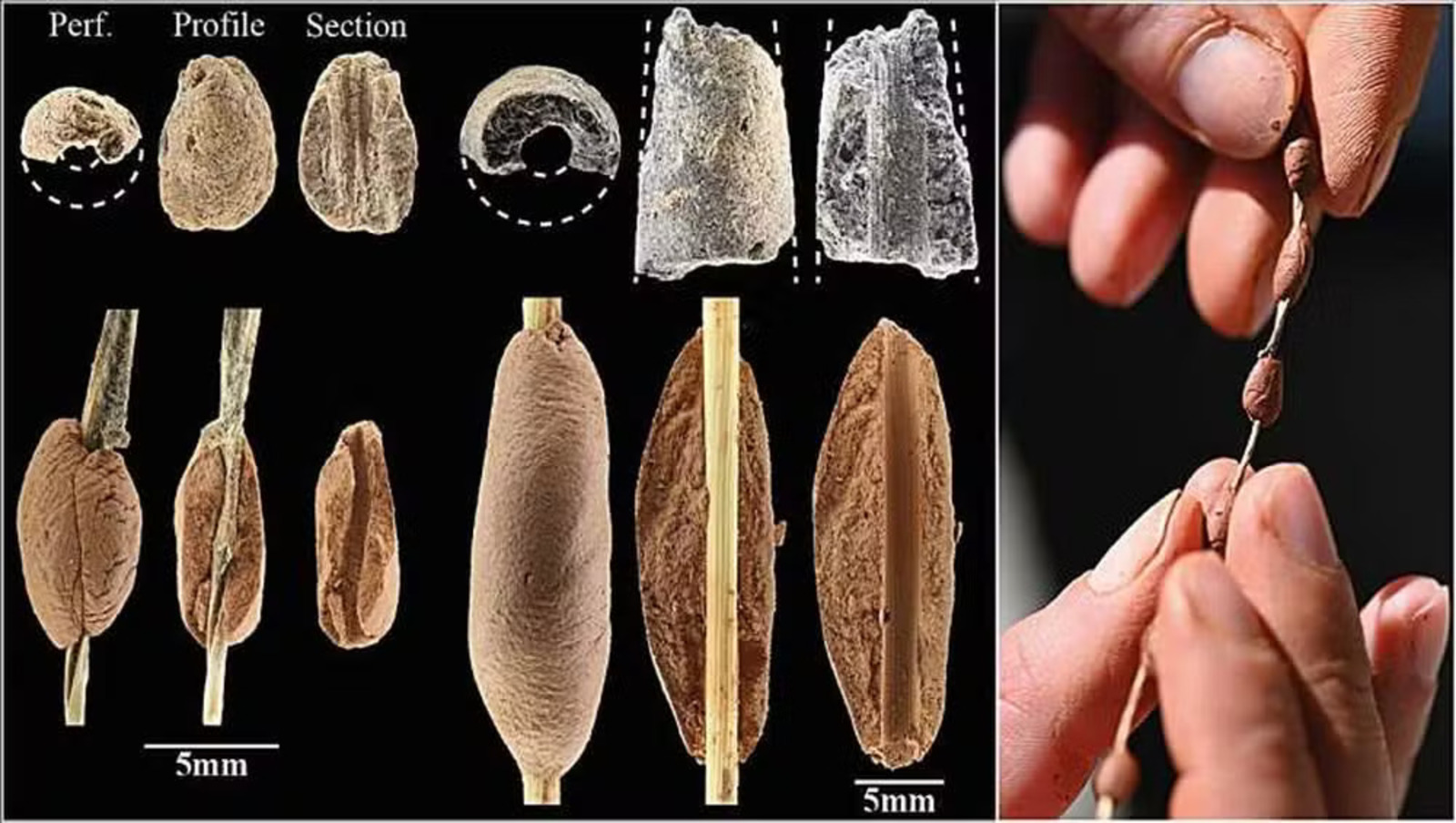
Children have been making clay pieces for 15,000 years in Southwest Asia, and fingerprints preserved on 142 ornaments helped archaeologists prove this.
-
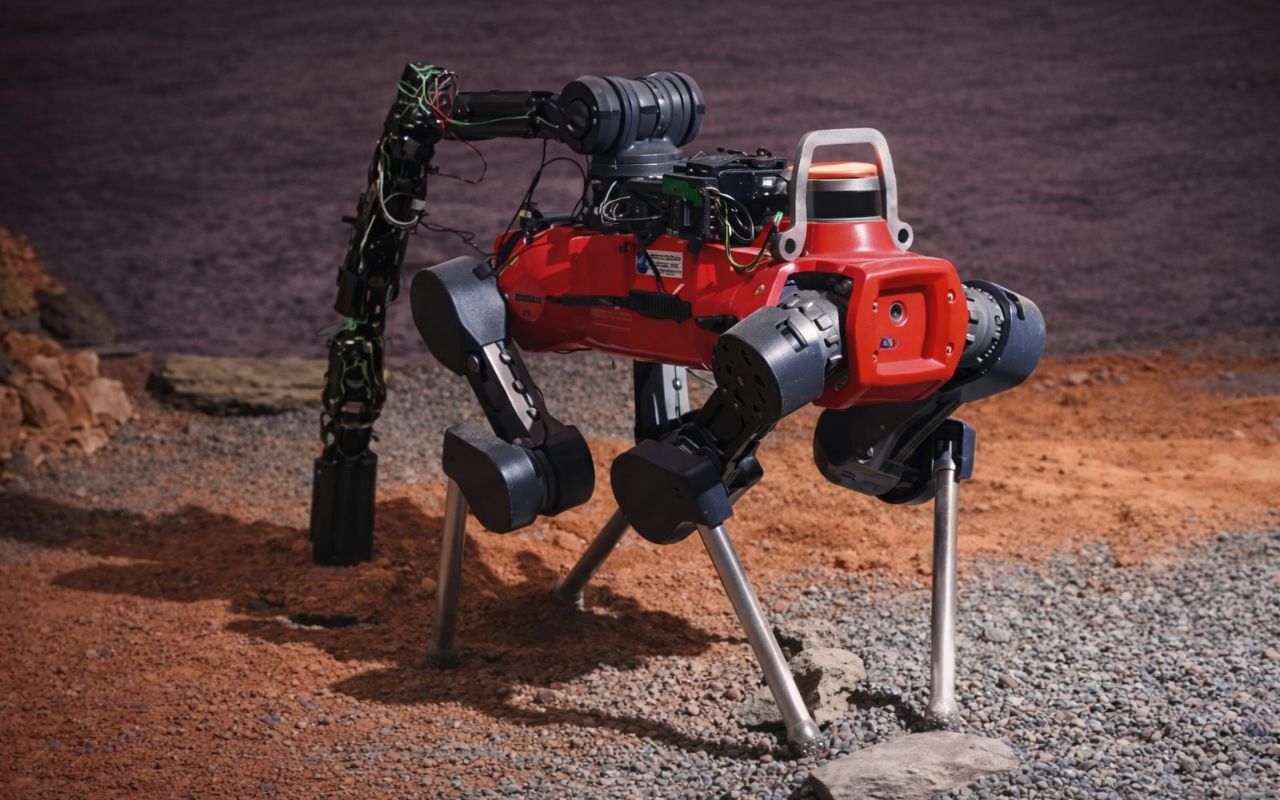
New semi-autonomous legged robot technology challenges the limitations of space exploration by operating almost without human intervention on the Moon.

The Planet Shook for 9 Days and No One Understood the Reason
The signal detected across the planet did not resemble a classic earthquake. Instead of a short and strong peak, it appeared as a continuous pulse, with a steady rhythm, repeating the same interval for days.
This type of behavior is uncommon in seismic records. Therefore, the phenomenon became a puzzle, as there was no direct explanation that fit the duration and repetition observed.
The detail that caught the most attention was the persistence. There were 9 days with the same pattern, as if the Earth were being pushed regularly, always in the same rhythm.
Dickson Fjord Became the Stage of a Silent Megatsunami

The point of origin of the event was Dickson Fjord, in northeastern Greenland. On September 16, 2023, a large landslide occurred involving rock, ice, and debris, directly hitting the water of the fjord.
The impact displaced a massive volume of water in a short time. This created a megatsunami within the narrow channel, behaving differently than a tsunami that usually crosses oceans and hits urban areas.
The location is surrounded by rock walls and acts as a natural corridor. This geography helped maintain the energy concentrated, instead of allowing the wave to spread and lose strength quickly.
The Wave Reached 200 M and Transformed the Fjord Into a Resonance Chamber
The event is described with a tsunami height of up to 200 m, in addition to subsequent waves that reached 110 m. These numbers indicate the magnitude of energy released at the moment of the landslide.
What makes the case even rarer is that the phenomenon became trapped in the fjord itself. Instead of advancing into open ocean, the water began to oscillate within the channel, as if it were trapped in a closed system.
This transformed the fjord into a kind of natural resonance chamber. The energy continued to circulate inside, repeating the movement and keeping the event active for days.
The Seiche Kept the Water Oscillating Like a Natural Engine
The movement that sustained the event has a name: seiche. It is a large-scale oscillation that occurs when water is trapped in a closed or semi-closed space and begins to move back and forth in a repetitive cycle.
In the case of a long and narrow fjord, the seiche can gain strength and persistence. The water hits one end, returns, hits the other, and continues repeating, maintaining a constant oscillation.
This back and forth helps explain why the planet registered such regular pulses. The water became a natural mechanical “engine,” pushing and pulling the system for too long to be confused with a common seismic event.
The Satellite SWOT Captured What Did Not Appear in Traditional Monitoring
The confirmation of the phenomenon gained momentum with the Surface Water Ocean Topography satellite, known as SWOT. It was launched in December 2022 and is capable of measuring the water surface height with high precision.
The differential of SWOT is its ability to map water areas in more detail, including in complex regions such as fjords. This extends the observational reach in locations where there are no installed instruments and where human presence is minimal.
With this reading, it was possible to identify clear signs of movement within Dickson Fjord, showing that the water was not just agitated; it was oscillating in an organized and persistent manner.
Differences of Up to 2 M on the Surface Confirmed the Back and Forth of the Wave
The satellite data showed that the water surface inside the fjord exhibited well-defined inclinations, with height differences of up to 2 m at distinct moments.
The most important thing is that these inclinations changed direction. At one moment, the water appeared higher on one side, then the pattern inverted, indicating the continuous oscillation from one end to the other.
This behavior aligns with the dynamics of seiche and helps explain the repetitive seismic signature. Even without a tsunami advancing into open ocean, the energy within the fjord was sufficient to generate a signal felt on a global scale.
The Hidden Alert: Extreme Events Can Happen Off the Human Radar
The case of Dickson Fjord shows that extreme events can occur in isolated areas and still produce detectable impacts on the planet. When the scenario is remote, the world may take time to understand what happened, even with signals appearing in instruments.
It also becomes clear that space technology has taken a central role in this type of discovery. Satellites like SWOT broaden the capacity to observe changes in water in regions where there is no constant monitoring.
The megatsunami in Greenland lasted 9 days, had pulses every 90 seconds, and left a global mark. Now, this type of event enters a new phase, with more chances to be detected, measured, and understood quickly.







-

-

2 pessoas reagiram a isso.