





 Portuguese
  English
  Spanish
  3 min of reading


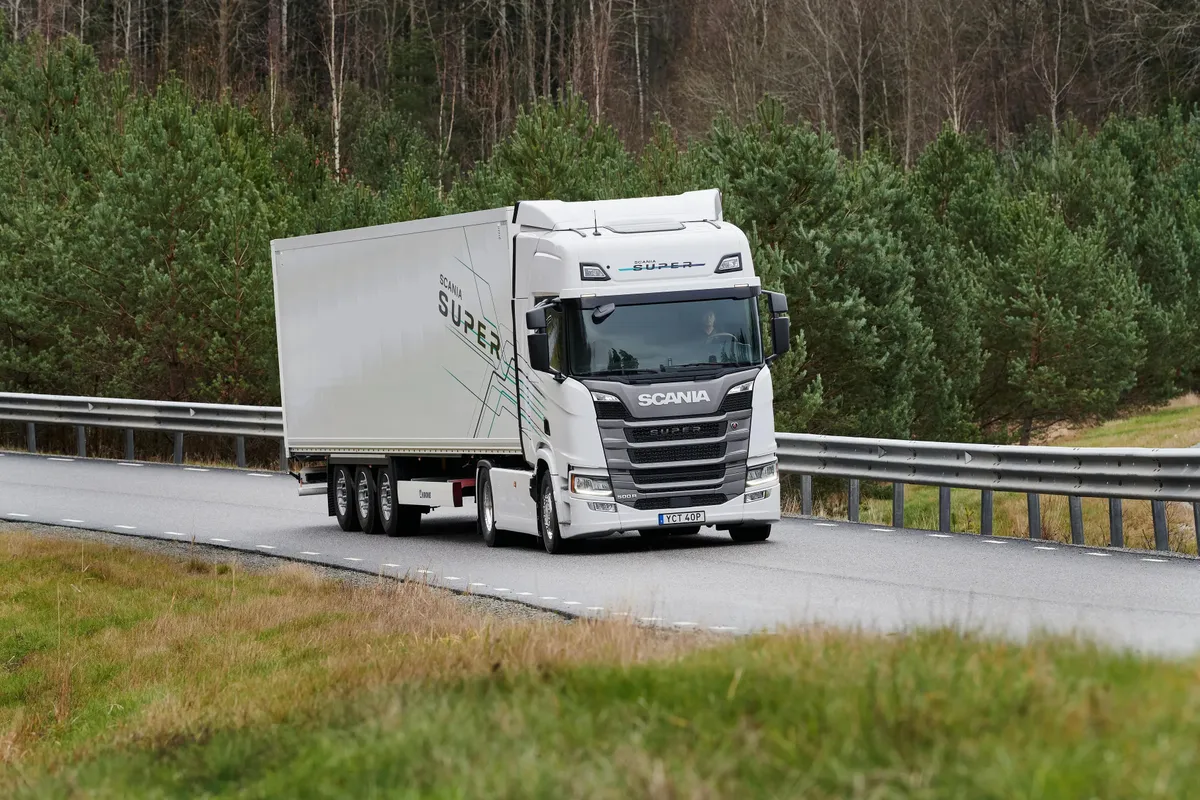
Scania Launches New Super Truck Line, Swedish Brand, Recently Launched in Brazil. The Brazilian Emission Control Program, Known as Proconve P8, Is Equivalent to the European Euro 6, and the Models in the Line Are Equipped with a 13-Liter Engine That Meets the Program’s Rules.
The solutions offered by Scania’s Super Trucks also promise to reduce diesel consumption by up to 8%, thanks to new components such as oversized axles designed to meet the specific characteristics of Brazilian operations.
The agribusiness sector, which is responsible for a large part of heavy truck sales, has greatly benefited from this new line of vehicles. Previously, these carriers only took into account the main harvest. However, there is now demand year-round, including during the off-season period. It is estimated that the current volume of tons is equivalent in both periods.
Some of the most registered models are those with a gross vehicle weight (GVW) of up to 74 tons. These vehicles operate 24 hours a day and are essential for ensuring the transportation of the harvest year-round. Scania believes that this line of Super Trucks can contribute to a more agile transport system and considerably reduce pollutant emissions in the atmosphere.
-
American Airlines starts selling trips as if they were flights, with check-in and baggage check at the airport, but on short routes, passengers board luxury buses connecting cities to major hubs in the U.S.

-
The government puts R$ 8.6 billion on the table to change the highway (BR) with 50 overpasses, 28 bridges, 4 tunnels, and 40 km of bike lanes in 180 km of historic duplication.

-
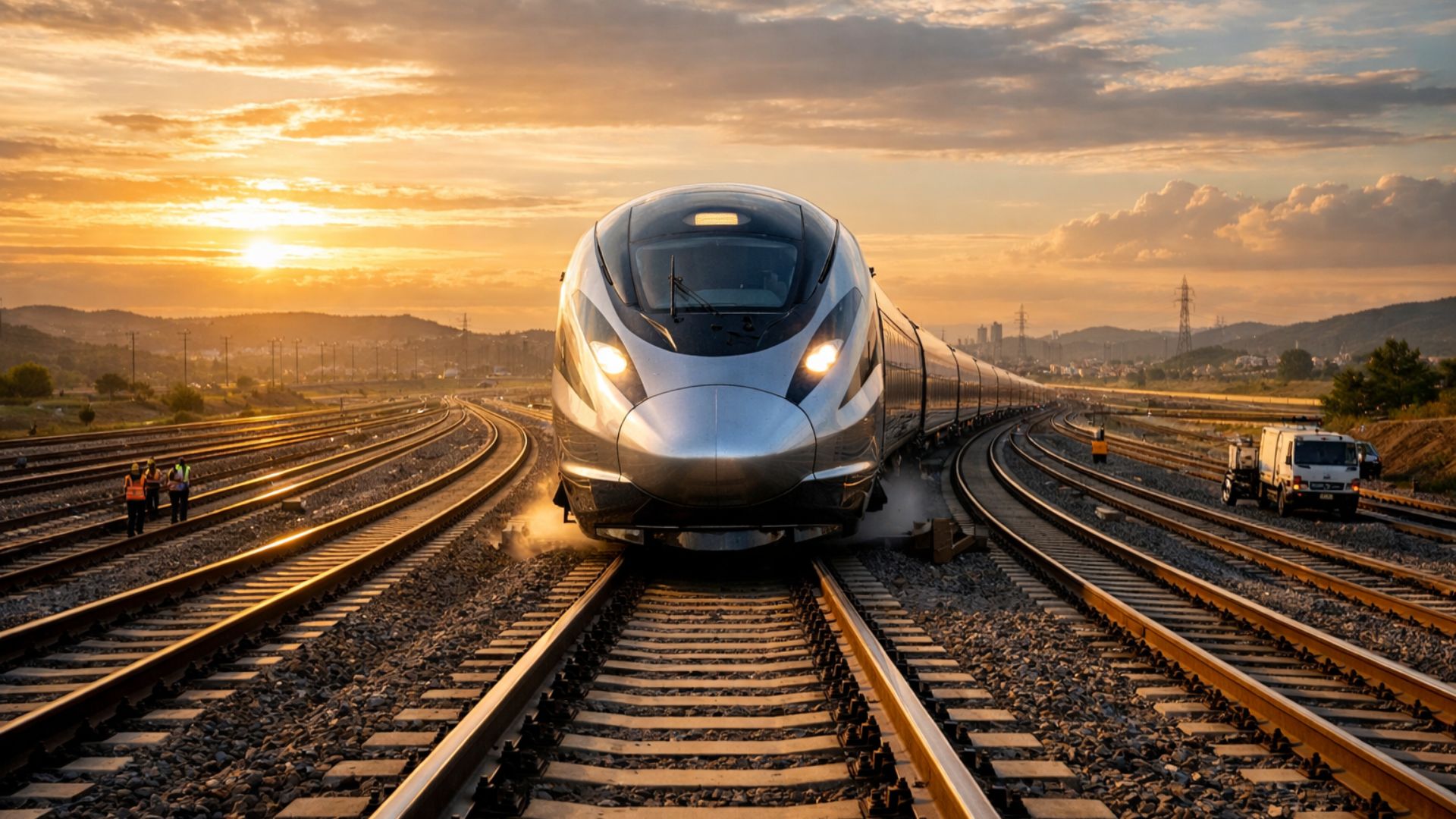
São Paulo surprises the world with a colossal railway network project that promises over 1,000 km of tracks, R$ 194 billion in investments, and 40 projects connecting the capital to the interior with fast and sustainable trains.
-
The world’s largest escalator, measuring 905 meters in China, reduces urban travel time from 1 hour to about 20 minutes and transforms mobility in mountainous regions with an engineering solution adapted to the terrain.


This technological advancement is expected to bring significant benefits to the Brazilian road transportation sector and improve air quality in the country’s major urban centers. However, it is important to emphasize that the solutions offered by Scania demonstrate a commitment to environmental preservation, as they enable greater fuel economy and reduced production of pollutant gases in the atmosphere.
New Scania Super Trucks Have Engines Up to 560 hp
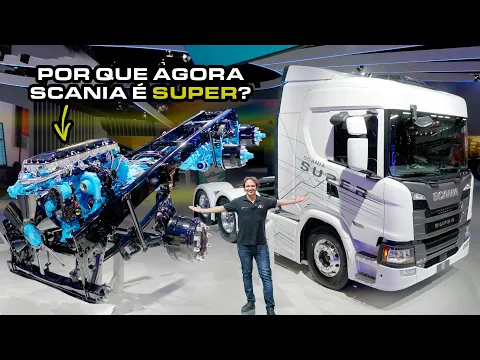

Scania has just launched a new range of Super Trucks with the DC13 engine, which features six inline cylinders of 12.7 liters and outputs of 420 hp, 460 hp, 500 hp, and 560 hp. The engine has two over-head camshafts and a crankshaft capable of withstanding pressures up to 250 bar.
Thus, the transmission has been updated and includes the G25 for versions with 420 hp and 460 hp, while the G33 is for the versions with 500 hp to 560 hp. These automated transmissions offer faster gear shifts and are also lighter – the G25CM weighs 75 kg less than the previous generation GRS905, while the G33 CM weighs 60 kg less. This means that the Super Trucks can carry more cargo without compromising their empty weight.
Finally, the R885 axle has a maximum traction capacity of 90 tons to comfortably support the tracked trucks. With all these innovations, box companies will be able to count on a more powerful engine, lighter transmissions, and increased transport capacity.
R 560 Recommended for Agribusiness
The Scania R 560 truck is being considered one of the most modern and efficient models for transportation operations in the agribusiness sector. Recently, the vehicle gained 20 hp, in addition to new RB 885 axles, which increased its maximum traction capacity (MTC) to 90 t. This change was well received by the Brazilian market, as it helped improve the truck’s performance in operations of GCV of 74 t.
According to a Scania engineer, this improvement not only increased the benefits in driving the vehicle but also enabled customers to obtain cheaper services. This is because the systems installed in the truck itself can accurately monitor operations so that maintenance is scheduled only when necessary.
Despite these technological advancements, it is important to remember that the user has the power to reduce costs and increase the availability of the vehicle. Therefore, it is recommended that they develop good practices during use and provide care for the components used to avoid damages and unwanted repairs.
Thus, the Brazilian market can now count on an updated version of the Scania Super Truck R 560, which offers more power, component robustness, and greater profitability in use. It is an excellent investment for those seeking agile solutions that meet the demands of the agribusiness industry.








Seja o primeiro a reagir!