





 Portuguese
  English
  Spanish
  5 min of reading
  0 comments


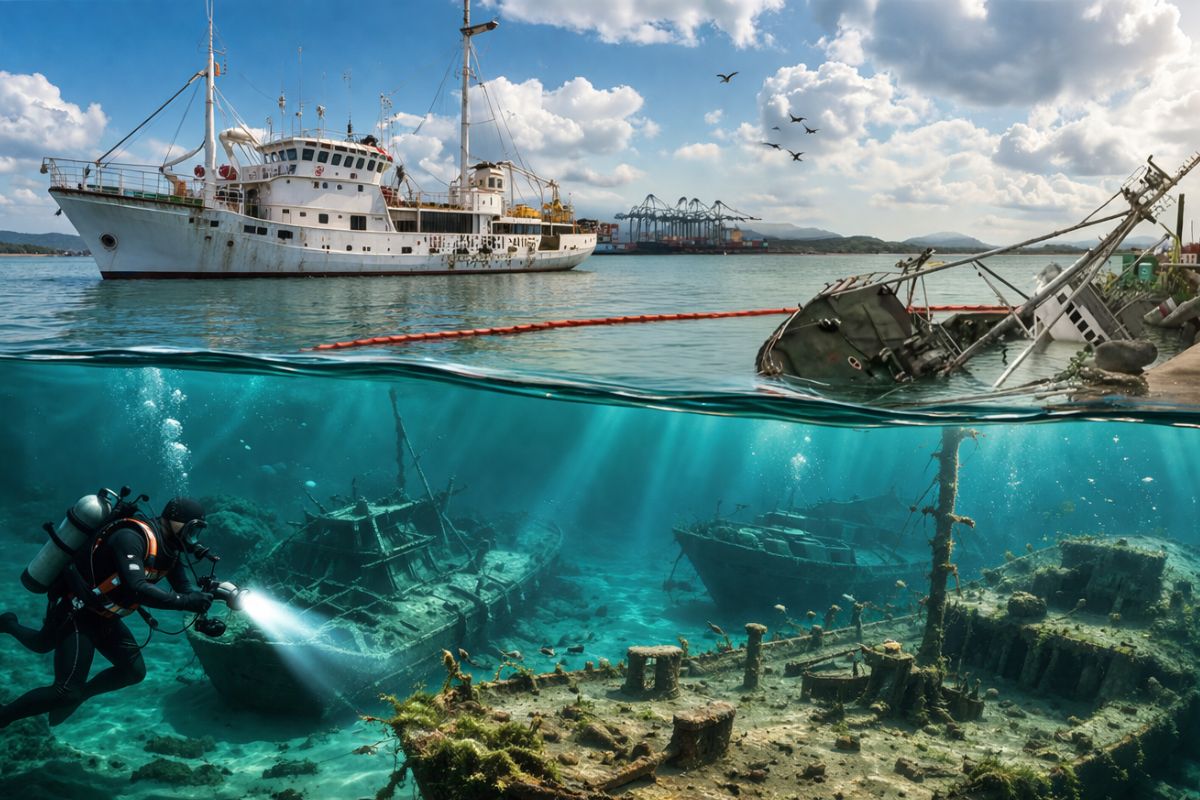
The shipwrecks registered by scientists around the port of Santos already sum 12 cases in the Baixada Santista, and seven of them have been discovered and studied in more depth, including the Casador, the Questrel, and the Professor Besnard.
The shipwrecks scattered across the seabed and the coastal strip of the region show that the port of Santos holds much more than operational ships. Under the surface, there are wrecks, historical memory, and traces that help researchers reconstruct important episodes of navigation and science along the São Paulo coast.
Today, the known records point to 12 shipwrecks in the Baixada Santista area, of which seven have already been located and analyzed by scholars. The scenario includes everything from 19th-century cargo ships to a scientific vessel that marked Brazilian oceanography and recently capsized after a heavy rain.
The seabed holds a collection that few people imagine
Those who observe the daily movement at the port of Santos do not always realize that, below the surface, there is another navigation map. The shipwrecks in the region serve as true submerged landmarks, preserving episodes that span centuries and spark the interest of archaeologists, researchers, and residents.
-
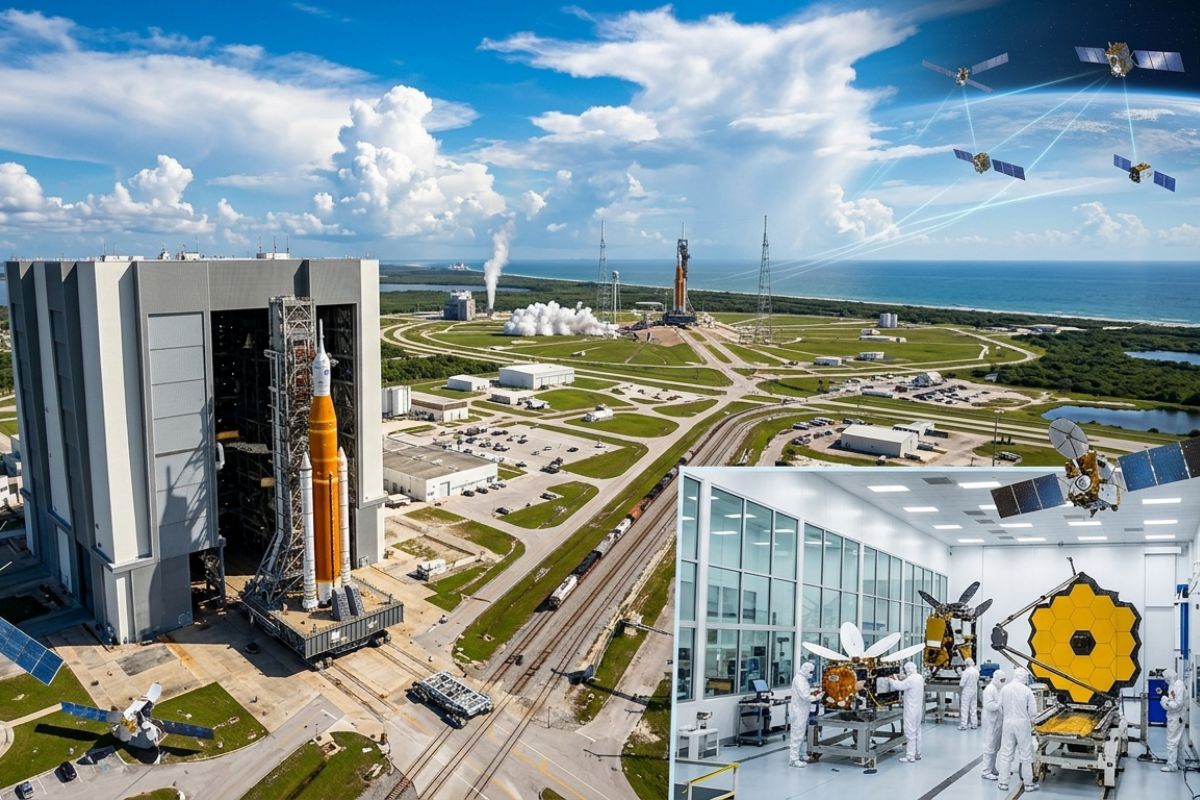
The real scientific weapon of NASA: satellites that monitor the climate, connect missions, and hunt for life, from Explorer 1 to James Webb, showing how they are designed, tested, launched, activated, and retired in Earth’s orbit.
-
Credit card on the inside: acetone reveals antenna, Soviets create energy-free listening devices, and fraud evolves from easily cloneable magnetic strips to encrypted chips and still vulnerable contactless payments today.

-
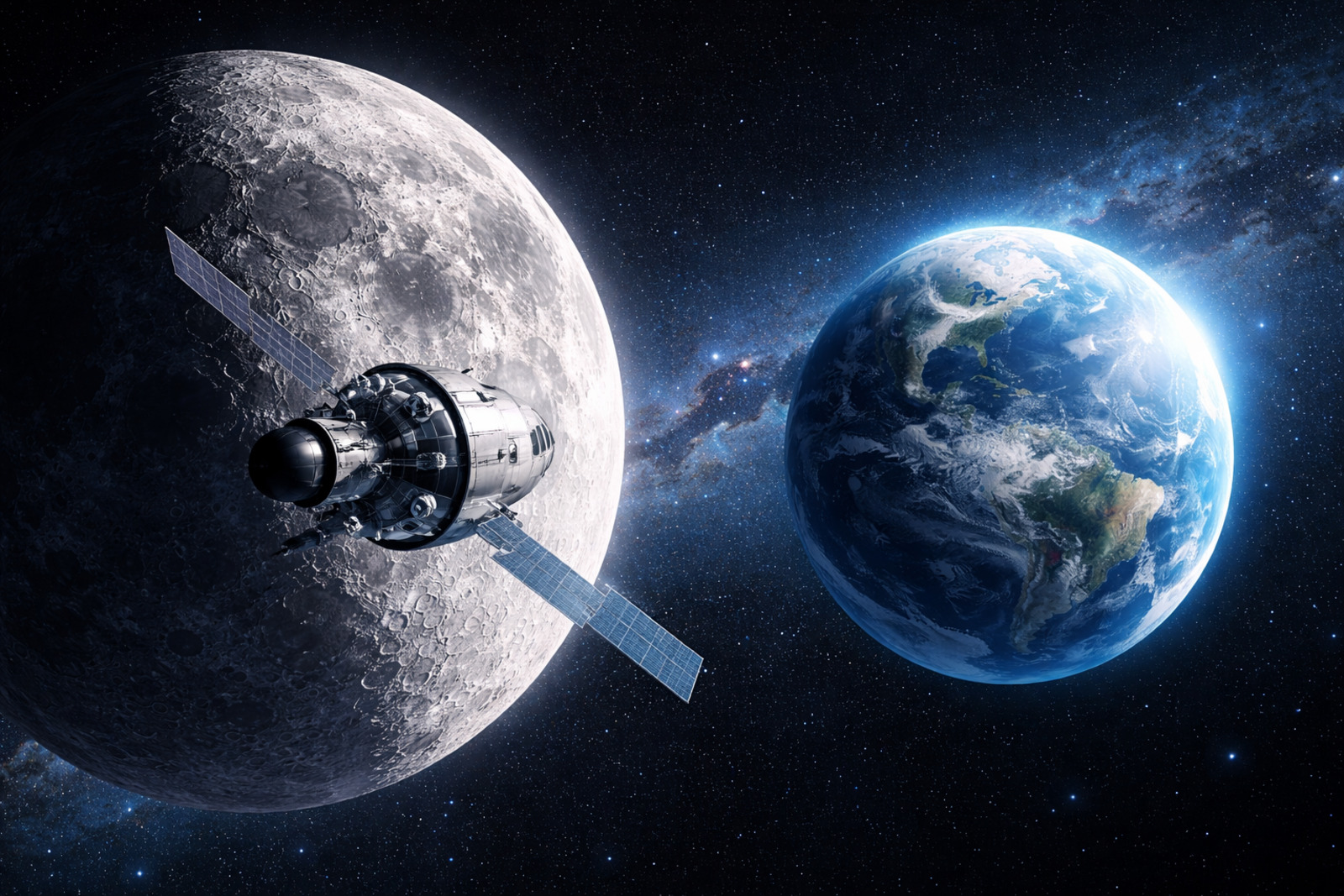
The time when astronauts traveled the farthest in space happened now: Artemis II took Orion to 406,771 kilometers from Earth, surpassing the Apollo 13 milestone by 6,600 kilometers.
-
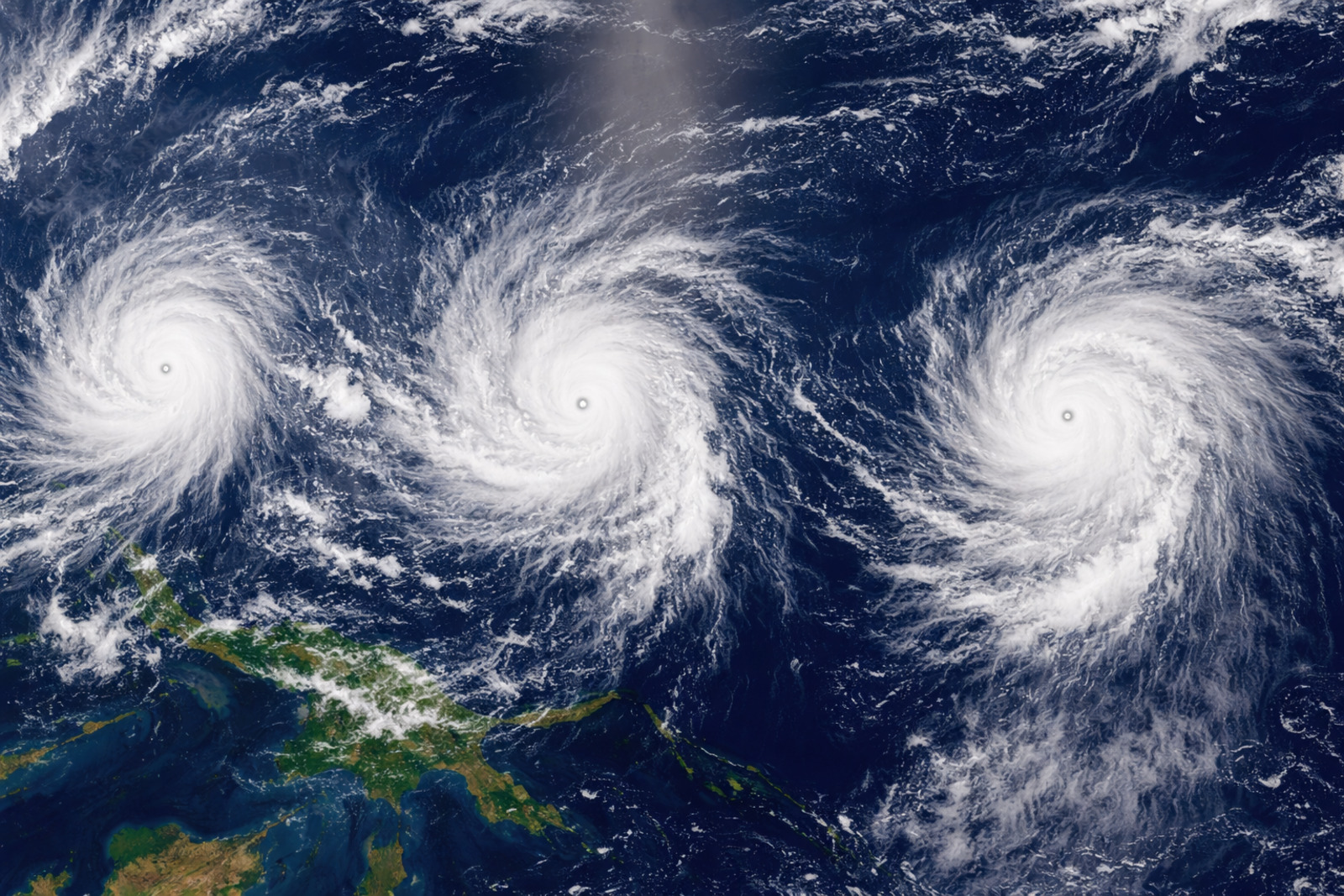
The rare emergence of triple cyclones in the Pacific can unleash extreme rainfall on islands, form twin storms, and even strengthen a stronger El Niño on the planet.
According to the reports presented in the video, there are currently records of 12 shipwrecks in the Baixada Santista area. Of these, seven have already been discovered and studied.
For researchers, the wrecks found in the port channel and nearby areas are almost historical treasures, as they help tell how these structures ended up there and what they may still reveal.
Casador, from 1828, is among the most valuable highlights

One of the most emblematic cases among the shipwrecks is that of the Casador, an Argentine ship that sank in 1828. The vessel was a cargo sailing ship and transported goods between Argentina and Brazil until it suffered the accident that led to its sinking.
According to the account, there were no deaths in the incident, and today the Casador is located in a preserved spot, at a shallow depth, which facilitates research work.
This makes it one of the most important examples in the region, both for its antiquity and for the conditions that still allow detailed study.
An old structure in São Vicente also draws attention
Another discovery mentioned by archaeologists is located in the Porto das Naus region, in São Vicente, a neighboring city to Santos and one of the oldest in the country. The material found there includes cannons and elements that refer to a very ancient period.
The presence of these remains reinforces the historical value of the shipwrecks along the São Paulo coast, as it points to connections with remote times of coastal occupation and maritime circulation in Brazil. Even without all the details finalized, the collection found already impresses with its historical potential.
Questrel reappears at low tide and has become part of the local landscape
Among the most well-known shipwrecks to the residents of Santos, the Questrel occupies a special place. The English cargo ship, built in 1895, ended up running aground on Boqueirão beach during a stormy night.
At low tide, the ship appears on the sand and transforms into a familiar scene for residents and tourists. It is one of those cases where the shipwreck has ceased to be just an accident of the past and has become a living image of the city’s relationship with the sea. This periodic appearance helps keep the story of the Questrel present in the daily life of the waterfront.
Professor Besnard combines scientific memory and recent emotion

If the Questrel draws attention for its presence on the beach, the Professor Besnard moves people due to its importance for Brazilian science. The vessel originated from a project linked to a professor of oceanography at USP, who named the ship, and was built in 1967 in Norway.
Later, it came to Santos to conduct research at sea. For 50 years, the Professor Besnard sailed along the Brazilian coast and became, according to the video, the only non-military oceanographic research vessel on the country’s coast. After a fire in 2016, it stopped sailing and was eventually donated to the city of Ilhabela.
The vessel had an important destination. In 2019, there was a donation for the ship to be transformed into a museum. However, last month, during a heavy rain, the Professor Besnard filled with water and capsized, dramatically interrupting the project that aimed to preserve its trajectory.
The capsized ship saddens those who lived its story
The impact of the capsizing of the Professor Besnard goes beyond the image of the vessel leaning in the water. The video shows the emotional weight of this moment for those who closely followed the ship’s journey, whether in recovery attempts or in scientific missions conducted on board.
One of the people interviewed recalls the expedition to Antarctica in 1987 and shows the logbook as a relic. Seeing the Professor Besnard capsized is, at the same time, a symbolic loss for the memory of Brazilian science and a harsh portrait of the risk of losing a historical and scientific heritage.
Still, there is a prospect of reaction. The ship is expected to undergo an emergency recovery process to float again and then be towed to a shipyard, where the expectation is for restoration.
Research helps transform wrecks into heritage


The case of the shipwrecks around the port of Santos shows how the seabed can also function as an archive.
Each structure located helps piece together part of the maritime history of the region, whether for its archaeological value or its connection to urban and scientific memory.
More than mere remnants of ships, these wrecks reveal routes, accidents, changes in the coastline, and entire chapters that remain preserved underwater.
Therefore, the work of scientists and archaeologists gains significance, especially in an area as symbolic for Brazilian navigation as the Baixada Santista.
The port of Santos reveals stories that remain submerged
The current records indicate that there is still much to be understood about the shipwrecks in the region. Seven have already been studied, but the known total reaches 12, which shows that the coastline around the port of Santos continues to hold stories that can still surprise researchers and the population.
From the Casador, from 1828, to the Questrel, which resurfaces at low tide, passing through the Professor Besnard, which capsized recently after a heavy rain, the collection of these vessels helps show that the sea of the Baixada does not only hold trade routes. It preserves memories, scars, and important chapters of Brazil’s maritime and scientific history.
And for you, which of these shipwrecks impresses you the most: the antiquity of the Casador, the image of the Questrel on the sand, or the scientific story of the Professor Besnard?







Seja o primeiro a reagir!