





 Português
  Inglês
  Espanhol
  6 min de leitura
  6 comentários


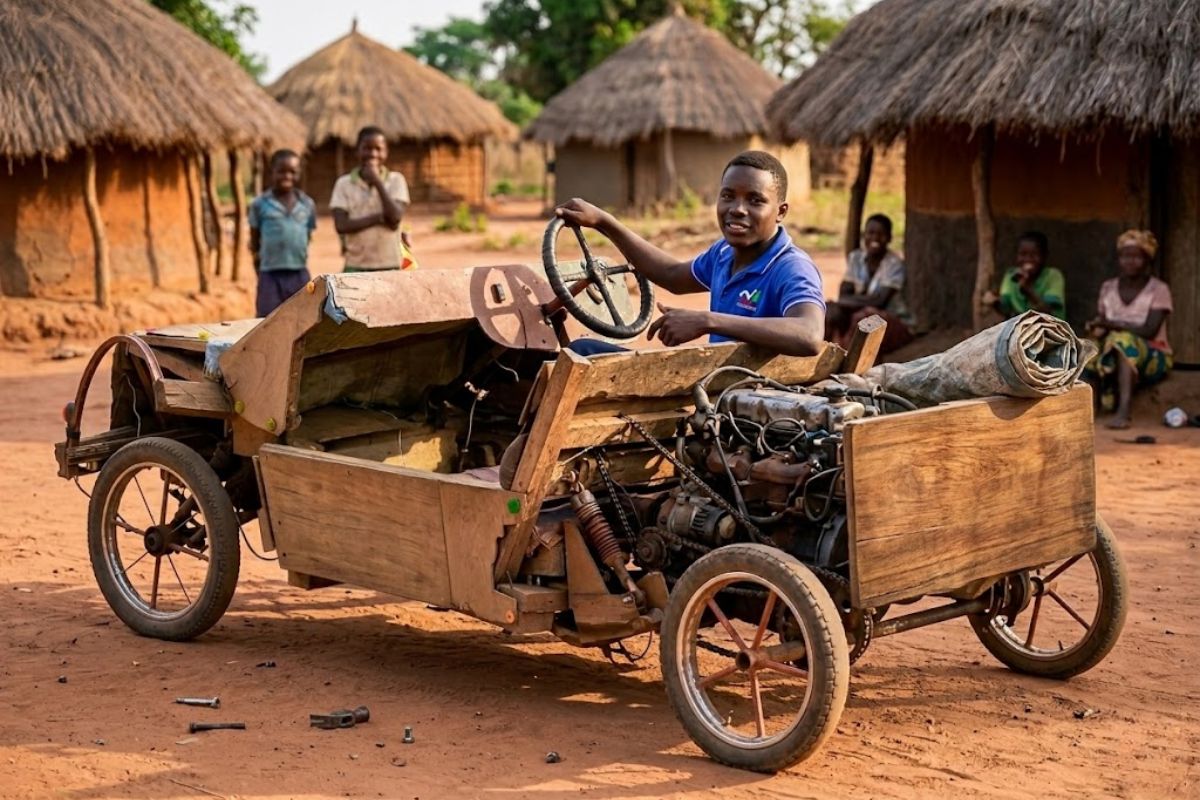


Moved By The Lack Of Resources And The Will To Prove That His Village Could Also Create, A Young Farmer From Uganda Gathered Wood, Metal Parts And A Second-Hand Engine, Repeated Steps Countless Times And, After About Two Years, Managed To Get The First Local Car Up And Running There.
In A Remote Village In Uganda, Where Daily Life Is Marked By Simpler Means Of Transport, The Construction Of The First Car Did Not Arise As A Whim, But As A Direct Response To A Real Limitation. Unable To Buy A Ready Vehicle, Alex, A Young Farmer Who Dreamed Of Becoming An Engineer, Decided To Try To Build With His Own Hands What Almost No One Around Him Imagined Was Possible.
The Idea Gained Momentum After He Saw Cars Being Used In The City And Realized The Distance Between That Reality And Life In His Community. Instead Of Accepting This Separation As Definitive, He Started A Long, Improvised And Laborious Process, Gradually Gathering Materials, Making Mistakes Numerous Times And Learning Practically Until He Finally Made The Vehicle Work.
An Engineering Dream Born In The Fields
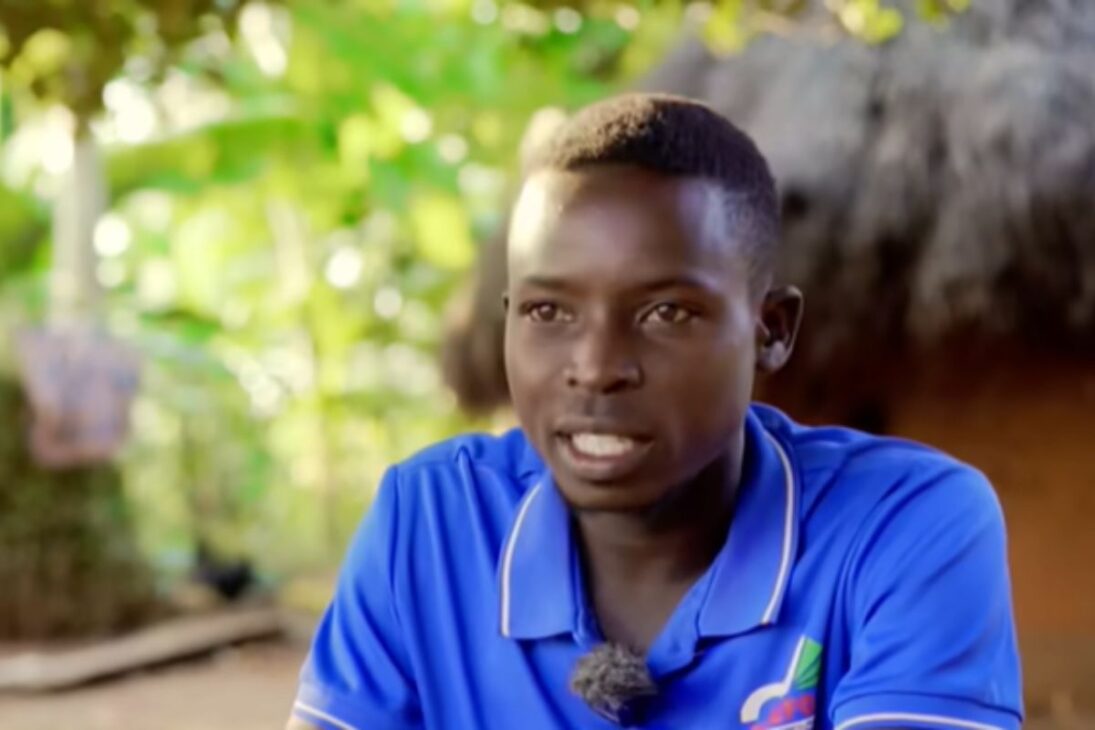
Alex Presents Himself As A Farmer, And This Helps To Understand The Size Of The Challenge He Took On. His Income Came From Working In The Fields, Which Meant Little Money Available And A Very Narrow Margin For Buying Parts, Testing Solutions, And Fixing Failures. Even So, The Will To Build Something Useful Spoke Louder Than The Lack Of Resources.
-
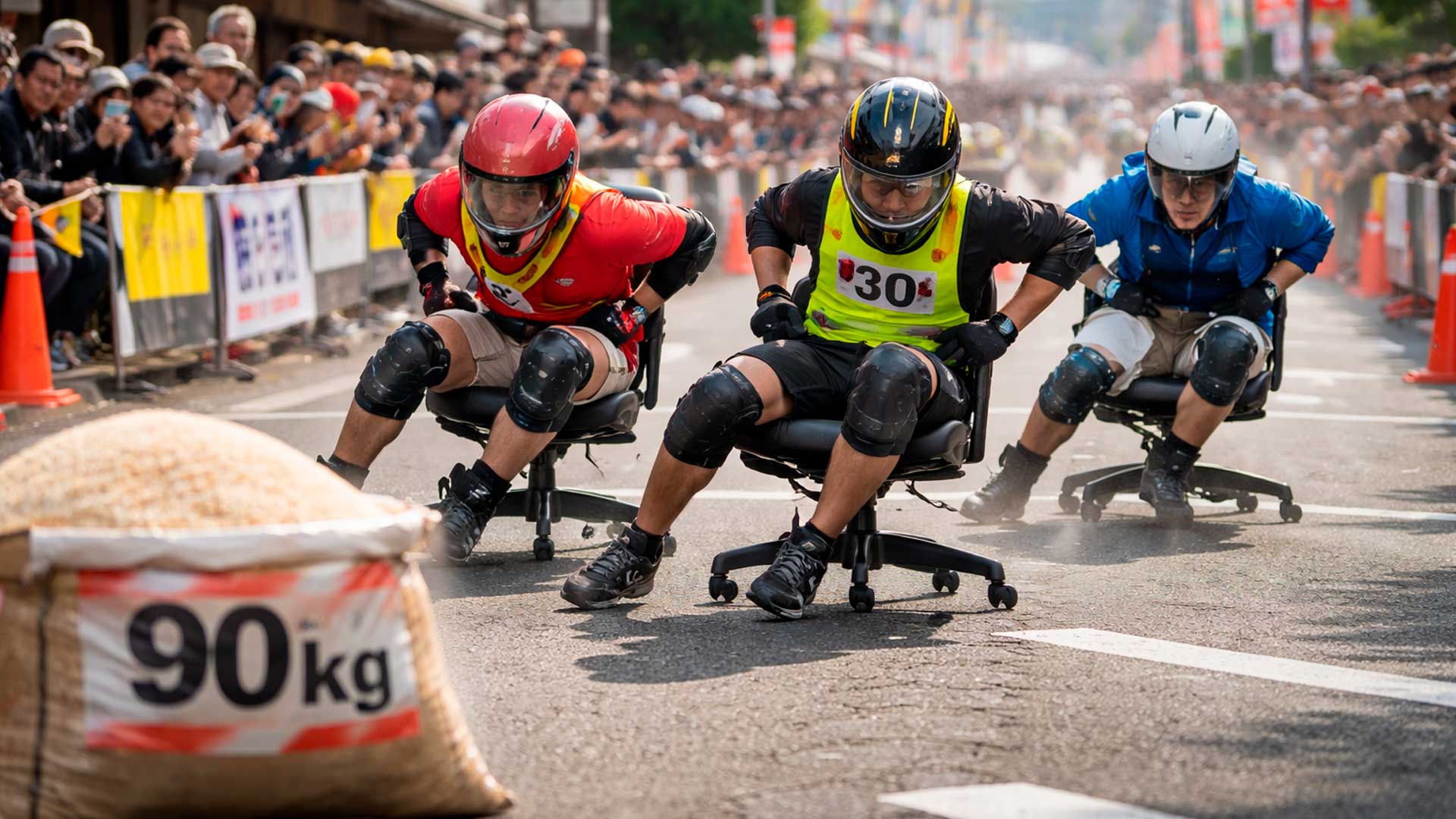
With an unusual prize, Japan transforms office chairs into a resistance race on the streets, ISU-1 Grand Prix grows, fills stages, and pays 90 kilograms of rice.
-
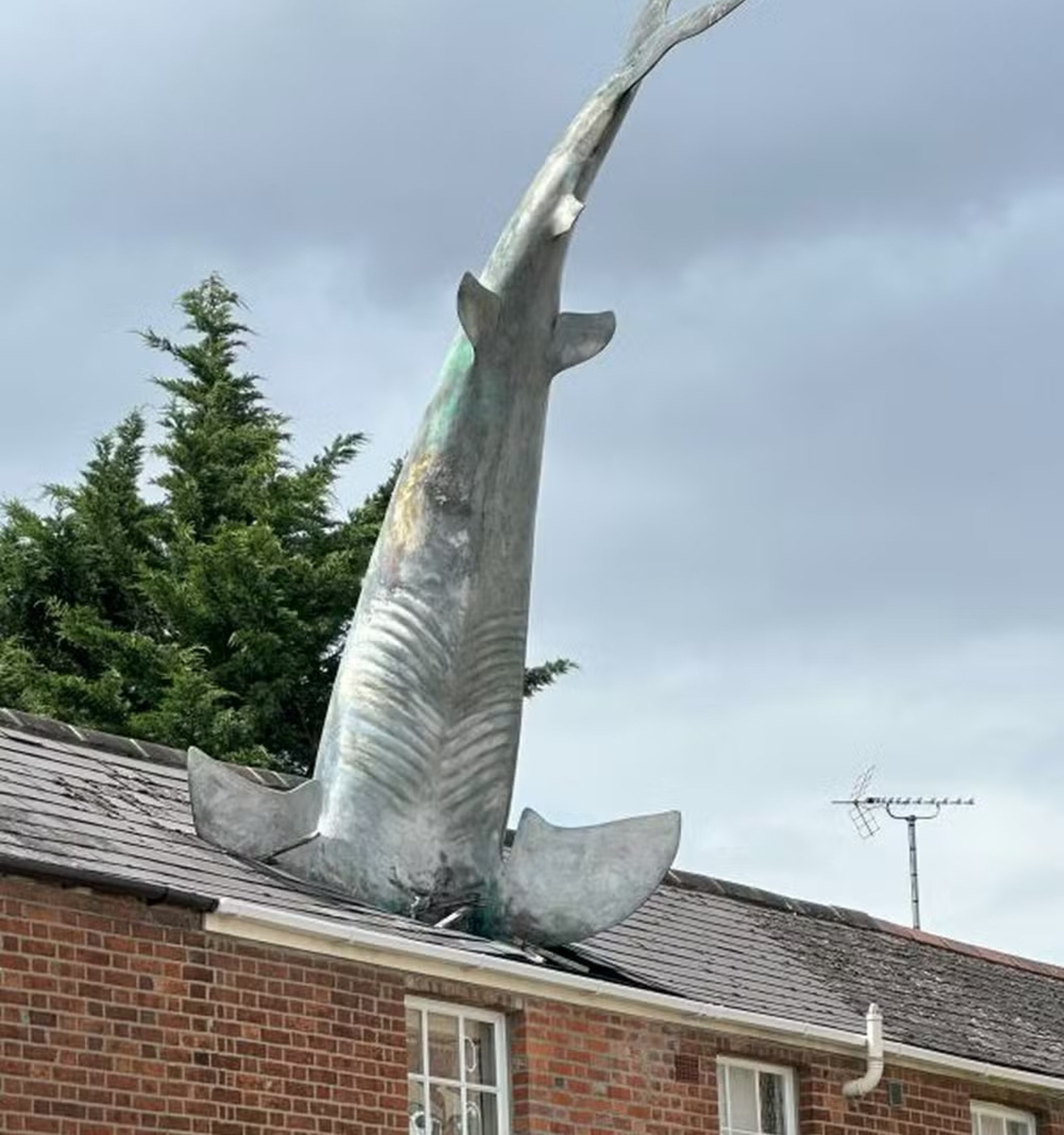
House in England with a 7.6-meter shark embedded in the roof attracts attention worldwide and becomes a curious attraction in Oxford.
-
Masterpiece in Spain, under construction since 1882, receives 4.8 million visits in a year and impresses with its gigantism and architecture.
-
Attracting around 250,000 people a year, a lighthouse 200 meters from the sea, on a 60-meter high cliff, on the North Sea coast in Denmark, becomes one of the most impressive examples of how nature can threaten historical buildings.


The Desire To Be An Engineer Appears As A Central Part Of This Journey. Unable To Follow This Path Through Formal Education, He Found In Direct Experience A Way To Continue Pursuing The Same Goal. The First Car, In This Context, Was Not Just An Improvised Vehicle, But The Materialization Of A Vocation That Did Not Disappear Even Without Structure, Workshop, Or Traditional Technical Training.
Wood, Metal Parts And A Used Engine
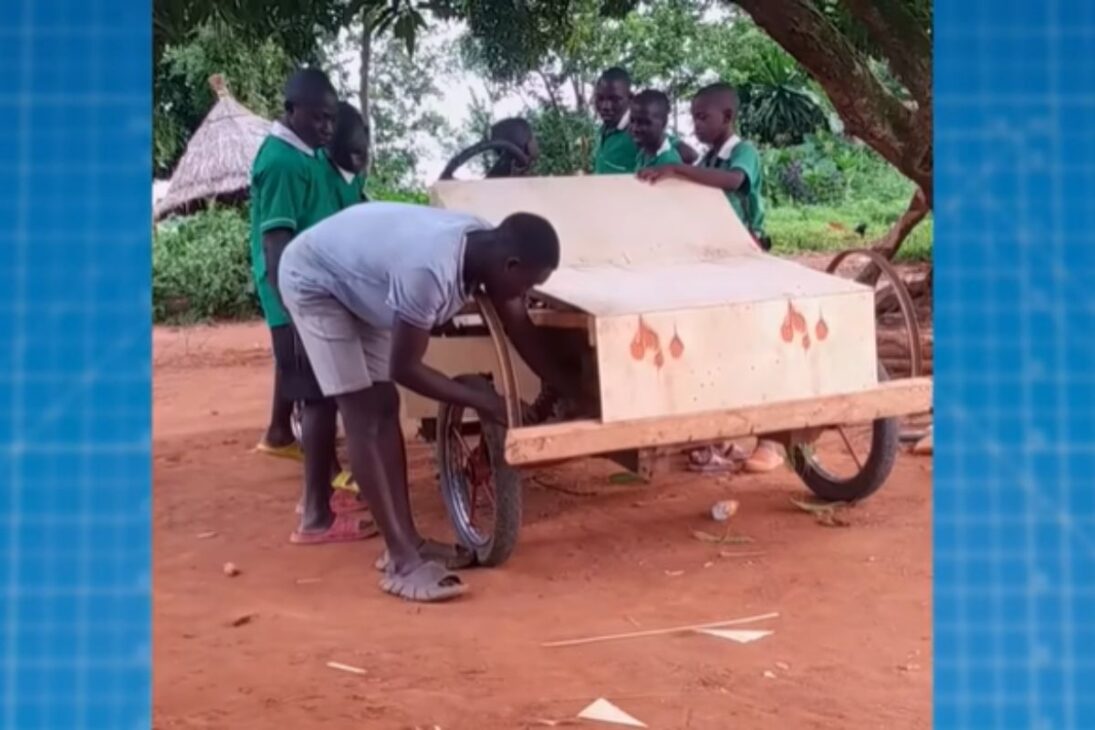
The Assembly Started In The Possible Way, Not The Ideal Way. Some Of The Materials Could Be Found In The Village Itself, Such As Wood, While The Metal Parts Had To Be Found In The City, Which Made The Process More Expensive, Slower, And Much More Tiring. As He Relied On What He Could Earn From Agriculture, Alex Had To Buy Everything In Stages, Progressing As Money Allowed.
The Engine Also Did Not Come From A Sophisticated Solution. He Turned To Mechanics And Made It Clear That He Wanted Something Functional, Without Excessive Complexity, Capable Of Serving A Project Built Basically From Scratch.
Thus He Managed To Get A Used Engine, Coming From Parts Related To Larger Motorcycles, And Started Adapting Each Component To The Reality He Had In Front Of Him. The Construction Of The First Car Was, From The Very Beginning, An Exercise In Repurposing, Observation, And Practical Creativity.
Before Assembling, It Was Necessary To Imagine
Even Without Professional Structure, Alex Did Not Start Randomly. He Talks About Making A Sketch, A Diagram, A Kind Of Drawing Of The Construction He Needed To Follow. This Shows That The Project Did Not Arise Merely From Willpower, But Also From A Concrete Attempt To Organize Ideas, Anticipate Fits, And Understand How Each Part Should Work Before Assembly.
This Stage Is Important Because It Reveals A Type Of Technical Reasoning Built Outside Conventional Paths.
The First Car Did Not Come Out Only From Hands, But Also From A Mental Process Of Attempt, Adjustment, And Visualization. Thinking About Where The Engine Would Fit, How To Drill Parts, How To Join Structures, And How To Assemble The Steering Required A Lot More Than Loose Improvisation. It Required Method, Even If Created Practically.
The Mistakes That Consumed Almost Two Years
The Most Revealing Part Of The Story May Be Precisely The Time. Alex Took About Two Years To Complete The Project, And This Interval Clearly Shows That The Construction Was Not Linear. There Were Failures, Repetitions, Revisions, And Parts That Simply Did Not Work As He Expected. It Was A Journey Of Persistence, Not Of Ease.
One Of The Most Striking Examples Is In The Wooden Tires. He Started With The Smallest Ones, Tested Solutions, Saw That Many Of Them Did Not Work, And Had To Go Back More Than Once. His Own Account Shows This Sequence Of Repeating And Continuously Improving. Each Mistake Contributed To Some Learning, And This Accumulation Of Attempts Was Shaping The Final Version. The First Car Was Born Less From An Initial Hit And More From A Long Collection Of Corrections.
The Steering, The Control And The Moment When Everything Made Sense
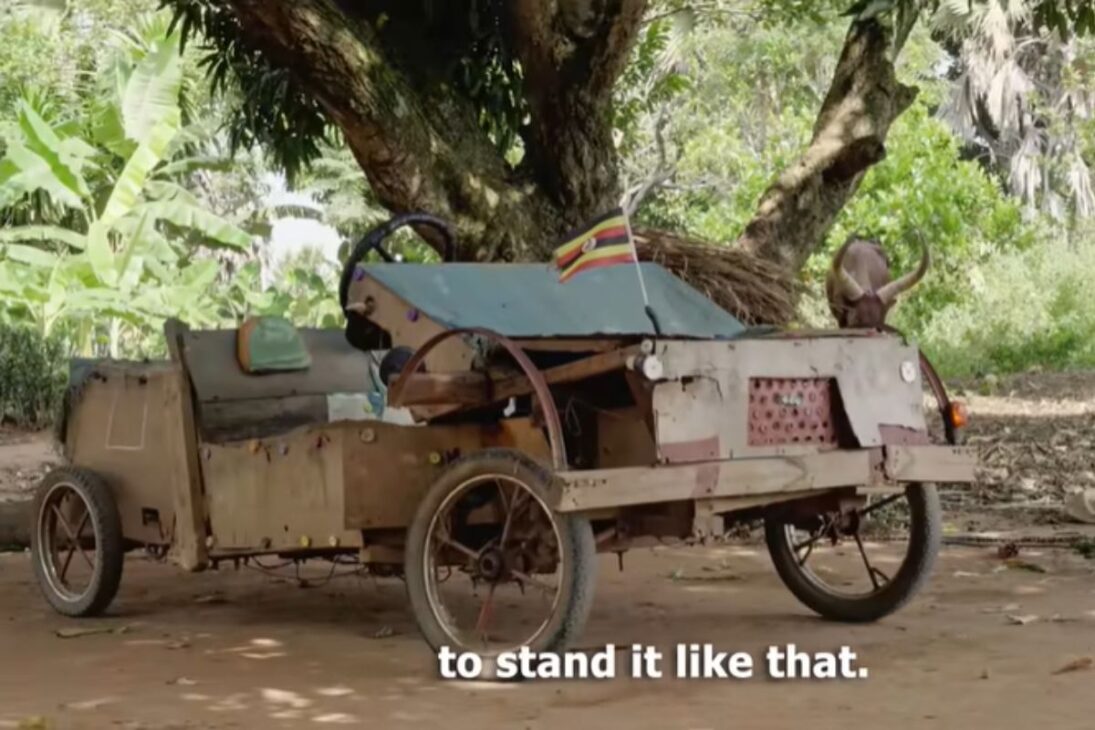
Among The Parts That Caught His Attention Most, The Steering Stands Out As One Of The Most Exciting. For Someone Who Was Assembling Practically Everything With Limited Resources, Noticing That When Turning One Way The Tires Responded As They Should Was More Than A Mechanical Detail. It Was A Concrete Proof That The Car Was Transitioning From A Distant Idea To A Truly Controllable Vehicle.
This Reaction Of The Steering Helps To Understand Why The Process Was So Significant For Him. In A Project Like This, Each Component Functioning Represents A Small Victory.
When This Set Started To Respond Coherently, The First Car Stopped Being Just A Personal Ambition And Started To Take The Shape Of A Concrete Achievement. What Once Seemed Impossible Slowly Began To Obey The Hands Of Its Creator.
The Day He Drove His Own Car For The First Time
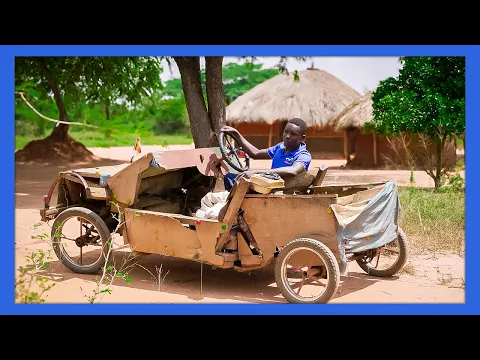

When He Finally Drove The Car For The First Time, Alex Describes Happiness, Laughter, And Excitement. The Reaction Is Not Surprising.
After Two Years Gathering Material, Sourcing Parts, Making Holes, Assembling Structures, And Reworking What Did Not Work, Seeing The Vehicle In Motion Was The Confirmation That All The Effort Had Produced Something Real.
The Meaning Of This Achievement Also Emerges When He Compares The Car To A Motorcycle In Rainy Periods. For Him, The Four-Wheeled Vehicle Represents More Stability And Less Exposure Compared To Those Who Have To Ride A Motorcycle In Difficult Conditions. This Shows That The First Car Was Not Just A Symbol Of Technical Capability, But Also A Practical Solution Related To Movement And Daily Safety.
The Symbolic Impact Within The Village
In A Community Accustomed To Other Means Of Transport, Seeing A Car Emerge From Wood, Metal, And A Used Engine Changes How People View What Can Be Done There. The Project Breaks The Idea That Certain Creations Can Only Come From Afar, From Distant Factories, Or From People With Broad Access To Money, Machines, And Specialized Training.
Thus, The First Car Has A Significance That Goes Beyond The Physical Object. It Redefines Limits Imagined By The Community Itself. By Moving From The Realm Of Incredulity To The Realm Of The Visible, The Car Demonstrates That Invention And Technical Capacity Can Also Arise In Areas Where Almost No One Expects It. This Shift In Perception May Be As Important As The Vehicle Itself.
The Future That Alex Sees From This Achievement
Even After Completing The Project, Alex Does Not Treat The Car As A Final Point. His Dream Continues And Involves A Higher Standard Of Living For Himself, Along With The Idea Of Creating A Car Factory. The Ambition Does Not Appear As An Isolated Fantasy, But As A Natural Continuation For Someone Who Has Already Proven To Himself That He Can Transform A Material Limitation Into A Concrete Result.
When He Talks About Improving Living Standards And Imagining More People Driving In Uganda, He Expands The Meaning Of His Own Experience.
The First Car Now Also Represents A Vision Of The Future, Where Mobility, Local Production, And Opportunity Go Hand In Hand. What Started As A Response To The Lack Of Money To Buy A Vehicle Ends As A Much Larger Transformation Project Than Just An Individual Need.
In The End, Alex’s Story Draws Attention Not Because It Romanticizes Scarcity, But Because It Shows What Happens When Need, Curiosity, And Persistence Come Together.
The First Car Of His Village Did Not Come From A Shortcut, But From Two Years Of Failures, Adaptations, And Manual Labor Until The Idea Finally Came Off The Paper And Hit The Road.
And You, Do You Think That Initiatives Like This Show More Individual Willpower Or Reveal How Many Talented People Need To Create On Their Own Due To Lack Of Opportunity?








ELE É UM GENIO,FOI E FES,E FARA MAIS,É SÓ TER CONDIÇÕES PARABÉNS PELO SEU TRABALHO ALEX.
Vejo muita semelhança com o Brasil. Principalmente no Nordeste brasileiro, onde a Educação não é prioridade e milhões de brasileiros não têm oportunidade à educação de qualidade.
O principal problema vem acompanhado da falta de cerca de 200 mil engenheiros, evidencianfo a falta de comprometimento com a educação. Uma prova disso é o baixodesemoenho na disciplina de matemática em nosso país. Um dos piores do mundo. Isto é uma tragédia p/ um país tão rico como o Brasil.
Fantástico!!! Imaginou,Sonhou,Acreditou,,Trabalhou, Persistiu,Retrabalhando,Centenas de Vezes,e Logrou!!
Exemplo Extraordinário de Pessoa Humana,Extremamente Elevado,E Tenaz,Na Fé, e Em Si!!!!!