Portuguese
  Spanish


Weighing 21,000 tons and with delivery expected in 2028, the first Columbia-class nuclear submarine advances after construction delays, as the US Navy tries to keep on schedule to replace older vessels and preserve its strategic maritime capability
The United States Navy expects to deliver the first Columbia-class nuclear ballistic missile submarine in 2028, a 21,000-ton vessel considered central to renewing the country’s strategic maritime capability. The ship District of Columbia, identified as SSBN-826, is being assembled at the GD Electric Boat shipyard and had its schedule adjusted after construction difficulties.
Columbia-class nuclear submarine expected to be delivered in 2028
The program had previously anticipated the delivery of the first submarine at an earlier date, but production complications led to a revision of the deadline. Among the main factors cited are problems in the supply of critical components and delays in the assembly of important parts of the vessel.
These obstacles occurred in a large-scale project, marked by advanced technology and highly specialized manufacturing processes. Even with the setbacks, recent updates indicate an improvement in construction progress and greater stability in the pace of production.
-
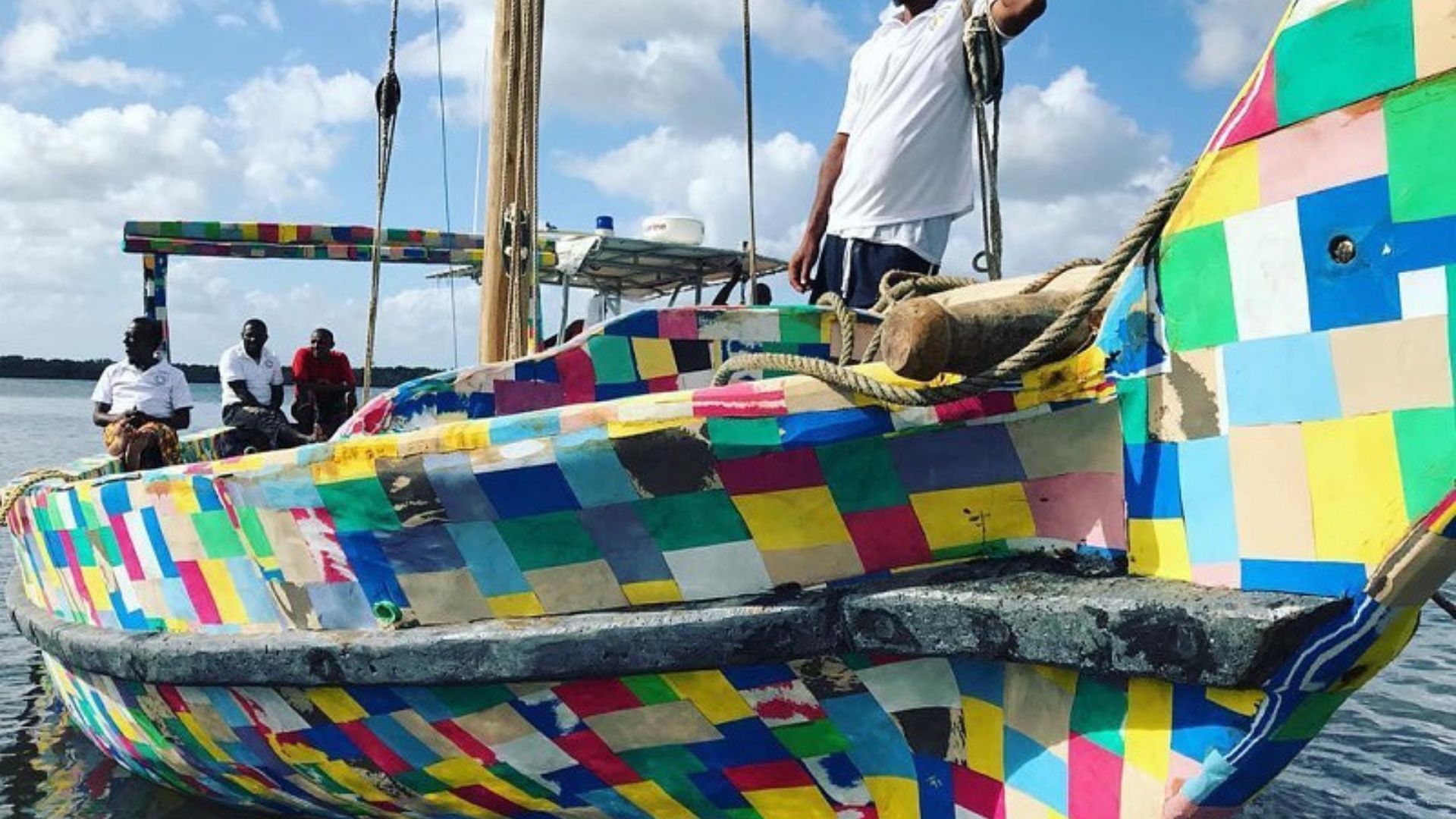
Boat Made from 10 Tons of Plastic and 30,000 Discarded Flip-Flops Sails Along African Coast, Serving as a Floating Classroom on Ocean Pollution

-
Welder Discovers 16th-Century Diamond Ring in England After 7 Hours with Metal Detector; Gold Jewel Linked to Edward I Pattern Auctioned for £17,000
-
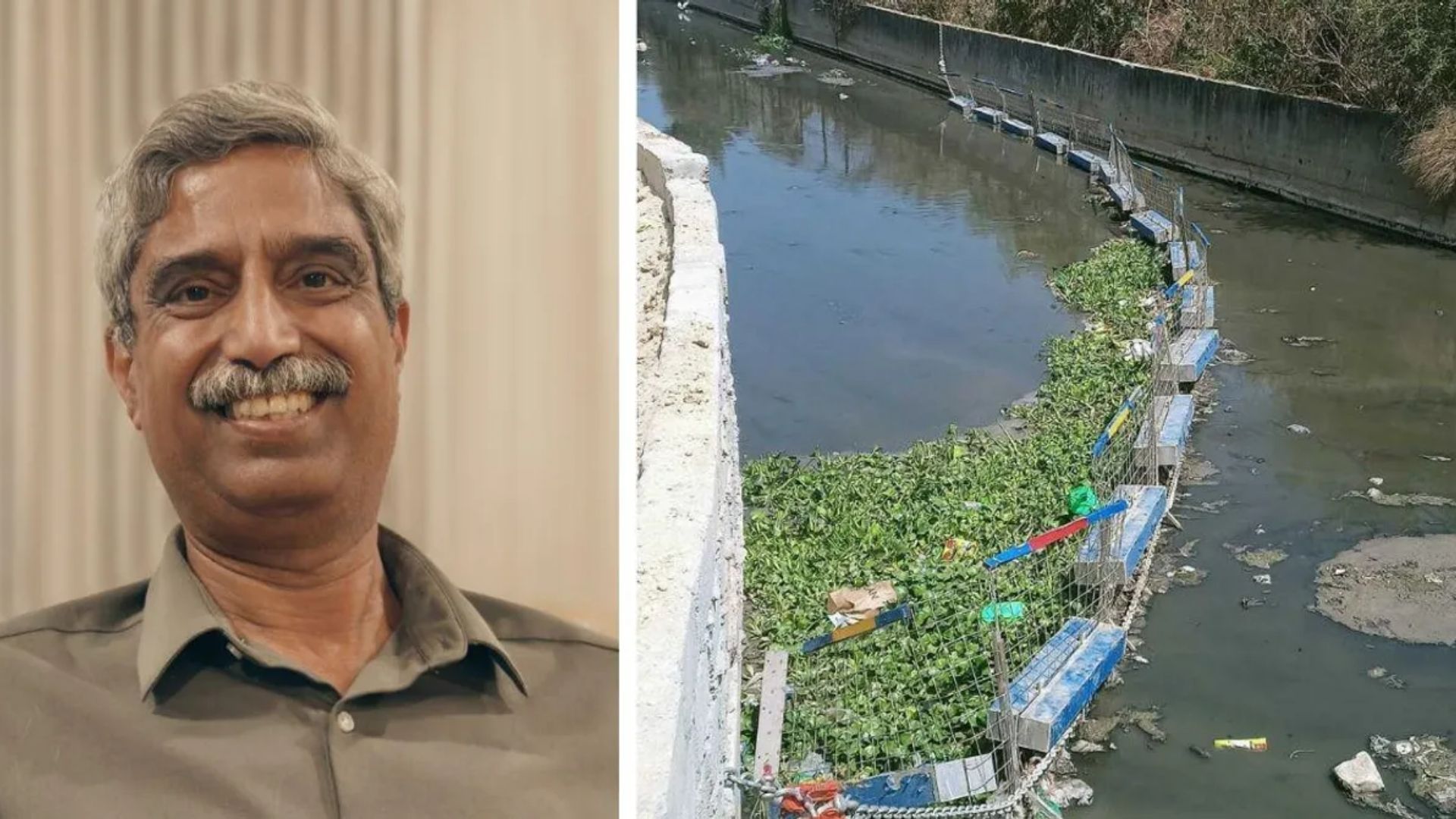
Former Merchant Marine Captain Invents Fuel-Free Barrier, Removes 20,000 Tons of Trash from Chennai Rivers
-
14-Year-Old Maxim Harris Turns School Project into Anti-Rage Gaming Accessory, Sells 1,000 Units Across 46 U.S. States, Donates 20% of Profits to Charity


General Dynamics President Danny Deep told USNI during a first-quarter earnings call on Wednesday that there has been “excellent progress” over the past six to nine months on the Columbia program. He also said that the submarine District of Columbia is on track to be delivered by the end of 2028.
Construction advances after delays in components and assembly
Shipbuilders reported progress in coordinating with suppliers and increasing workforce efficiency. As a result, more components began arriving on time, allowing assembly to proceed more consistently.
The recent evolution is seen as a sign that some of the initial challenges are being overcome. The improvement in delivery flow and production organization has reduced the obstacles that had pressured the schedule of the first nuclear submarine of the new class.
Despite the progress, the project still relies on a complex network of suppliers and highly skilled professionals. Any interruption at these points could again affect the deadline, which keeps the program under constant monitoring.
New fleet to replace older submarines
The Columbia class was created to replace the aging fleet currently responsible for a significant portion of the United States’ nuclear deterrence. The entry into operation of these submarines seeks to ensure continuous and reliable maritime nuclear capability.
Because of this strategic function, the program received top priority within naval modernization efforts. The Navy plans for the first submarine to begin operational patrols around the end of the decade, in alignment with the gradual retirement of older models.
Maintaining this schedule is considered essential to avoid gaps in strategic coverage. The long-term goal is to form a fleet capable of meeting national defense needs for many years.
Budget foresees US$ 15 billion for the Columbia class
Work is not concentrated solely on the first ship in the series. Other Columbia-class submarines are already at different stages of construction, with plans to maintain production at a steady pace.
Significant resources have been reserved to continue the program and reduce the risk of further delays. The Navy also intends to maintain regular production to control overall costs and preserve the schedule.
The budget request for fiscal year 2027 includes US$ 15 billion for the Columbia class funding line. This amount includes the final funding installment for the third submarine, SSBN-828, and full funding for the fourth, as yet unnamed, submarine, identified as SSBN-829.
Even after initial setbacks, the program continues with the updated goal of delivering the first nuclear submarine in 2028. Construction is advancing with more efficient processes, while the Columbia class remains a central piece for the future strategic defense capability of the United States.