





 Portuguese
  English
  Spanish
  5 min of reading
  0 comments



The Ministry brings together agencies and proposes measures to enhance the protection and security of women in the port sector, focusing on prevention, technology, inclusion, and better working conditions in the country.
The Ministry of Ports and Airports took a significant step by coordinating actions aimed at the protection and security of women in the port sector, bringing together authorities and institutional representatives in a strategic meeting held on Tuesday, the 31st. The initiative is part of a set of public policies aimed at reducing risks, increasing inclusion, and ensuring real conditions for women’s presence in an environment historically dominated by men.
The meeting included the participation of agencies such as the Federal Police of Brazil, through the National Commission of Public Security in Ports (Conportos), as well as the Brazilian Navy, the National Agency of Waterway Transportation, and the National Federation of Port Operations.
The central objective of the Ministry is clear: to promote structural changes that ensure more security, dignity, and opportunities for women who work or wish to enter the Brazilian port sector.
-
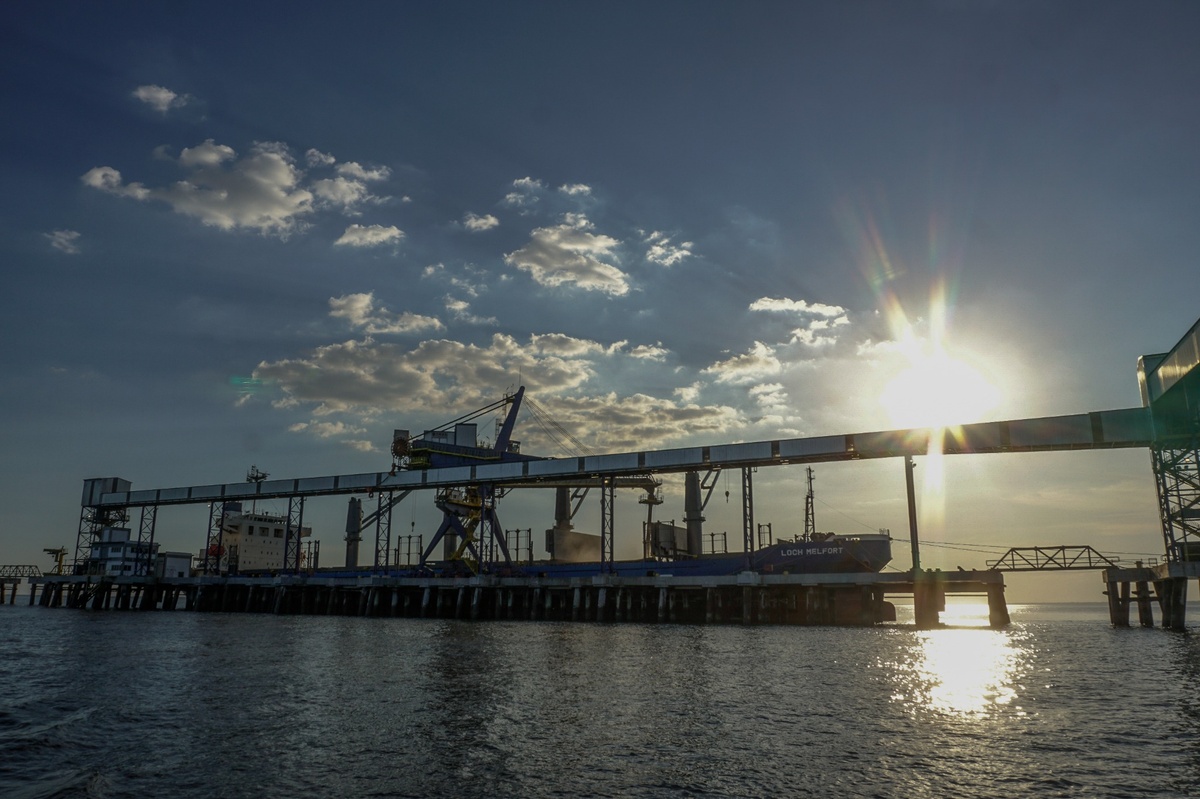
Private ports increased by 14.1% in January 2026 and lead port activity with 66% of the cargo, driven by oil, agribusiness, and exports.
-
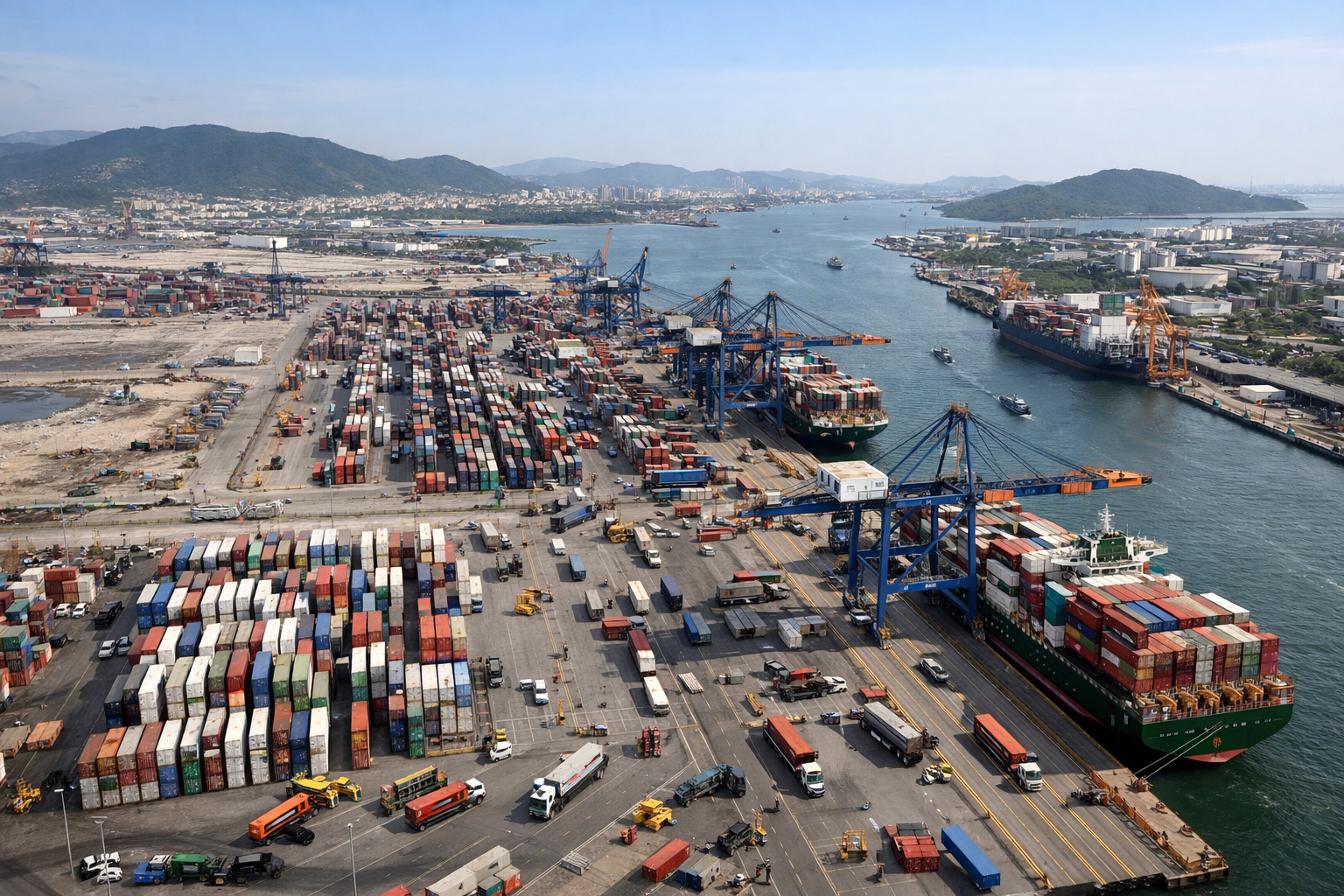
Government Releases R$ 5.1 Billion to Modernize Ports and Generate Over 5,000 Direct Jobs in Brazil
-
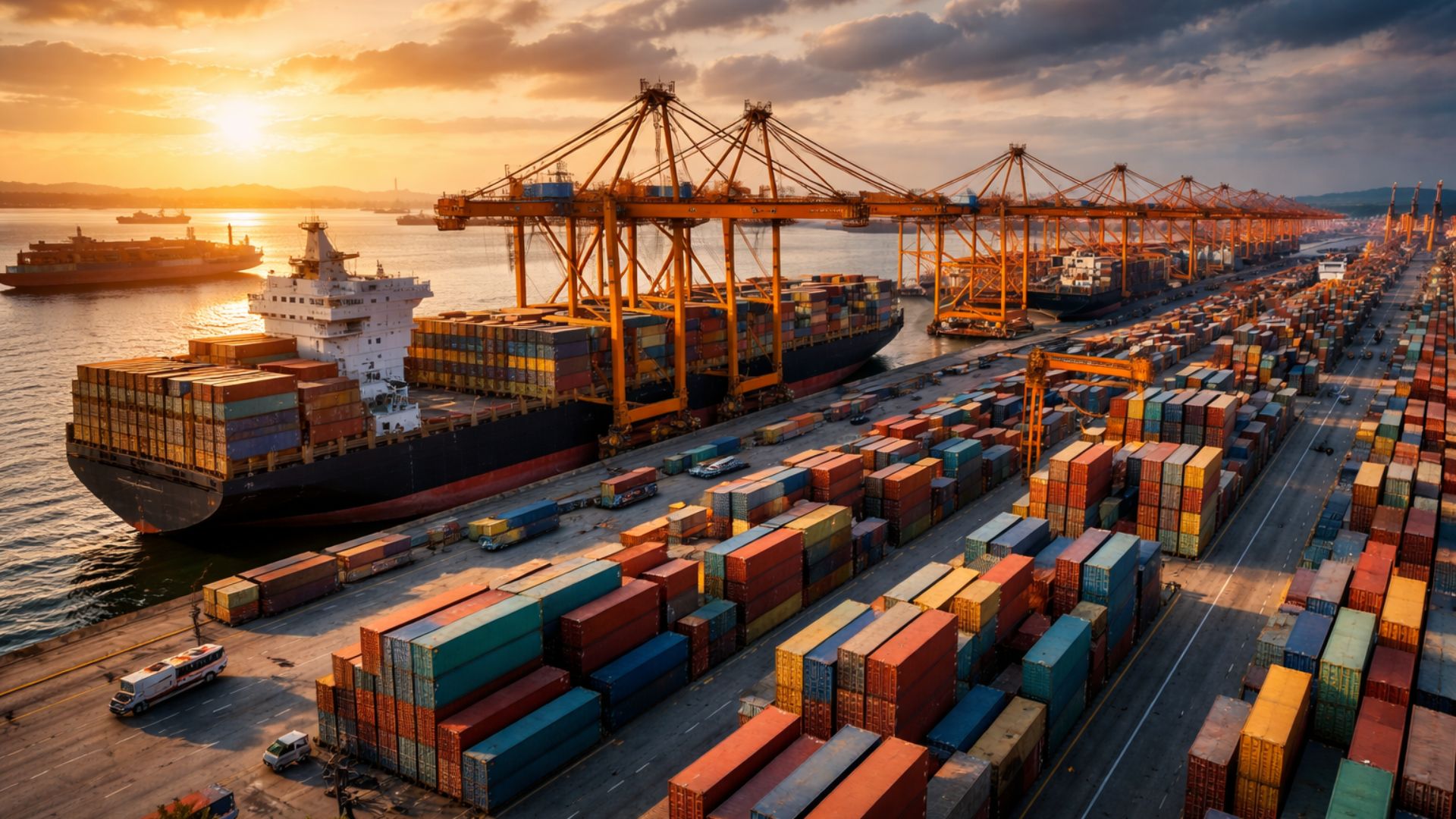
Merchant Marine Fund Approves R$ 5.1 Billion for Port Projects Aiming to Accelerate Port Modernization, Expand Logistics Infrastructure, and Generate Over 5,000 Jobs in Brazil
-
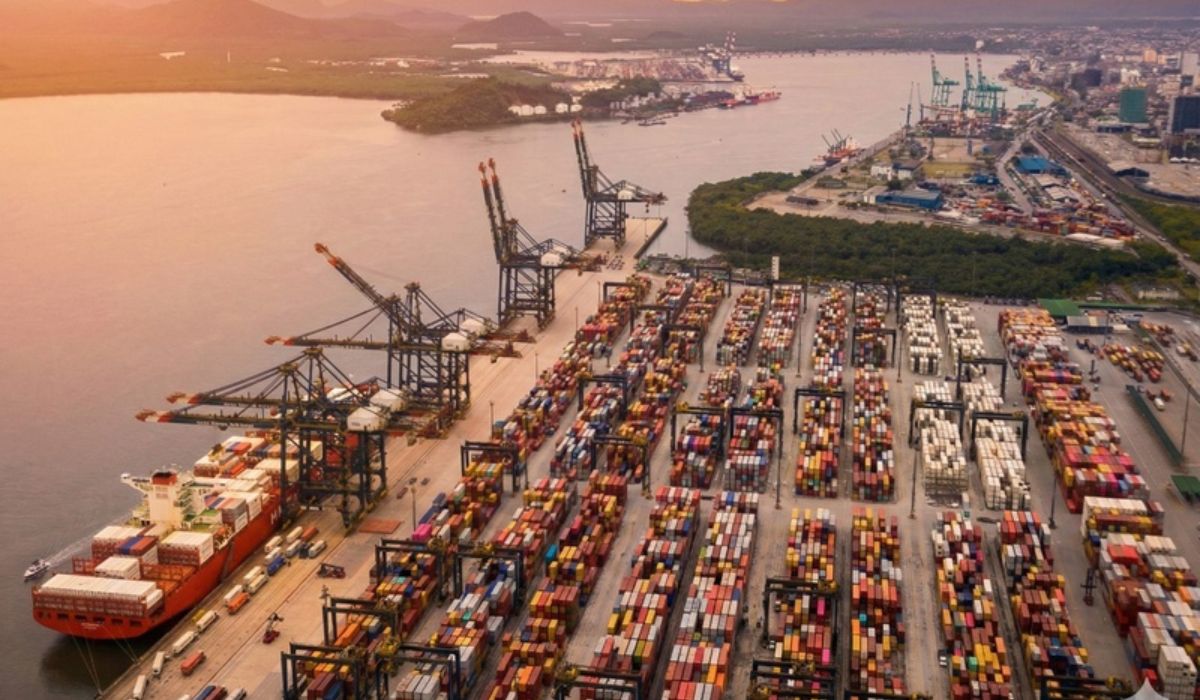
Giant of World Trade: Largest Port in Latin America Is in Brazil, Covers 7.8 Million Sq. Meters on São Paulo Coast, Accounts for 25% of All Exports, and Now May Undergo Historical Expansion That Triples Its Area and Changes the Future of National Logistics

Protection and security of women in the port sector enters the strategic agenda of the Ministry
The agenda of protection and security for women in the port sector has gained priority within the Ministry, reflecting an important change in how public policies have been designed for traditionally male-dominated areas.
During the meeting on the 31st, practical and applicable measures were discussed, focusing on concrete results. The idea is to move from the theoretical field to solutions that directly impact the daily lives of female workers.
Among the main points debated, the following stand out:
- Modernization of existing security protocols
- Creation of new protection mechanisms aimed at the female audience
- Expansion of institutional responsibility in cases of violation
- Integration between public agencies and sector entities
These actions demonstrate that the Ministry seeks not only to increase female presence but to ensure that this presence occurs under adequate and safe conditions.
Women face real challenges in a historically male-dominated port sector
Despite recent advances, the presence of women in the port sector is still marked by significant obstacles. The lack of specific protection and security policies over the years has contributed to maintaining a non-inclusive environment.
In practice, this is reflected in situations such as exposure to operational risks, lack of adequate structures, and difficulties in reporting cases of harassment or violence.
The Ministry recognizes that these challenges cannot be ignored. Therefore, the current proposal goes beyond isolated measures, seeking a broader and more lasting transformation.
Building a more balanced environment depends on coordinated actions that involve both infrastructure and organizational culture.
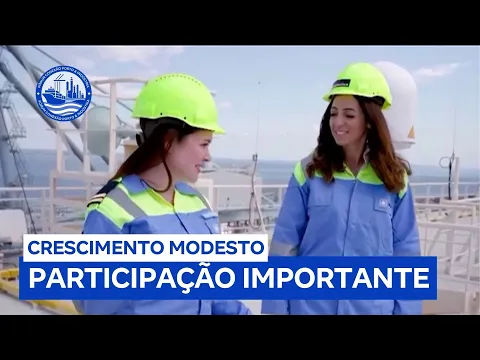

National diagnosis must map risks and guide public policies
One of the most relevant points discussed in the meeting on the 31st was the need for a detailed national diagnosis. The proposal from the Ministry is to map the reality of protection and security for women in the port sector in different regions of the country.
This survey will be fundamental to identify specific vulnerabilities and guide the creation of more effective policies.
Among the objectives of the diagnosis are:
- Identify the most common risks faced by female workers
- Map existing practices in Brazilian ports
- Evaluate available infrastructure
- Gather data on occurrences and reports
Based on this information, the Ministry will be able to develop more assertive strategies, avoiding generic solutions that do not meet the real needs of the sector.
Technology emerges as an ally to reinforce protection and security in the port sector
The adoption of innovative technologies was one of the highlights of the meeting promoted by the Ministry. The expectation is that these tools will directly contribute to strengthening the protection and security of women in the port sector.
Among the solutions discussed are devices that allow for rapid response in risk situations, as well as more efficient monitoring systems.
Some of the technologies under analysis include:
- Body cameras for professionals in operation
- Emergency buttons with immediate activation
- Integrated monitoring systems
- Digital platforms for secure reporting
These tools not only increase safety but also help prevent incidents and ensure greater transparency in actions.
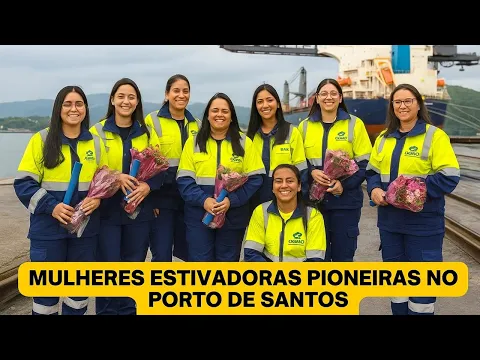
Training and cultural change amplify the impact of the Ministry’s actions
In addition to technology, the Ministry relies on training as an essential pillar to ensure the protection and security of women in the port sector.
Specific training programs are being considered to prepare professionals and managers, promoting a more inclusive and conscious organizational culture.
Among the planned initiatives are educational programs aimed at preventing harassment, awareness campaigns, and strengthening listening channels.
The presence of ombudsman Maíra Cervi Barroso do Nascimento at the meeting on the 31st reinforces the importance of active listening within the transformation process.
Creating a safe environment also involves ensuring that female workers feel heard and respected.
Integration between agencies strengthens the protection and security of women in the port sector
The joint action between different institutions is one of the strongest points of the strategy presented by the Ministry. The protection and security of women in the port sector requires coordination among security, regulatory, and operational agencies.
During the meeting on the 31st, representatives such as delegate Marcelo João da Silva, president of Conportos, and Luiz Fernando de Oliveira Dias from the Brazilian Navy participated.
Also present were Daniel Alves dos Santos from ANTAQ and Cristina Dutra, executive director of Fenop, along with assistants Amanda Coelho Monteiro and Bínuí Lucena.
This diversity of actors reinforces the Ministry’s capacity for articulation, allowing actions to have national reach and greater effectiveness.
Positive impacts go beyond security and drive female inclusion
The expansion of protection and security for women in the port sector brings benefits that go beyond risk reduction. The Ministry highlights direct impacts on the quality of the work environment and productivity.
Safer environments tend to retain talent, reduce absences, and improve team performance. Moreover, female inclusion contributes to diversity, a factor increasingly valued in the global market.
The initiative also strengthens the institutional image of the Brazilian port sector, demonstrating a commitment to good practices and social responsibility.
A new scenario begins to be built in Brazilian ports
The actions led by the Ministry indicate that the Brazilian port sector is undergoing a moment of transformation. The priority given to the protection and security of women represents an important advance in building a more balanced environment.
The meeting held on the 31st marks only the beginning of a process that should expand in the coming months, with the implementation of concrete measures and continuous monitoring.
By investing in technology, training, and institutional integration, the Ministry reinforces its commitment to modernizing the sector and promoting equal opportunities.
More than just increasing numbers, the goal is to ensure that women have real conditions to stay, grow, and contribute fully in the Brazilian port sector.









Seja o primeiro a reagir!