Portuguese
 Spanish


In the Jupiá region, goods and passengers traveling between São Paulo and the former state of Mato Grosso followed different procedures, using steam-powered vessels and railway stations where they could resume their journeys after crossing the river.
Goods carried by the Northwest of Brazil Railway could cross the Paraná River without being unloaded from the railcars in which they were stored, even when no permanent rail connection between the two banks had yet been built.
The system used vessels fitted with tracks that connected to the land-based railway, allowing railcars to be moved onto the deck, as described in a historical report by the newspaper O Liberal Regional.
-
From scanner-read labels to flights to Manaus, Total Express enhances its Black Friday delivery network with a machine sorting 220,000 packages daily

-
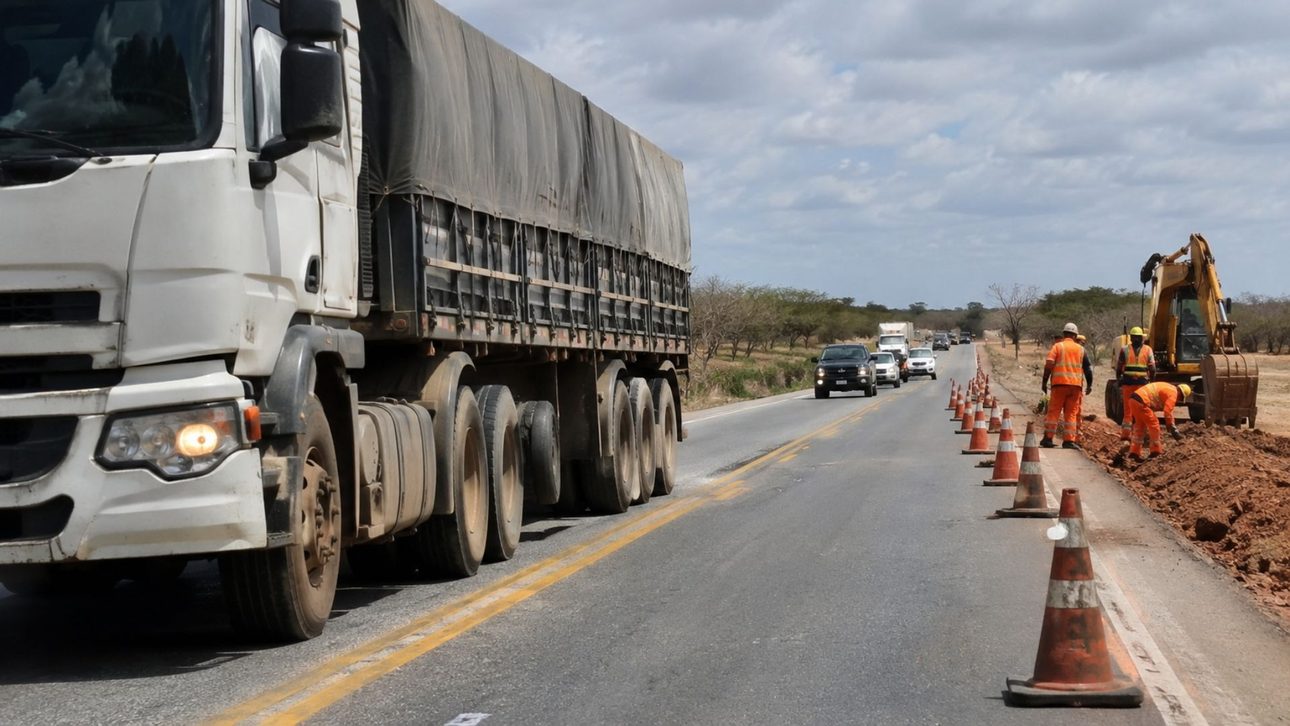
BR-304 to be diverted for about 40 days in Mossoró to install station with weigh-in-motion to screen trucks before enforcement scale
-
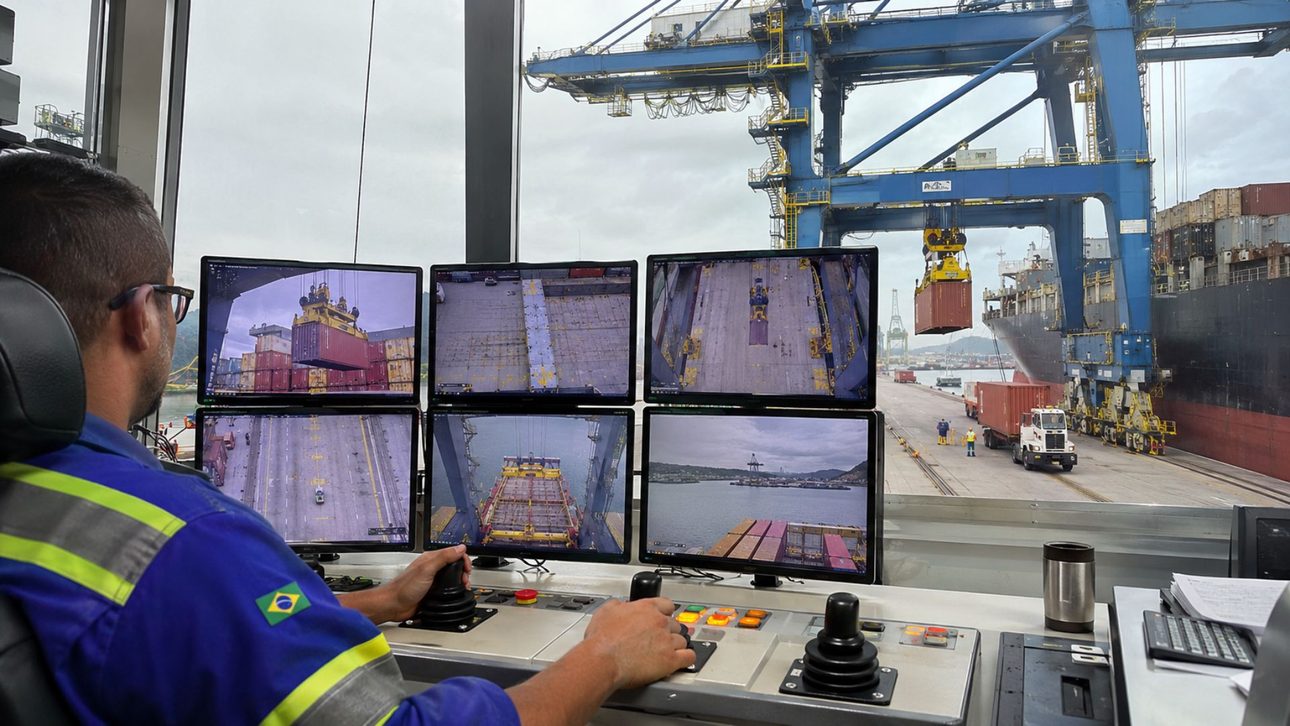
From a six-screen control room, operators remotely manage a 50-meter quay crane in Santos, moving containers with the help of 20 cameras
-
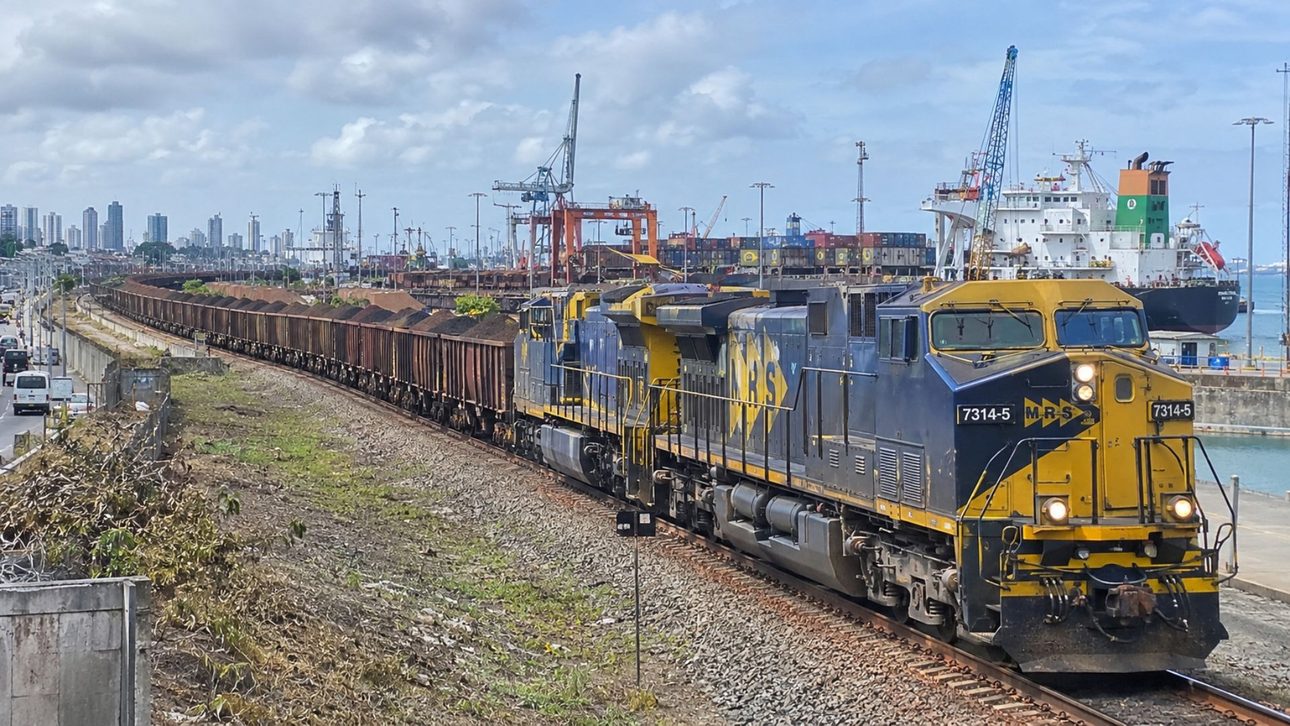
From Itaqui to Mucuripe, railway proposal to add 1,000 railcars and 41 locomotives under R$5.6 billion heading for ANTT public hearing
The operation took place in the Jupiá region, between the present-day municipalities of Castilho, in the far west of São Paulo state, and Três Lagoas, in Mato Grosso do Sul.
How the rail ferry worked on the Paraná River
To take on the railcars, the vessel had to be positioned so that the tracks on its deck lined up with those reaching the riverbank.
Aligning the tracks allowed the railcars to roll aboard on their own wheels, without unloading the goods or transferring them to the compartments of a conventional vessel.
After the loading maneuvers, the temporary connection to the railway was disconnected so the ferry, powered by steam engines, could cross the Paraná with the railcars aboard.
On the opposite bank, the vessel had to be positioned in front of the railway line again, restoring the connection needed for the railcars to return to the land-based tracks and continue their journey.
Although the system eliminated the need to transfer goods between different vehicles, rail service had to stop during loading and unloading maneuvers and while the ferry crossed the river.
Passengers crossed the river on a separate vessel
Passenger transportation followed a different procedure, documented by researcher Ralph Mennucci Giesbrecht in his historical records on the Jupiá railway station.
Passengers arriving from Bauru got off at the end of the line in São Paulo state, crossed the Paraná by boat, and resumed their journey on another train on the Mato Grosso side.
Railcars crossed by ferry for freight transportation only, while passengers made the river crossing separately.
Inaugurated on November 4, 1910, the Jupiá station in São Paulo state marked the point where tracks from the interior of São Paulo met the Paraná River.
That December, the Três Lagoas station was inaugurated. It was among the first stations built in territory that would later become part of Mato Grosso do Sul.
The railway’s arrival and the growth of Três Lagoas
During construction and operation of the railway, Três Lagoas attracted immigrants seeking work on the rail line and in the settlement’s commercial businesses.
A historical account published by O Liberal Regional records that, in 1911, the construction company Machado de Melo e Cia sent three engineers to the area to draw up an urban plan to guide the layout of its streets and public spaces.
The plans were completed in 1912, when the rail connection between the sections in São Paulo and Mato Grosso still depended on vessels operating on the Paraná River.
In 1914, the settlement had about 1,200 residents and several businesses, hotels, two public schools, a theater and a social club.
Três Lagoas became an independent municipality on June 15, 1915, more than a decade before the railway bridge opened.
Francisco de Sá Bridge Replaced Rail Ferries
Studies for a permanent crossing over the Paraná River began in 1918, but financial and technological challenges delayed construction of the metal structure.
Immigrant workers, including Russians, Arabs and Spaniards, took part in building the bridge and settled in the Jupiá area during the construction period.
The Francisco de Sá Bridge opened in October 1926, ending rail ferry crossings at that point on the Paraná River.
With a permanent crossing in place, trains could cross the river directly on the tracks, without the maneuvers needed to transfer railcars between the railway and the vessel.
The bridge’s opening also changed the distribution of railway stations in the region. The Jupiá station on the São Paulo side was closed, and another station with the same name began operating on the opposite bank. It became the first station on the line in the former state of Mato Grosso for travelers coming from São Paulo.